An African American woman moved home to take care of her dying mother giving up the opportunity to experience a world beyond segregation. Zoraida Hughes Williams finds that some things have changed about her hometown of Fort Worth, Texas while some have stayed the same, like Hell’s Half Acre, an area where saloons, prostitution and gambling runs wild. Like most of the residents, she wants to keep her head down and stay away from trouble, but it comes in the unlikely form of an Anglo Baptist preacher. He messes up everything and almost gets them killed.
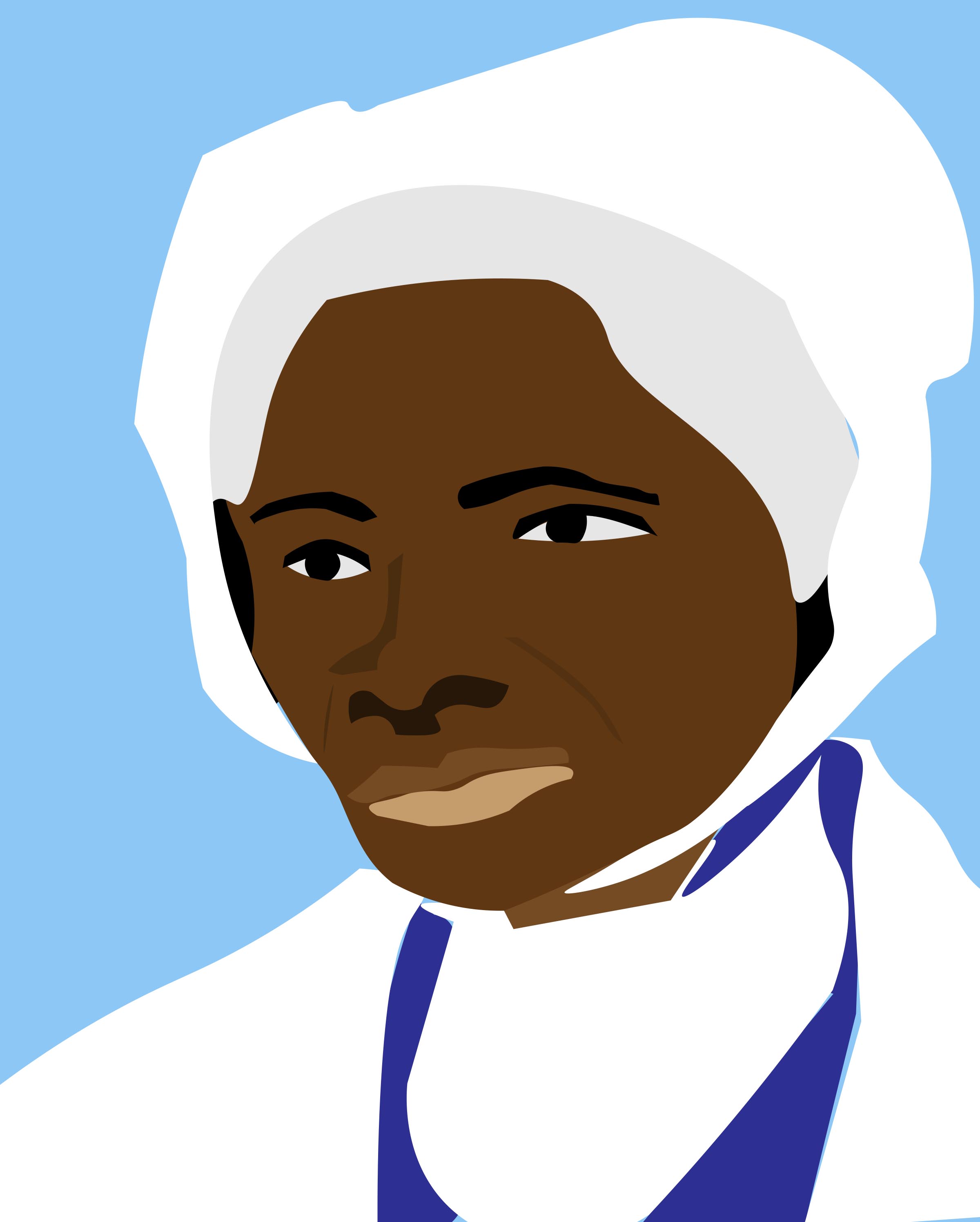
She was born between 1797 and 1883 and given the name Isabella in a Dutch speaking county in New York.
She meets us at the intersection of former slave, abolitionist, women’s rights activists, mother, daughter, wife.
Isabella Baumfree spent the first nine years of her life close to her family. Her father, James Baumfree was captured from Ghana. Her mother Elizabeth was captured from Guinea. She was sold for the first time at the age of nine. She spent the next decade of her life being sold to not very nice people.
She had a husband and five children. Her last master was supposed to free her, but reneged. In late 1826, she escaped with her daughter Sophia.
I did not run off, for I thought that wicked, but I walked off, believing that to be all right.”
She walked to freedom.
This happened because in 1799, the State of New York created laws to abolition slavery which was complete in 1827. Baumfree’s slaver owner refused to let her go, so she left with her youngest child. According to the law the other children would be free when they were in their twenties.
Her former slave owner sold her young son, who was 5 years old, to a slave owner in Alabama. With the help of some others, Baumfree fought for her son in court. She was the first African American to sue her slave owner in court and win.
On June 1, 1843, she changed her name to Sojourner Truth because she felt the Lord calling her to preach the truth. In 1944, Truth joined the Northampton Association of Education and Industry through which she met Frederick Douglass and others who encouraged her to speak publicly.
In 1850 she dictated her memoir, The Narrative of Sojourner Truth, A Northern Slave. In 1951, while on a speaking tour, she delivered her famous speech Aint I A Woman which demanded equal rights for women.
She spoke at several meetings before the war. Afterwards she became a proponent of women’s rights. As she aged, she was cared for by her two daughters. She died at her home in Battle Creek Michigan in November of 1883.
She meets us at the intersection of human being, African American, woman, Activist, Christ follower and family member.
She made choices throughout her life that reflected her courage in life as she did not defer to danger or pain. She did not shrink back but approached it with full force.
She is an example for me of what courageous looks like.
An African American woman moved home to take care of her dying mother giving up the opportunity to experience a world beyond segregation. Zoraida Hughes Williams finds that some things have changed about her hometown of Fort Worth, Texas while some have stayed the same, like Hell’s Half Acre, an area where saloons, prostitution and gambling runs wild. Like most of the residents, she wants to keep her head down and stay away from trouble, but it comes in the unlikely form of an Anglo Baptist preacher. He messes up everything and almost gets them killed.
She was born between 1797 and 1883 and given the name Isabella in a Dutch speaking county in New York.
She meets us at the intersection of former slave, abolitionist, women’s rights activists, mother, daughter, wife.
Isabella Baumfree spent the first nine years of her life close to her family. Her father, James Baumfree was captured from Ghana. Her mother Elizabeth was captured from Guinea. She was sold for the first time at the age of nine. She spent the next decade of her life being sold to not very nice people.
She had a husband and five children. Her last master was supposed to free her, but reneged. In late 1826, she escaped with her daughter Sophia.
I did not run off, for I thought that wicked, but I walked off, believing that to be all right.”
She walked to freedom.
This happened because in 1799, the State of New York created laws to abolition slavery which was complete in 1827. Baumfree’s slaver owner refused to let her go, so she left with her youngest child. According to the law the other children would be free when they were in their twenties.
Her former slave owner sold her young son, who was 5 years old, to a slave owner in Alabama. With the help of some others, Baumfree fought for her son in court. She was the first African American to sue her slave owner in court and win.
On June 1, 1843, she changed her name to Sojourner Truth because she felt the Lord calling her to preach the truth. In 1944, Truth joined the Northampton Association of Education and Industry through which she met Frederick Douglass and others who encouraged her to speak publicly.
In 1850 she dictated her memoir, The Narrative of Sojourner Truth, A Northern Slave. In 1951, while on a speaking tour, she delivered her famous speech Aint I A Woman which demanded equal rights for women.
Sometimes being courageous comes when you are at the point where you just can’t take the circumstances anymore. Several times in her life, Sojourner Truth found herself in a place where she made a choice that others would not make.
Sometimes courage is being scared but doing the right thing.
An African American woman moved home to take care of her dying mother giving up the opportunity to experience a world beyond segregation. Zoraida Hughes Williams finds that some things have changed about her hometown of Fort Worth, Texas while some have stayed the same, like Hell’s Half Acre, an area where saloons, prostitution and gambling runs wild. Like most of the residents, she wants to keep her head down and stay away from trouble, but it comes in the unlikely form of an Anglo Baptist preacher. He messes up everything and almost gets them killed.






 UPP Creative Media