Early voting is open.
Skip the Election Day line and vote on your own schedule. Who’s going this week?
People fought and died for the right to vote. Lets not throw way this opportunity to do it right.
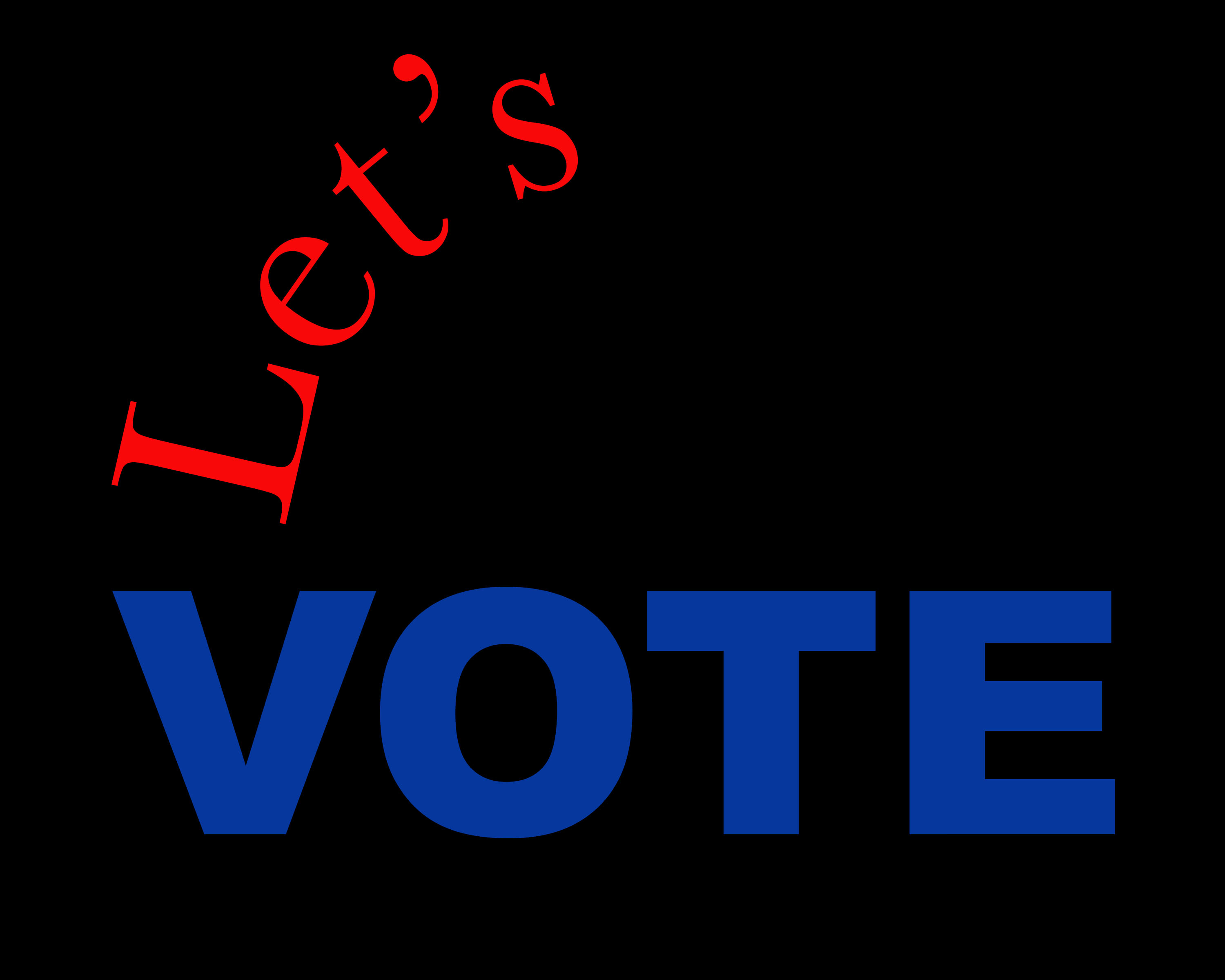
Early voting is open.
Skip the Election Day line and vote on your own schedule. Who’s going this week?
People fought and died for the right to vote. Lets not throw way this opportunity to do it right.
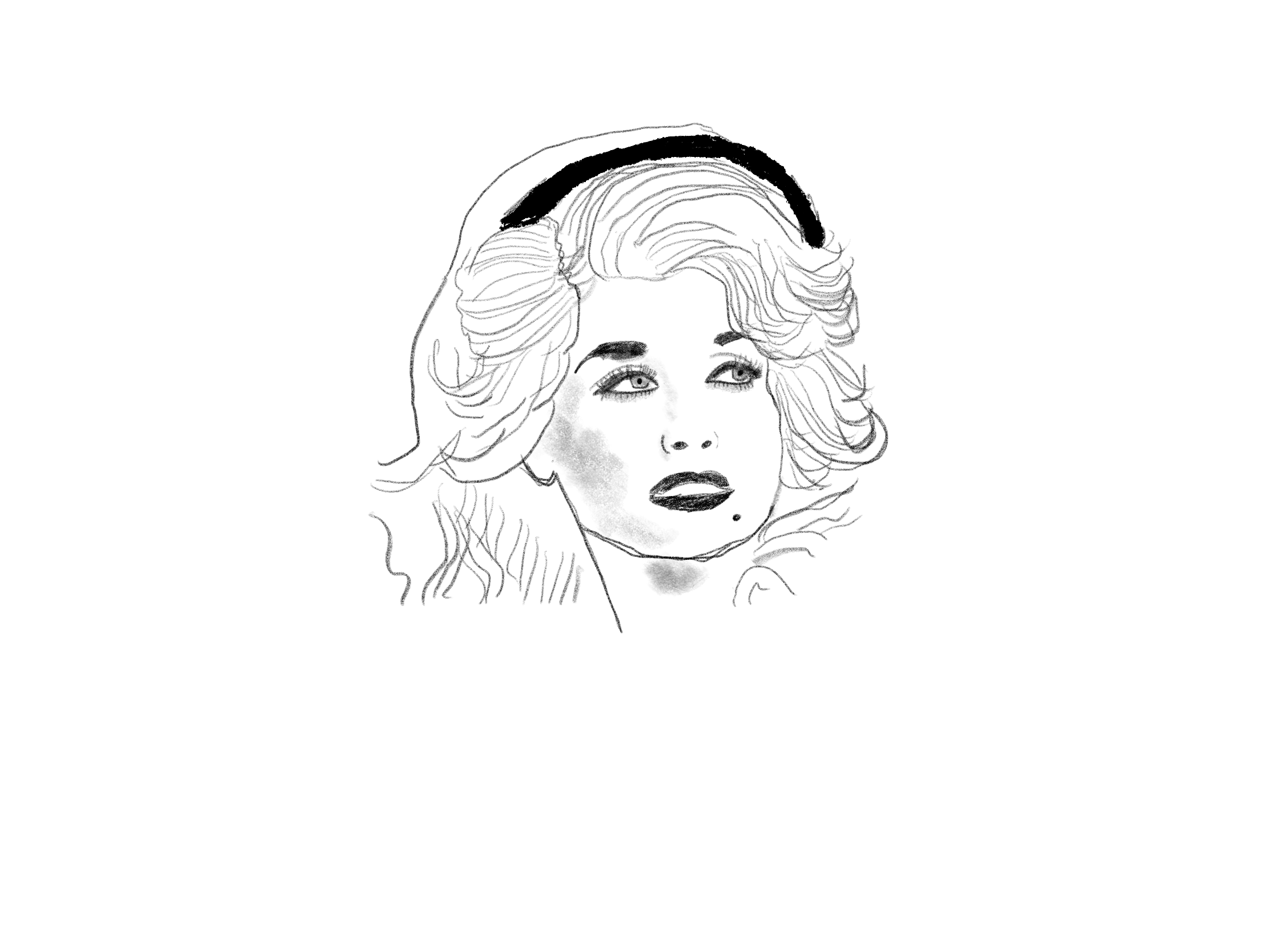
She was a good example of how to spend your life. She was a legendary singer, songwriter and philanthropist. She created music that won 11 Grammys. She co founded a theme park. She founded an organization that supports child literacy. She was one of my heroes. She is Dolly Parton. She died in August. The world is a little less bright.

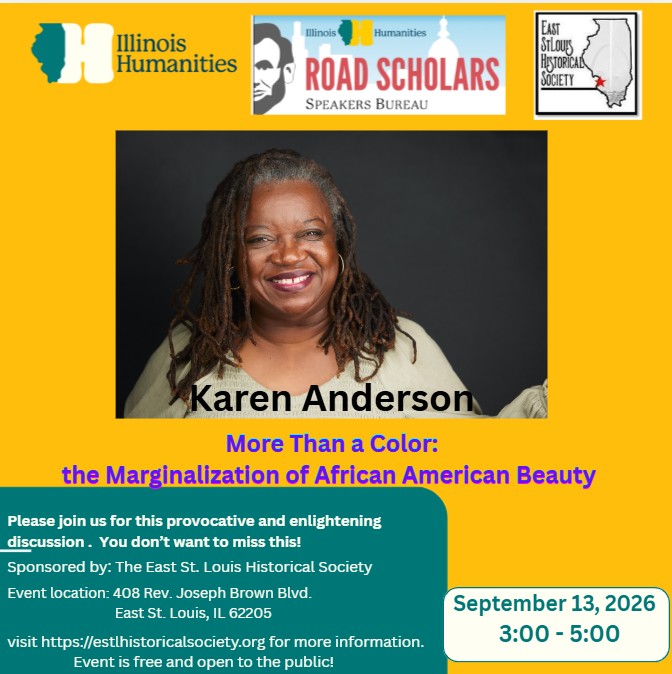
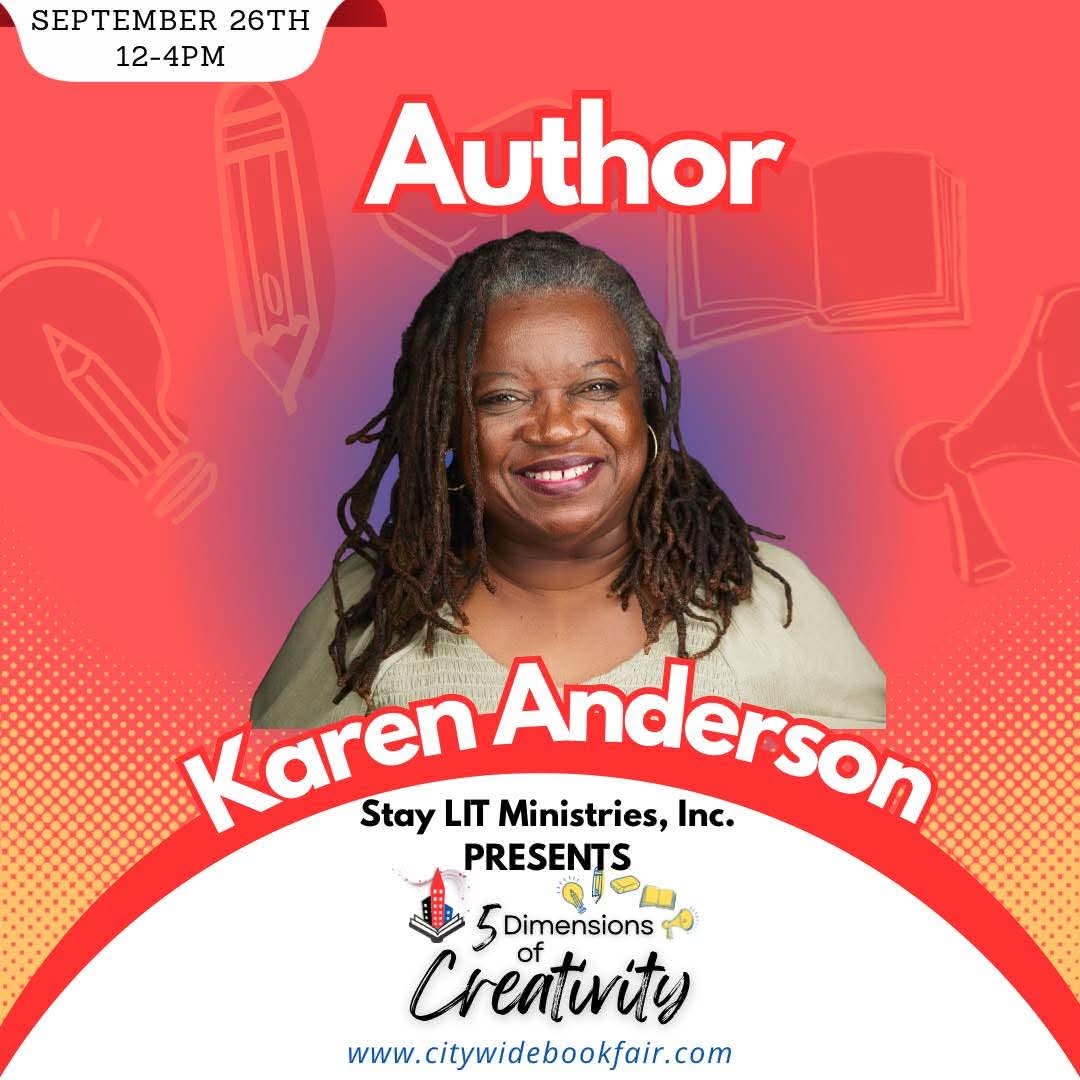
As I bring September to a close, I think on the speaking engagements and my time with people. It was nice being out meeting other talented people.
She was a good example of how to spend your life. She was a legendary singer, songwriter and philanthropist. She created music that won 11 Grammys. She co founded a theme park. She founded an organization that supports child literacy. She was one of my heroes. She is Dolly Parton. She died in August. The world is a little less bright.
She was a good example of how to spend your life. She was a legendary singer, songwriter and philanthropist. She created music that won 11 Grammys. She co founded a theme park. She founded an organization that supports child literacy. She was one of my heroes. She is Dolly Parton. She died in August. The world is a little less bright.
Nolan represents all the young African American men who have died too young. Hate is taught and cultivated like fine wine. Surely, God will send karmic results to the purveyors of this.

My work has been shown at Pullman National Monument, Evanston Library, and CAB Art Gallery — and published in Obsidian, The Argyle Literary Magazine, and Levitate. That same care and craft goes into every commission I take on.
This isn’t just art. It’s preservation.
#ArtistsOfChicago #BlackArtMatters #CommissionArtist
Nolan represents all the young African American men who have died too young. Hate is taught and cultivated like fine wine. Surely, God will send karmic results to the purveyors of this.
Nolan represents all the young African American men who have died too young. Hate is taught and cultivated like fine wine. Surely, God will send karmic results to the purveyors of this.
Nolan represents all the young African American men who have died too young. The young African American man, Nolan Wells was at a party with some white friends. He turned up dead under suspicious circumstances. Hate is taught and cultivated like fine wine. Surely, God will send karmic results to the purveyors of this.

