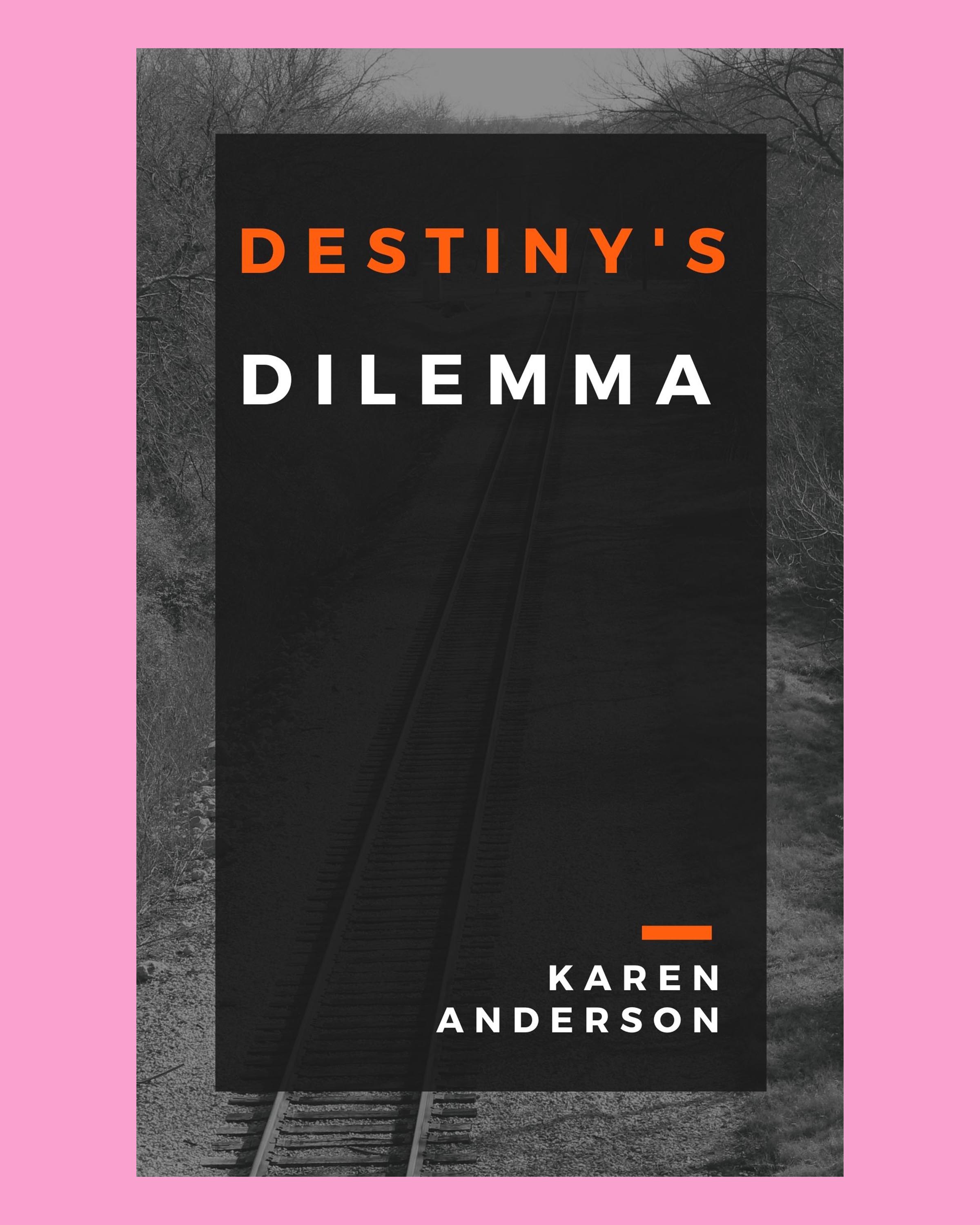
An African American woman moved home to take care of her dying mother giving up the opportunity to experience a world beyond segregation. Zoraida Hughes Williams finds that some things have changed about her hometown of Fort Worth, Texas while some have stayed the same, like Hell’s Half Acre, an area where saloons, prostitution and gambling runs wild. Like most of the residents, she wants to keep her head down and stay away from trouble, but it comes in the unlikely form of an Anglo Baptist preacher. He messes up everything and almost gets them killed.
Today we will talk about how in 1976 the South African government declared a state of emergency. For 13 years the children of South African resisted. Often referred to as the Soweto Uprising, a musical was written called Sarafina.
It tells the story of how thousands of children were beaten and tortured. 8,000 children were in prison. This story is about South African teenagers fought against apartheid in the Soweto Uprising.
We first saw this story on Broadway. I remember because at the end there was a song Free Nelson Mandela. I can’t put into words what that experience was like, but WOW.
Beyond entertaining, the message of this movie moved me. Nelson Mandela has become one of my favorite people in life.
Zora Neale Hurston was an American writer, anthropologist, folklorist, and documentary filmmaker. She portrayed racial struggles in the early-20th-century American South and published research on Hoodoo and Caribbean Vodou. The most popular of her four novels is Their Eyes Were Watching God, published in 1937. She also wrote more than 50 short stories, plays, an autobiography, ethnographies, and many essays.
Hurston traveled extensively in the Caribbean and the American South and immersed herself in local cultural practices to conduct her anthropological research.
During a period of financial and medical difficulties, Hurston was forced to enter St. Lucie County Welfare Home, where she had a stroke. She died of hypertensive heart disease on January 28, 1960, and was buried at the Garden of Heavenly Rest in Fort Pierce, Florida. Her remains were in an unmarked grave until 1973.
Repose: a hush upon the breath of time, where weary thoughts dissolve like mist and silence cradles the soul in velvet arms— a stillness not of absence, but of grace, where the heart forgets to ache, and the world, for a moment, remembers how to be gentle.
Zora Neale Hurston was an American writer, anthropologist, folklorist, and documentary filmmaker. She portrayed racial struggles in the early-20th-century American South and published research on Hoodoo and Caribbean Vodou. The most popular of her four novels is Their Eyes Were Watching God, published in 1937. She also wrote more than 50 short stories, plays, an autobiography, ethnographies, and many essays.
Hurston traveled extensively in the Caribbean and the American South and immersed herself in local cultural practices to conduct her anthropological research.
During a period of financial and medical difficulties, Hurston was forced to enter St. Lucie County Welfare Home, where she had a stroke. She died of hypertensive heart disease on January 28, 1960, and was buried at the Garden of Heavenly Rest in Fort Pierce, Florida. Her remains were in an unmarked grave until 1973.
An African American woman moved home to take care of her dying mother giving up the opportunity to experience a world beyond segregation. Zoraida Hughes Williams finds that some things have changed about her hometown of Fort Worth, Texas while some have stayed the same, like Hell’s Half Acre, an area where saloons, prostitution and gambling runs wild. Like most of the residents, she wants to keep her head down and stay away from trouble, but it comes in the unlikely form of an Anglo Baptist preacher. He messes up everything and almost gets them killed.
In this episode we will talk about the movie Black Panther. It is one of the Marvel family of films, distributed by Disney. It made 1.3 billion dollars in box office. Black movies do sell. It was nice to have a brown super hero and for him to have his own movie.
It was nice to have brown people saving other brown people
Wakanda created an amazing space for brown people.
Zora Neale Hurston was an American writer, anthropologist, folklorist, and documentary filmmaker. She portrayed racial struggles in the early-20th-century American South and published research on Hoodoo and Caribbean Vodou. The most popular of her four novels is Their Eyes Were Watching God, published in 1937. She also wrote more than 50 short stories, plays, an autobiography, ethnographies, and many essays.
Hurston traveled extensively in the Caribbean and the American South and immersed herself in local cultural practices to conduct her anthropological research.
During a period of financial and medical difficulties, Hurston was forced to enter St. Lucie County Welfare Home, where she had a stroke. She died of hypertensive heart disease on January 28, 1960, and was buried at the Garden of Heavenly Rest in Fort Pierce, Florida. Her remains were in an unmarked grave until 1973.



 UPP Creative Media