Black History Month

This week will feature artists
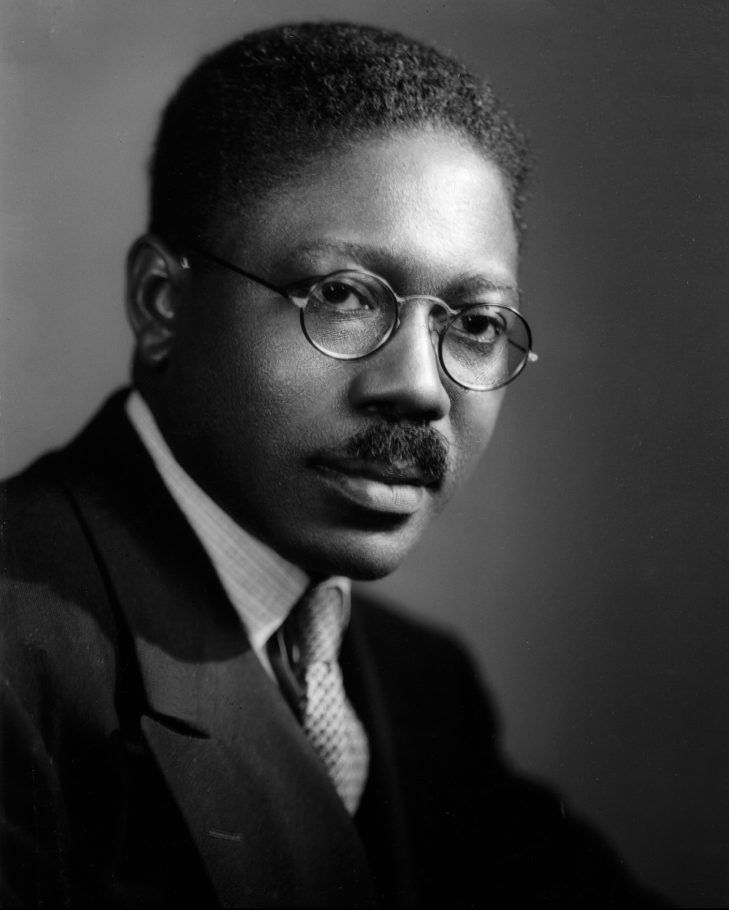
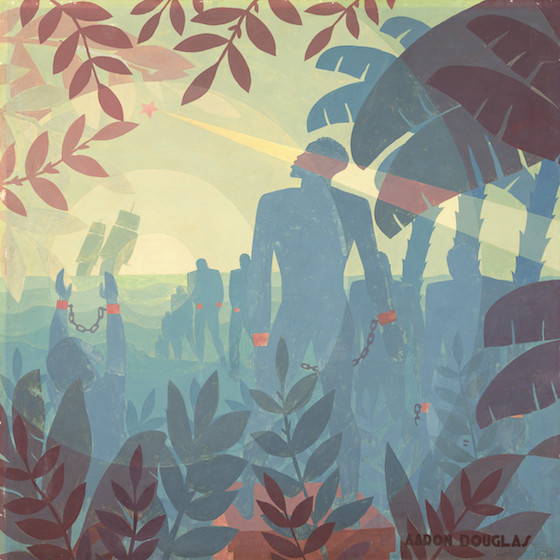
Aaron Douglass was born in 1899 in Topeka, Kansas . He was a major figure in the Harlem Renaissance. In 1936, Douglas was commissioned to create a series of murals for the Texas Centennial Exposition in Dallas. Installed in the elegant entrance lobby of the Hall of Negro Life, his four completed paintings charted the journey of African Americans from slavery to the present. Considered a leader of the Harlem Renaissance, the cultural phenomenon that promoted African and African American culture as a source of pride and inspiration, Douglas was an inspiring choice for the project.(From National Gallery of Art and Wikipedia)

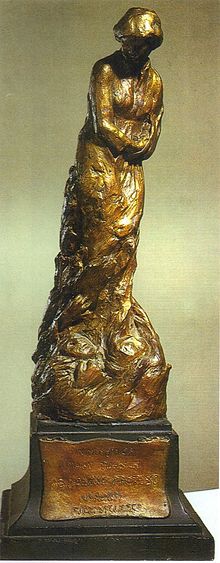
Sculptor Meta Vaux Warrick Fuller was born in Philadelphia and studied art in her hometown, as well as Paris, at the turn of the 20th century. During this period, more women were trained as artists than ever before in America, and she was commissioned several times to create dioramas for the US government. Fuller was an important catalyst in the Harlem Renaissance; her work Ethiopia Awakening served as a celebration of African independence and aimed to shatter associations with slavery. (From complex.com)
Black History Month

Alice Walker Beauty In Truth Trailer

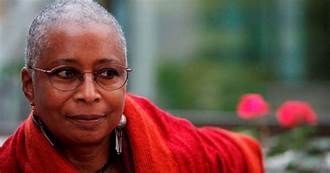
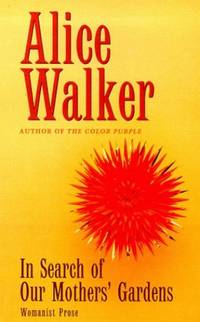
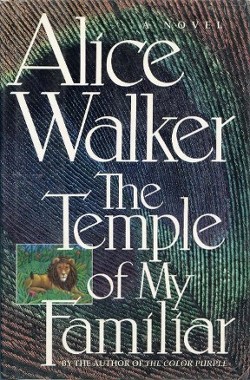
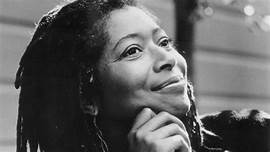
Alice Walker was born Georgia in 1944 into a large family which helped define her character and the way she saw the world. She graduated from Sarah Laurence College in 1965, but first she attended Spelman where she met Martin Luther King Jr which influenced her to work as an activist in the South.

Author of several novels, short stories and poetry, Walker won a Pulitzer Prize for The Color Purple which was also made into a motion picture starring Whoopi Goldberg and Oprah Winfrey. She won many other awards and honors, and her work focus’ on the lives of African American people and their struggles in a society that is not always for them.

Black History Month

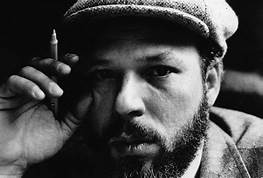
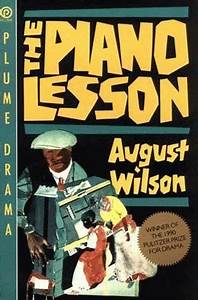
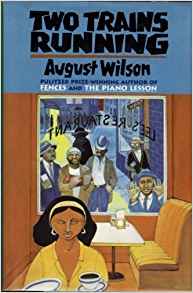
Born Frederick August Kittel Jr. in Pittsburgh Pennsylvania in 1945. The African American playwright won Pulitzers for Fences (1987) and The Piano Lesson (1990) which were stories that depicted celebrate the history and poetry of African Americans.

August Wilson’s father did not live with the family, so he took his mother’s maiden name in honor of her.  Living in predominantly white communities, Wilson dropped out of school and spent most of his time at the library.

As he tried to further his career as a writer, he worked as a cook, porter, a gardener and a dishwasher. He later founded the Black Horizon Theater in Pittsburgh with his friend.  He began to write and produce more of his plays.  He wrote more than 16 plays. He won a Tony for Fences and several awards and honors. He died in 2005 of liver cancer.

Black History Month

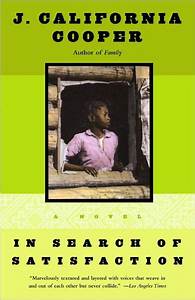
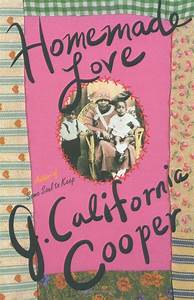
Her pen name was J California Cooper, but Joan Cooper wrote more than 17 plays, novels and short stories. Born in Berkeley, California in 1931, she tried to be careful not to give out too much personal information.

She was the Black Playwright of the Year which led to other amazing things. Alice Walker advised her to try her hand at writing books and it turned out to be a good thing. Cooper won American Book Award for Homemade Love, James Baldwin Writing Award, and the Literary Lion Award from the American Library Association.

Her short story Funny Valentines was made into a television movie starring Alfre Woodard and Loretta Devine.

“I’m a Christian” Cooper told a newspaper, “That’s all I am. If it came down to Christianity and writing, I’d let the writing go. God is bigger than a book,” Cooper said in the Washington Post in 2000.

She died at the age of 82 in 2014.

Black History Month

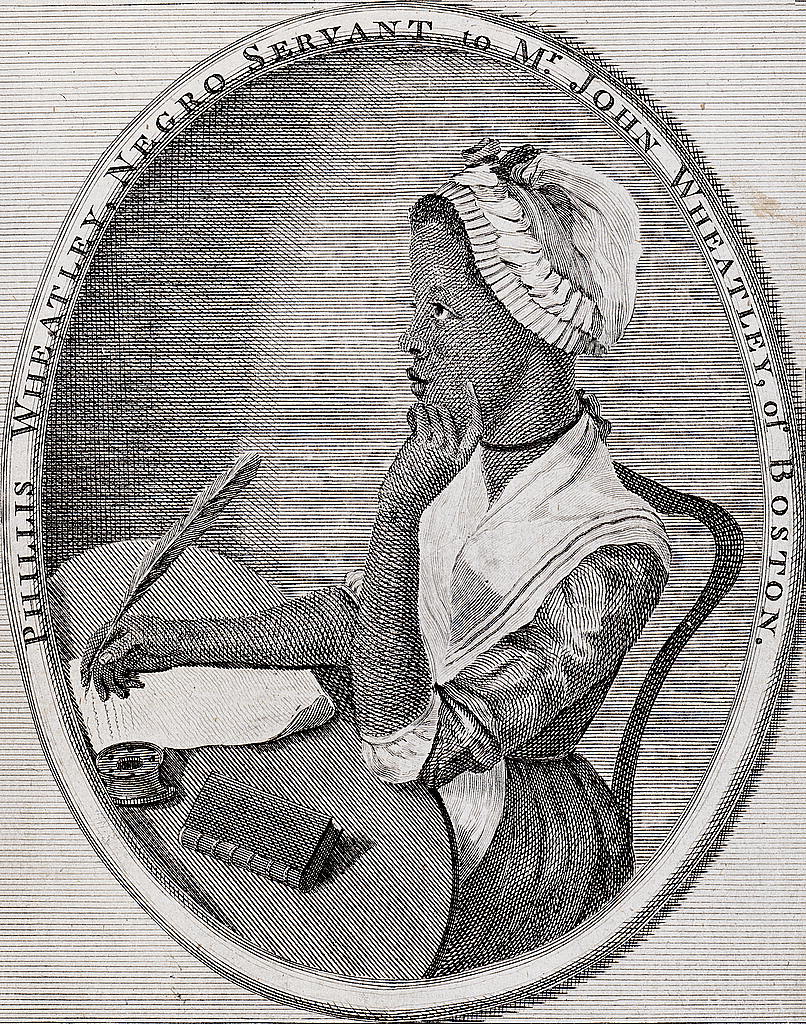
Born in the Senegal/Gambia region of West Africa, Phyllis Wheatley was probably about seven years old when she was capture by slavers. Because she was small and thought to be ill, she was sold to a tailor and his family.

The Wheatley family of Boston taught their young slave how to read and write, once they saw she had a desire to learn. She began writing poetry, which they encouraged.

Her first book of poetry was published in 1773, when she and one of her slave owners went to London to promote her work. She was introduced to prominent people, one of which took an interest in her work and helped her publish it. Poems on Various Subjects, Religious and Moral brought fame to her in the UK and the USA.

The Wheatley’s emancipated Phyllis after her book was published. She later married John Peters, a free African American man. They struggle with poverty and giving birth to a child. She died December 5, 1784 at the age of 31.