Rest allows your mind and body time to rejuvenate. But it is not something that comes easy because I have been taught against it. Change the mindset and adding it to my schedule. This has been very good.

Rest allows your mind and body time to rejuvenate. But it is not something that comes easy because I have been taught against it. Change the mindset and adding it to my schedule. This has been very good.
Not all skylines are alike, and neither are the places that make them up. Each brings something unique and valuable to this country. We should appreciate it.


Robert Smalls (April 5, 1839 – February 23, 1915) was an American politician, publisher, businessman, and maritime pilot. Born into slavery in Beaufort, South Carolina, he freed himself, his crew, and their families during the American Civil War by commandeering a Confederate transport ship, CSS Planter, in Charleston harbor, on May 13, 1862, and sailing it from Confederate-controlled waters of the harbor to the U.S. blockade that surrounded it. After the American Civil War he returned to Beaufort and became a politician, winning election as a Republican to the South Carolina Legislature and the United States House of Representatives during the Reconstruction era.
https://en.wikipedia.org/wiki/Robert_Smalls

Tignon Law
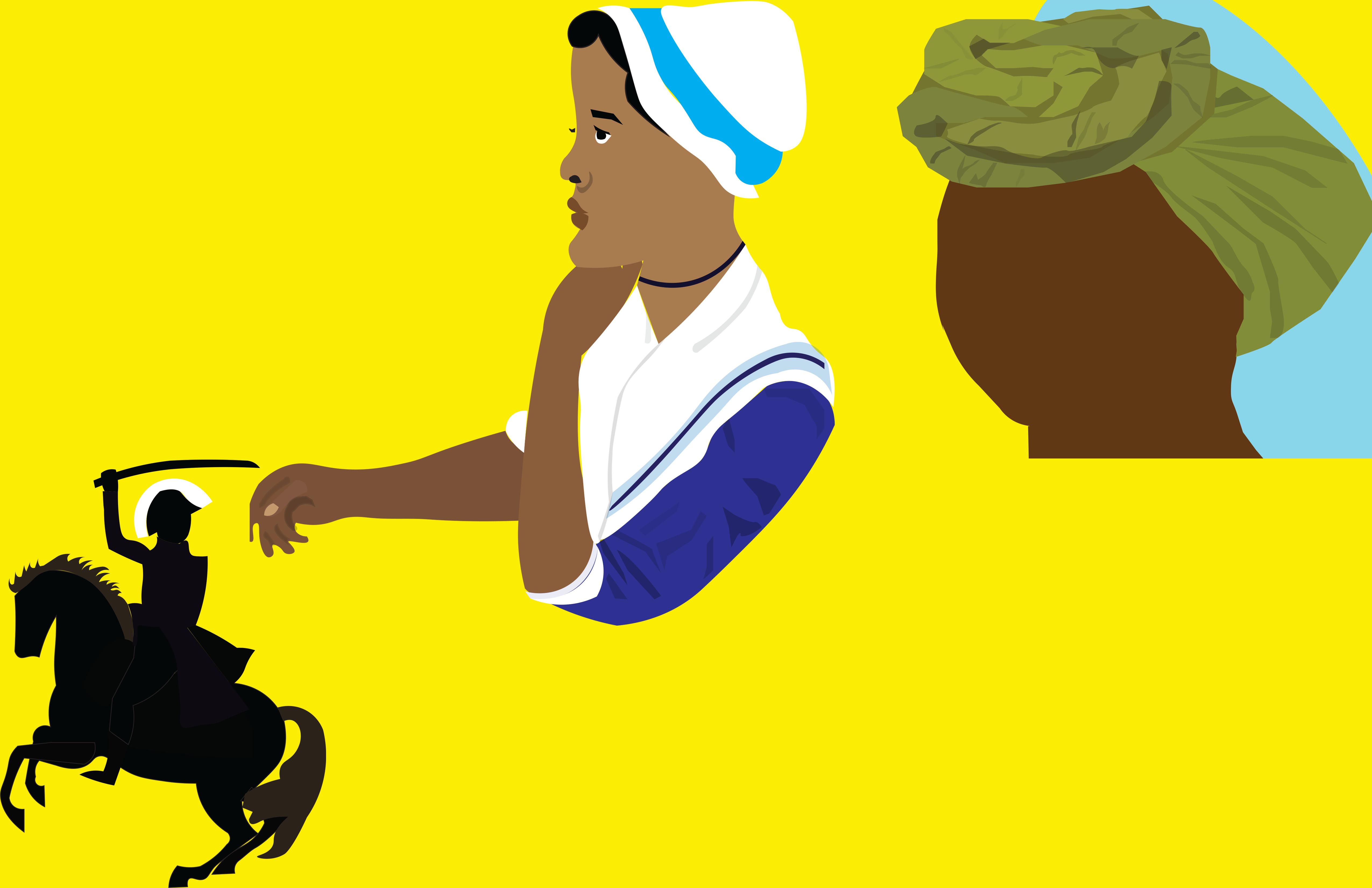
By the 1700 The institution of slavery reached around the world. Captured Africans were not passive about the institution. They fought where they stood. In 1786 Governor Don Estevan Miro of New Orleans passed the Tignon Law that stated all Creole women of color must tie up their hair and dress as in the slave class whether they are slave or free. In trying to limit the standards of beauty to this section of the population, they shaped the way women of color would react for centuries.
Haiti Revolution
The Haitian Revolution was a successful insurrection by self-liberated slaves against French colonial rule in Saint-Domingue, now the sovereign state of Haiti. The revolt began on 22 August 1791, and ended in 1804 with the former colony’s independence.
https://en.wikipedia.org/wiki/Haitian_Revolution
Phillis Wheatley
Phillis Wheatley Peters, also spelled Phyllis and Wheatly (c. 1753 – December 5, 1784) was an American author who is considered the first African-American author of a published book of poetry.[2][3] Born in West Africa, she was sold into slavery at the age of seven or eight and transported to North America, where she was bought by the Wheatley family of Boston. After she learned to read and write, they encouraged her poetry when they saw her talent.
https://en.wikipedia.org/wiki/Phillis_Wheatley
As you learn to rest, enjoy it. Relax. Don’t let this quiet time become cluttered with a list of things to do, the things you are worried about, or anything that causes you stress. Make sure this is a time of rejuvenation.
I love a Road Trip. But not as much as I did when I was younger. At my age the trip has to be very defined with reward stops along the way, such as a great restaurant for dinner. Or a historical monument along the way. There is a lot to see across this country. Make sure you hit the road this summer.




Anna Julia Haywood Cooper (1858-1964) was a writer, teacher, and activist who championed education for African Americans and women.
Born into bondage in 1858 in Raleigh, North Carolina, Anna Haywood married George A.G. Cooper, a teacher of theology at Saint Augustine’s, in 1877. When her husband died two years later, Cooper decided to pursue a college degree. She attended Oberlin College in Ohio on a scholarship, earning a BA in 1884 and a masters degree in mathematics in 1887. After graduation, Cooper worked at Wilberforce University and Saint Augustine’s before moving to Washington, D.C. to teach at Washington Colored High School. During her years as a teacher and principal at M Street High School, Cooper also completed her first book, titled A Voice from the South: By a Black Woman of the South, published in 1892, and delivered many speeches calling for civil rights and women’s rights.
On February 27, 1964, Cooper died in Washington, DC at the age of 105.

Tignon Law
By the 1700 The institution of slavery reached around the world. Captured Africans were not passive about the institution. They fought where they stood. In 1786 Governor Don Estevan Miro of New Orleans passed the Tignon Law that stated all Creole women of color must tie up their hair and dress as in the slave class whether they are slave or free. In trying to limit the standards of beauty to this section of the population, they shaped the way women of color would react for centuries.
Haiti Revolution
The Haitian Revolution was a successful insurrection by self-liberated slaves against French colonial rule in Saint-Domingue, now the sovereign state of Haiti. The revolt began on 22 August 1791, and ended in 1804 with the former colony’s independence.
https://en.wikipedia.org/wiki/Haitian_Revolution

For me it takes a mindset change to champion rest. I do have to schedule it and value the downtime. It does make a difference in my creative life.
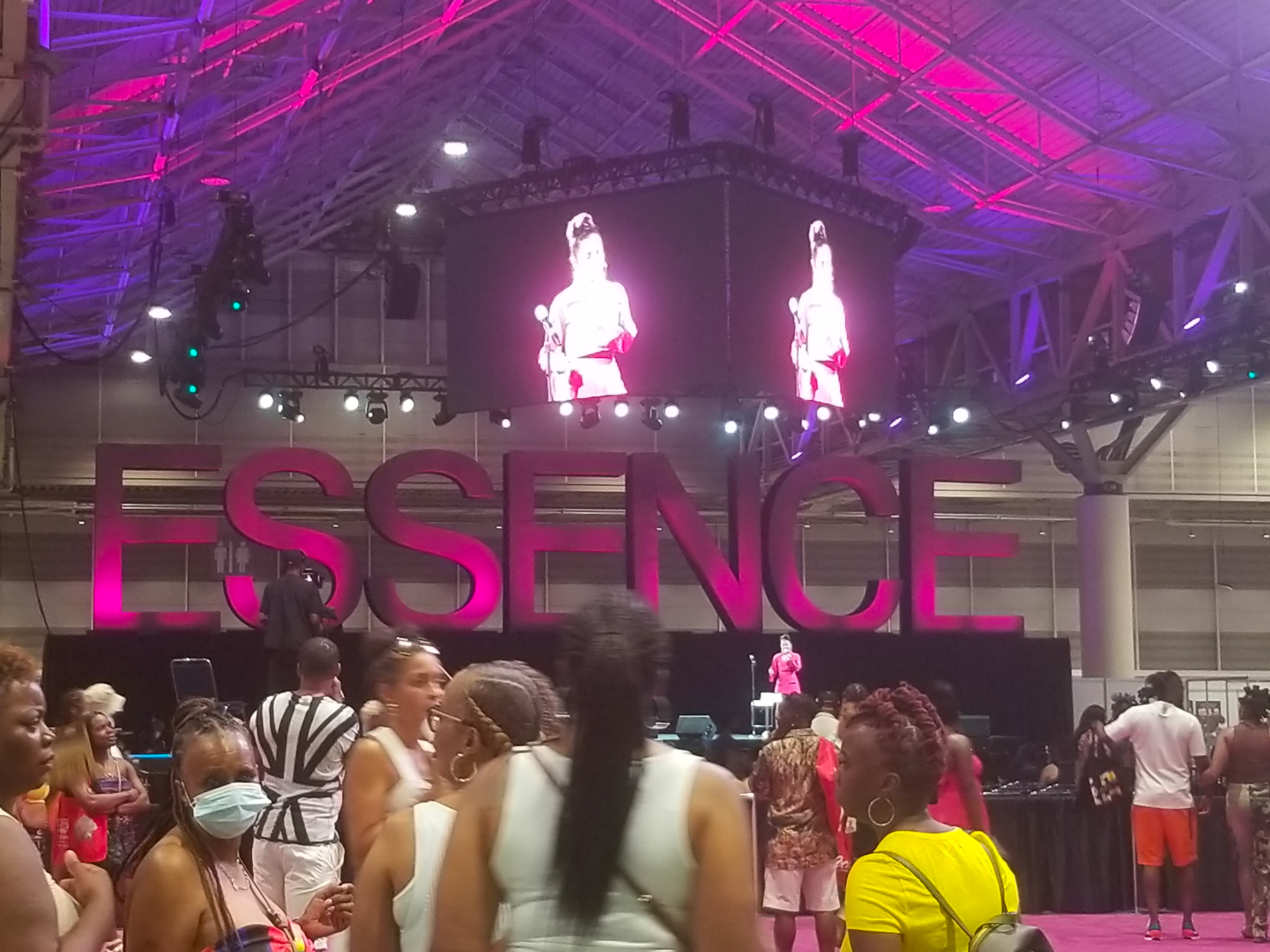
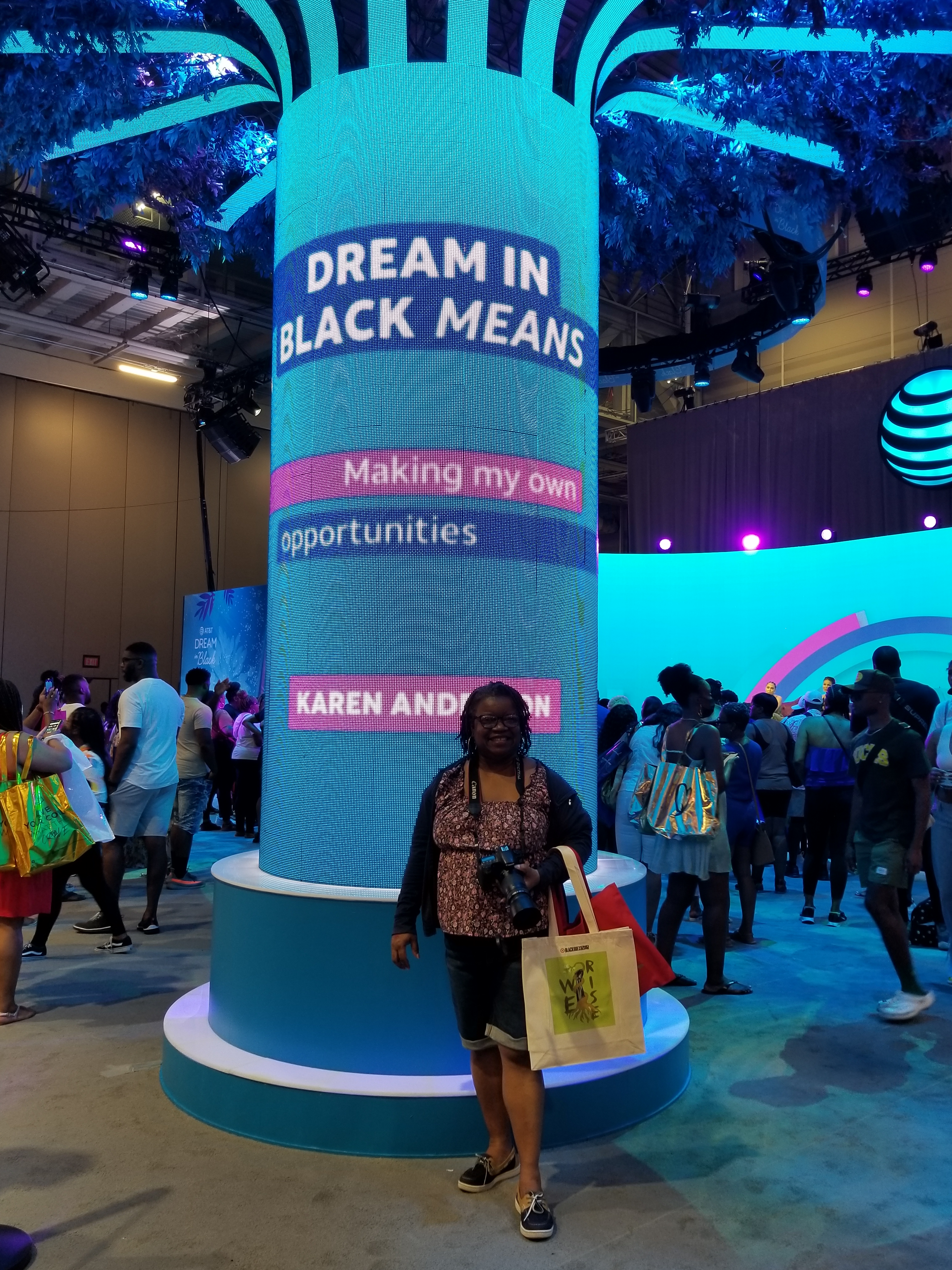
For the first time I went to the Essence Festival of Culture in New Orleans in 2022. It was such a great time and there was so much to do. My sister and I went to the Marketplace which was filled with speakers, companies that had booths about their products and so much more. We did not see most of what was available, but we know it is a world we want to continue to explore.

 UPP Creative Media