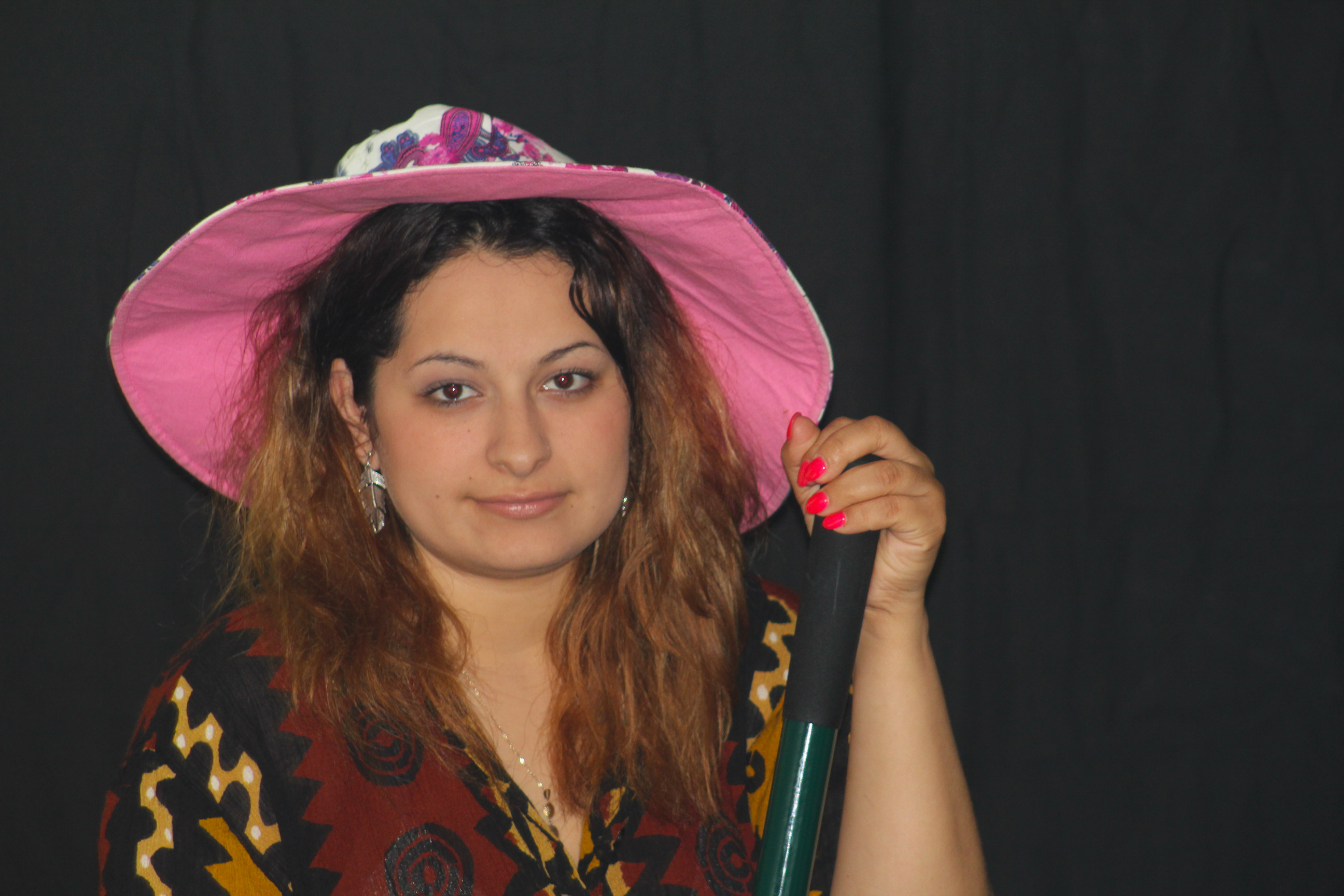
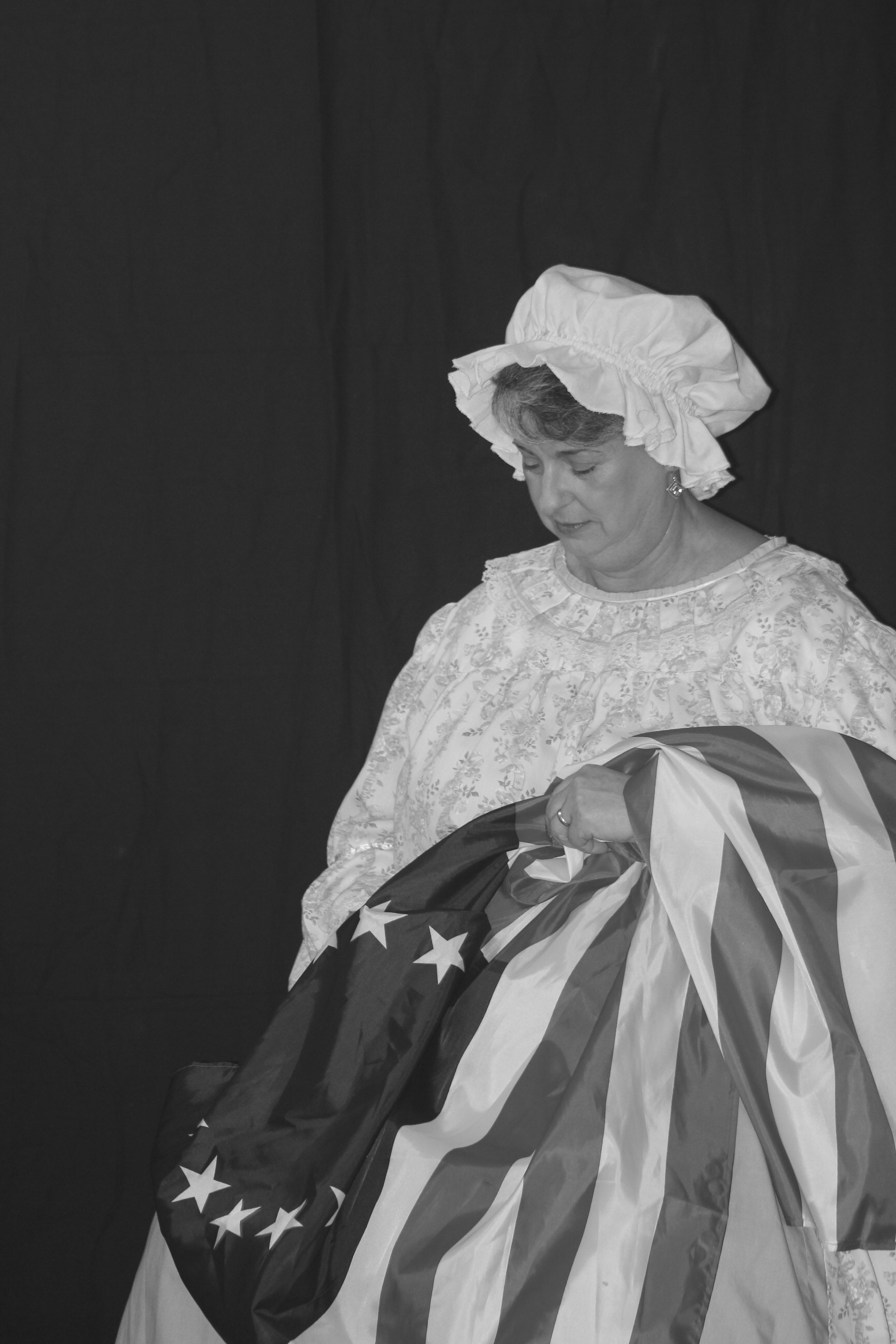
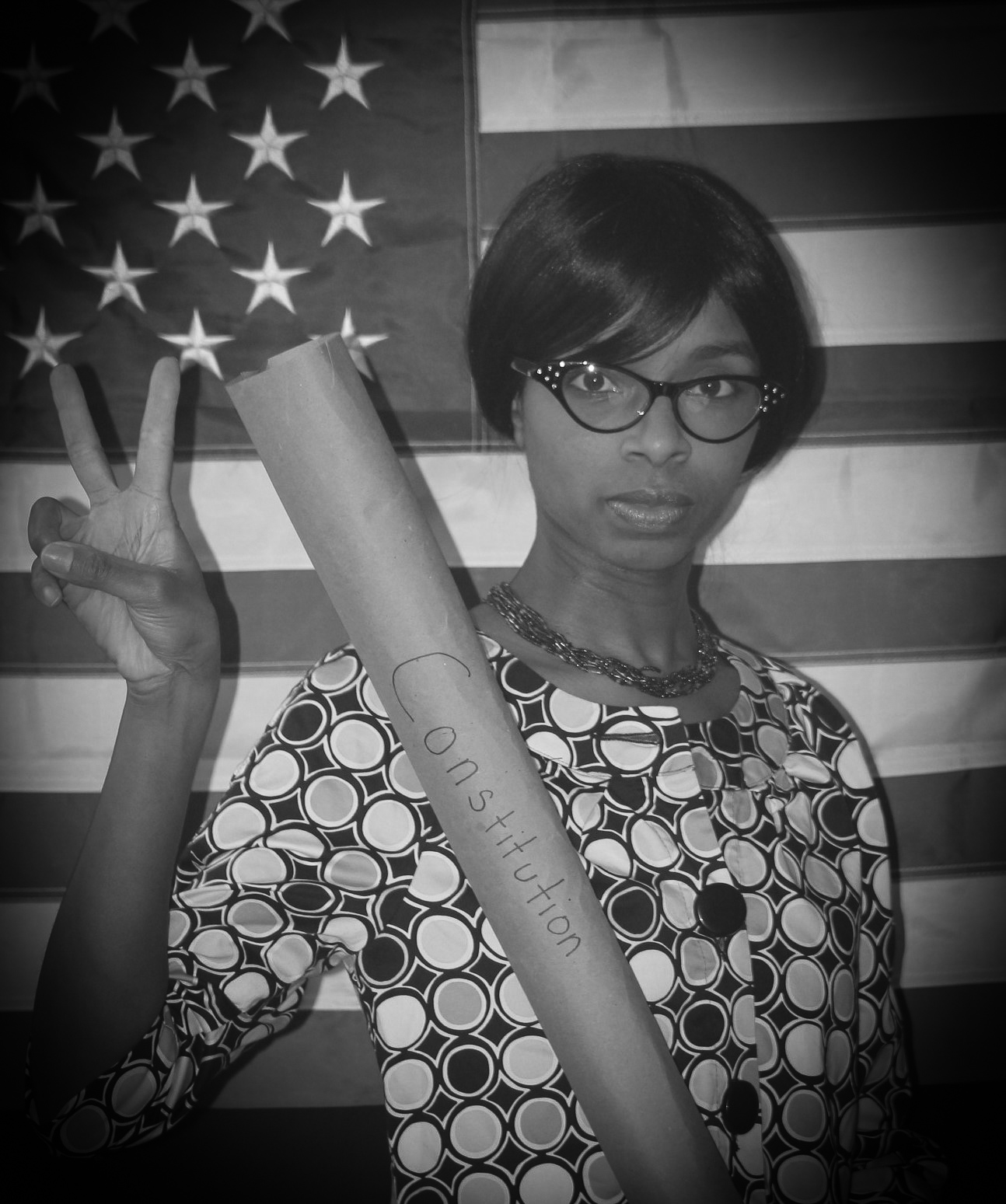
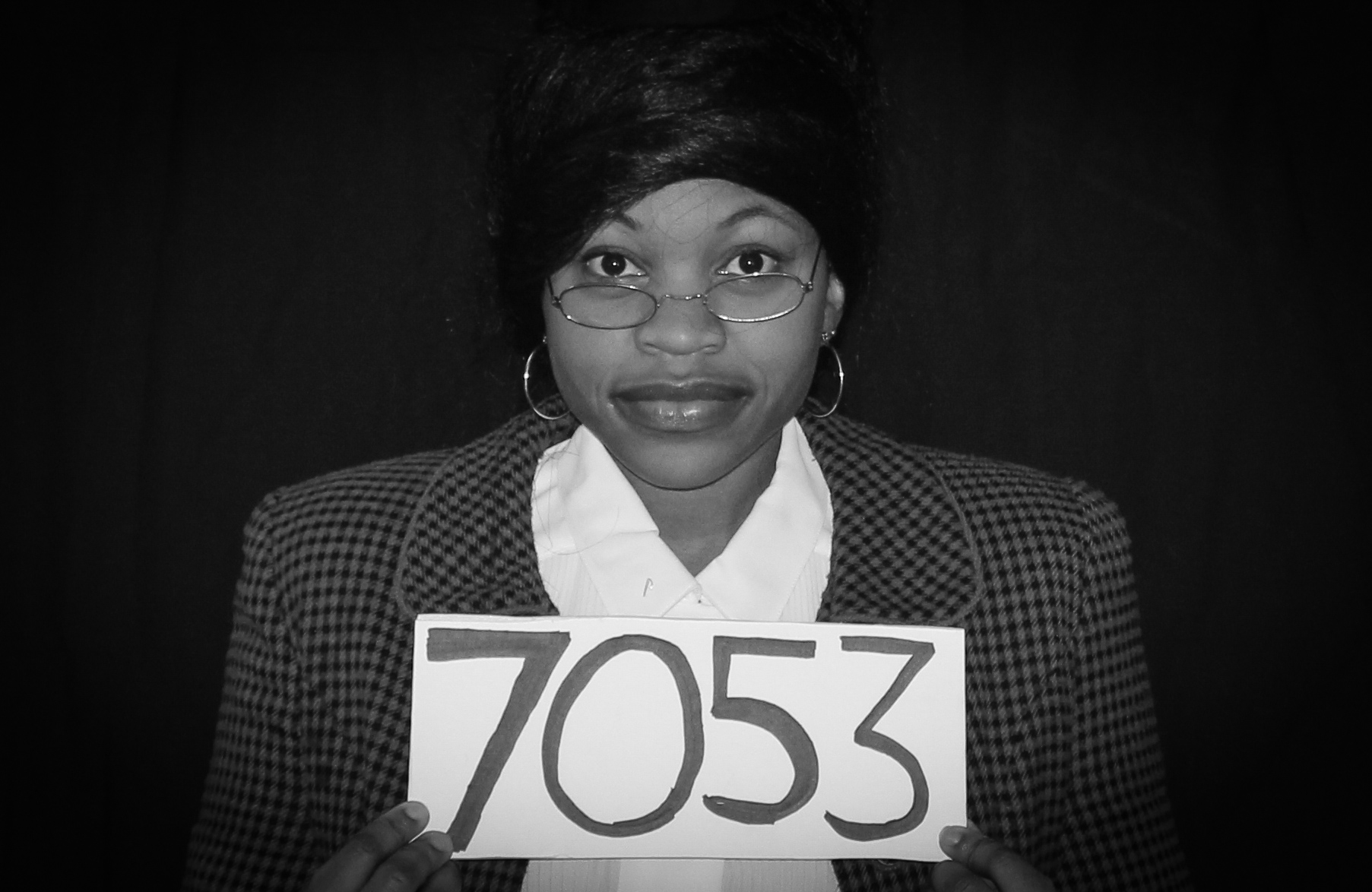
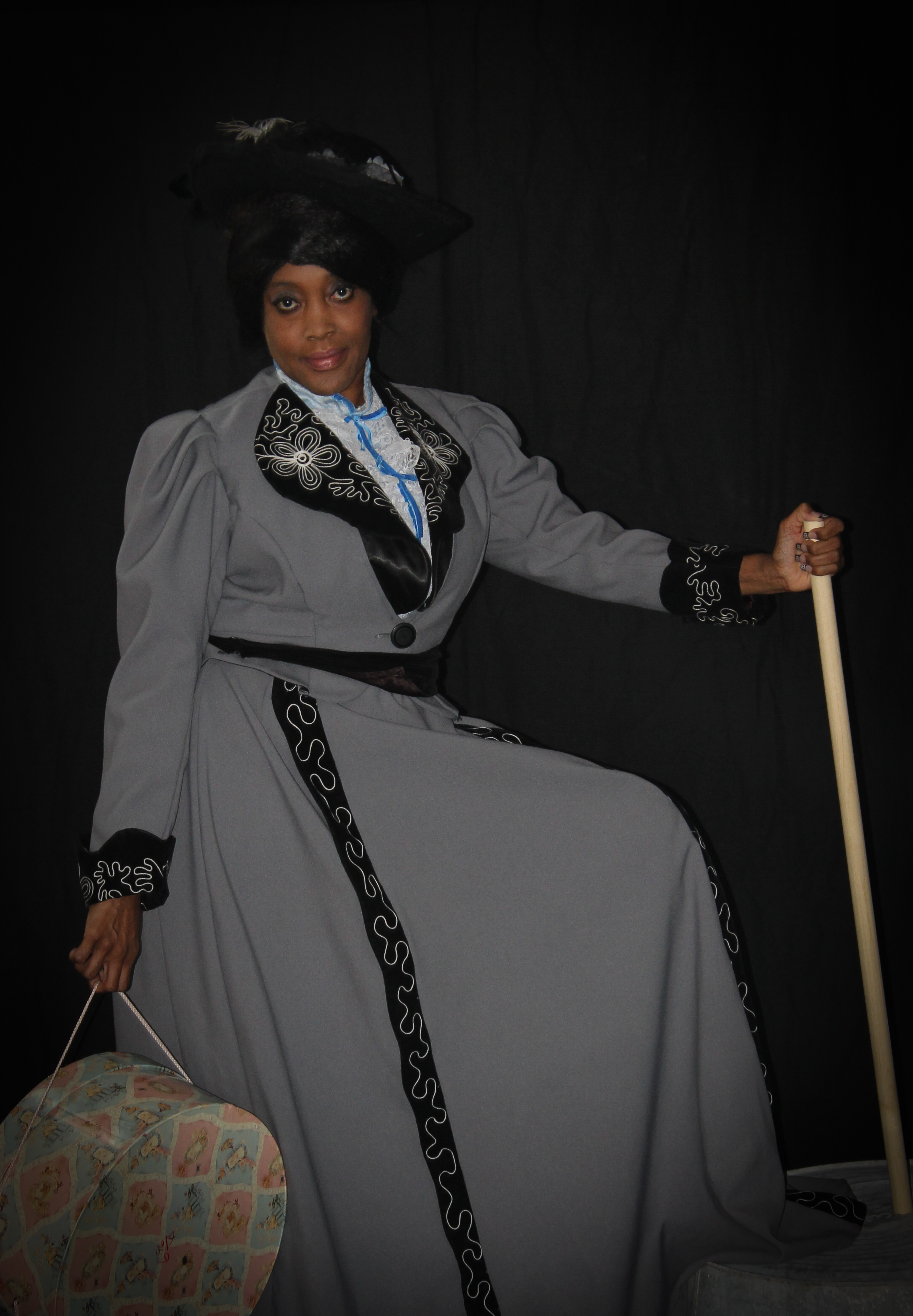
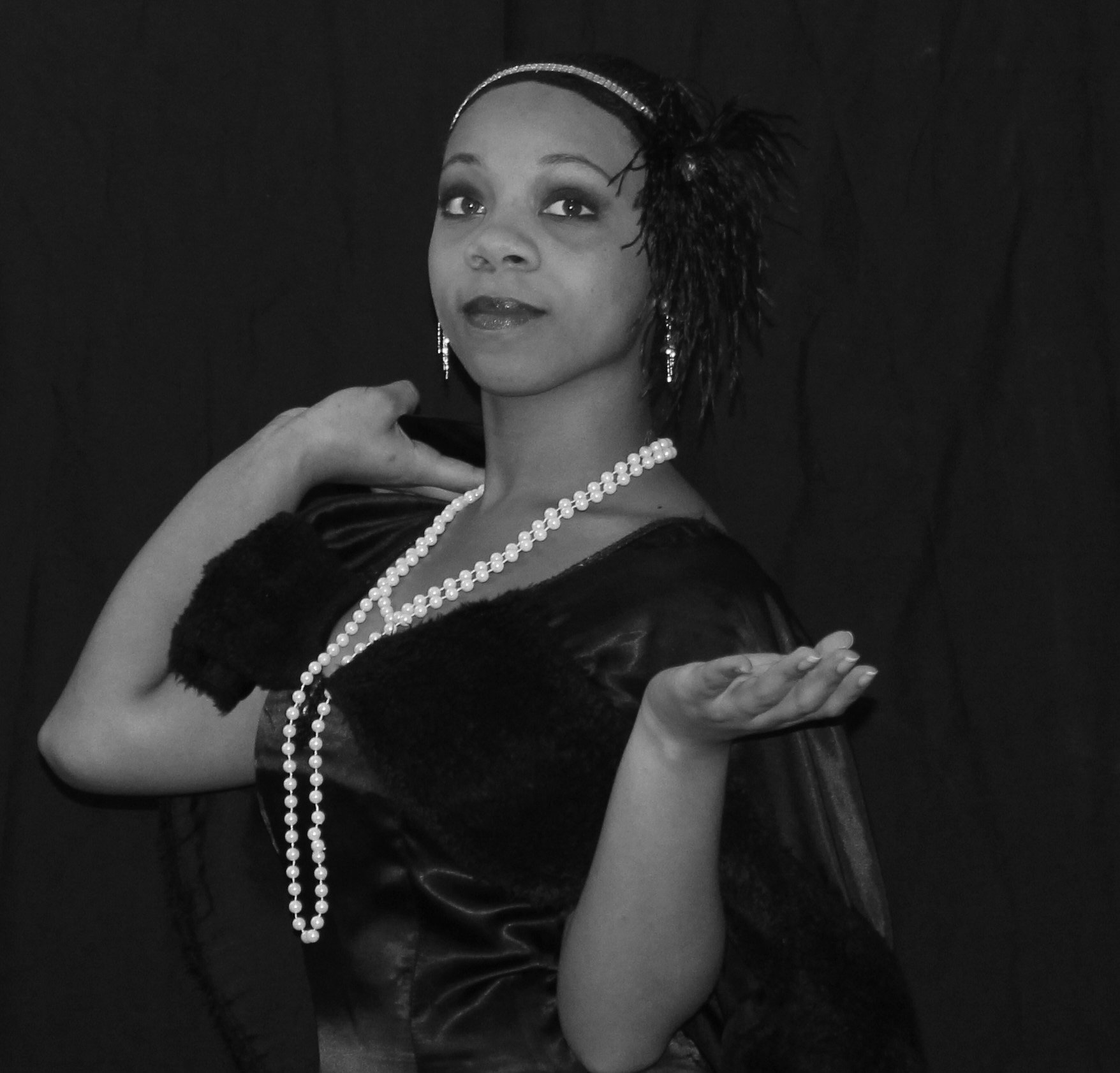
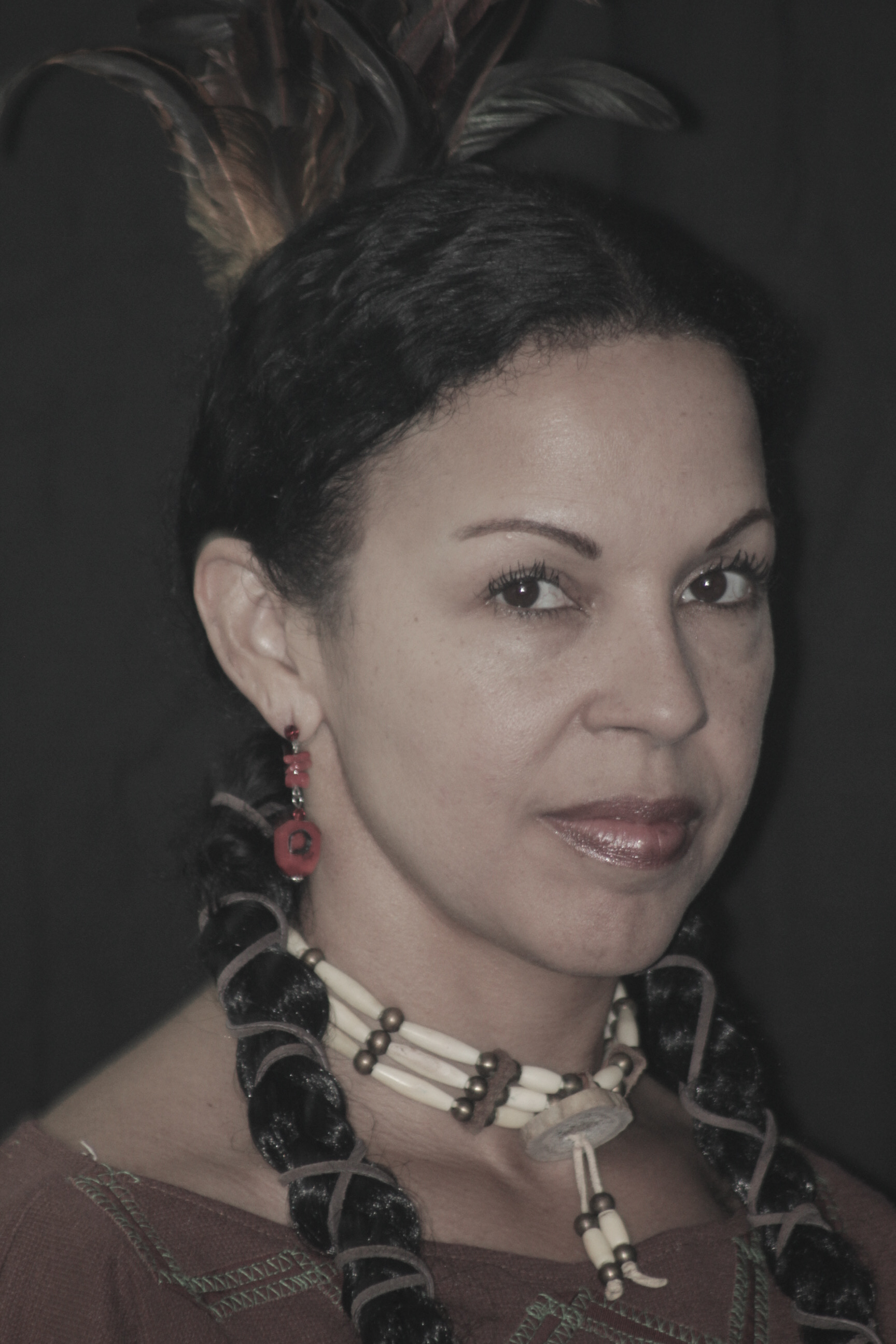
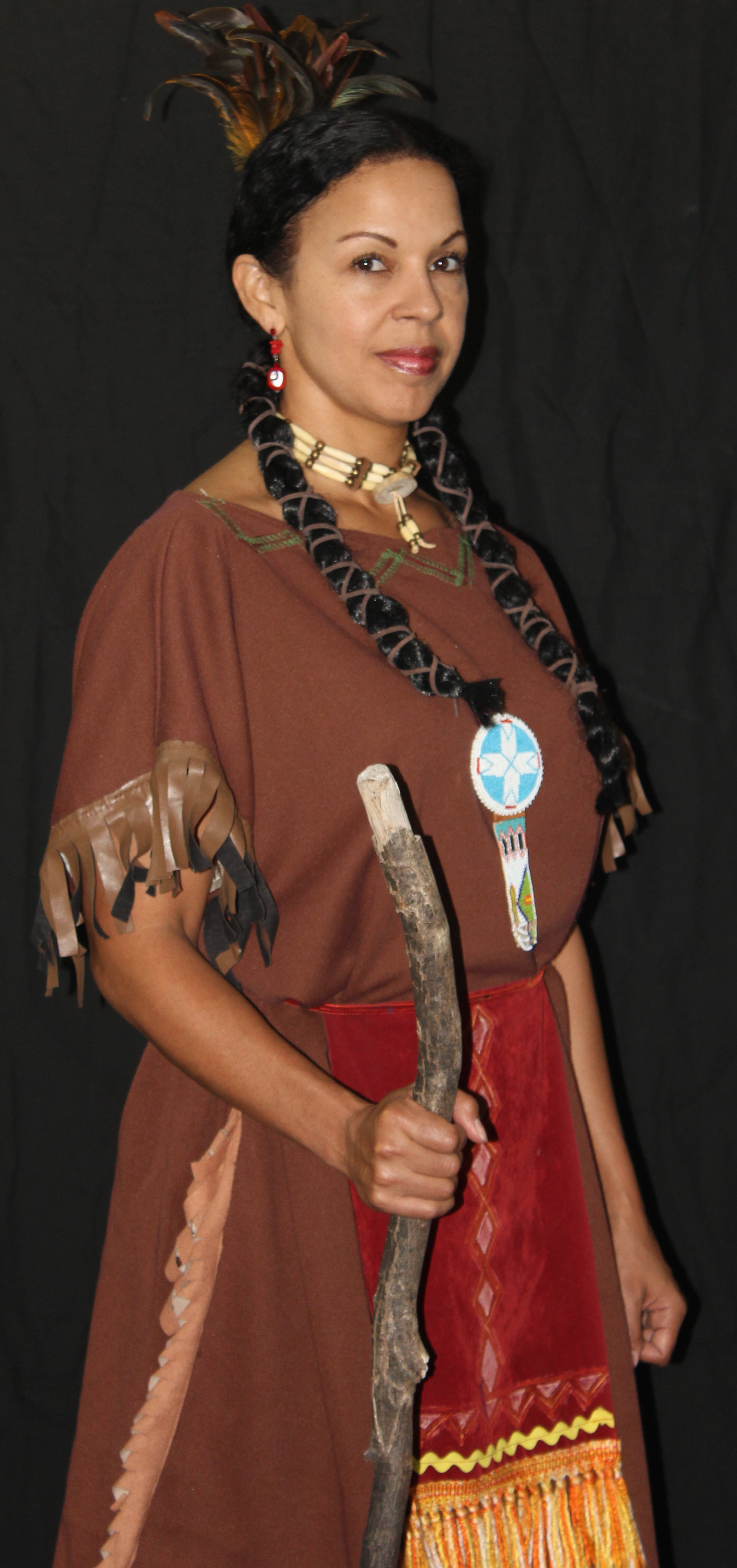
As we get to the end of Women’s History Month, let me remind you of all of the women I have honored in February and March. I did a creative photo shoot to honor some women who impacted the world around them. Sacagawea, Dolores Huerta, Betsy Ross, Shirley Chisholm, Rosa Parks, Madam CJ Walker and Bessie Smith.
Model Kerry McCormickModel Maricela OsorioModel Mary Jane Cardona LopezModel ShuRhonda MaysModel Porsha HarrisModel Byrolyn HillModel Alexandra Harper
An African American woman moved home to take care of her dying mother giving up the opportunity to experience a world beyond segregation. Zoraida Hughes Williams finds that some things have changed about her hometown of Fort Worth, Texas while some have stayed the same, like Hell’s Half Acre, an area where saloons, prostitution and gambling runs wild. Like most of the residents, she wants to keep her head down and stay away from trouble, but it comes in the unlikely form of an Anglo Baptist preacher. He messes up everything and almost gets them killed.
or Books2read.com which include Barnes & Noble, Apple, Indigo and more.
Sample Chapter
She had just picked up her first newspaper when she heard.
“Miss Zoraida Williams, you are looking lovely today.”
She turned to see the man who had rescued her at the train station on the day she first arrived. She could not remember his name, but she remembered his smile and his playful big brown eyes. He was a big dark skinned man with a solid build. He had on a nice pair of pants and a suit jacket that didn’t quite match it, but looked good on his build. He looked like a business man, not a farmer.
“Mister?”
“Andrew Forrest. My friends call me Drew.”
“I just want to thank you for your help the other day.”
When Zo arrived in Fort Worth off the train, she was confronted by a big smoky black colored man who the locals called Big Bull. He was notorious for meeting colored women who were fresh from the country and putting them to work in his prostitution houses. It had become an acceptable practice among the white and colored whore house establishments. He saw Zo at the train station and tried to grab her. Andrew Forrest interrupted Big Bull’s plans.
“Now Miss Zo, it is not safe for you to be walking about by yourself. You need to let me know when you need a ride. “
“Andrew, I can take care of myself. I am not as helpless as I look.”
“Girl, I know you ain’t helpless. I know your daddy.”
How many roles can an actor take on at the same time and still do a good job? The Sistas talk about if this is possible when they discuss Hacks and the legend in the role.
Remember when you were grown and gone and thought you knew everything? Then you realized there was some stuff you didn’t know, but was too proud to ask anyone who really knew. You survived but realized that there was a lot of things you didn’t know.
Some areas can trace the history back 350,000 years ago.
Even though much of the history has not been documented in traditional methods, stereotypes of African societies have been destroyed showing vibrant societies that functioned almost better than European ones.
We have seen evidence of ambassadors sent from the Kingdoms of the Kongo, Senegambia, Benin, Dahomey and more to Europe and other parts of the world.
In addition to representing their kingdoms, the people developed technologies, such as rice growing which contributed to world economies especially in Brazil and the southern part of the United States.
The healing practices from Dahomey and Angola were taken to Brazil and the Caribbean.
This month we show respect for the Golden Age of West Africa which coincides with Medieval Period in Europe. While many African kingdoms were powerful in the gold trade, others through making cloth. Some kingdoms had so much gold that when they went to trade it in the Middle East or Europe, they would go home with a third of the gold they brought because there was nothing left to buy.
There were ups and downs in agriculture, but the people were learning how to grow food during rainy seasons or drought.
Some of the great kingdoms and empires in the Senegambia region. The Ghana Empire, Mali Empire, Songhai Empire, Jolog Empire, Kaabu Empire, Kingdoms of Sine, Saloum, Baol, Waalo and Takrur.
This image shows the fertile land with rice fields, but that ship in the distant is bringing trouble.
Sacagawea was born about May1788 and was a Lemhi Shoshone woman who, at age 16, helped the Lewis and Clark Expedition explore the Louisiana Territory. Sacagawea traveled with the expedition thousands of miles from North Dakota to the Pacific Ocean, helping to establish cultural contacts with Native American populations and contributing to the expedition’s knowledge of natural history in different regions.
At age 11, she was taken from her home tribe, the Shoshone by the Hidatsa people where when she was older she became the wife of Toussaint Charbonneau, a French trader.
Lewis and Clark hired Toussaint Charbonneau after learning that his wife, Sacagawea, spoke Shoshone. She was pregnant with her first child at the time.
On November 4, 1804, Clark recorded in his journal.
A week later, on July 13, Sacagawea advised Clark to cross into the Yellowstone River basin at what is now known as Bozeman Pass. Later, this was chosen as the optimal route for the Northern Pacific Railway to cross the continental divide.
While Sacagawea has been depicted as a guide for the expedition, she is recorded as providing direction in only a few instances. Her work as an interpreter certainly helped the party to negotiate with the Shoshone.
But her greatest value to the mission may have been her presence during the arduous journey, as having a woman and infant accompany them demonstrated the peaceful intent of the expedition. While traveling through what is now Franklin County, Washington, in October 1805, Clark noted that “the wife of Shabono [Charbonneau] our interpreter, we find reconciles all the Indians, as to our friendly intentions a woman with a party of men is a token of peace. Further he wrote that she “confirmed those people of our friendly intentions, as no woman ever accompanies a war party of Indians in this quarter”
Following the expedition, Charbonneau and Sacagawea spent 3 years among the Hidatsa before accepting William Clark’s invitation to settle in St. Louis, Missouri, in 1809. They entrusted Jean-Baptiste’s education to Clark, who enrolled the young man in the Saint Louis Academy boarding school. Sacagawea gave birth to a daughter, Lizette Charbonneau, about 1812. Lizette was identified as a year-old girl in adoption papers in 1813 recognizing William Clark, who also adopted her older brother that year.







 UPP Creative Media