
Hello March
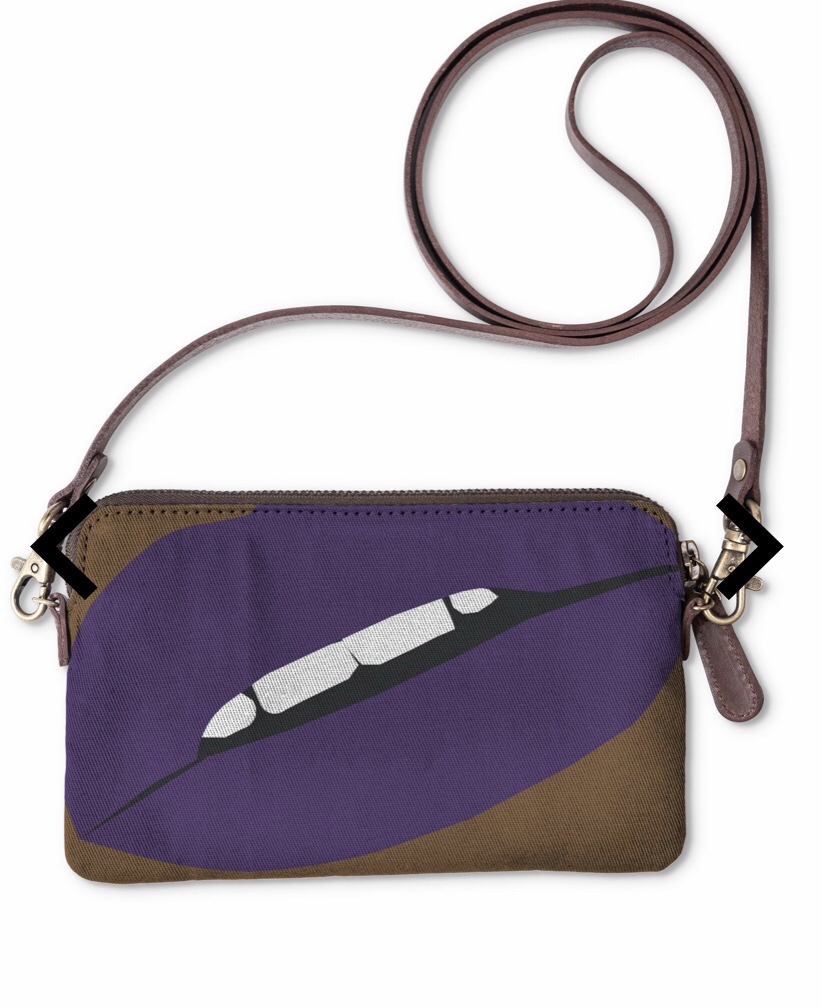
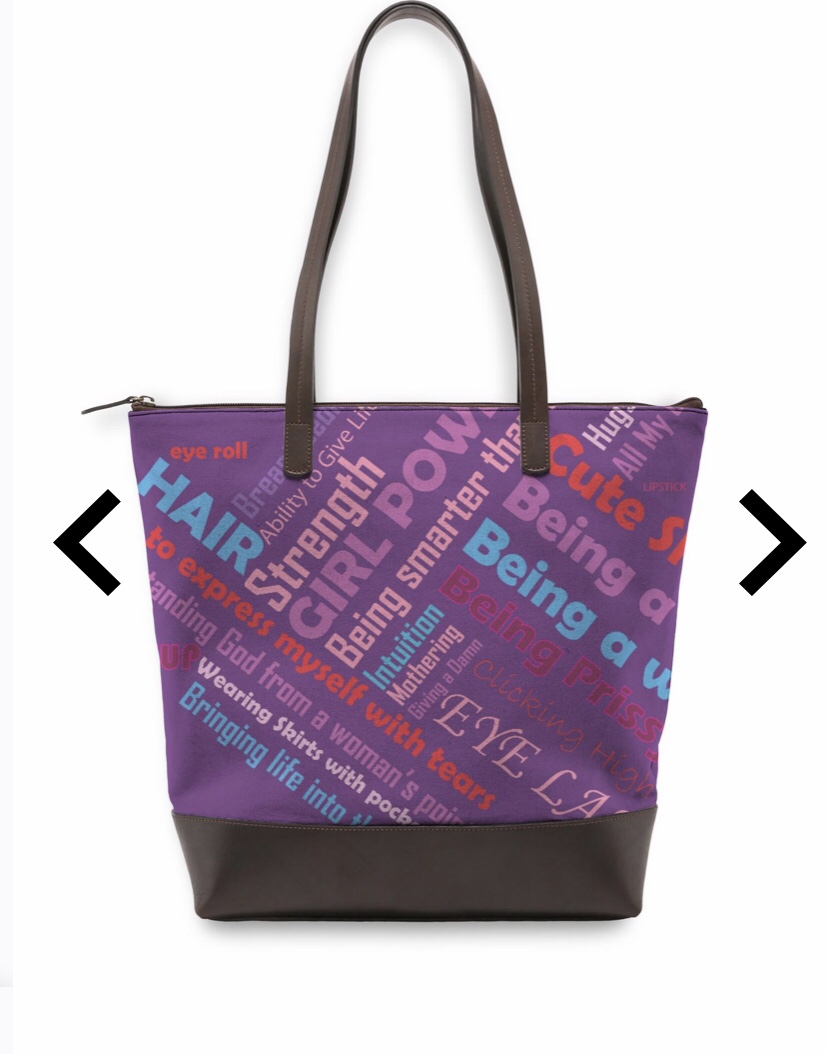
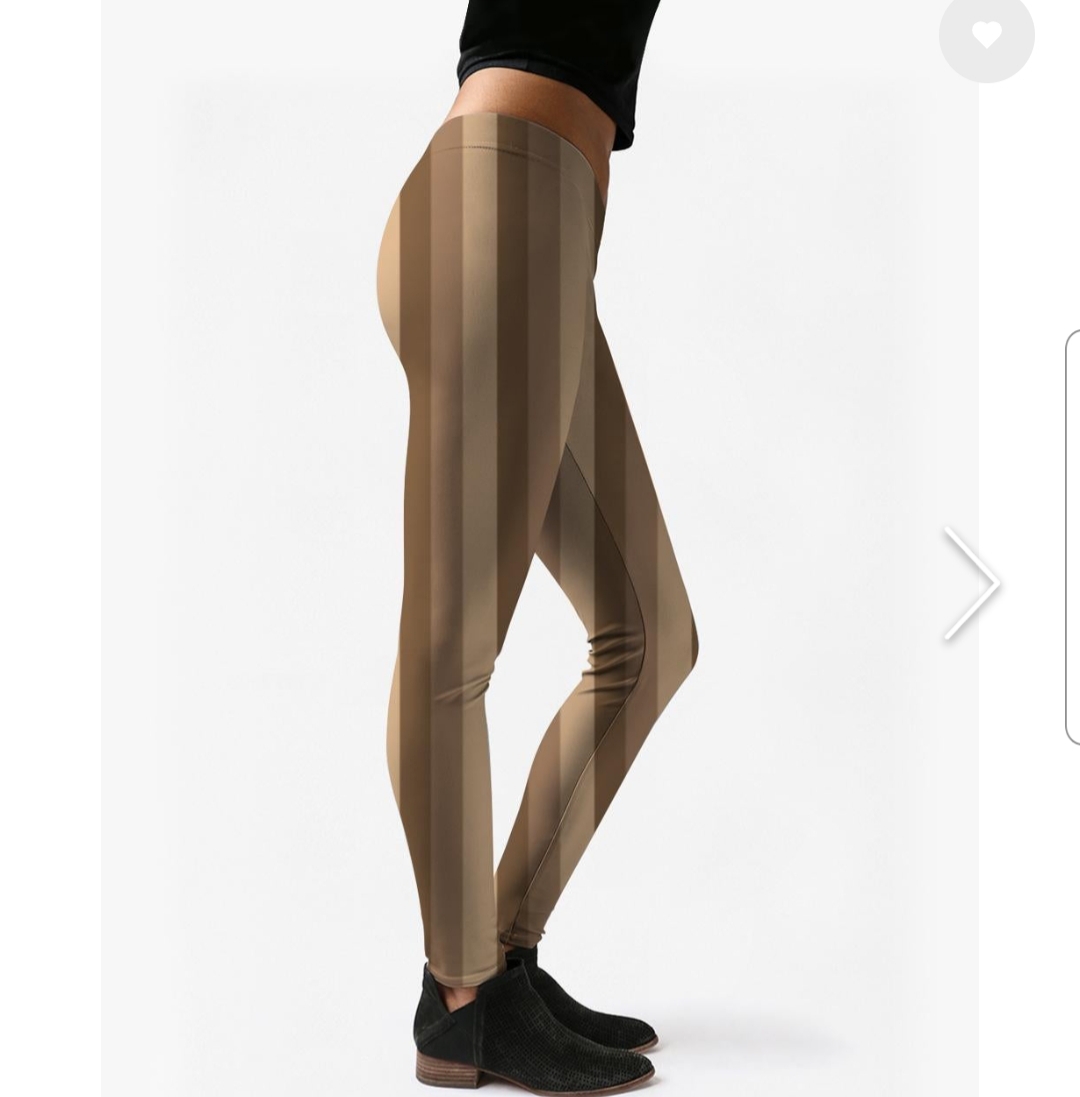
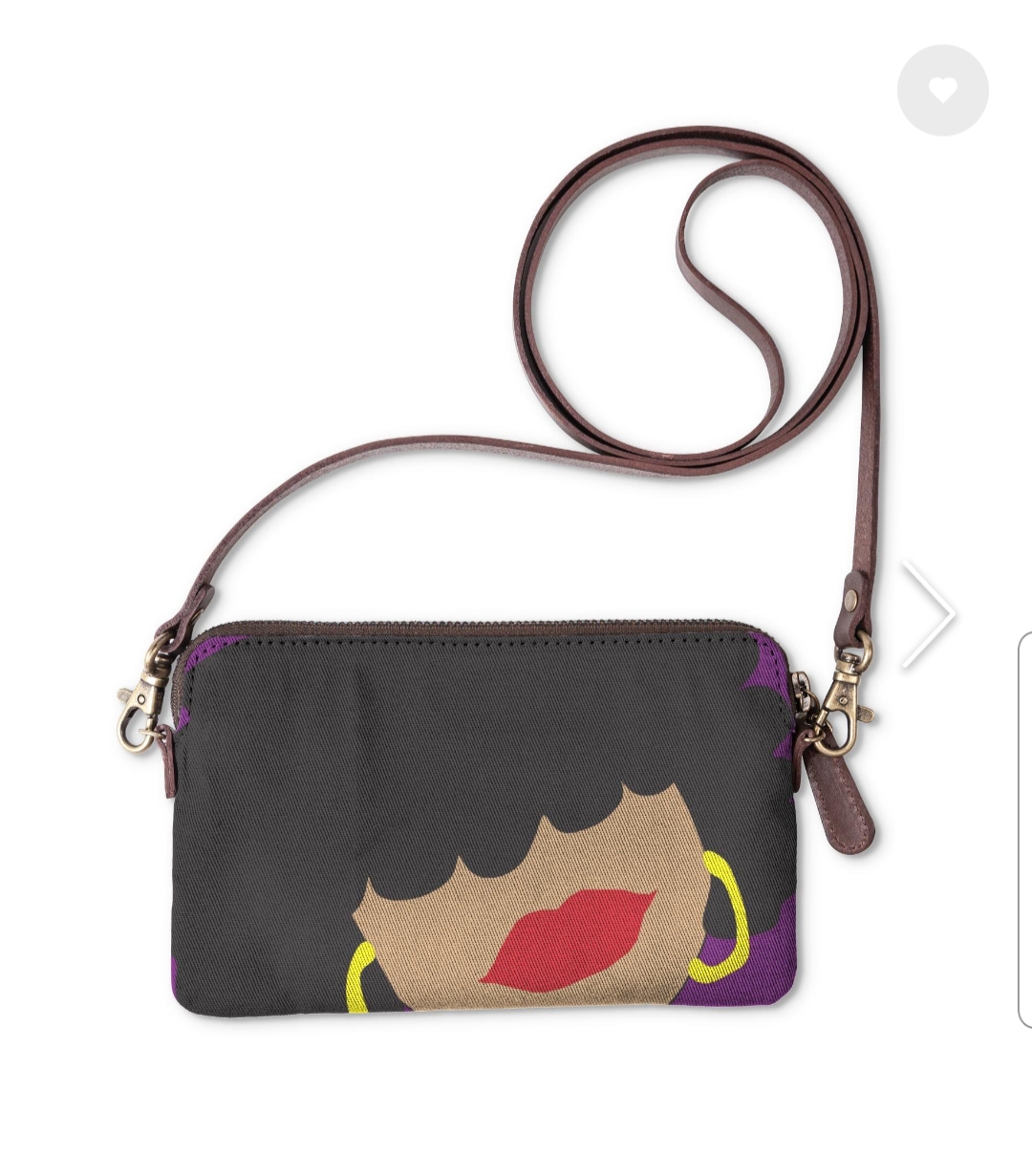
Some of my artwork is available on essential items. There are several patterns that have a deeper meaning. The purple circles remind us of God’s word that He knows the plans He has for us. We are different sizes and different shades, but all with purpose.













In this latest episode the Sistas discuss two shows that examine food and what they teach us.
Episode 5 What’s for Dinner?

I don’t want to live in a society where obnoxious uncaring people rule through greed and self ambition. Yes, it probably sounds like a broken record, but I will keep on saying it. And I am going to live like I believe it, which means calling out bad behavior.
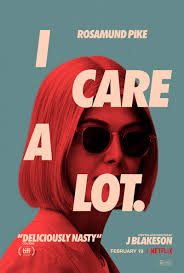
I don’t even know how some of this crap gets financed. I Care A Lot is one of those movies. A greedy uncaring woman cons older people out of their assets by gaining guardianship over them. Other greedy people help her place unsuspecting seniors in nursing homes while she takes and sells their property. In this movie she does it to the wrong person.
The acting was very effective because I hated all of the characters. Only reason I finished it was my other sister said to watch it all the way to the end. I literally wanted all of the people in this movie to die, except the older woman who had been tricked out of her property. I was disappointed. Built to be funny, I seldom see the humor in letting the bad guys win. After four years of Trumpism, I am done with bullies.
As a society, if we do not value what the older people have experienced we are doomed to repeat it.
It is time to stop championing stories that let the bad guys win or make them a hero. Clearly, it is wrong to steal someone else’s property. Times are rough when you have to say simple truths. It is wrong to misrepresent them in court. It is not harmless or cute to claim something is true when it is really false.
We have to stop making the person who mistreats others the apple of our eye. These jokers are not good leaders, and usually leave carnage behind. We can’t wait until it happens to us to be against this. It should start with the movies we watch and support. I Care A Lot lacks any redeeming value. Lets not tell stories where abusers win.
Feel The Beat has some redeeming qualities because the obnoxious lead character in this movie actually has a change of heart. In this film, we watch a selfish mean spirited dancer find herself as she tries to use some children to achieve her goals. Again it is an attempt at humor, but some of it is lost in the meanness.
The trouble is we have been through too much to allow any level of meanness.
The movie is upbeat, with fun children, and lots of dancing. We watch young girls in a small town learn to love to dance. The romantic story is weak, but it is more about dancing than romance.
I didn’t feel like I had wasted hours of my life for watching it.

Fill in the Gap Magazine is designed to tell stories that matter. In the 2020 Issue, Crystal Singleton Patton explains how she taught her school aged children about racism.

She has always been more than a color. She is black, brilliant and beautiful. She is not limited by hair, makeup or clothing. Her beauty comes from within. It changes everything.
You can purchase this shirt or masks Black Brilliant Beautiful


In 2021 the art series with examine moments in African American history in an attempt to UNERASE our past.
Historically the myth teaches us that Africans were brought to the Americas and taught a skill. It had us believing that the Africans were untrained labor dependent on European knowledge.
According to Toby Green in Fistful of Shells, when Europeans landed on the African continent, they were amazed at the crops the natives produced. The tribes had been trading in the Middle East for centuries. Europeans recognized the skills how well the tribes cultivated the earth around them.
Instead of creating deals to share information and wealth, these sinister Europeans bartered with tribes to steal the individuals who could cultivate fields on foreign soil. They would take these tribal skills and make themselves rich while depriving the people who did the work any of the wealth or benefit from it.
They would transport people from the African coasts to the Americas and grow crops of sugar, rice, and later cotton, peanuts and so much more.


It is the thing. One day it will be become your best asset. You will do whatever it takes to keep it. It will be worth it.

Hungry? Dive into this episode where the Sistas take on an issue they love: food. There are lots of shows about food, but there are two that give you more than just delicious dishes.
Episode 5 What’s For Dinner?

 UPP Creative Media