
Hello Spring
Even when it feels like you should give up, there is no way to win, stay with it. Be persistent. Galatians 6:9 reminds us that we are not to become weary in doing good, because we will reap a harvest if we do not give up. Trust God. Keep going.

Come visit me today. There is something for everyone.

This movie is described as “A police detective, a bank robber and a high-power broker enter high stakes negotiations after a criminal’s brilliant heist spirals into a hostage situation.” Listen to see how the sistas feel about this and if it is a great movie.
Listen Episode 2

Explore the world of African American history and culture through my creative expression in art. From stunning abstract pieces to detailed portraits, each work reflects my passion for storytelling and the beauty of human experience. Whether you’re an art collector or someone looking to add a unique piece to your home, you’re sure to find something that speaks to you here.
I invite you to browse, enjoy, and find that perfect piece that resonates with your soul. Feel free to reach out for any custom requests or inquiries. Thank you for supporting my art!
Browse ARTPAL

Ida Bell Wells-Barnett was an American investigative journalist, educator, and early leader in the civil rights movement. She was one of the founders of the National Association for the Advancement of Colored People (NAACP) Wells dedicated her career to combating prejudice and violence, and advocating for African-American equality—especially that of women.
Wells was born into slavery in Holly Springs, Mississippi on July 26, 1862. At the age of 16, she lost both her parents and her infant brother in the 1878 yellow fever epidemic. She went to work and kept the rest of the family together with the help of her grandmother. Later, moving with some of her siblings to Memphis, Tennessee, Wells found better pay as a teacher.
Wells co-owned and wrote for the Memphis Free Speech and Headlight newspaper, where her reporting covered incidents of racial segregation and inequality. Subjected to continued threats and criminal violence, including when a white mob destroyed her newspaper office and presses, Wells left Memphis for Chicago, Illinois.
Even though she moved, it didn’t stop her from documenting the lynchings of African Americans exposing the brutality and analyzing the sociology. She was outspoken in the women’s rights and civil rights movement. In 2020, she was posthumously honored with a Pulitzer Prize special citation for her work reporting on violence against African Americans.
A story is reported that Wells went to lunch with Frederick Douglass, in a place she never thought would let her in. Yet, Douglass showed it was possible to eat in a White only restaurant.
In addition to working in educational facilities and women’s clubs, she also worked on the women’s suffrage movement. She often would challenge the Caucasian women for not speaking out against lynching when they were talking about women’s rights. She travelled to Europe speaking about lynching and women’s rights. She wrote an expose on the 1893 World’s Columbian Exposition in Chicago because it did not reflect African American life. She wrote investigative reports for the Chicago Defender and helped fight for worker’s rights for African American workers.
She loved her children and her husband, Ferdinand Lee Barnett. She spent a lot of time trying to balance her work life of traveling and speaking with raising her children. She died March 25, 1931.
https://en.wikipedia.org/wiki/Ida_B._Wells
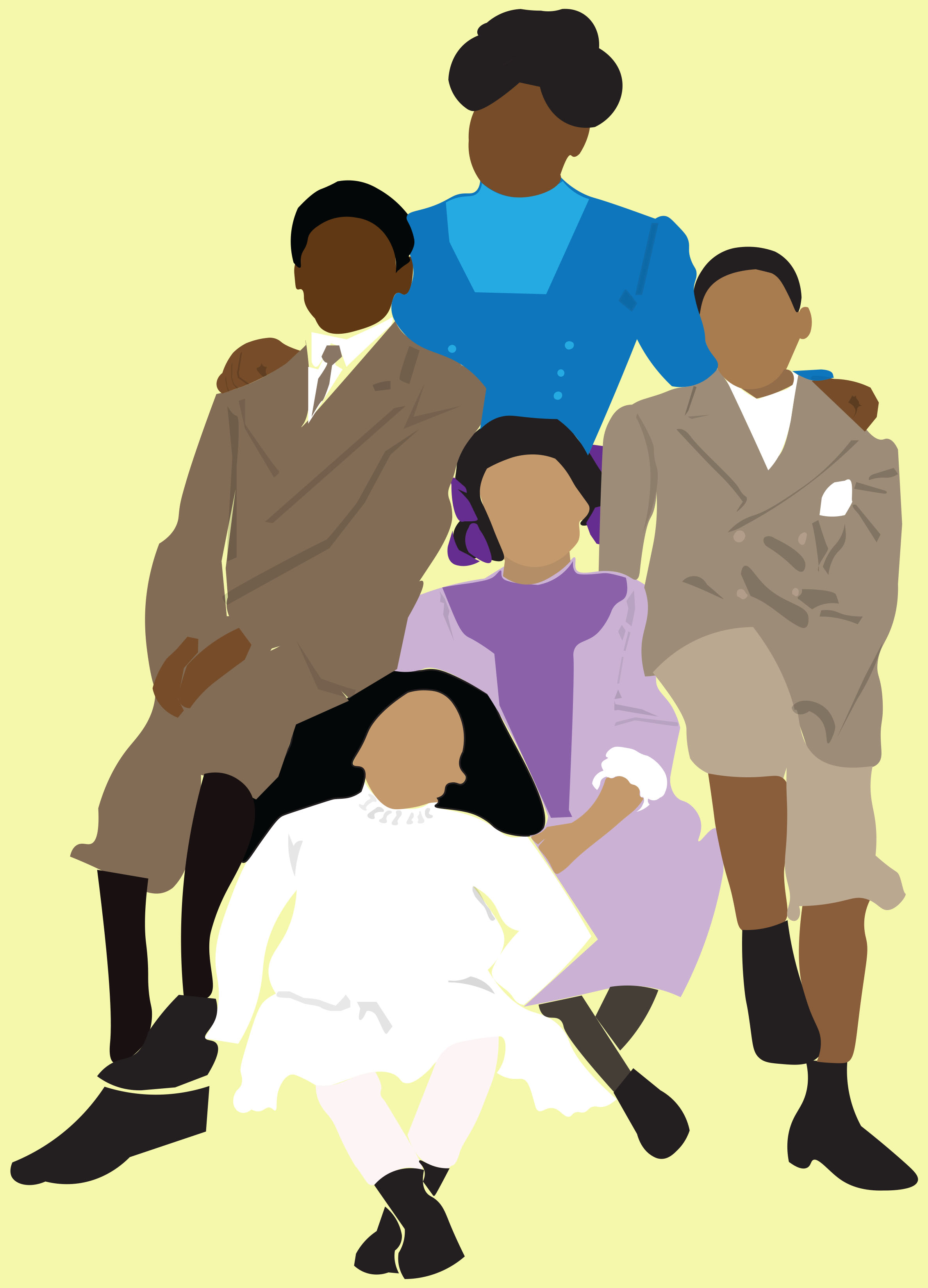
Persistence is your inner strength that moves you forward no matter the obstacle. It is the steadfast commitment to the journey. It is the unyielding pursuit of the thing. Ida B Wells Barnett was an example of this. She pursued the desire to tell the story of her people and their search for justice. She wrote for a newspaper. She taught students. She founded organizations that fought for civil rights. She was unyielding in her pursuit.
In Season Seven we talk about the best African American Movies Ever. We tried to cover several genres.
Listen Episode 2
Ida Bell Wells-Barnett was an American investigative journalist, educator, and early leader in the civil rights movement. She was one of the founders of the National Association for the Advancement of Colored People (NAACP) Wells dedicated her career to combating prejudice and violence, and advocating for African-American equality—especially that of women.
Wells was born into slavery in Holly Springs, Mississippi on July 26, 1862. At the age of 16, she lost both her parents and her infant brother in the 1878 yellow fever epidemic. She went to work and kept the rest of the family together with the help of her grandmother. Later, moving with some of her siblings to Memphis, Tennessee, Wells found better pay as a teacher.
Wells co-owned and wrote for the Memphis Free Speech and Headlight newspaper, where her reporting covered incidents of racial segregation and inequality. Subjected to continued threats and criminal violence, including when a white mob destroyed her newspaper office and presses, Wells left Memphis for Chicago, Illinois.
Even though she moved, it didn’t stop her from documenting the lynchings of African Americans exposing the brutality and analyzing the sociology. She was outspoken in the women’s rights and civil rights movement. In 2020, she was posthumously honored with a Pulitzer Prize special citation for her work reporting on violence against African Americans.
A story is reported that Wells went to lunch with Frederick Douglass, in a place she never thought would let her in. Yet, Douglass showed it was possible to eat in a White only restaurant.
In addition to working in educational facilities and women’s clubs, she also worked on the women’s suffrage movement. She often would challenge the Caucasian women for not speaking out against lynching when they were talking about women’s rights. She travelled to Europe speaking about lynching and women’s rights. She wrote an expose on the 1893 World’s Columbian Exposition in Chicago because it did not reflect African American life. She wrote investigative reports for the Chicago Defender and helped fight for worker’s rights for African American workers.
She loved her children and her husband, Ferdinand Lee Barnett. She spent a lot of time trying to balance her work life of traveling and speaking with raising her children. She died March 25, 1931.
 UPP Creative Media