“Peace, Love and Crime Fighting! 1970 brought us some of the hippest, coolest crime fighters in the hottest threads! They kept the streets crime free and dazzled all the foxy ladies” or at least that is what the Sistas thought. Listen to this episode to find out who these great crime fighters were.
In a country where murder is usually very violent and action packed, the Sistas find a new type of murder. The weapons were not always a gun or knife nor was the crime always obvious. The Sistas have found some new shows that are very intriguing.
Season 3 is about the genre the Sistas love the most. Murder and Mayhem. This season they will take on all of the aspects of the Murder Mystery and how it has been told.
In Episode 1, the Sistas examine the ones who have portrayed the greatest detective of them all: Sherlock Holmes. The story has been told in many ways over the years. Was it all good? Listen to what they think.
I mean did you see the fella come from FIFTH place and win the gold medal in swimming? Bobby Finke blew everyone’s mind when he surged ahead in the 800m and won with the gold medal. One commentator said she looked away for 20 seconds and everything changed. Finke said he didn’t expect to win, according to USA Today.
I admit the commentators are annoying, so I mute is my music for many of the races. But even I was stunned at that race because I was watching and went “what the heck?”
I love watching the swimming races and hearing the stories of the athletes. I love that there are cameras on the bottom of the pool so that you can watch their form. These people obviously spend years perfecting their swimming form.
In these times of competition you get to see great moments.
This summer’s Olympics is filled with more drama than any high rated television drama. The year 2021 is living up to it’s little sister’s (2020) reputation. Everyday I wonder which athlete is going to be taken from the competition because of COVID-19. Each day the number grows. I hope my favorites don’t get caught in it.
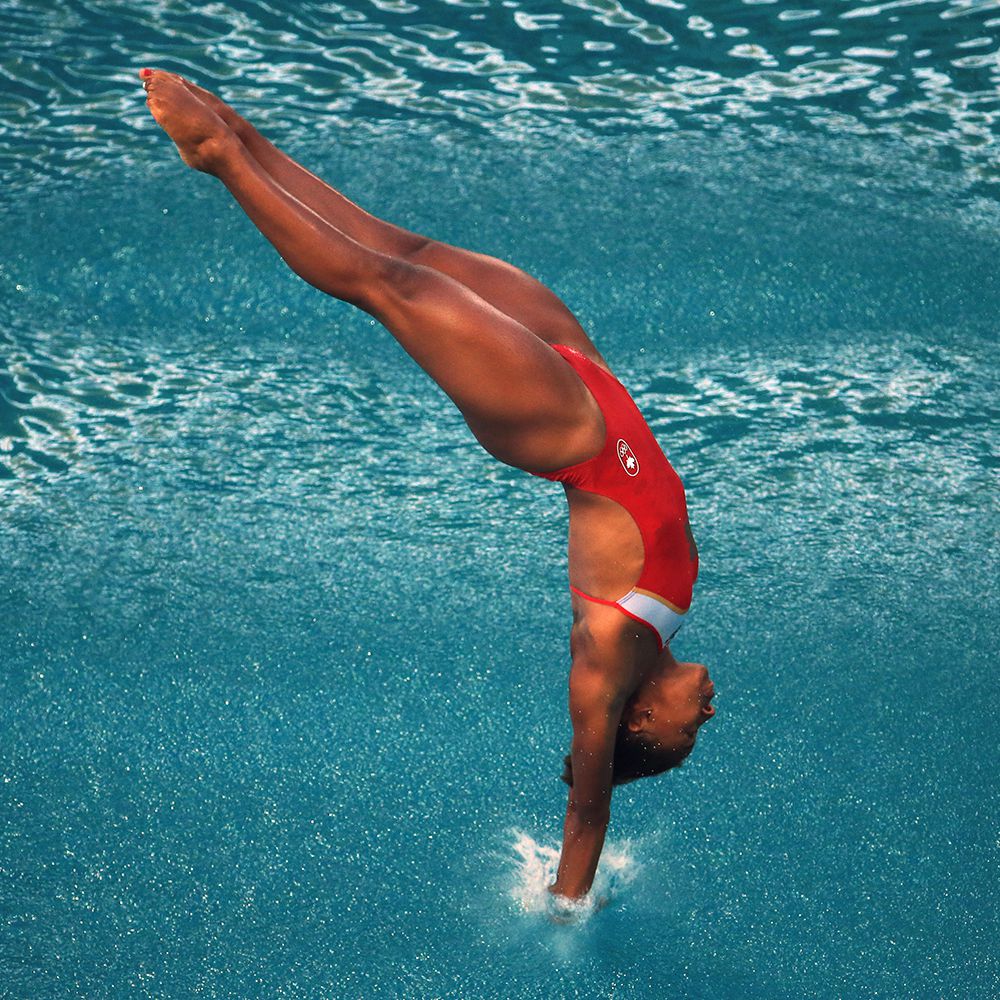
Diving has been great this year also. I am in awe of those who go to great heights and jump off of it into deep water. I even saw people who looked like me. There is a lot of diversity, not only in the United States teams, but also internationally. One of my favorite divers is Canadian. And her hair did in the water what mine does in the water.
But that is okay, because that Japanese humidity was not a friend to black girl’s hair, regardless of the sport. It seemed to rustle everyone’s hair, not just the black girls.
My favorite event is track and field. I never get tired of track and field. It is so cool to see the power and grace these men and women run with. Even the untrained eye can tell who is new to the bunch by their gate.
The winners are fun to watch. It is that moment when they realize all the hard work and sacrifice paid off.
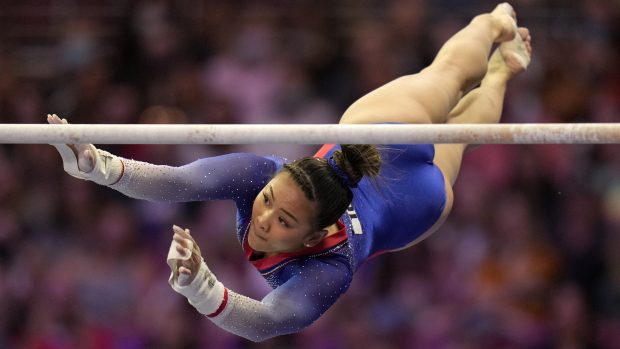
I am sad that Simone Biles did not get to compete, but I am proud she stood up for herself and her health. I am glad I got to experience the story of Suni Lee who won Gold in the Gymnastics all around competition. I am excited for her and can’t wait to hear more of her story.
I know Netflix and Hulu are breaking the bank putting out new stories for us to watch, but I want to experience these Olympic moments with these athletes. Very few people are called Olympians. Lets give them their moment. It is informative and inspiring.
We can always remember when the world came together despite a pandemic. We watched some of the strongest, healthiest of us compete in all types of sports from swimming to track, water polo to badminton, BMX riding to skateboarding. In chasing normal, we win on this one.
COVID-19 has made us think differently about a lot of things, but it has not defeated our spirit.
Since television began there has been this type of show that entertains with song, dance and comedy acts. They were variety shows which were usually lead by entertainers who could do it all: sing, dance and tell jokes.
In this adventure thriller, Connections, Sandy and her best friend found missing relatives, spied on cheating spouses and caught a few bail jumpers. This private investigator never imagined the bad guys would chase her. Running for her life, Sandy Herrick discovered that God was the only one with her who wasn’t talking smack, trying to kill her or get into her pants. As she and her friends try to figure out who framed them, they all discover that there was more to each other than they thought they knew. As evil forces closed in on them, they have to determine who they trust and what they believe about each other. Would this be enough to save them?
As a kid I loved cartoons. Anything animated was always acceptable because it was usually outside the norm. I mean the bodies were not perfect. They didn’t speak perfect. There was always room to improve. I seemed to have passed the idea on to the next generation because my daughter loved good animation.
I was raised on Flintstones and Jetsons, but my daughter had a whole new world of things to watch. It was worth it. In this episode we chat about cartoons.
What twelve years of education and mandatory classes failed to do, can be done in a matter of moments with the right singers and directors.
And the answer to the unasked question is teach American citizens how government works.
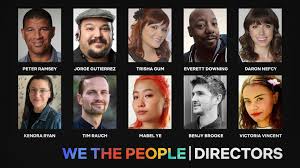
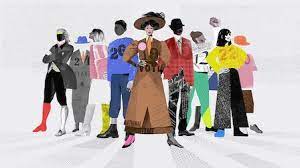
In the new offering titled We The People executive producers President Barack and Michelle Obama, Kenya Barris and Chris Nee tell strong stories that explain the Bill of Rights, Immigration, Taxes and so much more. It reminds me of that Saturday morning cartoon School House Rock but gives me so much more.
The wide range of directors telling the stories made it interesting and made me want to see what each brought to the table. It was nice to see some of the characters in non traditional roles. It was good to see all types of people represented.
One of my favorite episodes was about taxes. Everyone hates to pay them, but love the benefits of them. We spend everything we got hitting those well paved roads across America. We love the library system, couldn’t live without some of the regulations. It is great that there is something that puts everything in perspective at a level that even a child can understand it.
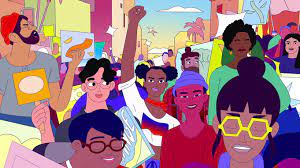
I thought the art was beautiful. The music made me dance. It also reminds me to be an active citizen. As everyone should be. But also remember you need to be an informed active citizen.








 UPP Creative Media