art
Book of the Quarter
Privateers
A single young woman is tricked by modern day pirates losing everything she owned. As she tries to figure out what happened to her belongings, her world crashes around her as government and private agencies treat her as a suspect. Determined to find the man who did this to her, she stumbles onto a government top secret. Finding this modern-day pirate turns into a race against lethal forces. You can purchase these at amazon.com and books2read.com

Welcome September
TV Talk with the Sistas
There are some movies the Sistas thought were good, but not quite. Today the Sistas are talking about the movies they thought needed to be brought up, but not as a whole episode. They call those the honorable mentions.
Listen Episode 7

Art of the Month
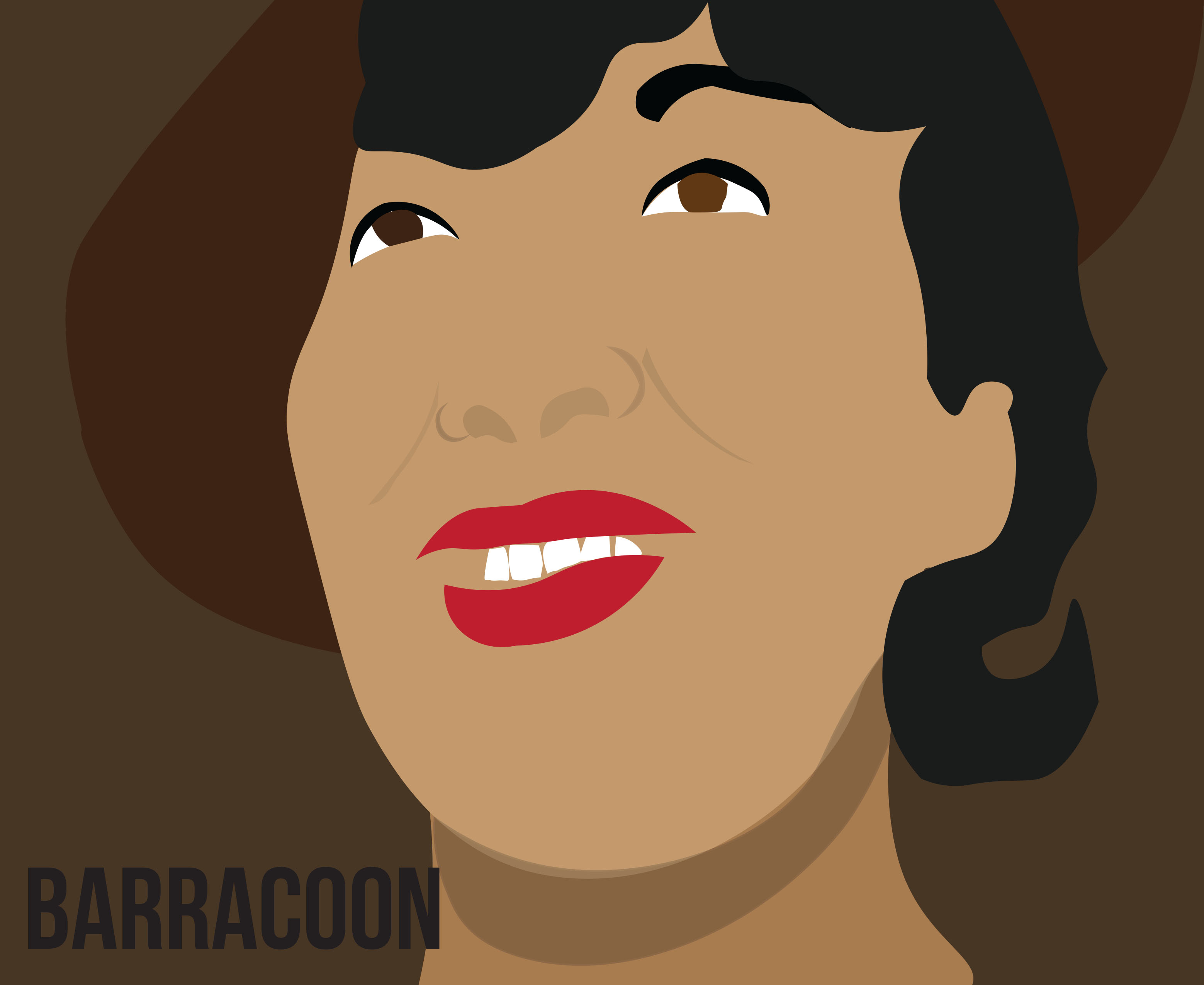
Nina Mae McKinney (June 12, 1912 – May 3, 1967) was an American actress who worked internationally during the 1930s and in the postwar period in theatre, film and television, after beginning her career on Broadway and in Hollywood. Dubbed “The Black Garbo” in Europe because of her striking beauty, McKinney was both one of the first African-American film stars in the United States and one of the first African-Americans to appear on British television.
McKinney was born June 12, 1912, in Lancaster, South Carolina, to Georgia Crawford and Hal Napoleon McKinney. Shortly after McKinney’s birth, her mother often hid from her abusive husband in the house of Colonel Leroy Springs (of Springs Industries), for whom she worked as a domestic.
By 1920, Crawford relocated to Savannah, Georgia, to work as a cook and Hal supported the family financially as a delivery man for a local drugstore. Crawford remarried and moved to New York. Nina Mae McKinney moved later.
Her first job on stage was in the chorus line of Blackbirds of 1928 which starred Bill Robinson. She then had a role in the King Vidor’s movie, Hallelujah which led her getting a 5-year contract from MGM. She had a few roles with them, but none were leading roles.
In 1935 she made Sanders of the River with Paul Robeson. She and Robeson were promised the roles of the Africans in the movie would depict them respectfully, the film was later cut to change that. McKinney played maids and sex workers because those were the roles offered to people of color during that time period.
She moved to Europe where she worked in nightclubs and theaters, doing an occasional movie. She toured playing nightclubs and worked on some Britishe films. But eventually moved back to the United States in 1939 when Germany invaded Poland.
She played maids and sex workers because those were the roles offered to people of color during that time period. She would get an occasional role that was off that path. In 1949 she landed the role of the jealous girlfriend in Pinky starring Jean Crain, Ethel Barrymore and Ethel Waters.
In 1951, she performed her last role in summer stock. She moved back to New York City in 1960. She died in 1967.
https://en.wikipedia.org/wiki/Nina_Mae_McKinney

TV Talk with the Sistas
Gina and I didn’t see this one coming. But we got some help
to talk about this one by inviting Imani Payne to chat with us about this movie
that could be considered one of the best. Listen as we talk about White
Chicks.
Listen Episode 6

Art of Month
Nina Mae McKinney (June 12, 1912 – May 3, 1967) was an American actress who worked internationally during the 1930s and in the postwar period in theatre, film and television, after beginning her career on Broadway and in Hollywood. Dubbed “The Black Garbo” in Europe because of her striking beauty, McKinney was both one of the first African-American film stars in the United States and one of the first African-Americans to appear on British television.
McKinney was born June 12, 1912, in Lancaster, South Carolina, to Georgia Crawford and Hal Napoleon McKinney. Shortly after McKinney’s birth, her mother often hid from her abusive husband in the house of Colonel Leroy Springs (of Springs Industries), for whom she worked as a domestic.
By 1920, Crawford relocated to Savannah, Georgia, to work as a cook and Hal supported the family financially as a delivery man for a local drugstore. Crawford remarried and moved to New York. Nina Mae McKinney moved later.
Her first job on stage was in the chorus line of Blackbirds of 1928 which starred Bill Robinson. She then had a role in the King Vidor’s movie, Hallelujah which led her getting a 5-year contract from MGM. She had a few roles with them, but none were leading roles.
In 1935 she made Sanders of the River with Paul Robeson. She and Robeson were promised the roles of the Africans in the movie would depict them respectfully, the film was later cut to change that. McKinney played maids and sex workers because those were the roles offered to people of color during that time period.
She moved to Europe where she worked in nightclubs and theaters, doing an occasional movie. She toured playing nightclubs and worked on some Britishe films. But eventually moved back to the United States in 1939 when Germany invaded Poland.
https://en.wikipedia.org/wiki/Nina_Mae_McKinney

TV Talk With The Sistas
We first saw this show on Broadway in the early 1990s.
It tells the story of how thousands of children were beaten and tortured. 8,000 children were in prison. This story is about South African teenagers fought against apartheid in the Soweto Uprising.
Listen Episode 5

Art of the Month
Nina Mae McKinney (June 12, 1912 – May 3, 1967) was an American actress who worked internationally during the 1930s and in the postwar period in theatre, film and television, after beginning her career on Broadway and in Hollywood. Dubbed “The Black Garbo” in Europe because of her striking beauty, McKinney was both one of the first African-American film stars in the United States and one of the first African-Americans to appear on British television.
McKinney was born June 12, 1912, in Lancaster, South Carolina, to Georgia Crawford and Hal Napoleon McKinney. Shortly after McKinney’s birth, her mother often hid from her abusive husband in the house of Colonel Leroy Springs (of Springs Industries), for whom she worked as a domestic.
By 1920, Crawford relocated to Savannah, Georgia, to work as a cook and Hal supported the family financially as a delivery man for a local drugstore. Crawford remarried and moved to New York. Nina Mae McKinney moved later.
Her first job on stage was in the chorus line of Blackbirds of 1928 which starred Bill Robinson. She then had a role in the King Vidor’s movie, Hallelujah which led her getting a 5-year contract from MGM. She had a few roles with them, but none were leading roles.
In 1935 she made Sanders of the River with Paul Robeson.
She and Robeson were promised the roles of the Africans in the movie would depict them respectfully, the film was later cut to change that.
https://en.wikipedia.org/wiki/Nina_Mae_McKinney

TV Talk with the Sistas
In this episode we will talk about the movie Black Panther. It is one of the Marvel family of films, distributed by Disney. It made 1.3 billion dollars in box office. Black movies do sell. It was nice to have a brown super hero and for him to have his own movie.
It was nice to have brown people saving other brown people Wakanda created an amazing space for brown people.
Listen Episode 4