
Happy Valentine’s Day
Madam CJ Walker was born Sarah Breedlove in Delta, Louisiana in 1887. After moving to St Louis in 1888, she worked at a laundry and became a part of the community. She learned about haircare from her brothers who were barbers. She became an agent for Annie Malone, who owned a company that catered to African American hair care. Walker would later become Malone’s biggest rival.
Walker moved to Denver in 1905 to sell Malone’s products and start to create her own. She met and married Charles Walker. She began selling her products door to door, and her market grew to the point where she could hire other people to sell them for her. She opened a college where she taught other women how to take care of their hair. She also opened a manufacturing plant to make her products. She created a method of grooming that helped promote healthy hair and scalps. Her goal was to teach women how to live better.
She became a millionaire and her products were sold all across the US and the Caribbean. She supported organizations like the YMCA and scholarships for education of African Americans. She tried to fulfill a need in the community.
In this image it spoke to a woman who was able to be where she was. It did not limit her.
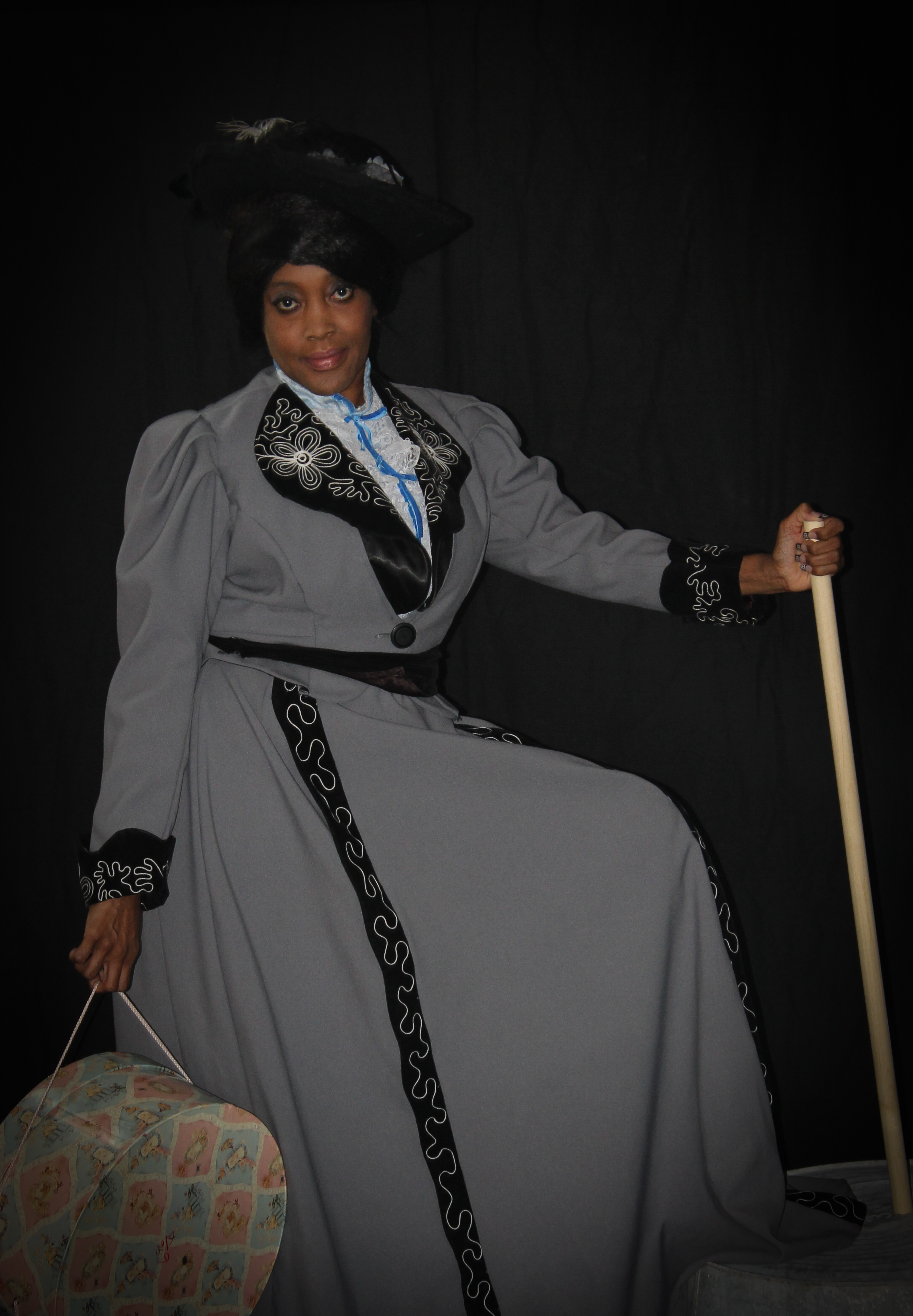
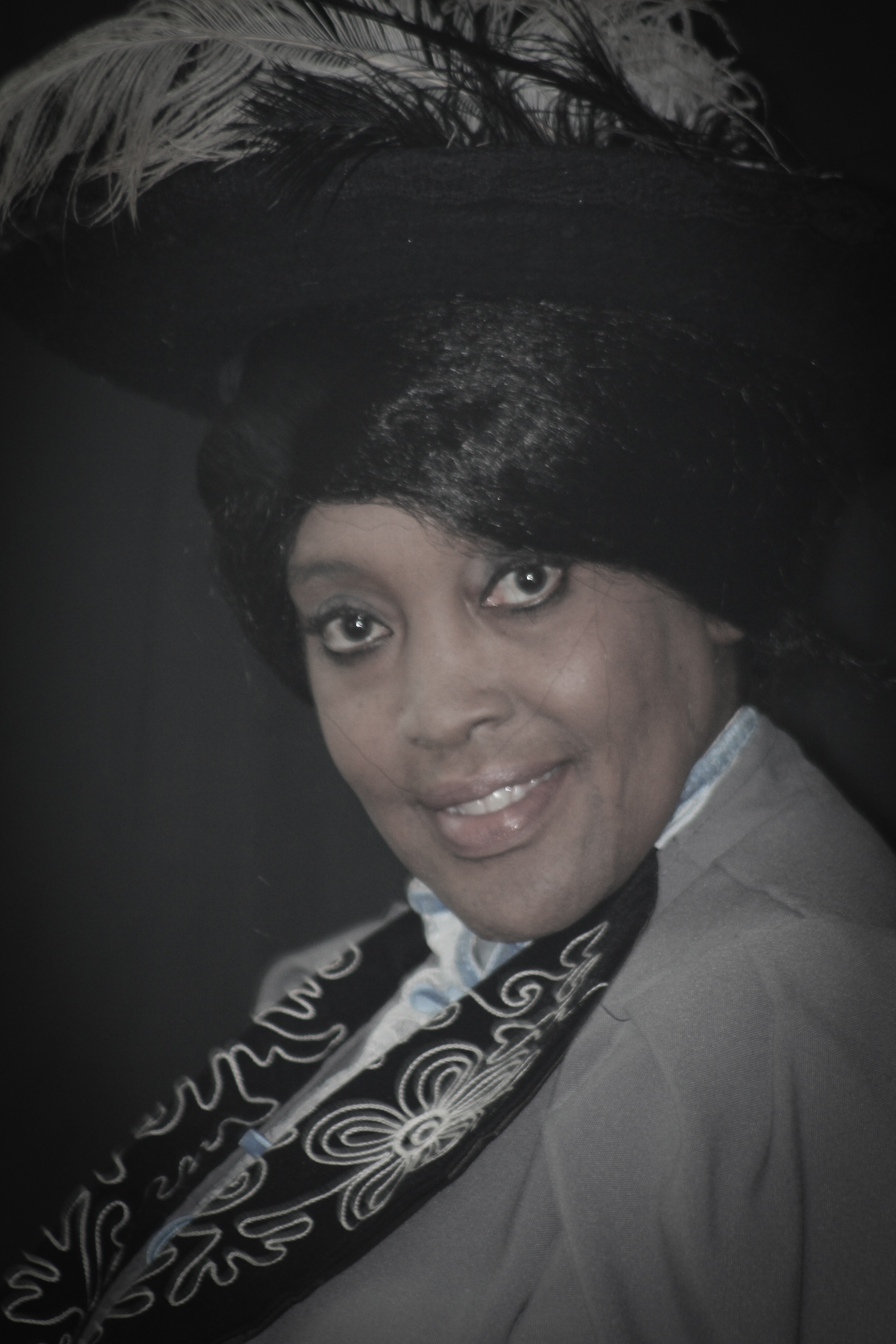
You can visit my shop at UPP Creative

These Sistas have stumbled across on some animation that makes them cheer. What on earth could make them excited that doesn’t involve good food, sexy men or free airline tickets? Listen.
Episode We The People
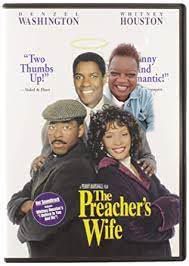
This week we are celebrating Black History and Love! As part of Black History Month we listed movies that tell stories of black love. Regina and I have put together our list of the top Black Movies to share. We have added some altered movie posters of our favorites. What are your thoughts?



People of African descent have made significant contributions to society. This month is an opportunity to look at those achievements and celebrate our people.
This month’s sweat Everybody’s History



Common Era history would have you believe that there is no history from the continent of Africa that would require chronicling.
I disagree.
There is rich valuable information that can be determined from this history. It just needs to be presented so that each individual can make up their own minds.
We have established through a biblical context that people of African descent have been viable since history keeping began. After walking the road with Jesus and Simon of Cyrene, we move to another part of the continent and a little later in time.
Between the 2 and 3rd Century AD, the Kingdom of Aksum (which is now present-day Eritrea and northern Ethiopia) traded gold and ivory into Middle East, India, and China. This was a wealthy civilization that thrived for centuries. They also exported frankincense, myrrh, emeralds, salt, and live animals. It established economic strength, noted in the image as the coin, which held the image of its leaders.
Meanwhile a tribe of about 4,000 people in 200 AD grew to about 26,000 by 800 AD in a settlement in Northern Nigeria. They developed a method to grow rice using tools made of iron. This system would become a game changer later in history. It is noted in the image as white mountain. The other mountains represent gold and copper which were also items other nations wanted.
Different tribes throughout the continent of Africa would gather their natural resources and trade them with countries around the world. Although many of the tales will never be told, Africans began globalization by 150 BC as notes from Chinese Courts tell of ambassadors from Ethiopia bringing goods.
By 1000 AD, Madagascar was part of the route to trading with China through the town of Kilwa on Tanzania. Archeological digs in the town reveal Chinese porcelain.
Stereotypes of people from African countries show them as primitive uneducated people who didn’t know how to manage their own lives, less alone build booming economies. For a very long time they have been the innovators that make the world a better place.

Kind of like comfort food, this series is one of those shows that has lots of familiar things the audience has grown comfortable with. In this new spin off, they have changed the recipe. Will it work? Will these sisters still gain their Law & Order degrees? Listen to hear.
Episode Law And Order

In celebration of Black History Month, Regina and I are going to share some of our favorites with you. This week it is our top favorite movies.


 UPP Creative Media