She Paved The Way For Us

The movie Pinky was the epitome of her career.

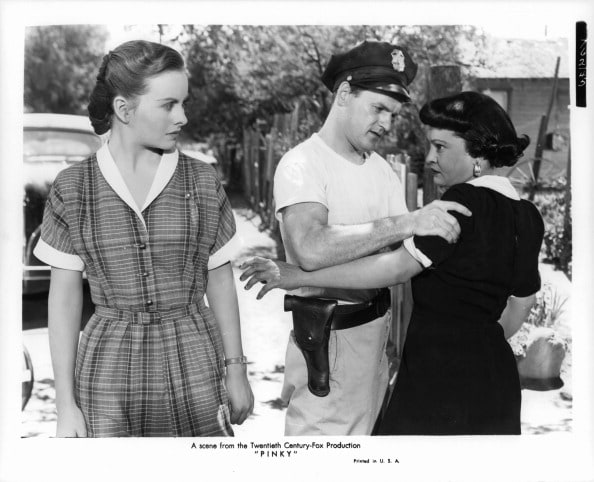
Nina Mae McKinney played a supporting role in the movie Pinky, which was about a light skinned black woman who falls in love with a white doctor, though he is unaware of her race. McKinney played the jealous girlfriend to the light skinned African American woman who was played by a Caucasian actor, Jeanne Crain.

Nina Mae McKinney worked in a industry that chose to use Caucasian people to play African Americans for lead roles to tell stories ABOUT African Americans.

McKinney was born in 1912 in Lancaster, South Carolina. She moved to New York City at the age of 12 to join her parents who moved there to find better work like many others during the Great Migration. She loved performing an had been in plays at school. She debuted in the chorus line of Blackbirds of 1928 which starred Bill Bojangles Robinson. After that she landed a role in the movie Hallelujah by King Vidor, who was nominated for an academy award for directing.

She signed a 5-year contract with MGM after the success of Hallelujah. She did a few films after that, but the studio would not put her in a leading role which was frustrating after her success in the other roles. McKinney was stuck playing supporting roles. Like many actors of her hue, she found that the studio only wanted her in certain roles which were very career limiting. Imagine being called the Black Garbo, but not getting a chance to prove it. In 1935 she made Sanders of the River with Paul Robeson.
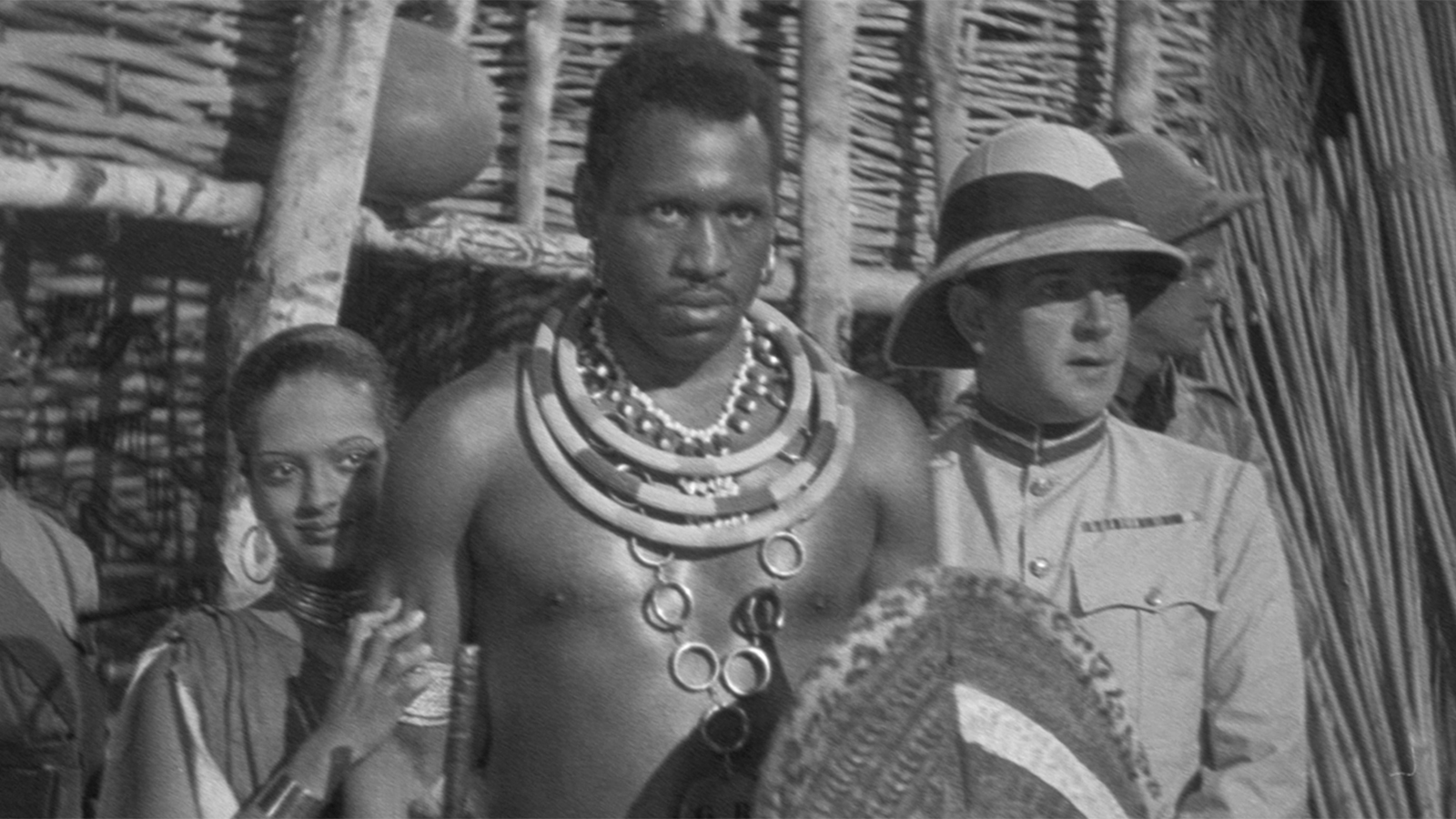
She and Robeson were promised the roles of the Africans in the movie would depict them respectfully, the film was later cut to change that. Even though McKinney was a triple threat because she could sing, dance and act, she was only offered roles as maids. She moved to Europe where she worked in nightclubs and theaters, doing an occasional movie. But eventually moved back to the United States in 1939 when Germany invaded Poland.

She played maids and sex workers because those were the roles offered to people of color during that time period. She would get an occasional role that was off that path. In 1949 she landed the role of the jealous girlfriend in Pinky starring Jean Crain, Ethel Barrymore and Ethel Waters.
In 1951, she performed her last role in summer stock. She moved back to New York City in 1960. She died in 1967.

She lived the best life she could and we are the better for it. In 1978 she was awarded a lifetime achievement in the Black Filmmakers Hall of Fame.

T-Shirt of the Month

Celebrate Juneteenth with us in June! We will remember the time when our people were not free. They were still smart and innovative, and when they became free they continued to fight for their rights. Let’s make sure we tell our own stories.

You can purchase this shirt at Celebrate Juneteenth

Art of the Month

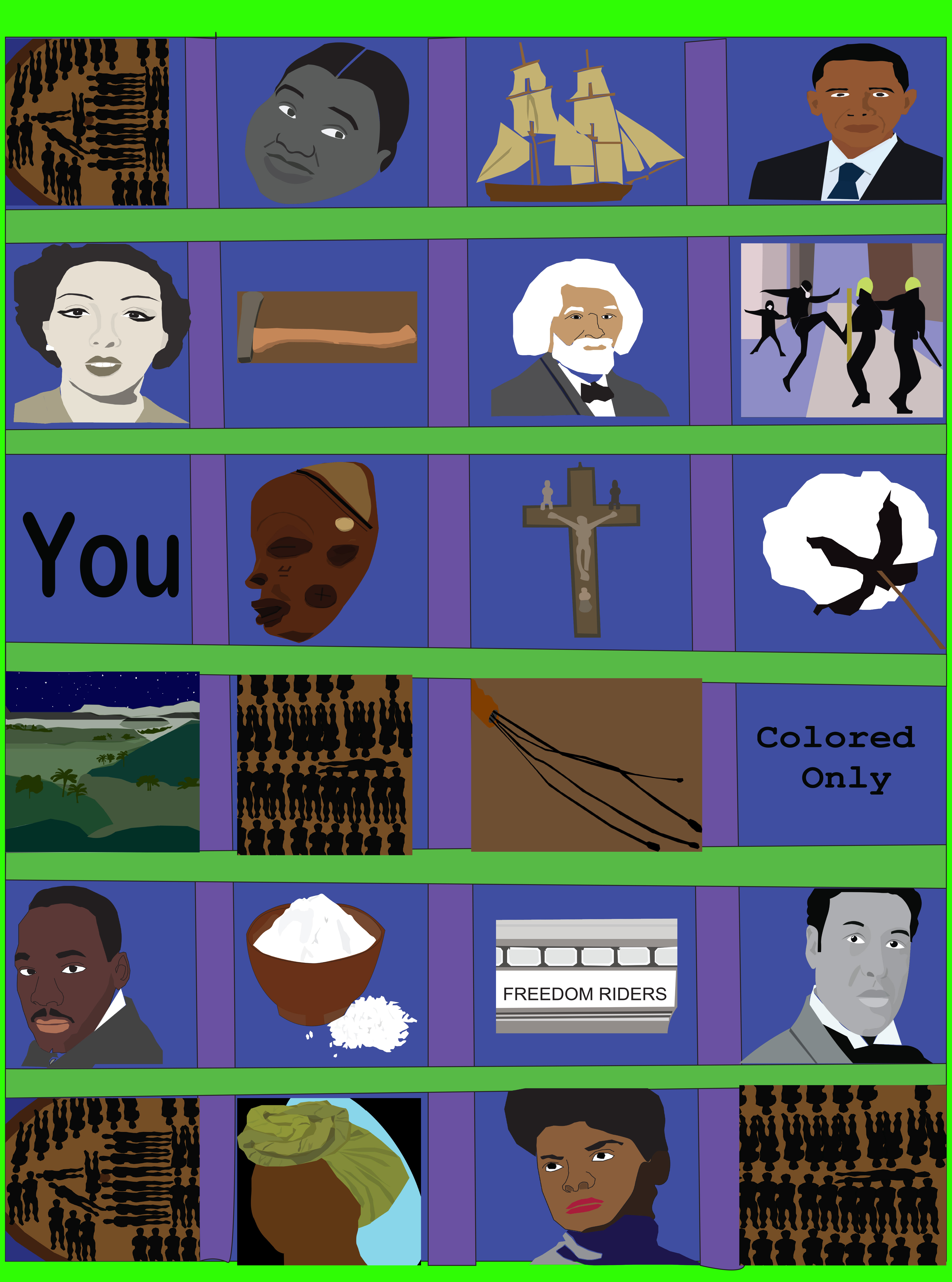
There was a time on the African continent when people lived everyday lives. People formed families and had children. They worked and bought things. The Slave Trade disrupted this life and created a new history for those who were caught up in it. This month’s artwork will reflect on the impact of that history with a quilt that has many patchworks.

Each week more information will be added.

The Slave Trade began when the first African captives were sold to Europe in 1444. During the 16th to the 18th Century more than 12 million people were shipped to the Americas. Not only did greedy African aristocracy line their pockets with the sale of people, but they also depleted their own resources so that when Europeans came to conquer them later, they had no fighting forces.

Hattie McDaniel was an actress and comedian who won the Academy Award for Best Supporting Actress, becoming the first African American to win an Oscar. She portrayed the role of a slave during the Civil War in Gone With The Wind. She was born in 1893. She died in 1952.

Barak Hussein Obama served as the 44th president of the United States from 2009 to 2017. Obama, the first African-American president of the United States, was born in 1961 in Hawaii. He also served as a Senator from the State of Illinois.

Cotton is a soft fiber that after processing can be spun into textiles. This shrub began to change the world in 1660 when the English East India Company began selling pieces of cloth which caught on. At first the cloth was imported from India, but the Europeans discovered they could grow and process their own cotton in North and South America. With the invention of the cotton gin in 1793, it allowed for greater production of cotton in North America and around the world.

Masks were created by skilled workers in tribes which was usually passed the job down by generations. So if a man was a wood carver, his sons would be wood carvers.  These objects told the history of the tribe and what was important to them.

Jim Crow Laws were state and local statutes that legalized racial segregation with usually inferior standards for people of color

Bert Williams was a Bahamian-born American entertainer born in 1874, one of best entertainers of the Vaudeville and the most popular comedian for all audiences of his time. He is credited as being the first Black man to have the leading role in a film: Darktown Jubilee in 1914.  He also starred on Broadway in a leading role, but his character was in blackface. He died in 1922

Rice was grown in West Africa in a way that would change the economies of Brazil and South Carolina. Europeans would take natives from Africa and increase the crops of rice in North and South America.

Affirmation

Sometimes my joy is down low. I am so consumes with all of the other things happening in my life, I forget about it. I don’t dwell on it when I should. Those are times when I think about the things I can’t control.

But I serve an awesome God. He usually sends me something to remind me of what I believe.

Art of the Month

There was a time on the African continent when people lived everyday lives. People formed families and had children. They worked and bought things. The Slave Trade disrupted this life and created a new history for those who were caught up in it. This month’s artwork will reflect on the impact of that history with a quilt that has many patchworks.

Each week more information will be added.

The Slave Trade began when the first African captives were sold to Europe in 1444. During the 16th to the 18th Century more than 12 million people were shipped to the Americas. Not only did greedy African aristocracy line their pockets with the sale of people, but they also depleted their own resources so that when Europeans came to conquer them later, they had no fighting forces.

Hattie McDaniel was an actress and comedian who won the Academy Award for Best Supporting Actress, becoming the first African American to win an Oscar. She portrayed the role of a slave during the Civil War in Gone With The Wind. She was born in 1893. She died in 1952.

Barak Hussein Obama served as the 44th president of the United States from 2009 to 2017. Obama, the first African-American president of the United States, was born in 1961 in Hawaii. He also served as a Senator from the State of Illinois.

Cotton is a soft fiber that after processing can be spun into textiles. This shrub began to change the world in 1660 when the English East India Company began selling pieces of cloth which caught on. At first the cloth was imported from India, but the Europeans discovered they could grow and process their own cotton in North and South America. With the invention of the cotton gin in 1793, it allowed for greater production of cotton in North America and around the world.

Affirmation

It is a feeling of great pleasure and happiness. True joy comes from God. Sometimes mine is low key because there are so many things in the world that could steal it. It blends in, but it is one of the big things in my life.