
Welcome December
From Victorian England to New York City, crimes are solved, criminals are nabbed, with Watson riding shot gun it is all elementary. The Sistas try to determine who is the greatest Holmes of all. Check out the various interpretations of the world-famous detective Sherlock Holmes
Episode Sherlocked

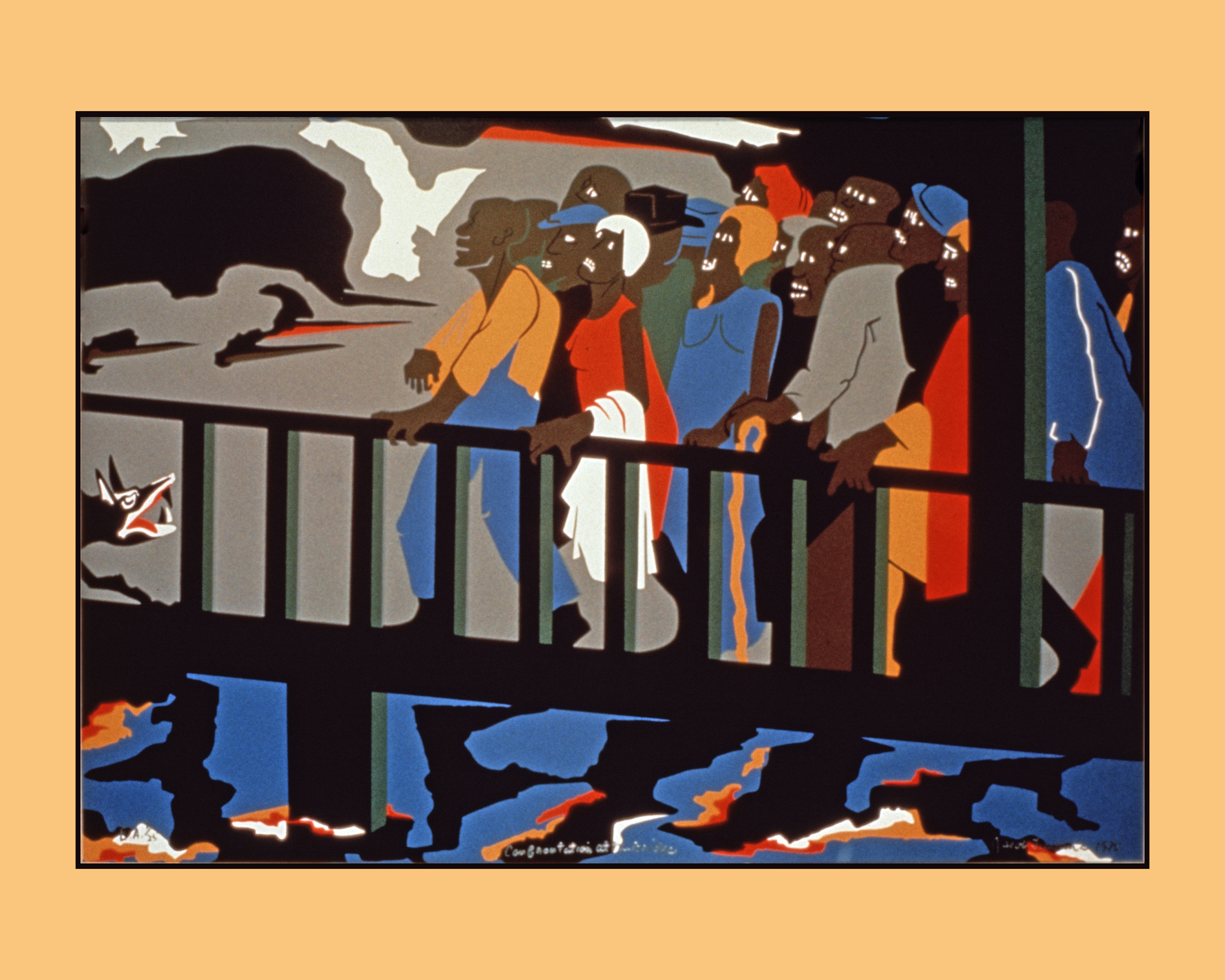
Artist Jacob Lawrence’s powerful Confrontation at the Bridgedepicts the 1965 Selma to Montgomery marches for voting rights that would enable African Americans to register and vote without harassment.
Lawrence uses strong colors and expressive composition to highlight the strength and courage of the peaceful African-American marchers. They dominate the image with their forward movement. The unarmed marchers were confronted on the Edmund Pettus Bridge by state troopers who violently attacked and beat them. Lawrence clearly shows a mood of violence by the snarling dog, the dark sky, and the marchers’ worried faces. His choice to not show any state troopers is important and we know they are right there, just outside of the image. He focuses the artwork on the brave act of the African-American marchers who are taking (dangerous) action for their future.
The Selma to Montgomery marches were three protest marches in 1965 for voting rights and racial justice. The first march took place on March 7. State troopers and locals attacked the unarmed marchers with billy clubs and tear gas after they passed over the Edmund Pettus Bridge. Photos of the beaten and bloodied African-American marchers were seen around the world. The event became known as “Bloody Sunday”. The second march took place March 9. Troopers and marchers confronted each other at the bridge, but Martin Luther King Jr. led the marchers back to Selma. The third march started on March 21 after President Johnson committed to protecting the marchers with 1,900 members of the National Guard and FBI agents. Alabama Governor Wallace refused to do this. Over 25,000 people joined the marchers to the Alabama State Capitol in Montgomery, arriving on March 25. The Voting Rights Act became law on August 6, 1965.
This print was created by Jacob Lawrence when he was commissioned to produce a print to celebrate the United States’ bicentennial in 1976.
Who is the next big fashion designer? This British reality show sets out to find the right person. Hosted by Tan France and Alexa Chung who lead the designers through the process. This process is much different than Project Runway because everything is contained, which means that everything they need is in the space. But this might have been due to the pandemic.
This Netflix show is fun because you get to see a different caliber of designer. You should try it.


Sometimes crime hits close to home. The True Crime genre explores the crimes that happen in our neighborhoods, cities and families. This genre reminds us that the world we live in can sometimes be scary and dangerous. The Sistas explore these stories.
Episode True Crime

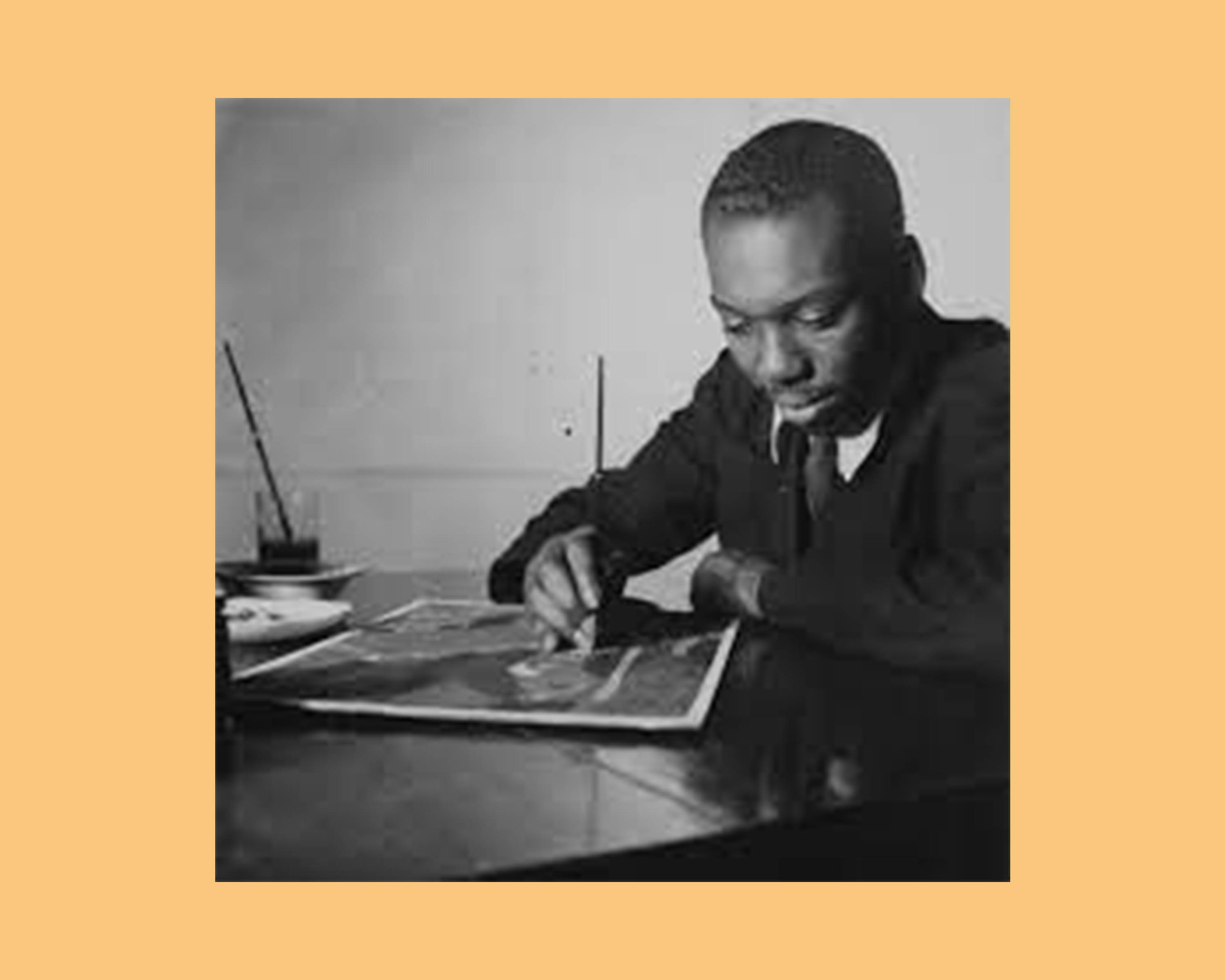
Born in Atlantic City, New Jersey, Lawrence grew up in Harlem during the Depression. Harlem was an active cultural center then, and Lawrence became interested in the arts while still a teenager. He received early training at art workshops sponsored by the federal government’s Works Progress Administration (WPA) in Harlem and then studied at the American Artists School in New York. From 1938 to 1939, Lawrence worked in the Federal Arts Project and produced some of his earliest major works. His first important solo exhibition in 1944, at New York’s Museum of Modern Art, secured his place as an important commentator on the American scene, particularly African American experiences. Lawrence died on 9 June 2000.
I didn’t know anything like this was in existence. But it is fun. Imagine an art competition that is on people’s faces. This show is from the UK currently runs on Netflix. Make up artist are given challenges that are pretty mind stretching. Although the judges are annoying. I found it very interesting so check it out.

Old Timey Detectives
When murder is more than just a mystery, it can be very entertaining. The Sistas discuss some period stories like The Murdoch Mysteries and Frankie Drake who solve crime at the turn of the 20th Century. How do these old timey detectives hold up?

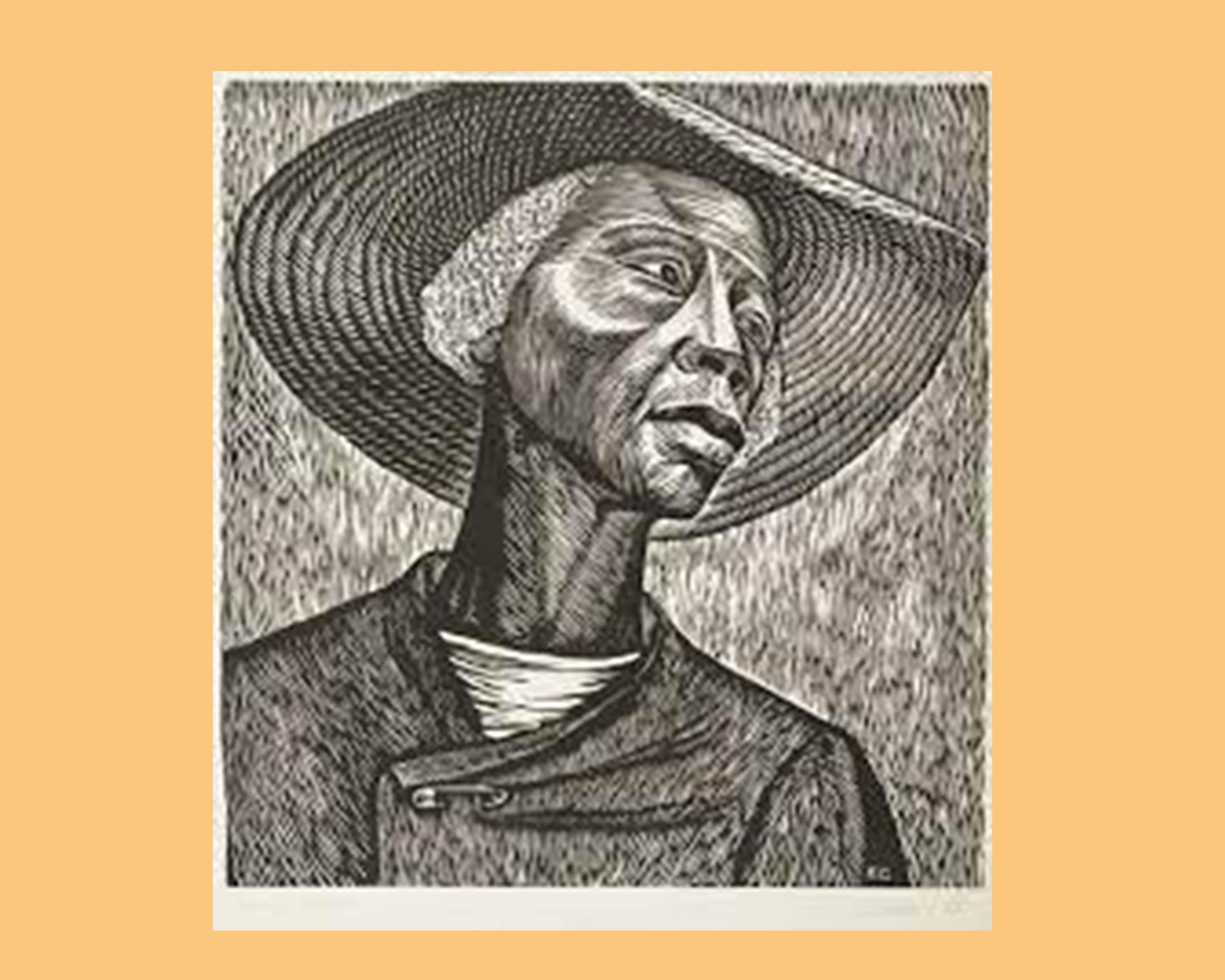
“Sharecropper” is a powerful portrait of an anonymous woman that calls attention to the hardships experienced by tenant farmers of the American South, who were required to pay for the land they rented with part of their crop and thus often faced lifelong debt. She created “Sharecropper” at the Taller de Gráfica Popular (People’s Graphic Workshop) in Mexico City, which was dedicated to the production of socially engaged prints.”
https://www.metmuseum.org/art/collection/search/364497
 UPP Creative Media