In order to maintain accountability, have a partner that will help you make goals and keep them. Have a person in your life who agrees with your ideas and will hold you accountable.

In order to maintain accountability, have a partner that will help you make goals and keep them. Have a person in your life who agrees with your ideas and will hold you accountable.
The story of Bass Reeves.
Bass Reeves (July 1838 – January 12, 1910) was an American law enforcement official, historically noted as the first black deputy U.S. marshal west of the Mississippi River. He worked mostly in Arkansas and the Oklahoma Territory During his long career, he had on his record more than 3,000 arrests of dangerous fugitives, and shot and killed 14 of them in self-defense.
Reeves was born into slavery in Crawford County, Arkansas, in 1838. He was named after his grandfather, Bass Washington. Reeves and his family were owned by Arkansas state legislator William Steele Reeves. When Bass was eight (about 1846), William Reeves moved to Grayson County, Texas, near Sherman in the Peters Colony. It appears plausible that Reeves was kept in bondage by William Steele Reeves’s son, Colonel George R. Reeves — a Texan sheriff, legislator, and one-time Speaker of the Texas House of Representatives until his death from rabies in 1882.
When the American Civil War began, George Reeves joined the Confederate Army, forcing Bass to go with him. It is unclear how, and exactly when, Bass Reeves escaped, but at some point during the Civil War, he gained his freedom. One account recalls how Bass Reeves and George Reeves had an altercation over a card game. Bass severely beat George, and fled to the Indian Territory where he lived among the Cherokee, Creeks and Seminoles. Bass stayed with these Native American tribes and learned their languages until he was freed by the Thirteenth Amendment’s abolishment of slavery in 1865.
As a freedman, Reeves moved to Arkansas and farmed near Van Buren.
https://en.wikipedia.org/wiki/Bass_Reeves
This piece reflects on how Reeves remained in slavery even after the war was over. Yet he became a law enforcement officer once he was freed.
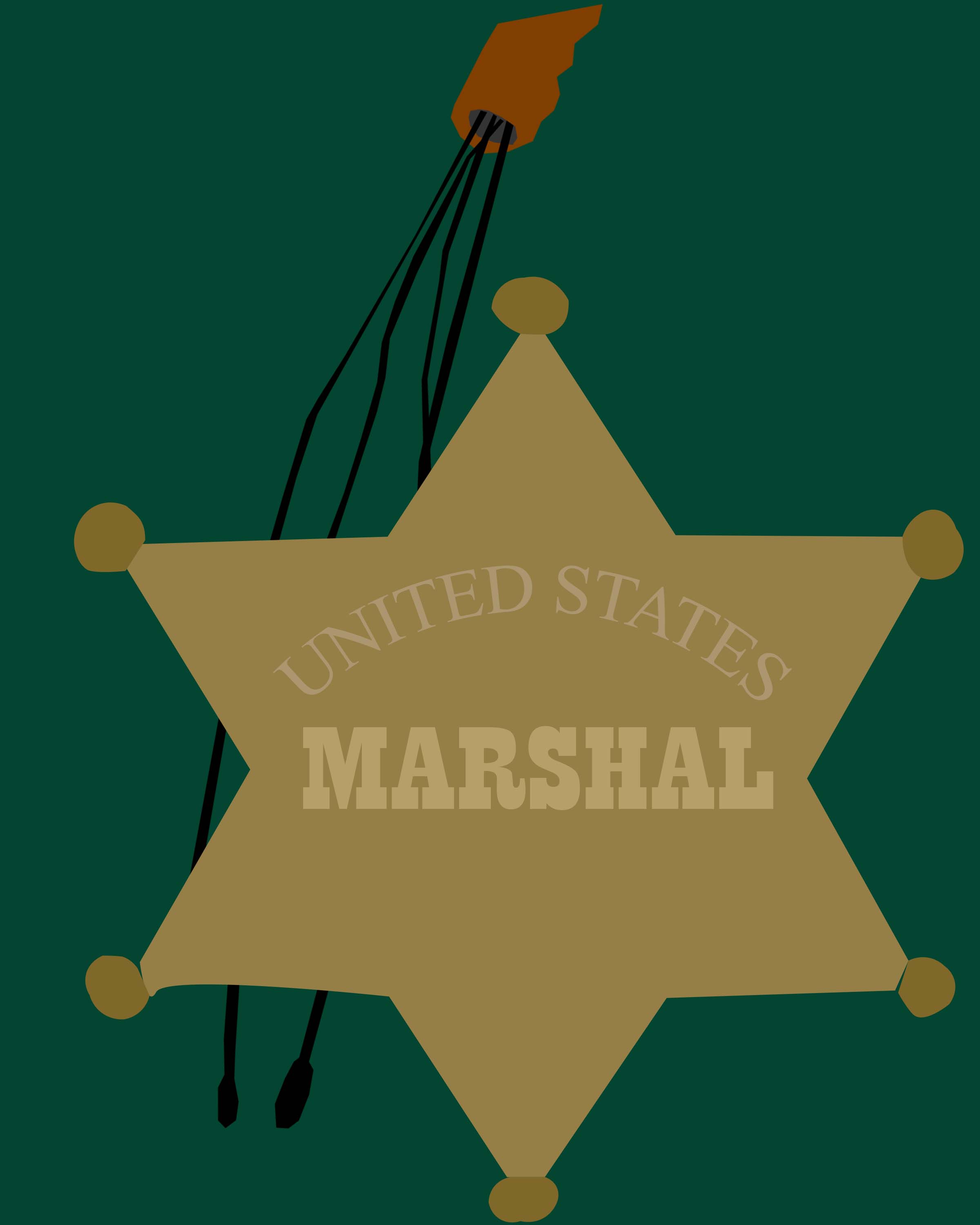
According to Inc Magazine, here are some things to do to be more accountable.
Take responsibility for your actions.
Don’t make excuses.
Be on time.
Own your feelings.
Collaborate with others.
This is a process, and we are not all at the same level. Be patient with yourself as you learn and grow.
In April we will share the history of Bass Reeves.
Bass Reeves (July 1838 – January 12, 1910) was an American law enforcement official, historically noted as the first black deputy U.S. marshal west of the Mississippi River. He worked mostly in Arkansas and the Oklahoma Territory During his long career, he had on his record more than 3,000 arrests of dangerous fugitives, and shot and killed 14 of them in self-defense.
Reeves was born into slavery in Crawford County, Arkansas, in 1838. He was named after his grandfather, Bass Washington. Reeves and his family were owned by Arkansas state legislator William Steele Reeves. When Bass was eight (about 1846), William Reeves moved to Grayson County, Texas, near Sherman in the Peters Colony. It appears plausible that Reeves was kept in bondage by William Steele Reeves’s son, Colonel George R. Reeves — a Texan sheriff, legislator, and one-time Speaker of the Texas House of Representatives until his death from rabies in 1882.
When the American Civil War began, George Reeves joined the Confederate Army, forcing Bass to go with him. It is unclear how, and exactly when, Bass Reeves escaped, but at some point during the Civil War, he gained his freedom. One account recalls how Bass Reeves and George Reeves had an altercation over a card game. Bass severely beat George, and fled to the Indian Territory where he lived among the Cherokee, Creeks and Seminoles. Bass stayed with these Native American tribes and learned their languages until he was freed by the Thirteenth Amendment’s abolishment of slavery in 1865.
As a freedman, Reeves moved to Arkansas and farmed near Van Buren.[5][6][7][8]
https://en.wikipedia.org/wiki/Bass_Reeves

The magic word for the month is accountable.
Required or expected to justify actions or decisions; responsible.
TV Talk with the Sistas is taking a little break, so check out our previous seasons.
You can find us on Soundcloud, Apple, Spotify, Google and iHeart.

Elizabeth Taylor Greenfield was born into slavery in Natchez, Mississippi somewhere between 1817 and 1826, to Anna Greenfield and a man whose name may have been Taylor. According to an 1854 article in The Tri-Weekly Commercial, “her mother was of Indian descent, her father an African.”
In the early 1820s, Greenfield’s mistress, Elizabeth H. Greenfield, a former plantation owner who moved to Philadelphia after divorcing her second husband and emancipated her slaves. E.H. Greenfield worked with the American Emancipation Society to send 18 formerly enslaved residents of the Greenfield plantation, including Anna Greenfield and two of her daughters, to Liberia on August 2, 1831, aboard the brig Criterion.
Elizabeth Taylor Greenfield remained in Philadelphia. She studied music as a child.
In about 1851, Greenfield began to sing at private parties, debuting at the Buffalo Musical Association. From 1851 to 1853 she toured as managed by Colonel J. H. Wood, a supporter of the Fugitive Slave Act of 1850, who would not allow black patrons into her concerts.
In 1853, Greenfield debuted at Metropolitan Hall in New York City, which held an audience of 4,000—white patrons only. After the concert, Greenfield apologized to her own people for their exclusion from the performance and gave a concert to benefit the Home of Aged Colored Persons and the Colored Orphan Asylum. She went to London and performed there under the patronage of the Duchess of Sutherland and Harriet Beecher Stowe. She even performed for Queen Victoria in 1854.
Returning to the United States, she toured and conducted a Philadelphia music studio. She taught students. In the 1860s she created an opera troupe which she directed. Greenfield died in Philadelphia of paralysis on March 31, 1876. She was a member of the Philadelphia Shiloh Baptist Church.
Greenfield was dubbed “The Black Swan,” a play on Jenny Lind’s sobriquet, “The Swedish Nightingale).
https://en.wikipedia.org/wiki/Elizabeth_Greenfield
Greenfield paved the way for a host of black female concert singers, from Sissieretta Jones to Audra McDonald. In 1921, the musician and music publisher Harry Pace named the first successful black-owned record company, Black Swan Records, in her honor.

Being intentional means you are focusing on something, which also means you let go of other things. This month I have been intentional with my time. I have focused on things that promote my vision and mission.
Being intentional allowed me to give a test to things that eat my time and talent. If the things did not pass the test, they moved off of my list.
I worked on items that moved my mission and vision forward.
I was intentional.

Elizabeth Taylor Greenfield was born into slavery in Natchez, Mississippi somewhere between 1817 and 1826, to Anna Greenfield and a man whose name may have been Taylor. According to an 1854 article in The Tri-Weekly Commercial, “her mother was of Indian descent, her father an African.”
In the early 1820s, Greenfield’s mistress, Elizabeth H. Greenfield, a former plantation owner who moved to Philadelphia after divorcing her second husband and emancipated her slaves. E.H. Greenfield worked with the American Emancipation Society to send 18 formerly enslaved residents of the Greenfield plantation, including Anna Greenfield and two of her daughters, to Liberia on August 2, 1831, aboard the brig Criterion.
Elizabeth Taylor Greenfield remained in Philadelphia. She studied music as a child.
In about 1851, Greenfield began to sing at private parties, debuting at the Buffalo Musical Association. From 1851 to 1853 she toured as managed by Colonel J. H. Wood, a supporter of the Fugitive Slave Act of 1850, who would not allow black patrons into her concerts.
In 1853, Greenfield debuted at Metropolitan Hall in New York City, which held an audience of 4,000—white patrons only. After the concert, Greenfield apologized to her own people for their exclusion from the performance and gave a concert to benefit the Home of Aged Colored Persons and the Colored Orphan Asylum.
She performed in concert halls around the world.

In order to accomplish your goals you will have to be intentional. You will have to do some things on purpose.
If your future goals are ever to happen, you will have to do some deliberate things.
Be intentional.
 UPP Creative Media