This actor has starred in some unforgettable movies. She has made us laugh, cry and question why we do what we do. She did things before they became a trend. She has won an Emmy, Grammy, Oscar and Tony and still surprises us with what she can accomplish.
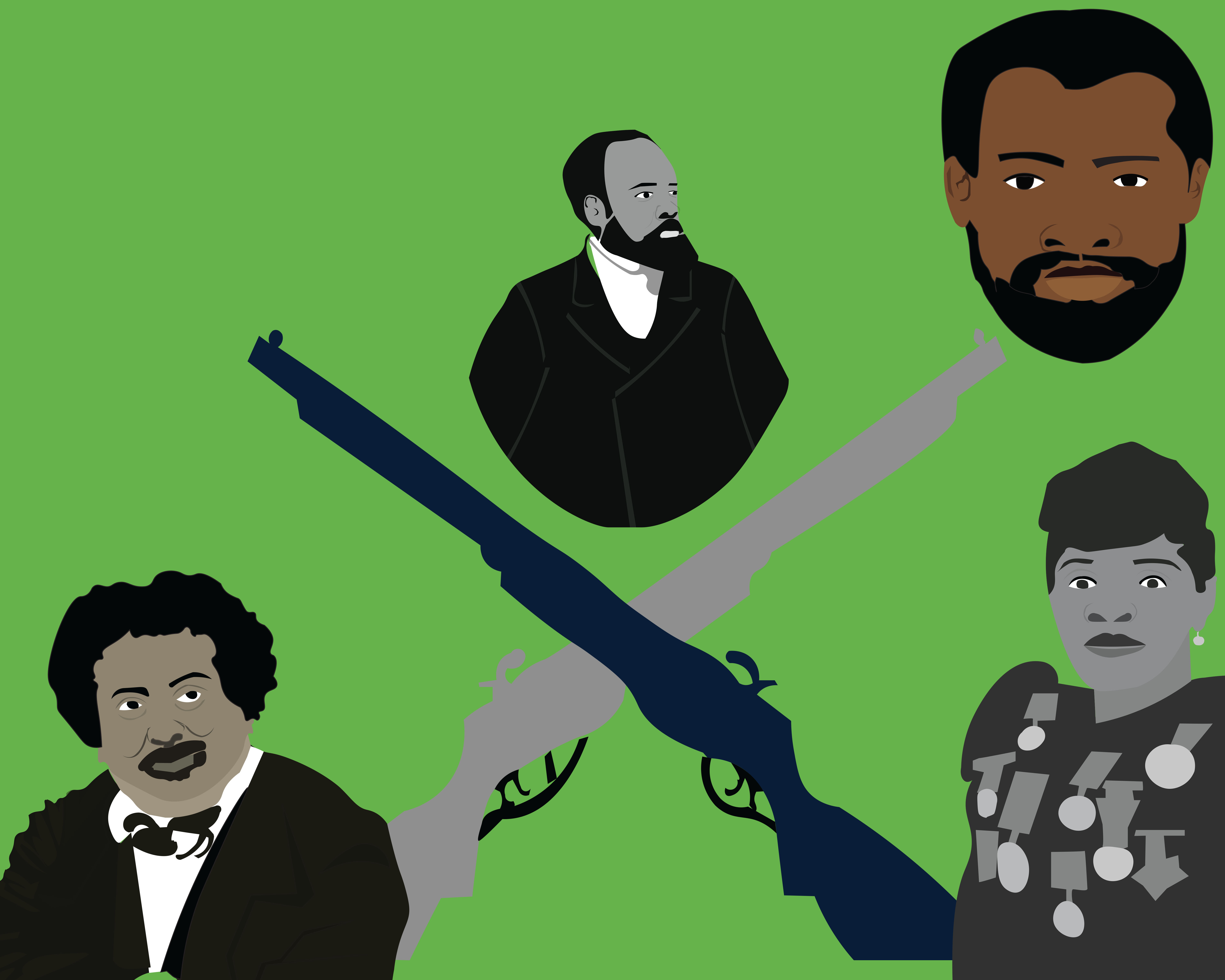
Nat was born in October in 1800 in South Hampton County Virginia. He learned to read and write at a young age, grew up reading the Bible. Later he began to preach to African Americans, with some of the Anglos also following him. He had the trust of many and was given permission to travel the area and preach to the enslaved around the county.
In August 1831 Nat led enslaved Virginians in rebellion in in South Hampton County Virginia where they killed around 65 people, mostly Caucasian. It lasted four days before it fell apart. A militia was sent to stop it. They killed more than 120 African Americans, some who had nothing to do with the rebellion.
Nat escaped for about 9 weeks until he was caught, tried and convicted. His story was written by the person who was supposed to defend him. The author had little understanding of Nat’s situation as an enslaved person. He made Nat seem like a fanatic instead of a man held captive all of his life asked to preach the gospel of a sould freeing God.
American Civil War
Triggered by the election of Abraham Lincoln on his party’s platform of anti-slavery expansion, seven slave states succeeded from the union. The slave states did not want the free states to end slavery which was the main portion of their economy. The free labor made them some of the richest people in the world and it was threated. Fighting started in April of 1861 when the southern slave states started at Fort Sumpter in South Carolina. Most of the battles were fought in the south, which was the largest part of the territory at that time. The southern slave states surrendered 1865
Alexander Dumas
Alexandre Dumas was born Dumas Davy de la Pailleterie , 24 July 1802 – 5 December 1870), also known as Alexandre Dumas père (where père is French for ‘father’, to distinguish him from his son Alexandre Dumas fils), was a French writer. His works have been translated into many languages and he is one of the most widely read French authors. Many of his historical novels of high adventure were originally published as serials, including The Count of Monte Cristo, The Three Musketeers, Twenty Years After and The Vicomte of Bragelonne: Ten Years Later.
Prolific in several genres, Dumas began his career by writing plays, which were successfully produced from the first.
Matilda Sissieretta Joyner Jones (January 5, 1868 or 1869 – June 24, 1933) was an American soprano. She sometimes was called “The Black Patti” in reference to Italian opera singer Adelina Patti. Jones’ repertoire included grand opera, light opera, and popular music. Trained at the Providence Academy of Music and the New England Conservatory of Music, Jones made her New York debut in 1888 at Steinway Hall, and four years later she performed at the White House for President Benjamin Harrison. She eventually sang for four consecutive presidents and the British royal family, and met with international success. Besides the United States and the West Indies, Jones toured in South America, Australia, India, southern Africa, and Europe.
The highest-paid African-American performer of her time, later in her career she founded the Black Patti Troubadours (later renamed the Black Patti Musical Comedy Company), a musical and acrobatic act made up of 40 jugglers, comedians, dancers and a chorus of 40 trained singers.[2] She remained the star of the Famous Troubadours for around two decades while they established their popularity in the principal cities of the United States and Canada, Jones retired from performing in 1915.
Ira Frederick Aldridge (July 24, 1807 – August 7, 1867) was an American-born British actor, playwright, and theatre manager, known for his portrayal of Shakespearean characters. Born in New York City, Aldridge’s first professional acting experience was in the early 1820s with the African Grove Theatre troupe. Facing discrimination in America, he left in 1824 for England and made his debut at London’s Royal Coburg Theatre. As his career grew, his performances of Shakespeare’s classics eventually met with critical acclaim and he subsequently became the manager of Coventry’s Theatre Royal. From 1852, Aldridge regularly toured much of Continental Europe and received top honours from several heads of state. He died suddenly while on tour in Poland and is buried in Łódź.
Bass Reeves (July 1838 – January 12, 1910) was an American law enforcement official, historically noted as the first black deputy U.S. marshal west of the Mississippi River. He worked mostly in Arkansas and the Oklahoma Territory.[a] During his long career, he had on his record more than 3,000 arrests of dangerous criminals, and shot and killed 14 of them in self-defense.
During a time of segregation there were some of us fighting it out in Hollywood. This actor starred in roles that showed that struggle. Some of the moments happened on screen and gave people of color a reason to cheer. Listen as they talk about him.
Nat was born in October in 1800 in South Hampton County Virginia. He learned to read and write at a young age, grew up reading the Bible. Later he began to preach to African Americans, with some of the Anglos also following him. He had the trust of many and was given permission to travel the area and preach to the enslaved around the county.
In August 1831 Nat led enslaved Virginians in rebellion in in South Hampton County Virginia where they killed around 65 people, mostly Caucasian. It lasted four days before it fell apart. A militia was sent to stop it. They killed more than 120 African Americans, some who had nothing to do with the rebellion.
Nat escaped for about 9 weeks until he was caught, tried and convicted. His story was written by the person who was supposed to defend him. The author had little understanding of Nat’s situation as an enslaved person. He made Nat seem like a fanatic instead of a man held captive all of his life asked to preach the gospel of a sould freeing God.
American Civil War
Triggered by the election of Abraham Lincoln on his party’s platform of anti-slavery expansion, seven slave states succeeded from the union. The slave states did not want the free states to end slavery which was the main portion of their economy. The free labor made them some of the richest people in the world and it was threated. Fighting started in April of 1861 when the southern slave states started at Fort Sumpter in South Carolina. Most of the battles were fought in the south, which was the largest part of the territory at that time. The southern slave states surrendered 1865
Alexander Dumas
Alexandre Dumas was born Dumas Davy de la Pailleterie , 24 July 1802 – 5 December 1870), also known as Alexandre Dumas père (where père is French for ‘father’, to distinguish him from his son Alexandre Dumas fils), was a French writer. His works have been translated into many languages and he is one of the most widely read French authors. Many of his historical novels of high adventure were originally published as serials, including The Count of Monte Cristo, The Three Musketeers, Twenty Years After and The Vicomte of Bragelonne: Ten Years Later.
Prolific in several genres, Dumas began his career by writing plays, which were successfully produced from the first.
Matilda Sissieretta Joyner Jones (January 5, 1868 or 1869 – June 24, 1933) was an American soprano. She sometimes was called “The Black Patti” in reference to Italian opera singer Adelina Patti. Jones’ repertoire included grand opera, light opera, and popular music. Trained at the Providence Academy of Music and the New England Conservatory of Music, Jones made her New York debut in 1888 at Steinway Hall, and four years later she performed at the White House for President Benjamin Harrison. She eventually sang for four consecutive presidents and the British royal family, and met with international success. Besides the United States and the West Indies, Jones toured in South America, Australia, India, southern Africa, and Europe.
The highest-paid African-American performer of her time, later in her career she founded the Black Patti Troubadours (later renamed the Black Patti Musical Comedy Company), a musical and acrobatic act made up of 40 jugglers, comedians, dancers and a chorus of 40 trained singers.[2] She remained the star of the Famous Troubadours for around two decades while they established their popularity in the principal cities of the United States and Canada, Jones retired from performing in 1915.
Ira Frederick Aldridge (July 24, 1807 – August 7, 1867) was an American-born British actor, playwright, and theatre manager, known for his portrayal of Shakespearean characters. Born in New York City, Aldridge’s first professional acting experience was in the early 1820s with the African Grove Theatre troupe. Facing discrimination in America, he left in 1824 for England and made his debut at London’s Royal Coburg Theatre. As his career grew, his performances of Shakespeare’s classics eventually met with critical acclaim and he subsequently became the manager of Coventry’s Theatre Royal. From 1852, Aldridge regularly toured much of Continental Europe and received top honours from several heads of state. He died suddenly while on tour in Poland and is buried in Łódź.
This actress is the queen of Wakanda but had many memorable roles before then. She taught us what love had to do with it. Showed us how to get our groove back. She has also represented the kind of women we want to be. Hint.











 UPP Creative Media