I seek to find a fresh way to tell a story that will change your life, inspire you.

I seek to find a fresh way to tell a story that will change your life, inspire you.
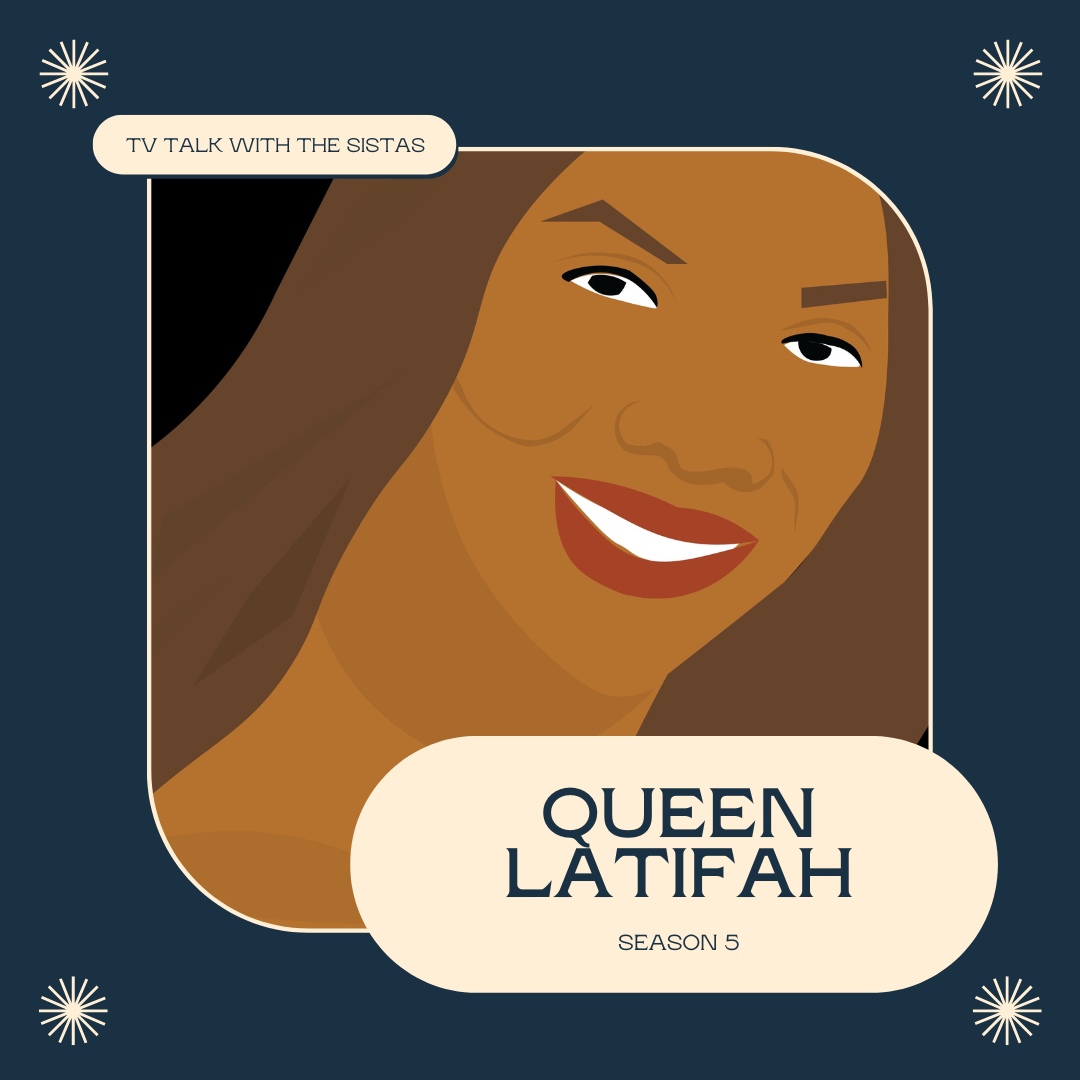
She has been telling our stories and entertaining us her whole career. She always makes some very interesting challenging choices in each role she takes but it always reveals a new layer to her. She continues to open her audience up to new experiences. Listen to what the Sistas think about her.
Listen Queen Latifah

This song is part of the show, The Wiz. Home was written by Charlie Smalls sung by Dorothy.

1800 Continued
1800 was a century when more of the accomplishments of African Americans are documented. This month will focus on more African Americans and their lives.
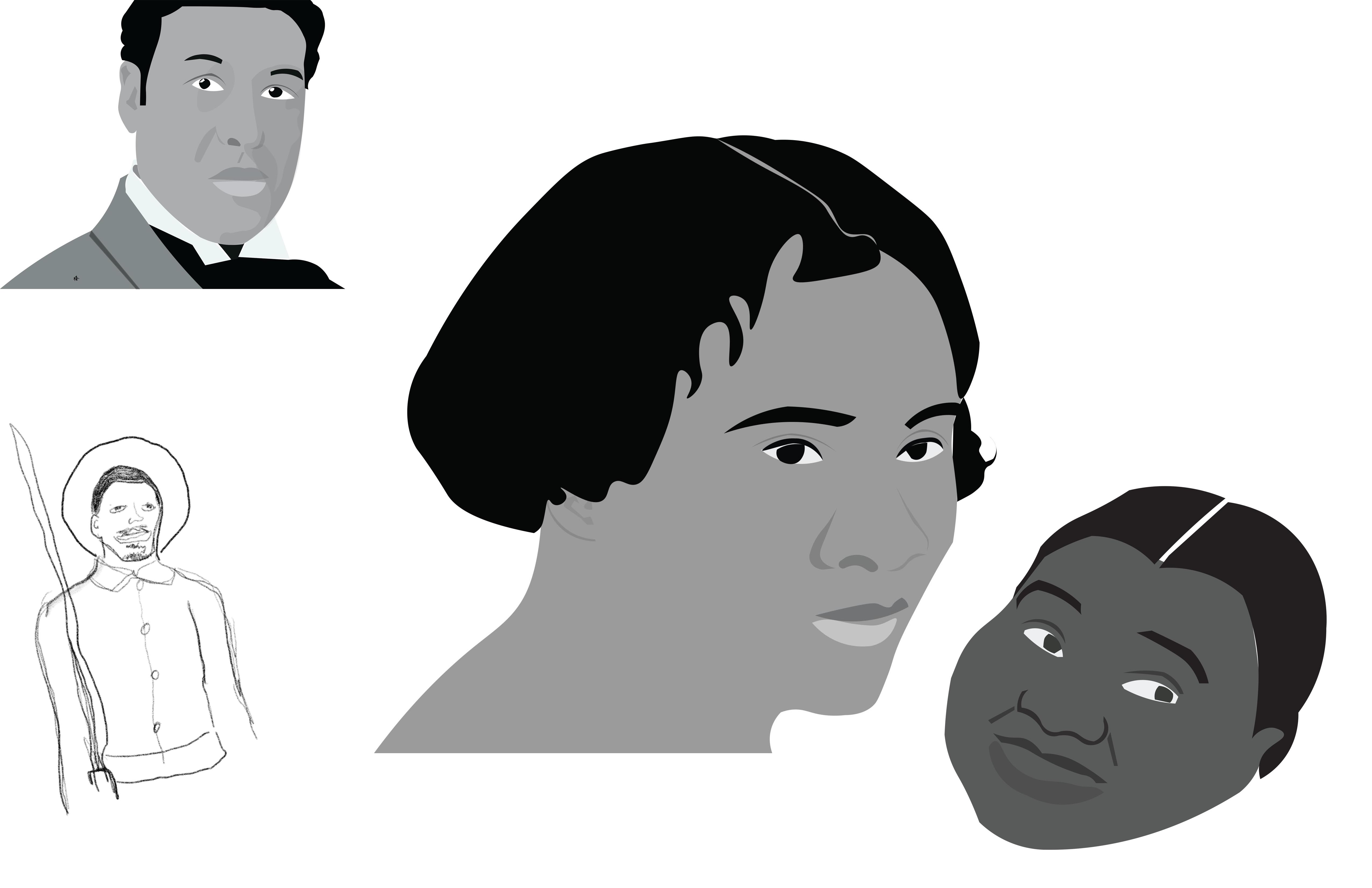
Bert Williams
Bert Williams was a Bahamian-born American entertainer, one of the pre-eminent entertainers of the Vaudeville era and one of the most popular comedians for all audiences of his time. He was born in the Bahamas in November of 1874. He is credited as being the first Black man to have the leading role in a film: Darktown Jubilee in 1914. Known as one of the highest paid African American performers in history, Williams worked in many productions including the Ziegfeld Follies of 1917 with WC Fields, Fannie Brice, Eddie Cantor and more. In 1922 Williams collapsed on stage during a performance in Detroit, Michigan. He returned to New York and died at his home in March at the age of 47.
https://en.wikipedia.org/wiki/Bert_Williams
Hattie McDaniel
Hattie McDaniel was an American actress, singer-songwriter, and comedian born Kansas in 1893. She started working in minstrel shows and worked her way into radio. She wrote songs and sang for a record company before her big break came. In 1931 she moved to LA and later got a role in I’m No Angel with Mae West. The success of this movie helped her gain other roles. For her role as Mammy in Gone with the Wind, she won the Academy Award for Best Supporting Actress, becoming the first African American to win an Oscar. McDaniel worked in over 300 films but was only credited in 83. She died in October of 1952 at the age of 59.
https://en.wikipedia.org/wiki/Hattie_McDaniel
Buffalo Soldiers
Buffalo Soldiers originally were members of the 10th Cavalry Regiment of the United States Army, formed on September 21, 1866, at Fort Leavenworth, Kansas. This nickname was given to the Black Cavalry[1] by Native American tribes who fought in the Indian Wars. The term eventually became synonymous with all of the African-American regiments formed in 1866:
Although several African-American regiments were raised during the Civil War as part of the Union Army (including the 54th Massachusetts Volunteer Infantry and the many United States Colored Troops Regiments), the “Buffalo Soldiers” were established by Congress as the first peacetime all-black regiments in the regular U.S. Army.[2]
https://en.wikipedia.org/wiki/Buffalo_Soldier
Madam CJ Walker
Madam C.J. Walker was an African American entrepreneur, philanthropist, and political and social activist. She is recorded as the first female self-made millionaire in America in the Guinness Book of World Records. She was born Sarah Breedlove in December 23, 1867 in Delta, Louisiana. Walker made her fortune by developing and marketing a line of cosmetics and hair care products for black women through the business she founded, Madam C. J. Walker Manufacturing Company. She became known also for her philanthropy and activism. She made financial donations to numerous organizations such as the NAACP, and became a patron of the arts.
https://en.wikipedia.org/wiki/Madam_C._J._Walker
One of my favorite sources is nature.
God created a system that perpetually changes and creates beauty even when it is dying. Summer wans and fall slips us kisses by changing the color of the foliage. Bright yellows, oranges and reds celebrate the coming season.
He seems like he has been in a hundred million movies, and we are grateful for them all. From a crack head to a drippy Jeri curl, this actor has given us moments we can still quote. What do they call a quarter pounder in France? From what movie can you quote him? Listen as the Sistas share theirs.
Listen Samuel L Jackson

We sing poetry everyday. And we love it.

1800 Continued
1800 was a century when more of the accomplishments of African Americans are documented. This month will focus on more African Americans and their lives.
Bert Williams
Bert Williams was a Bahamian-born American entertainer, one of the pre-eminent entertainers of the Vaudeville era and one of the most popular comedians for all audiences of his time. He was born in the Bahamas in November of 1874. He is credited as being the first Black man to have the leading role in a film: Darktown Jubilee in 1914. Known as one of the highest paid African American performers in history, Williams worked in many productions including the Ziegfeld Follies of 1917 with WC Fields, Fannie Brice, Eddie Cantor and more. In 1922 Williams collapsed on stage during a performance in Detroit, Michigan. He returned to New York and died at his home in March at the age of 47.
https://en.wikipedia.org/wiki/Bert_Williams
Hattie McDaniel
Hattie McDaniel was an American actress, singer-songwriter, and comedian born Kansas in 1893. She started working in minstrel shows and worked her way into radio. She wrote songs and sang for a record company before her big break came. In 1931 she moved to LA and later got a role in I’m No Angel with Mae West. The success of this movie helped her gain other roles. For her role as Mammy in Gone with the Wind, she won the Academy Award for Best Supporting Actress, becoming the first African American to win an Oscar. McDaniel worked in over 300 films but was only credited in 83. She died in October of 1952 at the age of 59.
https://en.wikipedia.org/wiki/Hattie_McDaniel
Buffalo Soldiers
Buffalo Soldiers originally were members of the 10th Cavalry Regiment of the United States Army, formed on September 21, 1866, at Fort Leavenworth, Kansas. This nickname was given to the Black Cavalry[1] by Native American tribes who fought in the Indian Wars. The term eventually became synonymous with all of the African-American regiments formed in 1866:
Although several African-American regiments were raised during the Civil War as part of the Union Army (including the 54th Massachusetts Volunteer Infantry and the many United States Colored Troops Regiments), the “Buffalo Soldiers” were established by Congress as the first peacetime all-black regiments in the regular U.S. Army.[2]
https://en.wikipedia.org/wiki/Buffalo_Soldier

I expand my creativity to different areas of my life. Learning a new skill, like cooking or painting gets my energy going. It makes me look at things different. Where do you need to expand your thinking?
This actor brings authenticity to her roles of which there are many and most are interesting. Her range is wide from undereducated characters to lead with high moral ground to sophisticated intelligent women who get the job done. This one is an expert at how to tell our stories.
Listen Viola Davis


