We Have Got To Tell Our Stories

“Hey Baby Daddy King!” Said Lavelle Junson’s mom as they are escorted before the Zamundan King in Coming 2 America which was released in early March on Prime.  Junson is the bastard son of King Akeem and Mary Junson who finds himself in the land preparing to be an heir to the Zamundan throne. Junson’s mom was played by Leslie Jones who brought her A game to the role.

This comedy is the sequel to Coming to America released in 1988 starring Eddie Murphy and Arsenio Hall.  Not only is it funny, but it reminds me of why I loved the original because they bring back almost everyone they can. In the 1980s this movie was an oasis in a desert of stories with African Americans in them. We celebrated being able to see a cast full of people of color.

This movie sends a wonderful shout out to the 1980s with music from Gladys Knight, En Vogue and Salt N Pepa. It is lighthearted and celebrity filled which will made me laugh.  It is good to laugh with my people because many of our stories aren’t funny.

On the darker more for real side is The United States vs Billie Holiday and Judas and the Black Messiah.

Both movies tell a story we need to hear, but don’t do them if you depressed or sad. The plight of African Americans in the United States has not been an easy joy filled experience, so don’t expect that from either of these movies. You might get angry and cuss at the TV.  (There were moments I was instructing both Fred and Billie to just cuss them folk out, please!) So do what you have to do to deal with your frustration.

In The United States vs Billie Holiday I watched as the FBI doggedly pursued the young singer through her drug addiction. Andra Day, who plays Holiday, has an amazing voice that reminds me so much of Lady Day, that in the beginning I thought she was using original music.  Day’s performance was good, but by the end of the story I just wanted the government to leave Billie alone.  It took me days to get through the entire movie because I kept stopping when I would get too frustrated. I can’t imagine living through it.

I am glad I did finish it, but it is difficult to see story after story of lives ruined by authority figures left to their own devices.  And many of their desires was destroy black lives.
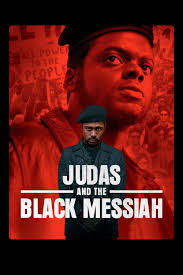
Again in Judas and the Black Messiah, which is the story of how William O’Neal becomes an FBI spy to gather information on Fred Hampton of the Chicago chapter of the Black Panthers. Daniel Kaluuya plays Hampton and LaKeith Stanfield plays O’Neal.

The acting was impeccable, but the nature of the story made me pause it and come back to it after a few days. We have to tell these stories. We have to know our history, or we are doomed to repeat it.

 In all three of these movies’ music is key to creating a mood. There are drumbeats in all of them that I believe connect us.  But sometimes you got to turn it off for your own sanity and find your own rhythm.

My challenge to you is to allow each story to inspire you. Allow each story to leave a piece of itself with you.
Nope. It Is Not Okay

I don’t want to live in a society where obnoxious uncaring people rule through greed and self ambition. Yes, it probably sounds like a broken record, but I will keep on saying it. And I am going to live like I believe it, which means calling out bad behavior.

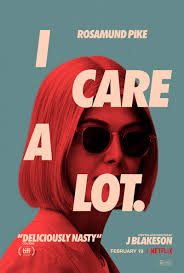
I don’t even know how some of this crap gets financed. I Care A Lot is one of those movies. A greedy uncaring woman cons older people out of their assets by gaining guardianship over them. Other greedy people help her place unsuspecting seniors in nursing homes while she takes and sells their property. In this movie she does it to the wrong person.

The acting was very effective because I hated all of the characters. Only reason I finished it was my other sister said to watch it all the way to the end. I literally wanted all of the people in this movie to die, except the older woman who had been tricked out of her property. I was disappointed. Built to be funny, I seldom see the humor in letting the bad guys win. After four years of Trumpism, I am done with bullies.

As a society, if we do not value what the older people have experienced we are doomed to repeat it.

It is time to stop championing stories that let the bad guys win or make them a hero. Clearly, it is wrong to steal someone else’s property. Times are rough when you have to say simple truths. It is wrong to misrepresent them in court. It is not harmless or cute to claim something is true when it is really false.

We have to stop making the person who mistreats others the apple of our eye. These jokers are not good leaders, and usually leave carnage behind. We can’t wait until it happens to us to be against this. It should start with the movies we watch and support. I Care A Lot lacks any redeeming value. Lets not tell stories where abusers win.

Feel The Beat has some redeeming qualities because the obnoxious lead character in this movie actually has a change of heart. In this film, we watch a selfish mean spirited dancer find herself as she tries to use some children to achieve her goals. Again it is an attempt at humor, but some of it is lost in the meanness.

The trouble is we have been through too much to allow any level of meanness.

The movie is upbeat, with fun children, and lots of dancing. We watch young girls in a small town learn to love to dance. The romantic story is weak, but it is more about dancing than romance.

I didn’t feel like I had wasted hours of my life for watching it.

He Taught Me How

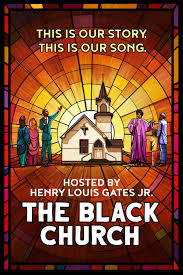
to walk fight and pray. Oh Happy Day is the song that is in my head because I watched Henry Louis Gates new series on the Black Church. I sang. I clapped. I took notes. For those who love the “black” church, this series is an experience that starts the journey at the beginning.

The Black Church: This Is Our Story, This Is Our Song chronicles the journey of the African American worship and praise service from its African roots and influences to the debilitating burdens slavery laid on it. Gates told the story of how something that should have sent it into extinction only sharpened its point. Captured Africans were only taught the portions of the bible that allowed them to be obedient servants, with laws put in place that forbid them to read and write. Slave owners did not want them to know the stories of Moses and how the children of Israel were freed. It struck down the lie that slavery was a means of introducing Africans to the gospel, showing that Africans were Christians long before Europeans knew who Christ was.

This documentary series celebrates the :black” church by showing the power of the Holy Spirit in an oppressed people surrendered to him. From the little wooden shacks built by freed slaves to the mega churches of the earlier 20th Century, African Americans not only built houses of worship, but they built communities that took care of each other. They built schools and taught one another to read. This project is filled with many images of these worship services that capture some of their best moments.

It took me back to that little girl sitting on the pew of that one room church house. As I watched the interviewees tell their stories of growing up in those simple times, it reminded me of my mother being in the choir. All the ladies had on the same type of dress, made by one woman in the church. They even posed for a photo after church to remember this special occasion. It was the thing that held them all together.

I learned new things about this church, of which I am a member. I never knew that preachers used to make recordings of three minute sermons. A three minute sermon? That is long gone. I am amused to know that we have been buying sermons for a mighty long time. We have been singing and dancing for that long too. It is one of the things I love about my people. There might not be a lot of hope in our current circumstances, but we know where hope is. We know it starts in community.

Black History Month

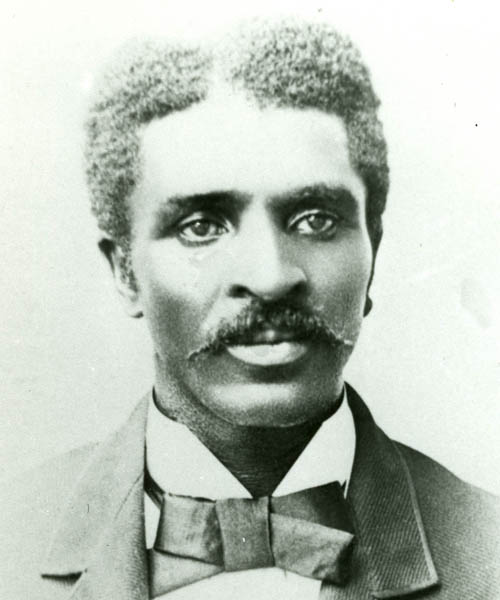
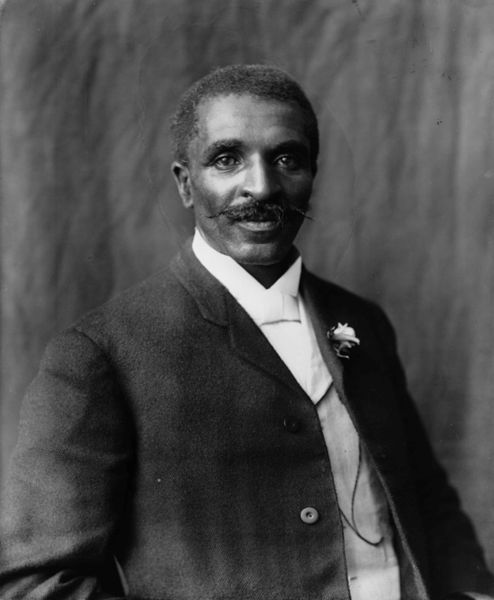
George Washington Carver became one of the leading agronomists of his time, pioneering numerous uses for peanuts, soybeans, and sweet potatoes. Born a slave in Missouri in midst of the Civil War, Carver was fascinated by plants from an early age. As the first African-American undergraduate student at Iowa State, he studied soybean fungi and developed new means of crop rotation. After earning his master’s degree, Carver accepted a job at Alabama’s Tuskegee Institute, a leading university of African Americans. It was at Tuskegee that Carver made his greatest contributions to science, developing more than 300 uses for the peanut alone, including soap, skin lotion, and paint. (information from thoughtco.com)

Black History Month

Madam CJ Walker

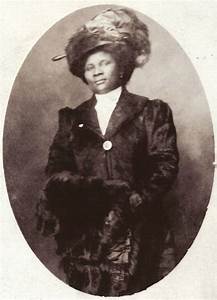
Born Sarah Breedlove, Madame C.J. Walker became the first female African-American millionaire by inventing a line of cosmetics and hair products aimed at black consumers in the first decades of the 20th century. Walker pioneered the use of female sales agents, who traveled door to door across the U.S. and Caribbean selling her products. (information from thoughtco.com)

Black History Month

The last week is dedicated to science.

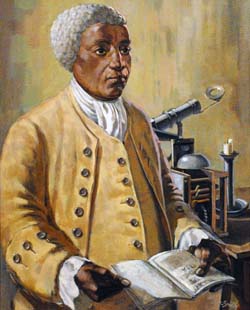
Benjamin Banneker was a self-educated astronomer, mathematician, and farmer. He was among a few hundred free African-Americans living in Maryland, where slavery was legal at the time. Banneker is perhaps best known for a series of almanacs he published between 1792 and 1797 that contained detailed astronomical calculations of his, as well as writings on topics of the day. Banneker also had a small role in helping to survey Washington D.C. in 1791 (this information comes from thoughtco.com)

Black History Month

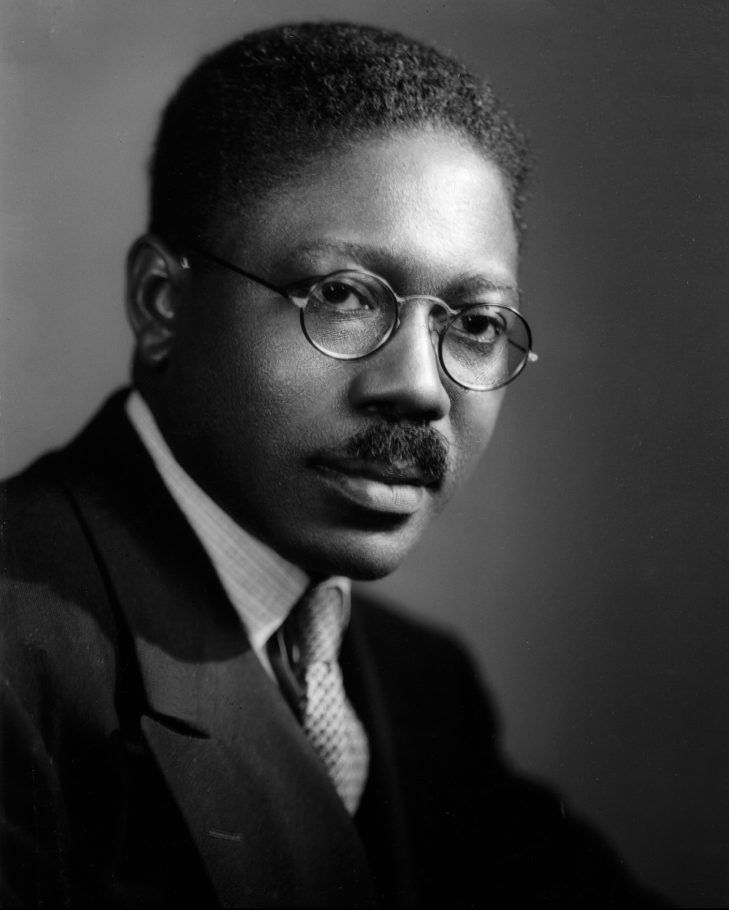
Jacob Lawrence is renowned for his narrative painting series that chronicles the experiences of African Americans, which he created during a career of more than six decades. Using geometric shapes and bold colors on flattened picture planes to express his emotions, he fleshed out the lives of Tubman, Frederick Douglass, John Brown, and African Americans migrating north from the rural south during and after slavery. Lawrence was 12 in 1929 when his family settled in Harlem, New York, at a time when African American intellectual and artistic life was flourishing there.

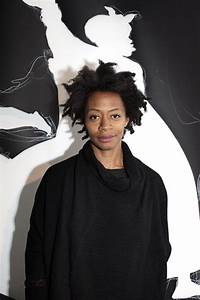
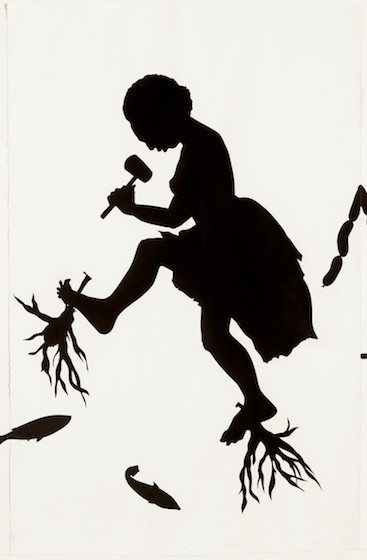
Kara Walker’s art has been exhibited across the globe. Her 1994 room-sized mural, titled Gone: An Historical Romance of a Civil War as It Occurred b’tween the Dusky Thighs of One Young Negress and Her Heart, brought her into the art world spotlight. The work consists of black cut-out silhouettes and depicts narratives of slavery and racism in the history of the south.

Black History Month

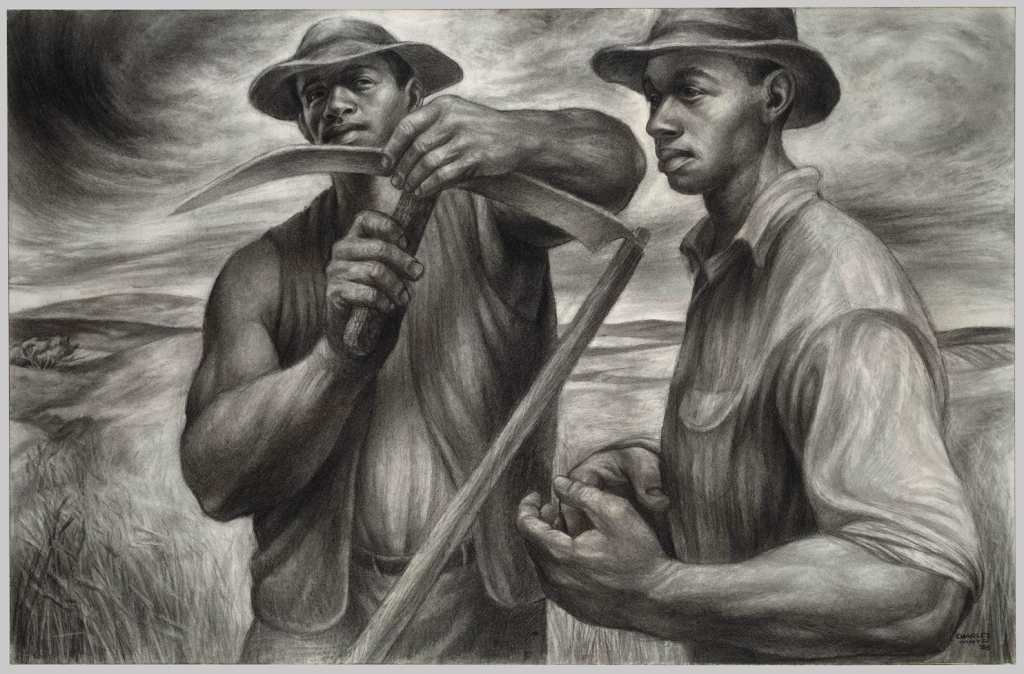
Charles White, the meticulous draftsman used his skill to render human emotion and endurance in the face of such obstacles as discrimination. His works from the 1950s, the decade when the civil rights struggle exploded in the United States, show the cost of such perseverance in images of black men and women fighting for social justice.

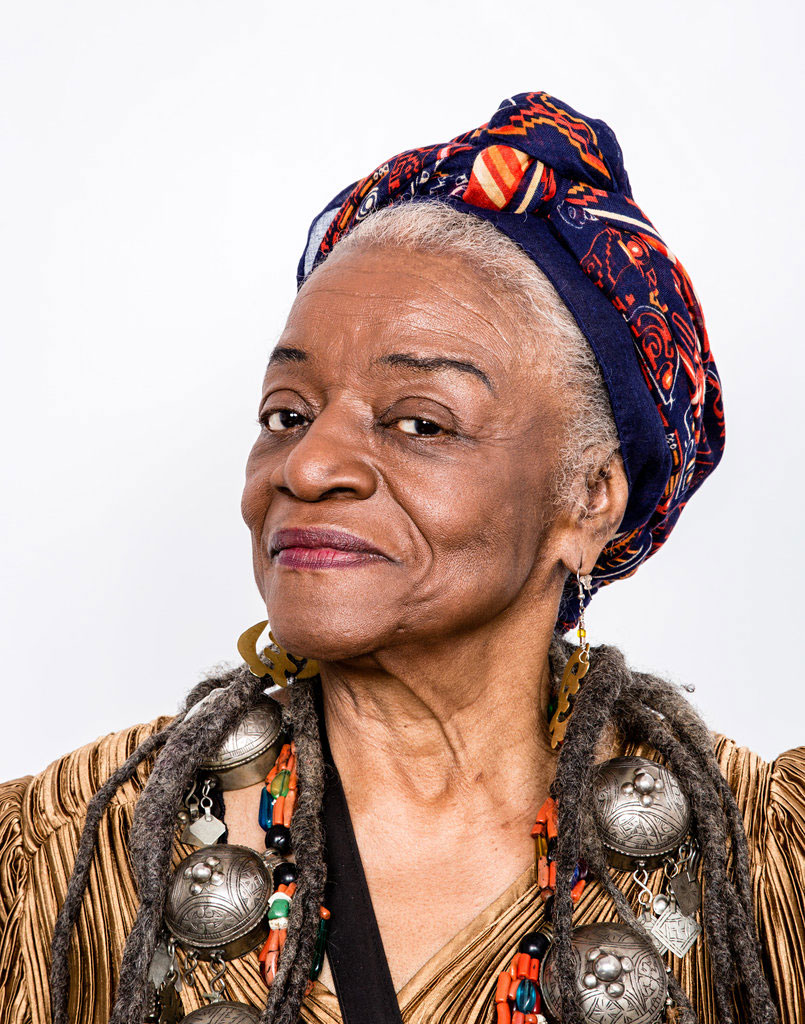
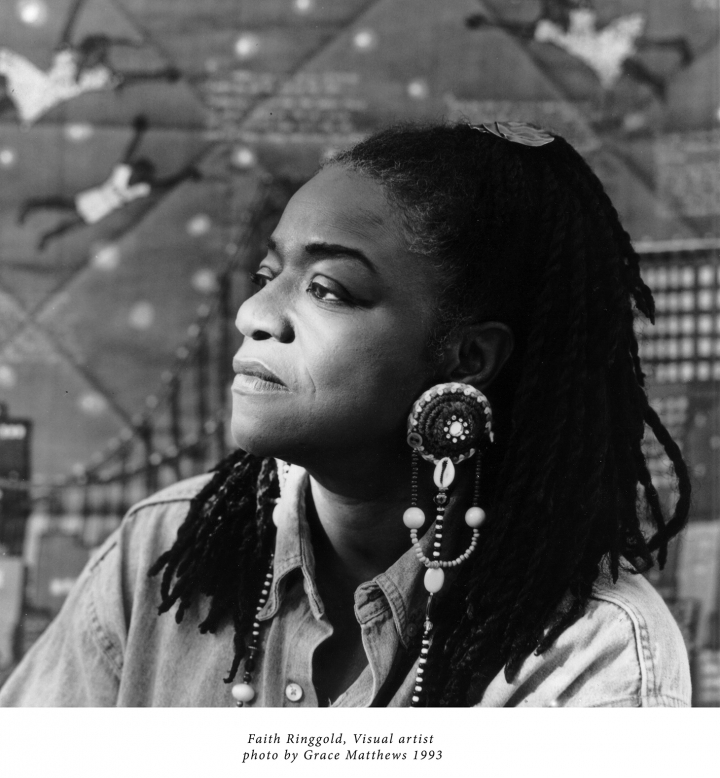
Artist and author Faith Ringgold was inspired by the fabrics used by her mother when she was a child. She has written children’s books, taught visual art, and produced narrative works about gender and race. Notably, Ringgold helped form an activist committee in the 1970s protesting the inequal presence of female artists at the Whitney Biennial. Her mosaics are present in subway stations, and her sculptures and quilts, such as the 1985 Flag Story Quilt, are part of permanent collections in New York City.

Black History Month

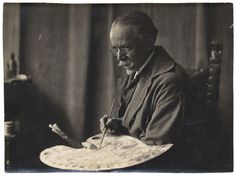
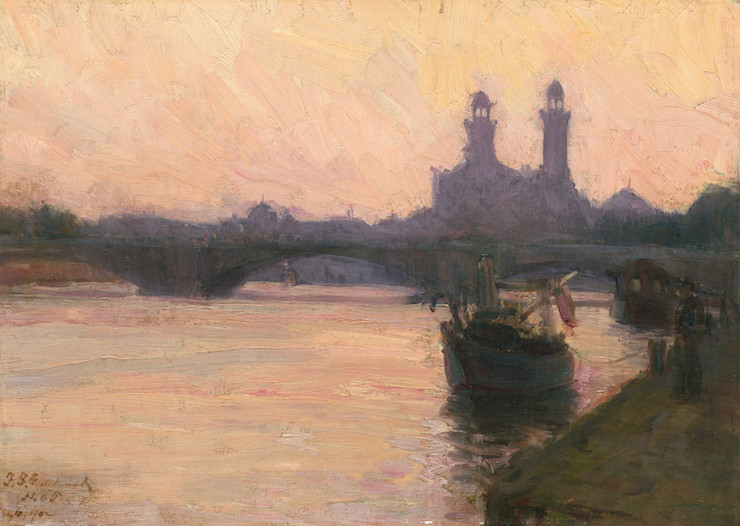
Painted 11 years after Henry Ossawa Tanner first settled in Paris in 1891, this rapidly executed plein-air oil sketch is one of the artist’s rare depictions of the French capital. His vantage point is from the right bank of the Seine looking west toward the towers of the Palais du Trocadéro, the exhibition hall built for the 1878 World’s Fair. A diffuse, hazy light fills the scene, which is free of human activity save for a solitary figure dressed in black at the lower right. With short, loose brushstrokes laden with paint, Tanner captured the scattered reflections of light across both river and sky. (from National Gallery of Art)

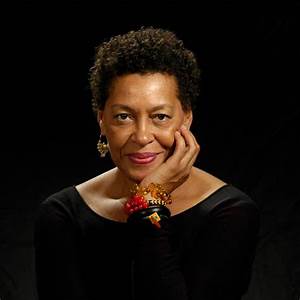
May Flowers, a compelling photograph of three young African American girls, succinctly addresses the issues of race, class, and gender that the American artist Carrie Mae Weems has explored for decades. Related to a video Weems made in 2002 titled May Days Long Forgotten, the photograph evokes both spring’s renewal and May Day, the international workers’ holiday. Befitting these themes, May Flowers depicts girls from working-class families in Syracuse, New York, wearing floral-print dresses. Its tondo format, truncated foreground space, and tight focus on the figures harks back to Renaissance paintings of the Madonna and child, while its subject—adolescent girls with flowers in their hair, lounging on the grass—recalls both 19th-century paintings and photographs, such as those by Édouard Manet and Julia Margaret Cameron. Weems intensified this historical character by printing the photograph in sepia tones and placing it in a circular frame like those gracing the walls of 19th-century parlors. (from National Gallery of Art)