Art of the Month

Ida Bell Wells-Barnett was an American investigative journalist, educator, and early leader in the civil rights movement. She was one of the founders of the National Association for the Advancement of Colored People (NAACP) Wells dedicated her career to combating prejudice and violence, and advocating for African-American equality—especially that of women.

Wells was born into slavery in Holly Springs, Mississippi on July 26, 1862. At the age of 16, she lost both her parents and her infant brother in the 1878 yellow fever epidemic. She went to work and kept the rest of the family together with the help of her grandmother. Later, moving with some of her siblings to Memphis, Tennessee, Wells found better pay as a teacher.

Wells co-owned and wrote for the Memphis Free Speech and Headlight newspaper, where her reporting covered incidents of racial segregation and inequality. Subjected to continued threats and criminal violence, including when a white mob destroyed her newspaper office and presses, Wells left Memphis for Chicago, Illinois.

Even though she moved, it didn’t stop her from documenting the lynchings of African Americans exposing the brutality and analyzing the sociology.  She was outspoken in the women’s rights and civil rights movement. In 2020, she was posthumously honored with a Pulitzer Prize special citation for her work reporting on violence against African Americans.

A story is reported that Wells went to lunch with Frederick Douglass, in a place she never thought would let her in. Yet, Douglass showed it was possible to eat in a White only restaurant.

In addition to working in educational facilities and women’s clubs, she also worked on the women’s suffrage movement.  She often would challenge the Caucasian women for not speaking out against lynching when they were talking about women’s rights.  She travelled to Europe speaking about lynching and women’s rights. She wrote an expose on the 1893 World’s Columbian Exposition in Chicago because it did not reflect African American life. She wrote investigative reports for the Chicago Defender and helped fight for worker’s rights for African American workers.

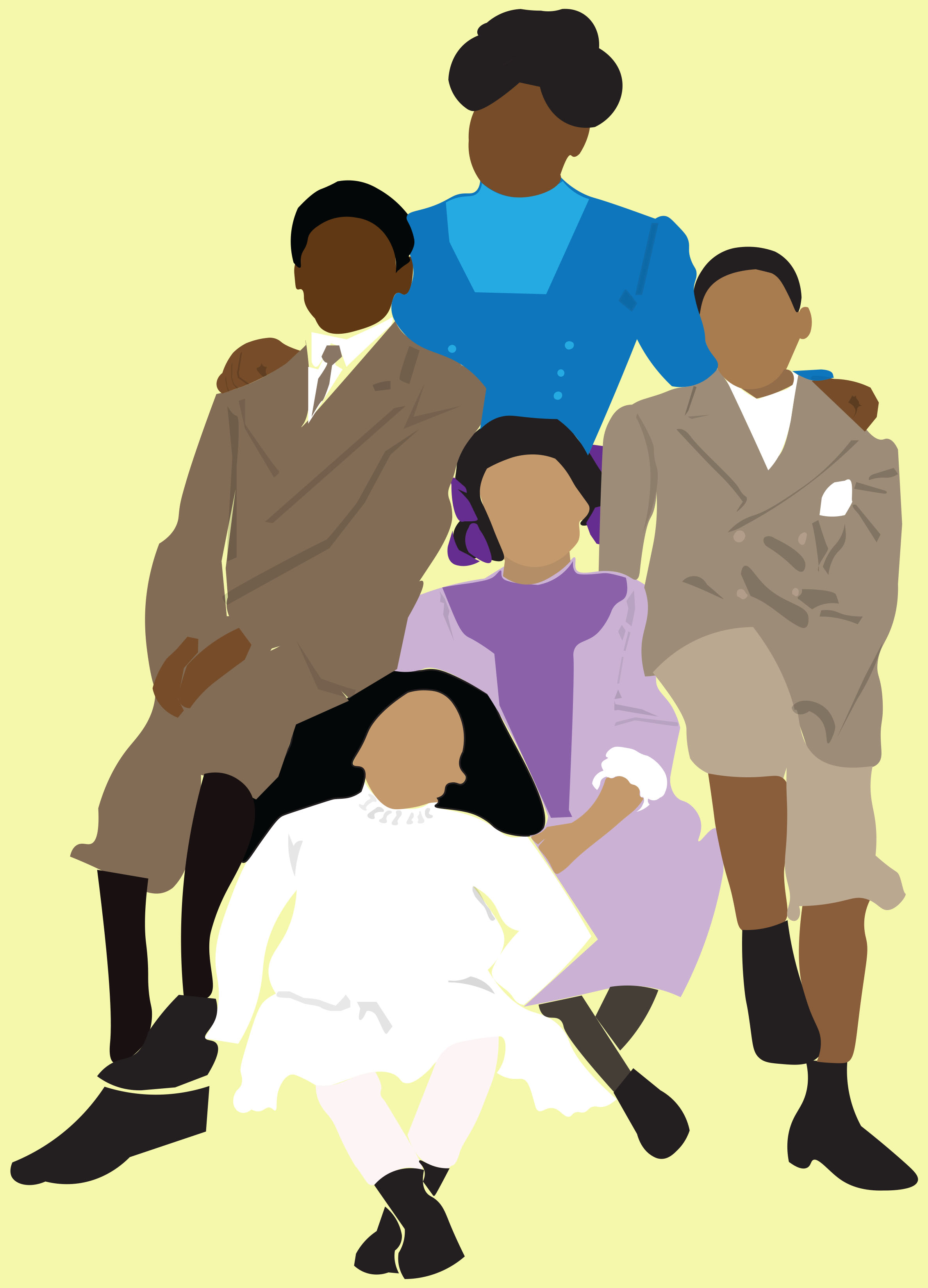
She loved her children and her husband, Ferdinand Lee Barnett. She spent a lot of time trying to balance her work life of traveling and speaking with raising her children. She died March 25, 1931.

https://en.wikipedia.org/wiki/Ida_B._Wells
Art of the Month

Ida Bell Wells-Barnett was an American investigative journalist, educator, and early leader in the civil rights movement. She was one of the founders of the National Association for the Advancement of Colored People (NAACP) Wells dedicated her career to combating prejudice and violence, and advocating for African-American equality—especially that of women.

Wells was born into slavery in Holly Springs, Mississippi on July 26, 1862. At the age of 16, she lost both her parents and her infant brother in the 1878 yellow fever epidemic. She went to work and kept the rest of the family together with the help of her grandmother. Later, moving with some of her siblings to Memphis, Tennessee, Wells found better pay as a teacher.

Wells co-owned and wrote for the Memphis Free Speech and Headlight newspaper, where her reporting covered incidents of racial segregation and inequality. Subjected to continued threats and criminal violence, including when a white mob destroyed her newspaper office and presses, Wells left Memphis for Chicago, Illinois.

Even though she moved, it didn’t stop her from documenting the lynchings of African Americans exposing the brutality and analyzing the sociology.  She was outspoken in the women’s rights and civil rights movement. In 2020, she was posthumously honored with a Pulitzer Prize special citation for her work reporting on violence against African Americans.

A story is reported that Wells went to lunch with Frederick Douglass, in a place she never thought would let her in. Yet, Douglass showed it was possible to eat in a White only restaurant.

In addition to working in educational facilities and women’s clubs, she also worked on the women’s suffrage movement.  She often would challenge the Caucasian women for not speaking out against lynching when they were talking about women’s rights.  She travelled to Europe speaking about lynching and women’s rights. She wrote an expose on the 1893 World’s Columbian Exposition in Chicago because it did not reflect African American life. She wrote investigative reports for the Chicago Defender and helped fight for worker’s rights for African American workers.

She loved her children and her husband, Ferdinand Lee Barnett. She spent a lot of time trying to balance her work life of traveling and speaking with raising her children. She died March 25, 1931.

https://en.wikipedia.org/wiki/Ida_B._Wells

Art of the Month

Ida Bell Wells-Barnett was an American investigative journalist, educator, and early leader in the civil rights movement. She was one of the founders of the National Association for the Advancement of Colored People (NAACP) Wells dedicated her career to combating prejudice and violence, and advocating for African-American equality—especially that of women.

Wells was born into slavery in Holly Springs, Mississippi on July 26, 1862. At the age of 16, she lost both her parents and her infant brother in the 1878 yellow fever epidemic. She went to work and kept the rest of the family together with the help of her grandmother. Later, moving with some of her siblings to Memphis, Tennessee, Wells found better pay as a teacher.

Wells co-owned and wrote for the Memphis Free Speech and Headlight newspaper, where her reporting covered incidents of racial segregation and inequality. Subjected to continued threats and criminal violence, including when a white mob destroyed her newspaper office and presses, Wells left Memphis for Chicago, Illinois.

Even though she moved, it didn’t stop her from documenting the lynchings of African Americans exposing the brutality and analyzing the sociology.  She was outspoken in the women’s rights and civil rights movement. In 2020, she was posthumously honored with a Pulitzer Prize special citation for her work reporting on violence against African Americans.

A story is reported that Wells went to lunch with Frederick Douglass, in a place she never thought would let her in. Yet, Douglass showed it was possible to eat in a White only restaurant.

In addition to working in educational facilities and women’s clubs, she also worked on the women’s suffrage movement.  She often would challenge the Caucasian women for not speaking out against lynching when they were talking about women’s rights.  She travelled to Europe speaking about lynching and women’s rights. She wrote an expose on the 1893 World’s Columbian Exposition in Chicago because it did not reflect African American life. She wrote investigative reports for the Chicago Defender and helped fight for worker’s rights for African American workers.

She loved her children and her husband, Ferdinand Lee Barnett. She spent a lot of time trying to balance her work life of traveling and speaking with raising her children. She died March 25, 1931.

https://en.wikipedia.org/wiki/Ida_B._Wells
Art of the Month

Ida Bell Wells-Barnett was an American investigative journalist, educator, and early leader in the civil rights movement. She was one of the founders of the National Association for the Advancement of Colored People (NAACP) Wells dedicated her career to combating prejudice and violence, and advocating for African-American equality—especially that of women.

Wells was born into slavery in Holly Springs, Mississippi on July 26, 1862. At the age of 16, she lost both her parents and her infant brother in the 1878 yellow fever epidemic. She went to work and kept the rest of the family together with the help of her grandmother. Later, moving with some of her siblings to Memphis, Tennessee, Wells found better pay as a teacher.

Wells co-owned and wrote for the Memphis Free Speech and Headlight newspaper, where her reporting covered incidents of racial segregation and inequality. Subjected to continued threats and criminal violence, including when a white mob destroyed her newspaper office and presses, Wells left Memphis for Chicago, Illinois.

Even though she moved, it didn’t stop her from documenting the lynchings of African Americans exposing the brutality and analyzing the sociology.  She was outspoken in the women’s rights and civil rights movement. In 2020, she was posthumously honored with a Pulitzer Prize special citation for her work reporting on violence against African Americans.

A story is reported that Wells went to lunch with Frederick Douglass, in a place she never thought would let her in. Yet, Douglass showed it was possible to eat in a White only restaurant.

In addition to working in educational facilities and women’s clubs, she also worked on the women’s suffrage movement.  She often would challenge the Caucasian women for not speaking out against lynching when they were talking about women’s rights.  She travelled to Europe speaking about lynching and women’s rights. She wrote an expose on the 1893 World’s Columbian Exposition in Chicago because it did not reflect African American life. She wrote investigative reports for the Chicago Defender and helped fight for worker’s rights for African American workers.

She loved her children and her husband, Ferdinand Lee Barnett. She spent a lot of time trying to balance her work life of traveling and speaking with raising her children. She died March 25, 1931.

Art of the Month

Sojourner Truth

Sojourner Truth was born Isabella Baumfree in 1797 – November 26, 1883) was an American abolitionist and activist for African-American civil rights, women’s rights, and alcohol temperance. She was born into slavery in Swartekill, New York, but escaped with her infant daughter to freedom in 1826. After going to court to recover her son in 1828, she became the first black woman to win such a case against a white man.

She changed her name to Sojourner Truth in 1843 after she became convinced that God had called her to leave the city and go into the countryside “testifying to the hope that was in her.” Her best-known speech was delivered extemporaneously, in 1851, at the Ohio Women’s Rights Convention in Akron, Ohio. The speech became widely known during the Civil War by the title “Ain’t I a Woman?”

She worked as an abolitionist championing freedom until the Civil War. During the war, she helped recruit soldiers. She spent the rest of life speaking on equal rights.

She died November 1883 at her home in Battle Creek.

Art of the Month

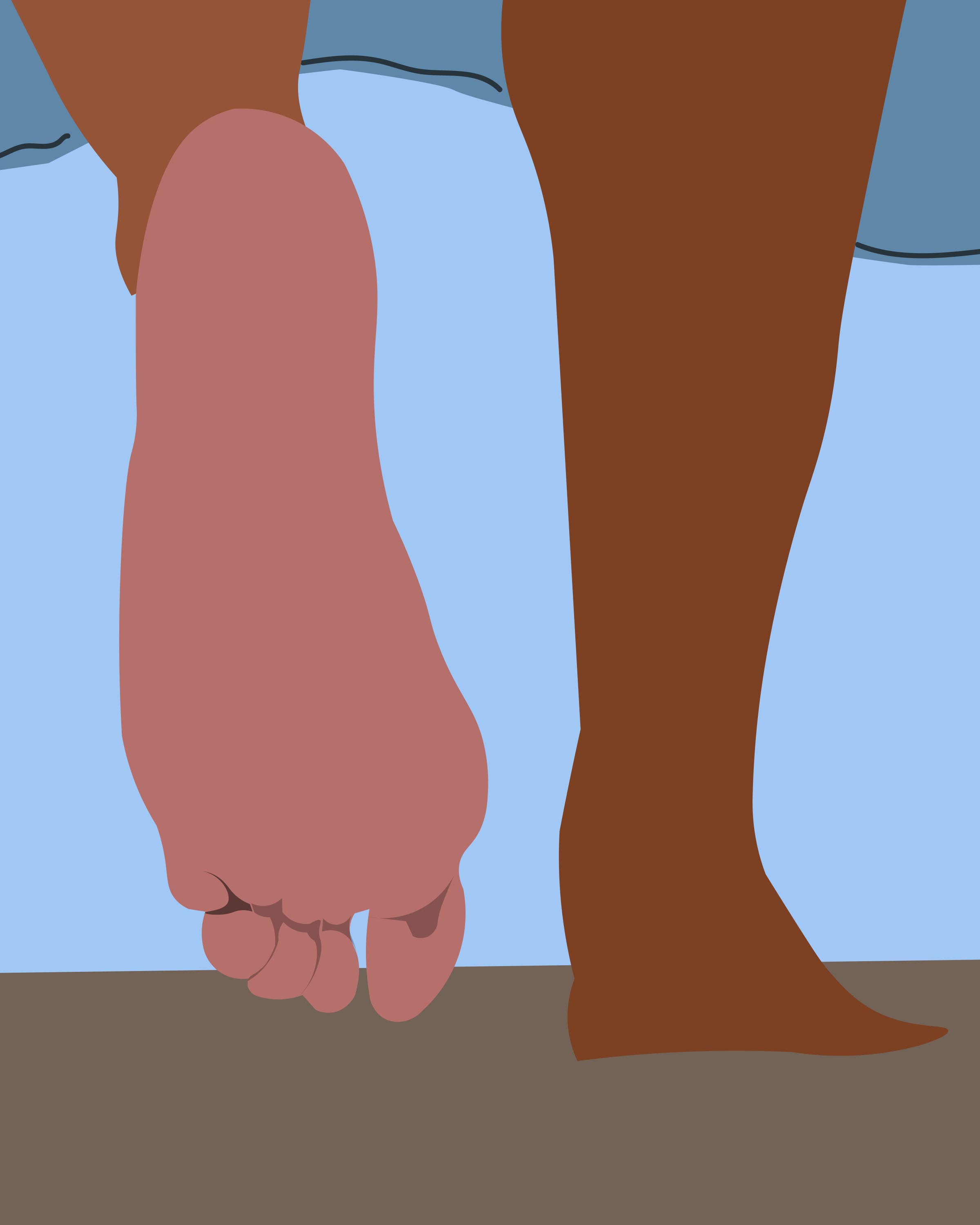
The imaage below is titled Walked Off

She said she was not a runaway slave. She walked off.

Sojourner Truth was born Isabella Baumfree in 1797 – November 26, 1883) was an American abolitionist and activist for African-American civil rights, women’s rights, and alcohol temperance. She was born into slavery in Swartekill, New York, but escaped with her infant daughter to freedom in 1826. After going to court to recover her son in 1828, she became the first black woman to win such a case against a white man.

She changed her name to Sojourner Truth in 1843 after she became convinced that God had called her to leave the city and go into the countryside “testifying to the hope that was in her.” Her best-known speech was delivered extemporaneously, in 1851, at the Ohio Women’s Rights Convention in Akron, Ohio. The speech became widely known during the Civil War by the title “Ain’t I a Woman?”

Postcards, Prints and Posters

In 2025 I will be creating postcards and prints that tell African American stories. This month, it starts with chattel slavery. I have a postcard with hands chained together. The captured people looked up. This was their view…They looked up. This image is called Homage because I dedicated it Aaron Douglas, a painter from the Harlem Renaissance who captured African American life. This postcard is $5.