Book of the Quarter

New Quarter! Another Book!

Dancing During the Storm is a collection of stories from projects that I have written over the years.  They represent a desire to praise God despite the storms in my life. As the saying goes, you are going into a storm, in the middle of a storm or coming out of a storm.  All of these stories tell of people who enjoy the life that God has given them and live it to the fullest.  Each character has a storm in their life which they are going into, in the midst of, or coming out of.

The first story is about the first man to ever encounter a storm and the impact on his life. 

The second story is about a court case that changed the lives of three of the women involved.  A Victim. A Juror. A Judge. The impact of the trial changed their thinking, yet prepared them for all that life threw at them.

The third and fourth story is a science fiction tale of the journey of a young woman who searched for peace and quiet after spending the last two years on a planet that had to resemble hell. As she emerged from the storms of her life, she saw that things were not as easy as she thought they would be.

The fifth story is another science fiction story that showed a divided world on the brink of war and two women meet to decide the fate of all the women on the planet. This meeting determined if it would either draw everyone together or increase the divide.  Would it be treason or slavery?

The sixth story two bullets changed the life of a man who had cruised through life on the back of rich parents and affluence.

Enjoy these fun, thought provoking stories, and hear the underlying intent.

You can purchase these at Amazon.com  and Books2read.com

Art the Month

Lois Mailou Jones meets us at the interesection of gender, race and profession.

Lois Mailou Jones (1905–1998) was an artist and educator. Her work can be found in the collections of the Smithsonian American Art Museum, The Metropolitan Museum of Art, the National Museum of Women in the Arts, the Brooklyn Museum, the Museum of Fine Arts, Boston, Muscarelle Museum of Art, and The Phillips Collection.

She is often associated with the Harlem Renaissance.

Jones was born in Boston, Massachusetts, to Thomas Vreeland Jones and Carolyn Adams. Her father was a building superintendent who later became a lawyer after becoming the first African-American to earn a law degree from Suffolk Law School. Her mother worked as a cosmetologist. 

Jones’s parents encouraged her to draw and paint using watercolors during her childhood. Her parents bought a house on Martha’s Vineyard, where Jones met those who influenced her life and art, such as sculptor Meta Warrick Fuller, composer Harry T. Burleigh, and novelist Dorothy West.

From 1919 to 1923, Jones attended the High School of Practical Arts in Boston. She took night classes from the Boston Museum of Fine Arts through an annual scholarship. Additionally, she apprenticed in costume design with Grace Ripley. She held her first solo exhibition at the age of seventeen in Martha’s Vineyard. Jones began experimenting with African mask influences during her time at the Ripley Studio. From her research of African masks, Jones created costume designs for Denishawn.

From 1923 to 1927, Jones attended the School of the Museum of Fine Arts in Boston to study design, where she won the Susan Minot Lane Scholarship in Design yearly. She took night courses at the Boston Normal Art School while working towards her degree. After graduating from the School of the Museum of Fine Arts, she received her graduate degree in design from the Design Art School of Boston in 1928. Afterwards, she began working at the F. A. Foster Company in Boston and the Schumacher Company in New York City. During the summer of 1928, she attended Howard University, where she decided to focus on painting instead of design.

https://en.wikipedia.org/wiki/Lois_Mailou_Jones

Book of the Quarter

Destiny’s Dilemma

An African American woman moved home to take care of her dying mother giving up the opportunity to experience a world beyond segregation. Zoraida Hughes Williams finds that some things have changed about her hometown of Fort Worth, Texas while some have stayed the same, like Hell’s Half Acre, an area where saloons, prostitution and gambling runs wild. Like most of the residents, she wants to keep her head down and stay away from trouble, but it comes in the unlikely form of an Anglo Baptist preacher. He messes up everything and almost gets them killed.

Available on Amazon.com

or Books2read.com which include Barnes & Noble, Apple, Indigo and more.

Art of the Month

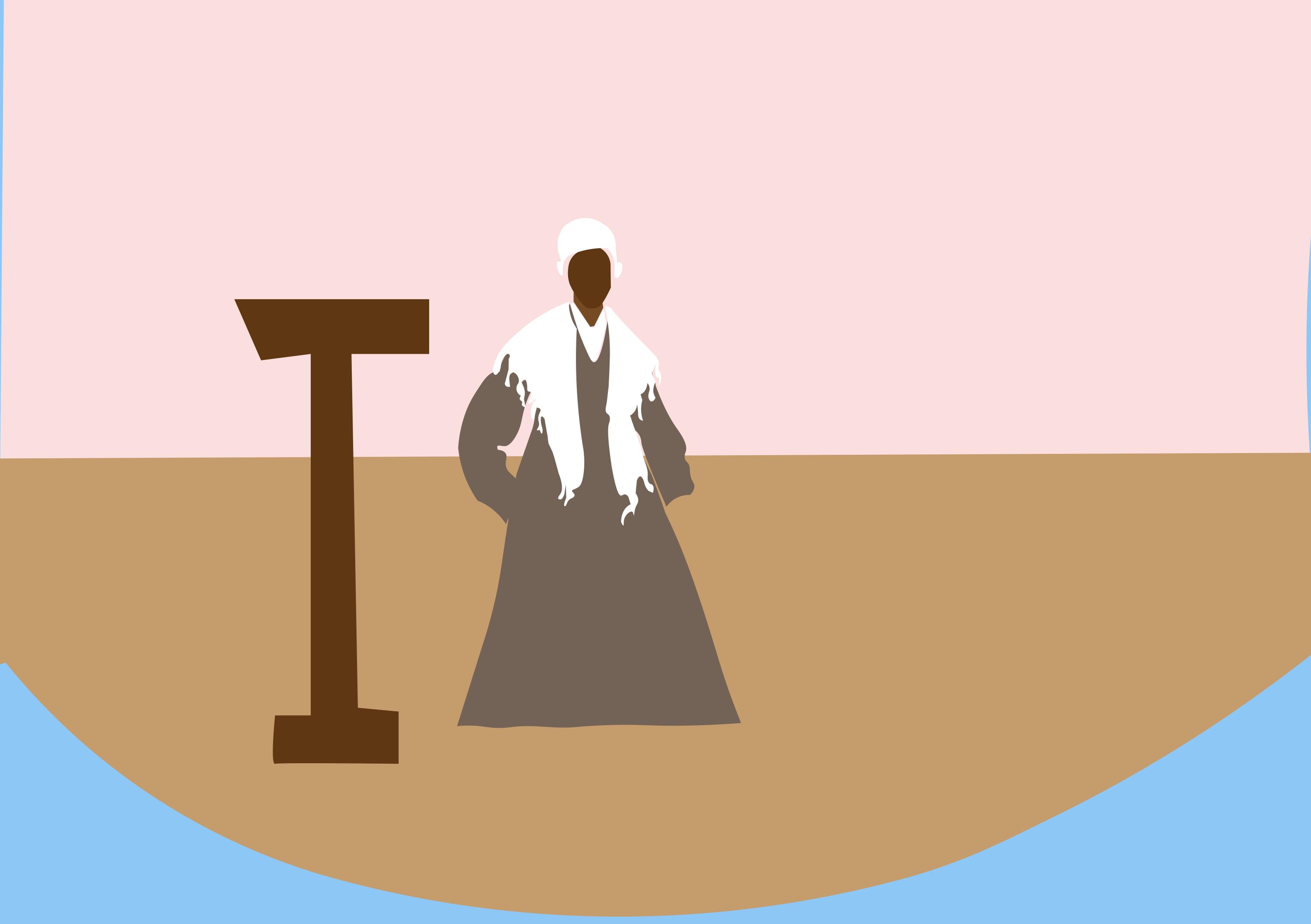
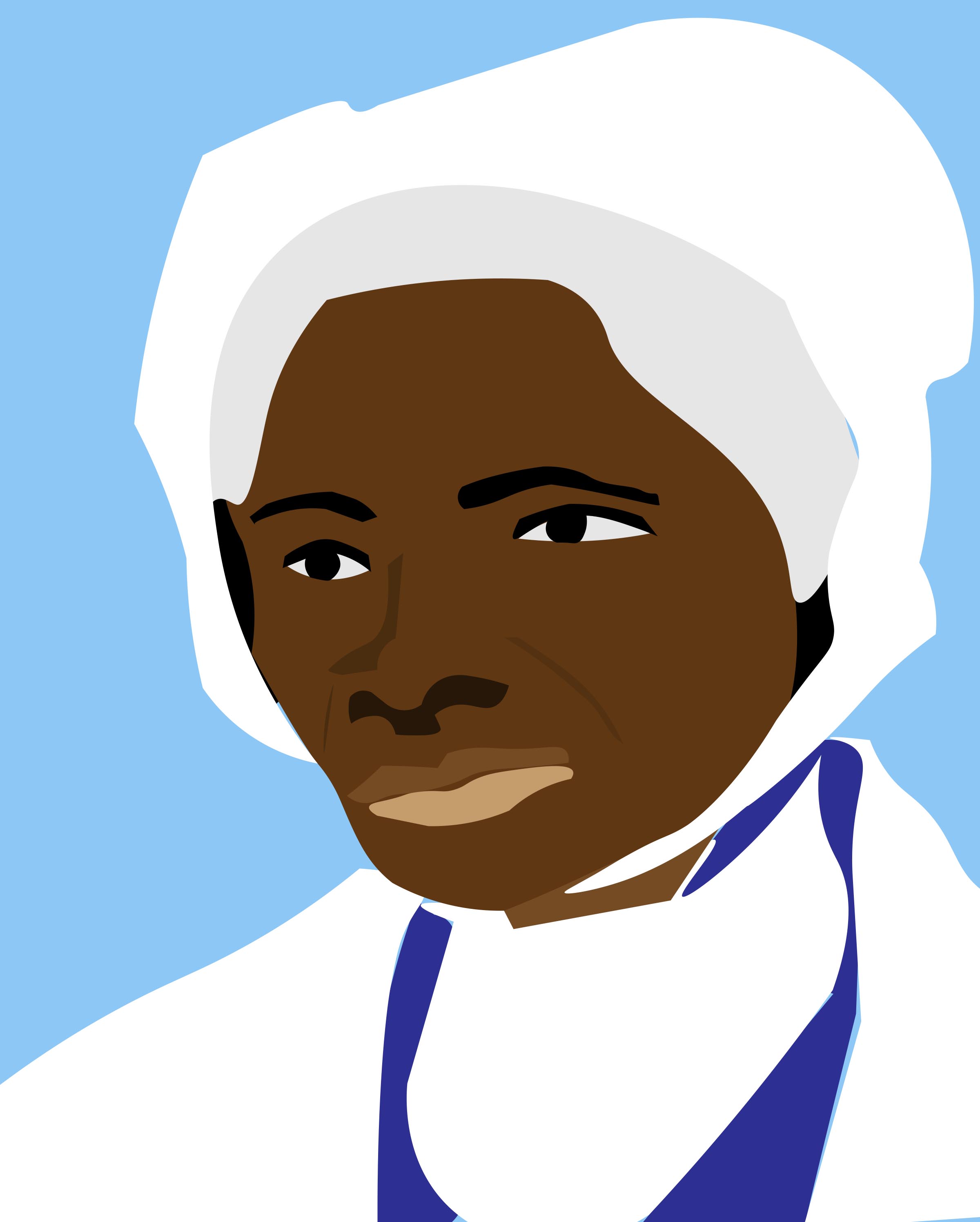
Sojourner Truth

She was born between 1797 and 1883 and given the name Isabella in a Dutch speaking county in New York.

She meets us at the intersection of former slave, abolitionist, women’s rights activists, mother, daughter, wife.

Isabella Baumfree spent the first nine years of her life close to her family. Her father,  James Baumfree was captured from Ghana. Her mother Elizabeth was captured from Guinea. She was sold for the first time at the age of nine.  She  spent the next decade of her life being sold to not very nice people.

She had a husband and five children. Her last master was supposed to free her, but reneged. In late  1826, she escaped with her daughter Sophia.

 I did not run off, for I thought that wicked, but I walked off, believing that to be all right.”

She walked to freedom.

This happened because in 1799, the State of New York created laws to abolition slavery which was complete in 1827.  Baumfree’s slaver owner refused to let her go, so she left with her youngest child. According to the law the other children would be free when they were in their twenties.

Her former slave owner sold her young son, who was 5 years old, to a slave owner in Alabama. With the help of some others, Baumfree fought for her son in court. She was the first African American to sue her slave owner in court and win.

On June 1, 1843, she changed her name to Sojourner Truth because she felt the Lord calling her to preach the truth. In 1944, Truth joined the Northampton Association of Education and Industry through which she met Frederick Douglass and others who encouraged her to speak publicly.

In 1850 she dictated her memoir, The Narrative of Sojourner Truth, A Northern Slave.  In 1951, while on a speaking tour, she delivered her famous speech Aint I A Woman which demanded equal rights for women.

She spoke at several meetings before the war. Afterwards she became a proponent of women’s rights. As she aged, she was cared for by her two daughters. She died at her home in Battle Creek Michigan in November of 1883.

She meets us at the intersection of human being, African American, woman, Activist, Christ follower and family member.

Book of the Quarter

An African American woman moved home to take care of her dying mother giving up the opportunity to experience a world beyond segregation. Zoraida Hughes Williams finds that some things have changed about her hometown of Fort Worth, Texas while some have stayed the same, like Hell’s Half Acre, an area where saloons, prostitution and gambling runs wild. Like most of the residents, she wants to keep her head down and stay away from trouble, but it comes in the unlikely form of an Anglo Baptist preacher. He messes up everything and almost gets them killed.

Available on Amazon.com or Books2read.com which include Barnes & Noble, Apple, Indigo and more.

Art of the Month

She was born between 1797 and 1883 and given the name Isabella in a Dutch speaking county in New York.

She meets us at the intersection of former slave, abolitionist, women’s rights activists, mother, daughter, wife.

Isabella Baumfree spent the first nine years of her life close to her family. Her father,  James Baumfree was captured from Ghana. Her mother Elizabeth was captured from Guinea. She was sold for the first time at the age of nine.  She  spent the next decade of her life being sold to not very nice people.

She had a husband and five children. Her last master was supposed to free her, but reneged. In late  1826, she escaped with her daughter Sophia.

 I did not run off, for I thought that wicked, but I walked off, believing that to be all right.”

She walked to freedom.

This happened because in 1799, the State of New York created laws to abolition slavery which was complete in 1827.  Baumfree’s slaver owner refused to let her go, so she left with her youngest child. According to the law the other children would be free when they were in their twenties.

Her former slave owner sold her young son, who was 5 years old, to a slave owner in Alabama. With the help of some others, Baumfree fought for her son in court. She was the first African American to sue her slave owner in court and win.

On June 1, 1843, she changed her name to Sojourner Truth because she felt the Lord calling her to preach the truth. In 1944, Truth joined the Northampton Association of Education and Industry through which she met Frederick Douglass and others who encouraged her to speak publicly.

In 1850 she dictated her memoir, The Narrative of Sojourner Truth, A Northern Slave.  In 1951, while on a speaking tour, she delivered her famous speech Aint I A Woman which demanded equal rights for women.