An African American woman moved home to take care of her dying mother giving up the opportunity to experience a world beyond segregation. Zoraida Hughes Williams finds that some things have changed about her hometown of Fort Worth, Texas while some have stayed the same, like Hell’s Half Acre, an area where saloons, prostitution and gambling runs wild. Like most of the residents, she wants to keep her head down and stay away from trouble, but it comes in the unlikely form of an Anglo Baptist preacher. He messes up everything and almost gets them killed.
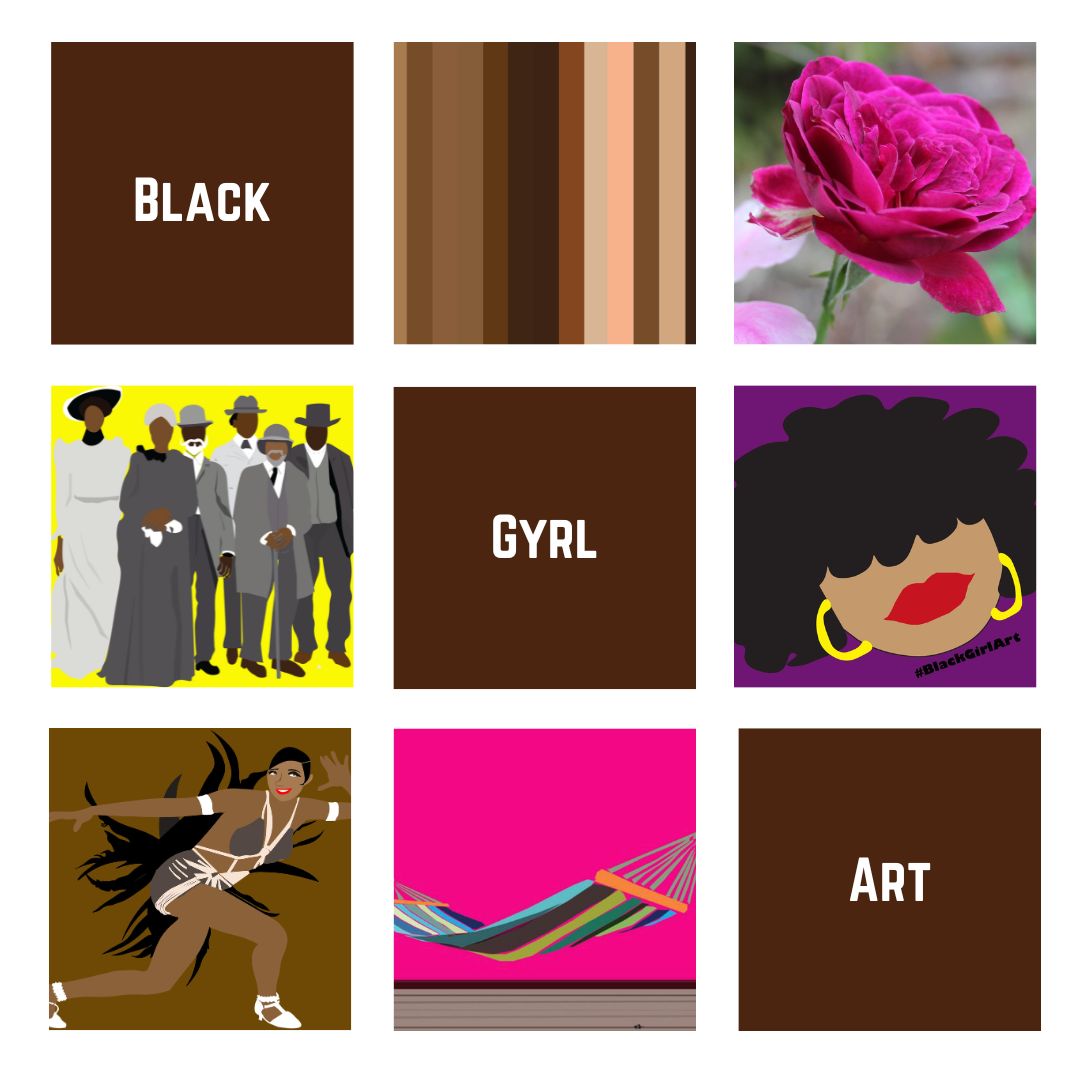
African American women are a force of strength and resilience, leaving an indelible mark on the world throughout history. Despite the many challenges designed to hold us back, we have never been defeated. When laws were created to suppress our hair, we responded with creativity—crafting headscarves that became timeless symbols of style and strength. We turned our hair into art, weaving stories and even maps into our styles.
Trailblazers like fashion designer Zelda Wynn Valdes broke barriers, opening her own fashion house and designing the iconic Playboy Bunny costume—making history with every stitch.
We’ve always known that Black is beautiful. That truth gained widespread recognition during the 1950s and 60s, when a movement arose to celebrate the natural beauty of African American women. It was a time of bold defiance against societal norms. Instead of conforming by straightening their hair, women embraced their roots—literally—with full, glorious afros.
We’ve turned something as simple as a look into a statement, a culture, a way of life.
African American women are a force of strength and resilience, leaving an indelible mark on the world throughout history. Despite the many challenges designed to hold us back, we have never been defeated. When laws were created to suppress our hair, we responded with creativity—crafting headscarves that became timeless symbols of style and strength. We turned our hair into art, weaving stories and even maps into our styles.
Trailblazers like fashion designer Zelda Wynn Valdes broke barriers, opening her own fashion house and designing the iconic Playboy Bunny costume—making history with every stitch.
We’ve always known that Black is beautiful. That truth gained widespread recognition during the 1950s and 60s, when a movement arose to celebrate the natural beauty of African American women. It was a time of bold defiance against societal norms. Instead of conforming by straightening their hair, women embraced their roots—literally—with full, glorious afros.
We’ve turned something as simple as a look into a statement, a culture, a way of life.
Dancing During the Storm is a collection of stories from projects that I have written over the years. They represent a desire to praise God despite the storms in my life. As the saying goes, you are going into a storm, in the middle of a storm or coming out of a storm. All of these stories tell of people who enjoy the life that God has given them and live it to the fullest. Each character has a storm in their life which they are going into, in the midst of, or coming out of.
The first story is about the first man to ever encounter a storm and the impact on his life.
The second story is about a court case that changed the lives of three of the women involved. A Victim. A Juror. A Judge. The impact of the trial changed their thinking, yet prepared them for all that life threw at them.
The third and fourth story is a science fiction tale of the journey of a young woman who searched for peace and quiet after spending the last two years on a planet that had to resemble hell. As she emerged from the storms of her life, she saw that things were not as easy as she thought they would be.
The fifth story is another science fiction story that showed a divided world on the brink of war and two women meet to decide the fate of all the women on the planet. This meeting determined if it would either draw everyone together or increase the divide. Would it be treason or slavery?
The sixth story two bullets changed the life of a man who had cruised through life on the back of rich parents and affluence.
Enjoy these fun, thought provoking stories, and hear the underlying intent.
African American women are a force of strength and resilience, leaving an indelible mark on the world throughout history. Despite the many challenges designed to hold us back, we have never been defeated. When laws were created to suppress our hair, we responded with creativity—crafting headscarves that became timeless symbols of style and strength. We turned our hair into art, weaving stories and even maps into our styles.
Trailblazers like fashion designer Zelda Wynn Valdes broke barriers, opening her own fashion house and designing the iconic Playboy Bunny costume—making history with every stitch.
We’ve always known that Black is beautiful. That truth gained widespread recognition during the 1950s and 60s, when a movement arose to celebrate the natural beauty of African American women. It was a time of bold defiance against societal norms. Instead of conforming by straightening their hair, women embraced their roots—literally—with full, glorious afros.
We’ve turned something as simple as a look into a statement, a culture, a way of life.
African American women are a force of strength and resilience, leaving an indelible mark on the world throughout history. Despite the many challenges designed to hold us back, we have never been defeated. When laws were created to suppress our hair, we responded with creativity—crafting headscarves that became timeless symbols of style and strength. We turned our hair into art, weaving stories and even maps into our styles.
Trailblazers like fashion designer Zelda Wynn Valdes broke barriers, opening her own fashion house and designing the iconic Playboy Bunny costume—making history with every stitch.
We’ve always known that Black is beautiful. That truth gained widespread recognition during the 1950s and 60s, when a movement arose to celebrate the natural beauty of African American women. It was a time of bold defiance against societal norms. Instead of conforming by straightening their hair, women embraced their roots—literally—with full, glorious afros.
We’ve turned something as simple as a look into a statement, a culture, a way of life.
An African American woman moved home to take care of her dying mother giving up the opportunity to experience a world beyond segregation. Zoraida Hughes Williams finds that some things have changed about her hometown of Fort Worth, Texas while some have stayed the same, like Hell’s Half Acre, an area where saloons, prostitution and gambling runs wild. Like most of the residents, she wants to keep her head down and stay away from trouble, but it comes in the unlikely form of an Anglo Baptist preacher. He messes up everything and almost gets them killed.
Josephine Baker (3 June 1906 – 12 April 1975) was an American-born French dancer, singer and actress. Her career was centered primarily in Europe, mostly in her adopted France. She was the first black woman to star in a major motion picture, the 1927 silent film Siren of the Tropics, directed by Mario Nalpas and Henri Étiévant.
She was born in St Louis, Missouri, as Freda Josephine McDonald where she had a very rough beginning. She dropped out of school at age 12 and had two failed marriages at ages 13 and 15. Then she joined a vaudeville troupe that took her to New York City. She later became part of a show, Shuffle Along in the chorus line. This would be one of the first steps to her success. She joined the cast in the chorus.
She used comedy to make herself stand out in the chorus line, and later launch a career that sent her overseas because prejudice limited what she could accomplish in the United States. In Paris she became a success which led to a career that spanned all over Europe. Some have called her the first Beyonce in that she starred in theater and movies in France and became a standout star.
She did not limit her life to performance, during World War II she became a spy for the French Resistance and later received a medal for her work. In the 1950s became active in the Civil Rights Movement traveling throughout the southern part of the United States. Ever the humanitarian, she also adopted 12 children from around the world and raise them.
An African American woman moved home to take care of her dying mother giving up the opportunity to experience a world beyond segregation. Zoraida Hughes Williams finds that some things have changed about her hometown of Fort Worth, Texas while some have stayed the same, like Hell’s Half Acre, an area where saloons, prostitution and gambling runs wild. Like most of the residents, she wants to keep her head down and stay away from trouble, but it comes in the unlikely form of an Anglo Baptist preacher. He messes up everything and almost gets them killed.