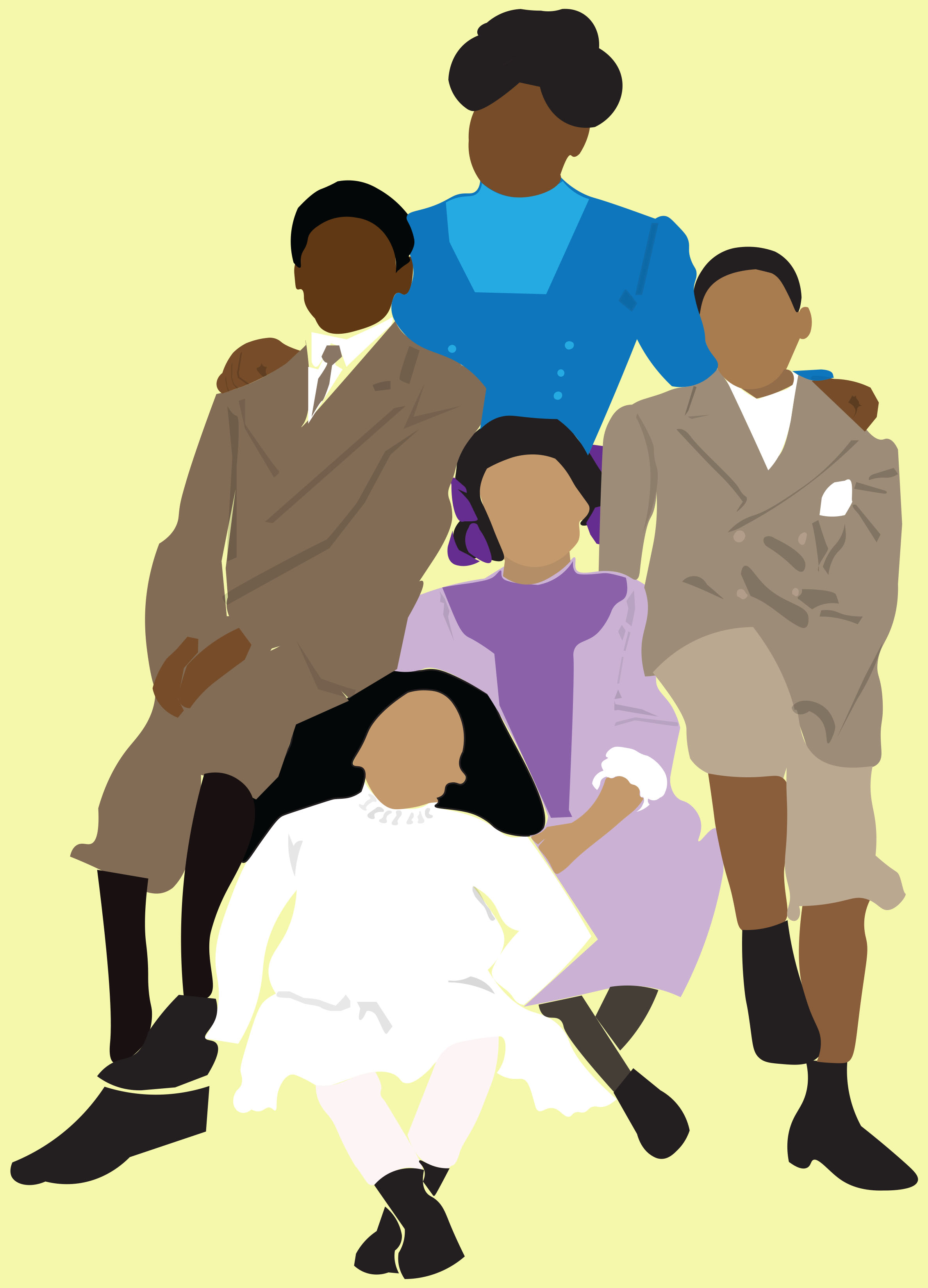
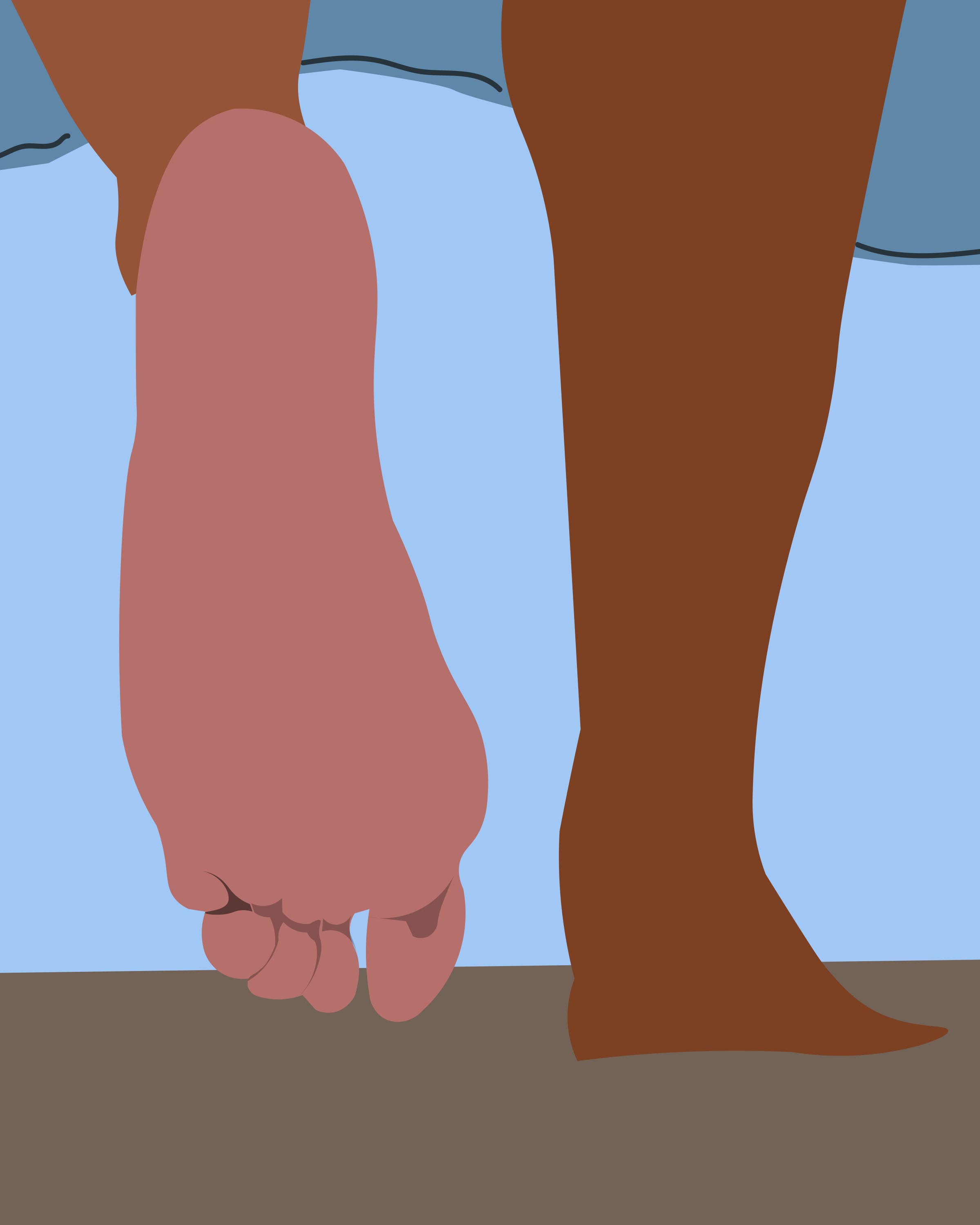
Here and Here you can find artwork that reflects the African American and Faith communities. You can purchase prints or items with images on them, like tote bags.
If this is new to you, you can start small. I even have postcards.
Kamala Devi Harris born October 20, 1964, is an American politician and attorney who has been the 49th and current vice president of the United States since 2021, serving under President Joe Biden. Harris is the Democratic Party’s nominee for president in the 2024 election. She is the first female vice president of the United States, making her the highest ranking female official in U.S. history. She is also the first African American, and the first Asian American vice president. From 2017 to 2021, she represented California in the United States Senate. Before that, she was the attorney general of California.
Born in Oakland, California, Harris graduated from Howard University and the University of California, Hastings College of the Law. She began her law career in the office of the district attorney of Alameda County. She was recruited to the San Francisco District Attorney’s Office and later to the office of the city attorney of San Francisco. She was elected district attorney of San Francisco in 2003 and attorney general of California in 2010, and reelected as attorney general in 2014. As the San Francisco district attorney and the attorney general of California, Harris was the first woman, the first African American, and the first Asian American to hold each office.
Harris was the junior U.S. senator from California from 2017 to 2021. She won the 2016 Senate election, becoming the second Black woman and first South Asian American U.S. senator. As a senator, Harris advocated for stricter gun control laws, the DREAM Act, federal legalization of cannabis, and reforms to healthcare and taxation. She gained a national profile for her pointed questioning of Trump administration officials during Senate hearings, including Trump’s second Supreme Court nominee, Brett Kavanaugh.
Harris sought the 2020 Democratic presidential nomination in 2019, but withdrew from the race before the primaries. Biden selected her as his running mate, and their ticket defeated the incumbent president and vice president, Donald Trump and Mike Pence, in the 2020 election. Presiding over an evenly split Senate upon entering office, Harris played a crucial role as president of the Senate. She cast more tie-breaking votes than any other vice president, which helped pass bills such as the American Rescue Plan Act of 2021 stimulus package and the Inflation Reduction Act of 2022. After Biden withdrew from the 2024 presidential election, Harris launched her campaign with Biden’s endorsement and soon became the presumptive nominee. On August 6, 2024, she chose Tim Walz, the governor of Minnesota, as her running mate.
Kamala Devi Harris born October 20, 1964, is an American politician and attorney who has been the 49th and current vice president of the United States since 2021, serving under President Joe Biden. Harris is the Democratic Party’s nominee for president in the 2024 election. She is the first female vice president of the United States, making her the highest ranking female official in U.S. history. She is also the first African American, and the first Asian American vice president. From 2017 to 2021, she represented California in the United States Senate. Before that, she was the attorney general of California.
Born in Oakland, California, Harris graduated from Howard University and the University of California, Hastings College of the Law. She began her law career in the office of the district attorney of Alameda County. She was recruited to the San Francisco District Attorney’s Office and later to the office of the city attorney of San Francisco. She was elected district attorney of San Francisco in 2003 and attorney general of California in 2010, and reelected as attorney general in 2014. As the San Francisco district attorney and the attorney general of California, Harris was the first woman, the first African American, and the first Asian American to hold each office.
Harris was the junior U.S. senator from California from 2017 to 2021. She won the 2016 Senate election, becoming the second Black woman and first South Asian American U.S. senator. As a senator, Harris advocated for stricter gun control laws, the DREAM Act, federal legalization of cannabis, and reforms to healthcare and taxation. She gained a national profile for her pointed questioning of Trump administration officials during Senate hearings, including Trump’s second Supreme Court nominee, Brett Kavanaugh.
Harris sought the 2020 Democratic presidential nomination in 2019, but withdrew from the race before the primaries. Biden selected her as his running mate, and their ticket defeated the incumbent president and vice president, Donald Trump and Mike Pence, in the 2020 election. Presiding over an evenly split Senate upon entering office, Harris played a crucial role as president of the Senate. She cast more tie-breaking votes than any other vice president, which helped pass bills such as the American Rescue Plan Act of 2021 stimulus package and the Inflation Reduction Act of 2022. After Biden withdrew from the 2024 presidential election, Harris launched her campaign with Biden’s endorsement and soon became the presumptive nominee. On August 6, 2024, she chose Tim Walz, the governor of Minnesota, as her running mate.
Zora Neale Hurston (January 7, 1891 – January 28, 1960) was an American writer, anthropologist, folklorist, and documentary filmmaker. She portrayed racial struggles in the early-20th-century American South and published research on Hoodoo and Caribbean Vodou. The most popular of her four novels is Their Eyes Were Watching God, published in 1937. She also wrote more than 50 short stories, plays, an autobiography, ethnographies, and many essays.
Hurston was born in Notasulga, Alabama, and moved with her family to Eatonville, Florida in 1894. She later used Eatonville as the setting for many of her stories. In her early career, Hurston conducted anthropological and ethnographic research as a scholar at Barnard College and Columbia University. She had an interest in African-American and Caribbean folklore, and how these contributed to the community’s identity.
She also wrote about contemporary issues in the black community and became a central figure of the Harlem Renaissance. Her short satires, drawing from the African-American experience and racial division, were published in anthologies such as The New Negro and Fire!! After moving back to Florida, Hurston wrote and published her literary anthology on African-American folklore in North Florida, Mules and Men (1935), and her first three novels: Jonah’s Gourd Vine (1934); Their Eyes Were Watching God (1937); and Moses, Man of the Mountain (1939). Also published during this time was Tell My Horse: Voodoo and Life in Haiti and Jamaica (1938), documenting her research on rituals in Jamaica and Haiti.
Hurston traveled extensively in the Caribbean and the American South and immersed herself in local cultural practices to conduct her anthropological research.
In 1935, Hurston traveled to Georgia and Florida for research on African-American song traditions and their relationship to slave and African antecedent music. In 1936 and 1937, Hurston traveled to Jamaica and Haiti for research, with support from the Guggenheim Foundation. She drew from this research for Tell My Horse (1938), a genre-defying book that mixes anthropology, folklore, and personal narrative.
Her nonfiction book, Barracoon: The Story of the Last “Black Cargo” was published in 2018. It is the story of Cudjoe Lewis (Kossola).
Zora Neale Hurston (January 7, 1891 – January 28, 1960) was an American writer, anthropologist, folklorist, and documentary filmmaker. She portrayed racial struggles in the early-20th-century American South and published research on Hoodoo and Caribbean Vodou. The most popular of her four novels is Their Eyes Were Watching God, published in 1937. She also wrote more than 50 short stories, plays, an autobiography, ethnographies, and many essays.
Hurston was born in Notasulga, Alabama, and moved with her family to Eatonville, Florida in 1894. She later used Eatonville as the setting for many of her stories. In her early career, Hurston conducted anthropological and ethnographic research as a scholar at Barnard College and Columbia University. She had an interest in African-American and Caribbean folklore, and how these contributed to the community’s identity.
She also wrote about contemporary issues in the black community and became a central figure of the Harlem Renaissance. Her short satires, drawing from the African-American experience and racial division, were published in anthologies such as The New Negro and Fire!! After moving back to Florida, Hurston wrote and published her literary anthology on African-American folklore in North Florida, Mules and Men (1935), and her first three novels: Jonah’s Gourd Vine (1934); Their Eyes Were Watching God (1937); and Moses, Man of the Mountain (1939). Also published during this time was Tell My Horse: Voodoo and Life in Haiti and Jamaica (1938), documenting her research on rituals in Jamaica and Haiti.
Hurston traveled extensively in the Caribbean and the American South and immersed herself in local cultural practices to conduct her anthropological research.
In 1935, Hurston traveled to Georgia and Florida for research on African-American song traditions and their relationship to slave and African antecedent music. In 1936 and 1937, Hurston traveled to Jamaica and Haiti for research, with support from the Guggenheim Foundation. She drew from this research for Tell My Horse (1938), a genre-defying book that mixes anthropology, folklore, and personal narrative.
Zora Neale Hurston (January 7, 1891 – January 28, 1960) was an American writer, anthropologist, folklorist, and documentary filmmaker. She portrayed racial struggles in the early-20th-century American South and published research on Hoodoo and Caribbean Vodou. The most popular of her four novels is Their Eyes Were Watching God, published in 1937. She also wrote more than 50 short stories, plays, an autobiography, ethnographies, and many essays.
Hurston was born in Notasulga, Alabama, and moved with her family to Eatonville, Florida in 1894. She later used Eatonville as the setting for many of her stories. In her early career, Hurston conducted anthropological and ethnographic research as a scholar at Barnard College and Columbia University. She had an interest in African-American and Caribbean folklore, and how these contributed to the community’s identity.
She also wrote about contemporary issues in the black community and became a central figure of the Harlem Renaissance. Her short satires, drawing from the African-American experience and racial division, were published in anthologies such as The New Negro and Fire!! After moving back to Florida, Hurston wrote and published her literary anthology on African-American folklore in North Florida, Mules and Men (1935), and her first three novels: Jonah’s Gourd Vine (1934); Their Eyes Were Watching God (1937); and Moses, Man of the Mountain (1939). Also published during this time was Tell My Horse: Voodoo and Life in Haiti and Jamaica (1938), documenting her research on rituals in Jamaica and Haiti.
Zora Neale Hurston (January 7, 1891 – January 28, 1960) was an American writer, anthropologist, folklorist, and documentary filmmaker. She portrayed racial struggles in the early-20th-century American South and published research on Hoodoo and Caribbean Vodou. The most popular of her four novels is Their Eyes Were Watching God, published in 1937. She also wrote more than 50 short stories, plays, an autobiography, ethnographies, and many essays.
Hurston was born in Notasulga, Alabama, and moved with her family to Eatonville, Florida in 1894. She later used Eatonville as the setting for many of her stories. In her early career, Hurston conducted anthropological and ethnographic research as a scholar at Barnard College and Columbia University. She had an interest in African-American and Caribbean folklore, and how these contributed to the community’s identity.
She also wrote about contemporary issues in the black community and became a central figure of the Harlem Renaissance. Her short satires, drawing from the African-American experience and racial division, were published in anthologies such as The New Negro and Fire!! After moving back to Florida, Hurston wrote and published her literary anthology on African-American folklore in North Florida, Mules and Men (1935), and her first three novels: Jonah’s Gourd Vine (1934); Their Eyes Were Watching God (1937); and Moses, Man of the Mountain (1939). Also published during this time was Tell My Horse: Voodoo and Life in Haiti and Jamaica (1938), documenting her research on rituals in Jamaica and Haiti.