I love doing this podcast with my sister. This week we talk about the 70s. You don’t want to miss this.
The mid 70s showcased the police drama on TV, the Jackson’s on the radio and TV and a new focus on black pride. The world was embracing the funky music but the resignation of President Nixon cast a shadow on the nation. Or did it? See what the Sistas remember from their early days.
As African kingdoms begin to rise and fall, outsiders begin to creep in with eyes on the treasures throughout the land.
In 1200 Mali Empire rises under Sunjata Keita and after 1250 expands to the Atlantic coast.
In 1324 Mansa Musa, emperor of Mali, pilgrimages to Mecca
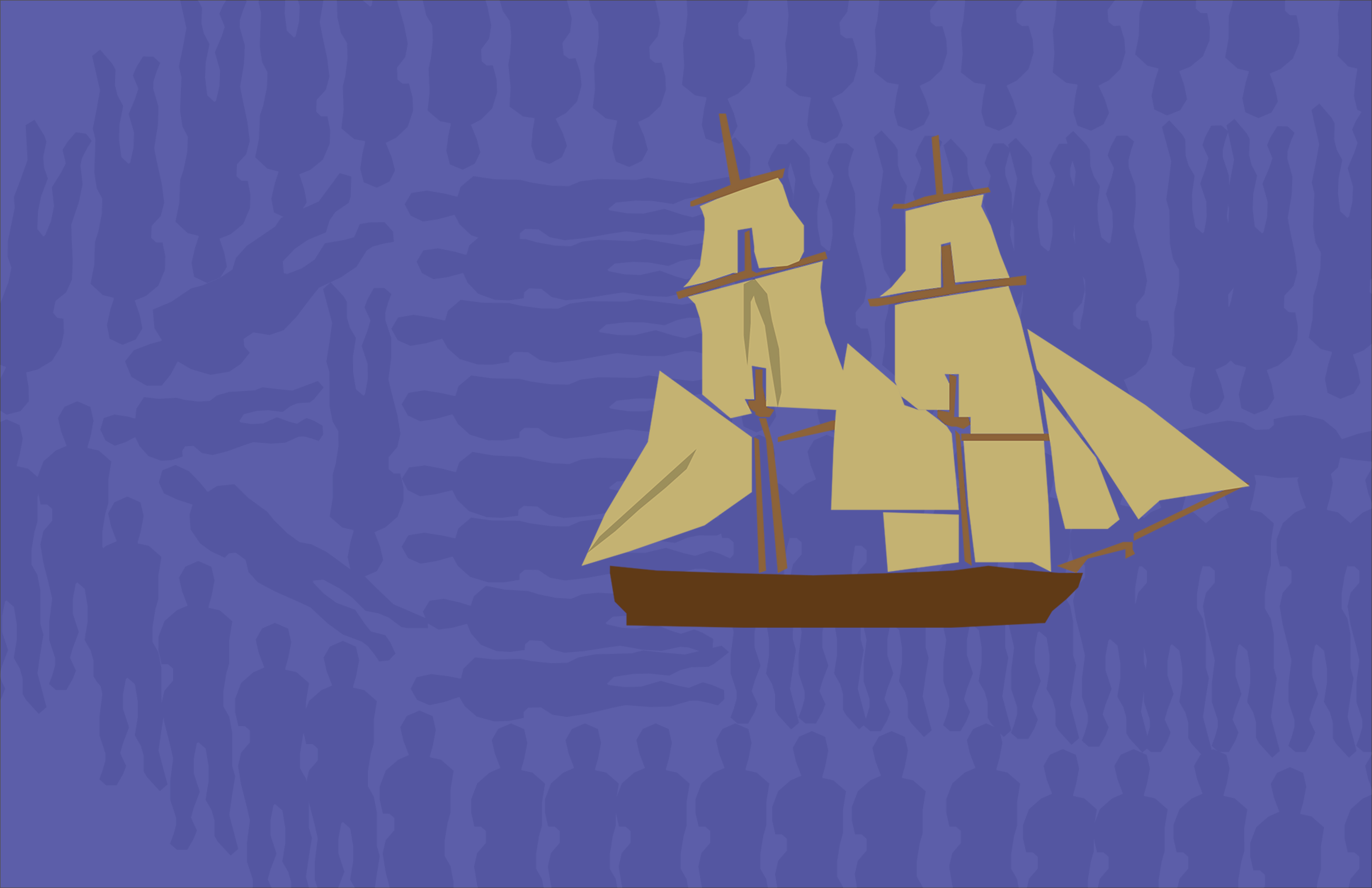
In 1413 Portuguese voyagers landed on the African Coast.
By 1444 the first African captives were sold in Europe.
Toby Green in Fistful of Shells wrote that medieval Europeans named African regions based on “commodities on offer for exchange…Ivory Coast, Grain Coast (modern Liberia) and the Slave Coast (between modern Benin and southwestern Nigeria).” Green said it became a continent thought of in terms of what could be extracted or consumed. Europeans were not the only ones who thought of the continent in that way, because trade routes to the middle east existed before the Europeans came.
The 70s ushered in funky fashion. Cool music. And a new definition of beauty. The black community was making its presence known all over the US after years of fighting for civil rights. The Sistas share their first memories of the 70s and a show that changed everything about entertainment.
As African kingdoms begin to rise and fall, outsiders begin to creep in with eyes on the treasures throughout the land.
In 1200 Mali Empire rises under Sunjata Keita and after 1250 expands to the Atlantic coast.
In 1324 Mansa Musa, emperor of Mali, pilgrimages to Mecca
In 1413 Portuguese voyagers landed on the African Coast.
By 1444 the first African captives were sold in Europe.
Toby Green in Fistful of Shells wrote that medieval Europeans named African regions based on “commodities on offer for exchange…Ivory Coast, Grain Coast (modern Liberia) and the Slave Coast (between modern Benin and southwestern Nigeria).” Green said it became a continent thought of in terms of what could be extracted or consumed. Europeans were not the only ones who thought of the continent in that way, because trade routes to the middle east existed before the Europeans came.







 UPP Creative Media