A single young woman is tricked by modern day pirates losing everything she owned. As she tries to figure out what happened to her belongings, her world crashes around her as government and private agencies treat her as a suspect. Determined to find the man who did this to her, she stumbles onto a government top secret. Finding this modern-day pirate turns into a race against lethal forces. You can purchase these at amazon.com and books2read.com
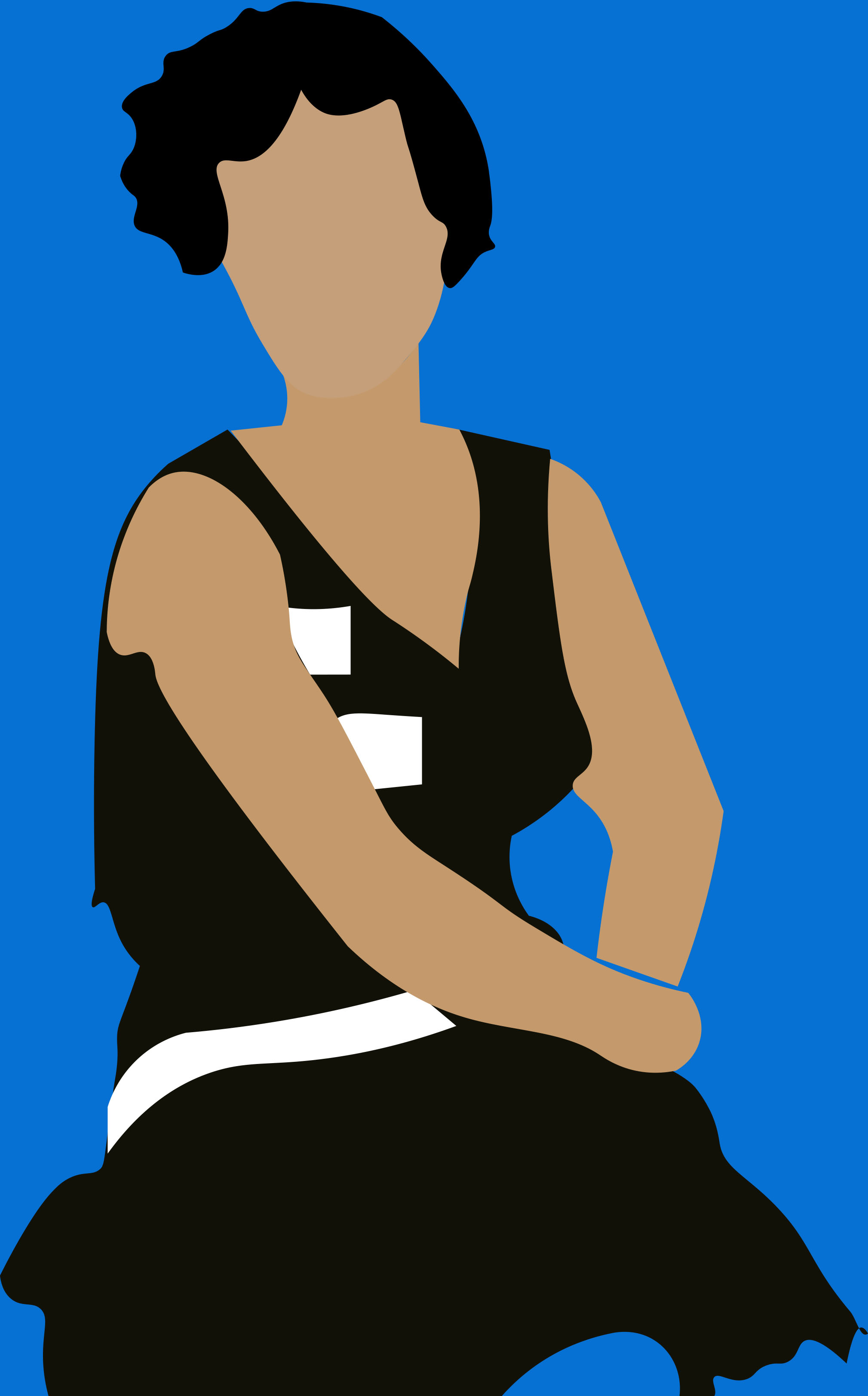
Nina Mae McKinney (June 12, 1912 – May 3, 1967) was an American actress who worked internationally during the 1930s and in the postwar period in theatre, film and television, after beginning her career on Broadway and in Hollywood. Dubbed “The Black Garbo” in Europe because of her striking beauty, McKinney was both one of the first African-American film stars in the United States and one of the first African-Americans to appear on British television.
McKinney was born June 12, 1912, in Lancaster, South Carolina, to Georgia Crawford and Hal Napoleon McKinney. Shortly after McKinney’s birth, her mother often hid from her abusive husband in the house of Colonel Leroy Springs (of Springs Industries), for whom she worked as a domestic.
By 1920, Crawford relocated to Savannah, Georgia, to work as a cook and Hal supported the family financially as a delivery man for a local drugstore. Crawford remarried and moved to New York. Nina Mae McKinney moved later.
Her first job on stage was in the chorus line of Blackbirds of 1928 which starred Bill Robinson. She then had a role in the King Vidor’s movie, Hallelujah which led her getting a 5-year contract from MGM. She had a few roles with them, but none were leading roles.
In 1935 she made Sanders of the River with Paul Robeson. She and Robeson were promised the roles of the Africans in the movie would depict them respectfully, the film was later cut to change that. McKinney played maids and sex workers because those were the roles offered to people of color during that time period.
She moved to Europe where she worked in nightclubs and theaters, doing an occasional movie. She toured playing nightclubs and worked on some Britishe films. But eventually moved back to the United States in 1939 when Germany invaded Poland.
She played maids and sex workers because those were the roles offered to people of color during that time period. She would get an occasional role that was off that path. In 1949 she landed the role of the jealous girlfriend in Pinky starring Jean Crain, Ethel Barrymore and Ethel Waters.
In 1951, she performed her last role in summer stock. She moved back to New York City in 1960. She died in 1967.
Nina Mae McKinney (June 12, 1912 – May 3, 1967) was an American actress who worked internationally during the 1930s and in the postwar period in theatre, film and television, after beginning her career on Broadway and in Hollywood. Dubbed “The Black Garbo” in Europe because of her striking beauty, McKinney was both one of the first African-American film stars in the United States and one of the first African-Americans to appear on British television.
McKinney was born June 12, 1912, in Lancaster, South Carolina, to Georgia Crawford and Hal Napoleon McKinney. Shortly after McKinney’s birth, her mother often hid from her abusive husband in the house of Colonel Leroy Springs (of Springs Industries), for whom she worked as a domestic.
By 1920, Crawford relocated to Savannah, Georgia, to work as a cook and Hal supported the family financially as a delivery man for a local drugstore. Crawford remarried and moved to New York. Nina Mae McKinney moved later.
Her first job on stage was in the chorus line of Blackbirds of 1928 which starred Bill Robinson. She then had a role in the King Vidor’s movie, Hallelujah which led her getting a 5-year contract from MGM. She had a few roles with them, but none were leading roles.
In 1935 she made Sanders of the River with Paul Robeson. She and Robeson were promised the roles of the Africans in the movie would depict them respectfully, the film was later cut to change that. McKinney played maids and sex workers because those were the roles offered to people of color during that time period.
She moved to Europe where she worked in nightclubs and theaters, doing an occasional movie. She toured playing nightclubs and worked on some Britishe films. But eventually moved back to the United States in 1939 when Germany invaded Poland.
Nina Mae McKinney (June 12, 1912 – May 3, 1967) was an American actress who worked internationally during the 1930s and in the postwar period in theatre, film and television, after beginning her career on Broadway and in Hollywood. Dubbed “The Black Garbo” in Europe because of her striking beauty, McKinney was both one of the first African-American film stars in the United States and one of the first African-Americans to appear on British television.
McKinney was born June 12, 1912, in Lancaster, South Carolina, to Georgia Crawford and Hal Napoleon McKinney. Shortly after McKinney’s birth, her mother often hid from her abusive husband in the house of Colonel Leroy Springs (of Springs Industries), for whom she worked as a domestic.
By 1920, Crawford relocated to Savannah, Georgia, to work as a cook and Hal supported the family financially as a delivery man for a local drugstore. Crawford remarried and moved to New York. Nina Mae McKinney moved later.
Her first job on stage was in the chorus line of Blackbirds of 1928 which starred Bill Robinson. She then had a role in the King Vidor’s movie, Hallelujah which led her getting a 5-year contract from MGM. She had a few roles with them, but none were leading roles.
In 1935 she made Sanders of the River with Paul Robeson.
She and Robeson were promised the roles of the Africans in the movie would depict them respectfully, the film was later cut to change that.
Nina Mae McKinney (June 12, 1912 – May 3, 1967) was an American actress who worked internationally during the 1930s and in the postwar period in theatre, film and television, after beginning her career on Broadway and in Hollywood. Dubbed “The Black Garbo” in Europe because of her striking beauty, McKinney was both one of the first African-American film stars in the United States and one of the first African-Americans to appear on British television.
McKinney was born June 12, 1912, in Lancaster, South Carolina, to Georgia Crawford and Hal Napoleon McKinney. Shortly after McKinney’s birth, her mother often hid from her abusive husband in the house of Colonel Leroy Springs (of Springs Industries), for whom she worked as a domestic.
By 1920, Crawford relocated to Savannah, Georgia, to work as a cook for Cynthia Withers, her daughter Irene, and other white lodgers. McKinney stayed behind on Gay Street in the Gills Creek neighborhood with her 70-year old paternal grandmother, Mary A. McKinney. Hal supported the family financially as a delivery man for a local drugstore. Meanwhile, Georgia had married James Edwin Maynor and migrated north to New York. Eight-year-old McKinney followed them shortly afterward, but was sent back down south to stay with her Uncle Curtis and his family in Gills Creek when her father went to prison. In 1923, Hal escaped from his chain gang and was never recaptured.
In 1923, McKinney went to live with Springs as a live-in domestic. Her duties included delivering and collecting parcels from the local post office. To entertain herself as she made the trips, she did stunts on her bicycle. She began acting in small scale school productions at the Lancaster Training School.
Her first job on stage was in the chorus line of Blackbirds of 1928 which starred Bill Robinson. She then had a role in the King Vidor’s movie, Hallelujah which led her getting a 5-year contract from MGM. She had a few roles with them, but none were leading roles.
Nina Mae McKinney (June 12, 1912 – May 3, 1967) was an American actress who worked internationally during the 1930s and in the postwar period in theatre, film and television, after beginning her career on Broadway and in Hollywood. Dubbed “The Black Garbo” in Europe because of her striking beauty, McKinney was both one of the first African-American film stars in the United States and one of the first African-Americans to appear on British television.
McKinney was born June 12, 1912, in Lancaster, South Carolina, to Georgia Crawford and Hal Napoleon McKinney. Shortly after McKinney’s birth, her mother often hid from her abusive husband in the house of Colonel Leroy Springs (of Springs Industries), for whom she worked as a domestic.
By 1920, Crawford relocated to Savannah, Georgia, to work as a cook for Cynthia Withers, her daughter Irene, and other white lodgers. McKinney stayed behind on Gay Street in the Gills Creek neighborhood with her 70-year old paternal grandmother, Mary A. McKinney. Hal supported the family financially as a delivery man for a local drugstore. Meanwhile, Georgia had married James Edwin Maynor and migrated north to New York. Eight-year-old McKinney followed them shortly afterward, but was sent back down south to stay with her Uncle Curtis and his family in Gills Creek when her father went to prison. In 1923, Hal escaped from his chain gang and was never recaptured.
In 1923, McKinney went to live with Springs as a live-in domestic. Her duties included delivering and collecting parcels from the local post office. To entertain herself as she made the trips, she did stunts on her bicycle. She began acting in small scale school productions at the Lancaster Training School.
Ida Bell Wells-Barnett was an American investigative journalist, educator, and early leader in the civil rights movement. She was one of the founders of the National Association for the Advancement of Colored People (NAACP) Wells dedicated her career to combating prejudice and violence, and advocating for African-American equality—especially that of women.
Wells was born into slavery in Holly Springs, Mississippi on July 26, 1862. At the age of 16, she lost both her parents and her infant brother in the 1878 yellow fever epidemic. She went to work and kept the rest of the family together with the help of her grandmother. Later, moving with some of her siblings to Memphis, Tennessee, Wells found better pay as a teacher.
Wells co-owned and wrote for the Memphis Free Speech and Headlight newspaper, where her reporting covered incidents of racial segregation and inequality. Subjected to continued threats and criminal violence, including when a white mob destroyed her newspaper office and presses, Wells left Memphis for Chicago, Illinois.
Even though she moved, it didn’t stop her from documenting the lynchings of African Americans exposing the brutality and analyzing the sociology. She was outspoken in the women’s rights and civil rights movement. In 2020, she was posthumously honored with a Pulitzer Prize special citation for her work reporting on violence against African Americans.
A story is reported that Wells went to lunch with Frederick Douglass, in a place she never thought would let her in. Yet, Douglass showed it was possible to eat in a White only restaurant.
In addition to working in educational facilities and women’s clubs, she also worked on the women’s suffrage movement. She often would challenge the Caucasian women for not speaking out against lynching when they were talking about women’s rights. She travelled to Europe speaking about lynching and women’s rights. She wrote an expose on the 1893 World’s Columbian Exposition in Chicago because it did not reflect African American life. She wrote investigative reports for the Chicago Defender and helped fight for worker’s rights for African American workers.
She loved her children and her husband, Ferdinand Lee Barnett. She spent a lot of time trying to balance her work life of traveling and speaking with raising her children. She died March 25, 1931.
Ida Bell Wells-Barnett was an American investigative journalist, educator, and early leader in the civil rights movement. She was one of the founders of the National Association for the Advancement of Colored People (NAACP) Wells dedicated her career to combating prejudice and violence, and advocating for African-American equality—especially that of women.
Wells was born into slavery in Holly Springs, Mississippi on July 26, 1862. At the age of 16, she lost both her parents and her infant brother in the 1878 yellow fever epidemic. She went to work and kept the rest of the family together with the help of her grandmother. Later, moving with some of her siblings to Memphis, Tennessee, Wells found better pay as a teacher.
Wells co-owned and wrote for the Memphis Free Speech and Headlight newspaper, where her reporting covered incidents of racial segregation and inequality. Subjected to continued threats and criminal violence, including when a white mob destroyed her newspaper office and presses, Wells left Memphis for Chicago, Illinois.
Even though she moved, it didn’t stop her from documenting the lynchings of African Americans exposing the brutality and analyzing the sociology. She was outspoken in the women’s rights and civil rights movement. In 2020, she was posthumously honored with a Pulitzer Prize special citation for her work reporting on violence against African Americans.
A story is reported that Wells went to lunch with Frederick Douglass, in a place she never thought would let her in. Yet, Douglass showed it was possible to eat in a White only restaurant.





 UPP Creative Media