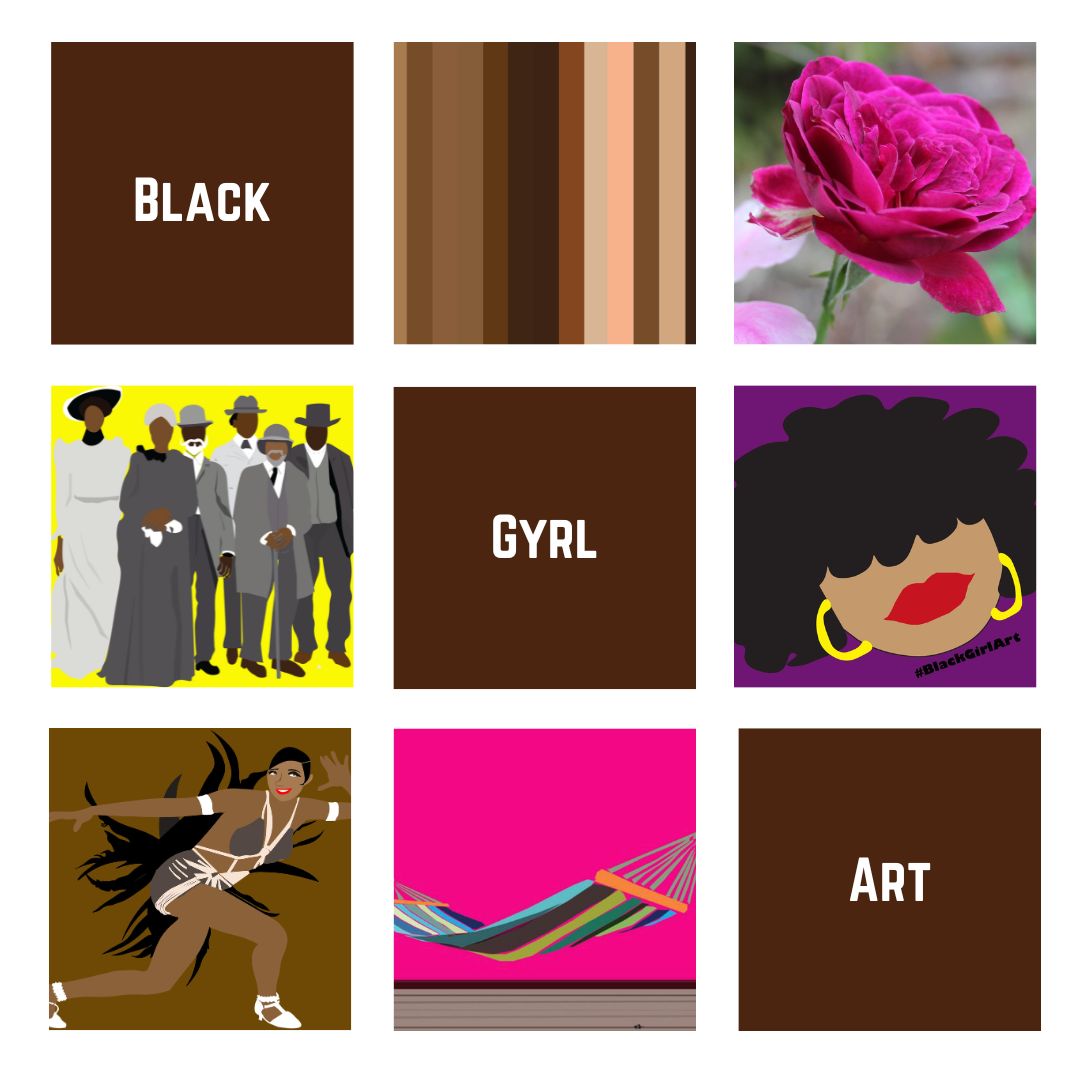
Explore the world of African American history and culture through my creative expression in art. From stunning abstract pieces to detailed portraits, each work reflects my passion for storytelling and the beauty of human experience. Whether you’re an art collector or someone looking to add a unique piece to your home, you’re sure to find something that speaks to you here.
I invite you to browse, enjoy, and find that perfect piece that resonates with your soul.
Feel free to reach out for any custom requests or inquiries. Thank you for supporting my art!
Annie Minerva Turnbo Malone (August 9, 1877 – May 10, 1957) was an American businesswoman, inventor and philanthropist. She is considered to be one of the first African American women to become a millionaire. In the first three decades of the 20th century, she founded and developed a large and prominent commercial and educational enterprise centered on cosmetics for African-American women.
She was born in Metropolis, Illinois, the daughter of Robert and Isabella Turnbo, who had formerly been enslaved. Orphaned at a young age, Annie attended a public school in Metropolis, before moving in 1896 to live with her older sister Ada Moody in Peoria. There Turnbo attended high school, taking a particular interest in chemistry. However, due to frequent illness, she was forced to withdraw from classes.
While out of school, Turnbo grew so fascinated with hair and hair care that she often practiced hairdressing with her sister. With expertise in both chemistry and hair care, Turnbo began to develop her own hair-care products.
While experimenting with hair and different hair-care products, she developed and manufactured her own line of non-damaging hair straighteners, special oils, and hair-stimulant products for African-American women. She named her new product “Wonderful Hair Grower”. To promote her new product, Turnbo sold the Wonderful Hair Grower in bottles door-to-door. Her products and sales began to revolutionize hair-care methods for all African Americans.
In 1918 she created Poro College in St Louis which held the company’s business offices, manufacturing operations and training centers. People would learn cosmetology and sales training for women who wanted to sell Poro products. This place was valued at more than a million dollars and included classrooms, barber shops, laboratories, an auditorium, dining facilities, a theater, gymnasium, chapel and roof garden.
1926 there were 175 college employees and more than 75,000 women across North and South America, Africa and the Philippines.
Annie lived modestly and gave away most her income. She supported African American colleges, YWCA, orphan homes and many other charities. She was at her peak, but trouble brewed on the horizon for her.
In 1927, her husband filed for divorce and wanted half of everything. He had been trying to take over the entire company, but found she was a better fighter than he thought. In a public divorce where he had black male politicians on his side, she had all of the communities and charities she had supported on her side. She settled with him for much less.
In 1930 she moved the business to Chicago, Illinois. And again found herself in a legal battle from other people who wanted to take credit for her business. Annie’s business made it through the Depression and World War II.
But by the 1950s, when she had 32 branches of the Poro school, the government seized the school for back taxes.
Annie died of a stroke in 1957 at the age of 87 years old. Her estate was only worth 100,000 but her legacy was invaluable. She had taught generations of women how to be beautiful. You can’t put a price on that.
Annie Minerva Turnbo Malone (August 9, 1877 – May 10, 1957) was an American businesswoman, inventor and philanthropist. She is considered to be one of the first African American women to become a millionaire. In the first three decades of the 20th century, she founded and developed a large and prominent commercial and educational enterprise centered on cosmetics for African-American women.
She was born in Metropolis, Illinois, the daughter of Robert and Isabella Turnbo, who had formerly been enslaved. Orphaned at a young age, Annie attended a public school in Metropolis, before moving in 1896 to live with her older sister Ada Moody in Peoria. There Turnbo attended high school, taking a particular interest in chemistry. However, due to frequent illness, she was forced to withdraw from classes.
While out of school, Turnbo grew so fascinated with hair and hair care that she often practiced hairdressing with her sister. With expertise in both chemistry and hair care, Turnbo began to develop her own hair-care products.
While experimenting with hair and different hair-care products, she developed and manufactured her own line of non-damaging hair straighteners, special oils, and hair-stimulant products for African-American women. She named her new product “Wonderful Hair Grower”. To promote her new product, Turnbo sold the Wonderful Hair Grower in bottles door-to-door. Her products and sales began to revolutionize hair-care methods for all African Americans.
In 1918 she created Poro College in St Louis which held the company’s business offices, manufacturing operations and training centers. People would learn cosmetology and sales training for women who wanted to sell Poro products. This place was valued at more than a million dollars and included classrooms, barber shops, laboratories, an auditorium, dining facilities, a theater, gymnasium, chapel and roof garden.
1926 there were 175 college employees and more than 75,000 women across North and South America, Africa and the Philippines.
Annie lived modestly and gave away most her income. She supported African American colleges, YWCA, orphan homes and many other charities. She was at her peak, but trouble brewed on the horizon for her.
In 1927, her husband filed for divorce and wanted half of everything. He had been trying to take over the entire company, but found she was a better fighter than he thought. In a public divorce where he had black male politicians on his side, she had all of the communities and charities she had supported on her side. She settled with him for much less.
In 1930 she moved the business to Chicago, Illinois. And again found herself in a legal battle from other people who wanted to take credit for her business. Annie’s business made it through the Depression and World War II.
But by the 1950s, when she had 32 branches of the Poro school, the government seized the school for back taxes.
Annie died of a stroke in 1957 at the age of 87 years old. Her estate was only worth 100,000 but her legacy was invaluable. She had taught generations of women how to be beautiful. You can’t put a price on that.





 UPP Creative Media