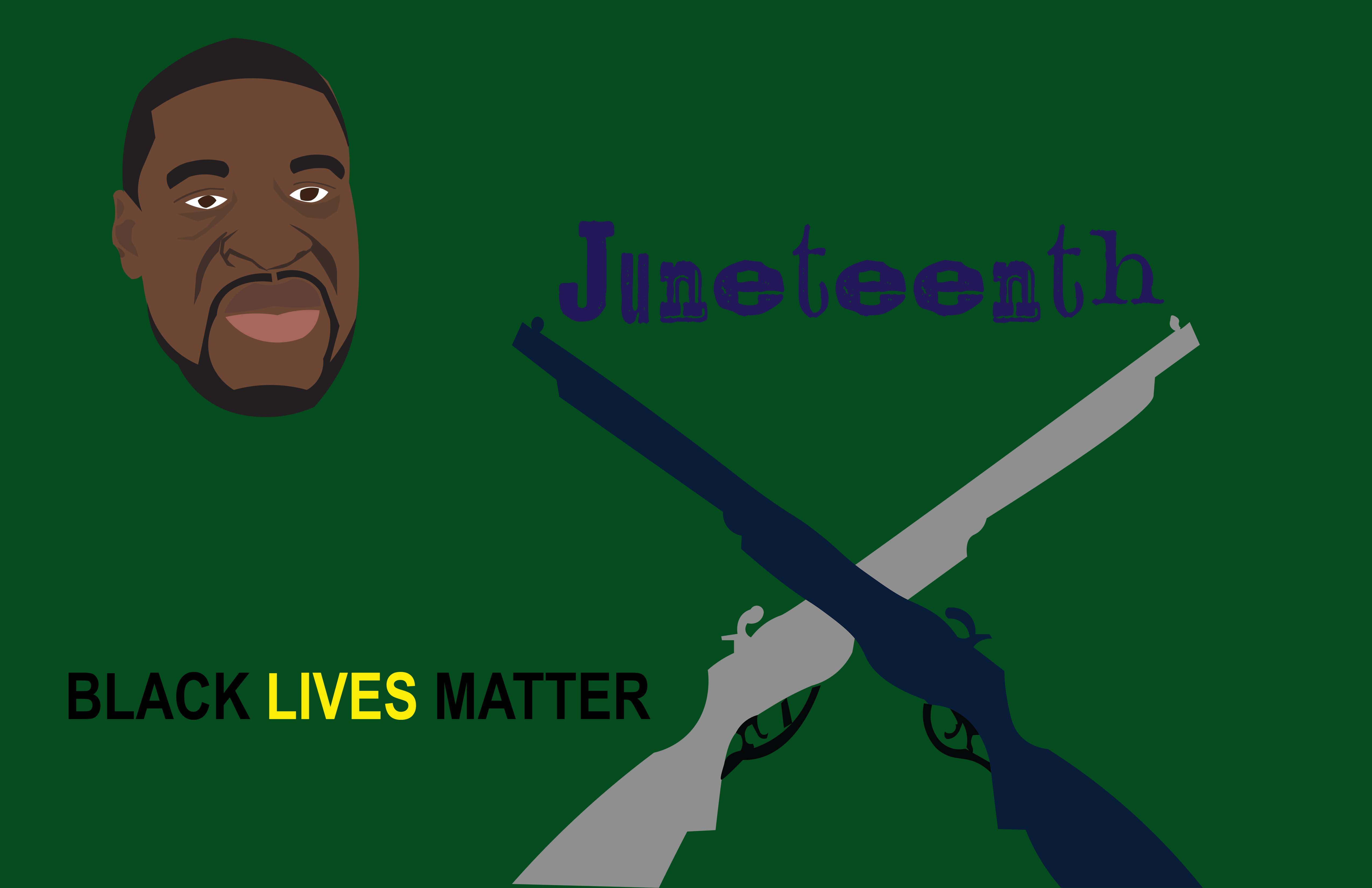
BlackLivesMatter was founded in 2013 in response to the acquittal of Trayvon Martin’s murderer. Black Lives Matter Global Network Foundation, Inc. is a global organization in the US, UK, and Canada, whose mission is to eradicate white supremacy and build local power to intervene in violence inflicted on Black communities by the state and vigilantes. By combating and countering acts of violence, creating space for Black imagination and innovation, and centering Black joy, we are winning immediate improvements in our lives.
George Perry Floyd Jr. (October 14, 1973 – May 25, 2020) was an African-American man who was murdered by a police officer in Minneapolis, Minnesota, during an arrest made after a store clerk suspected Floyd may have used a counterfeit twenty-dollar bill, on May 25, 2020. Derek Chauvin, one of the four police officers who arrived on the scene, knelt on Floyd’s neck and back for 9 minutes and 29 seconds which caused a lack of oxygen.[4] After his murder, protests against police brutality, especially towards black people, quickly spread across the United States and globally. His dying words, “I can’t breathe,” became a rallying slogan.
Born in Fayetteville, North Carolina, Floyd grew up in Houston, Texas, playing American football and basketball throughout high school and college.
Juneteenth is a federal holiday in the United States commemorating the emancipation of enslaved African Americans. Deriving its name from combining “June” and “nineteenth”, it is celebrated on the anniversary of General Order No. 3, issued by Major General Gordon Granger on June 19, 1865, proclaiming freedom for slaves in Texas. Originating in Galveston, Juneteenth has since been observed annually in various parts of the United States, often broadly celebrating African-American culture. The day was first recognized as a federal holiday in 2021, when President Joe Biden signed the Juneteenth National Independence Day Act into law after the efforts of Lula Briggs Galloway, Opal Lee, and others.
In this century African Americans found struggles every way they turned. But some of those folks found ways to overcome the challenges and shine. They created stunning examples of what could be.
Josephine Baker
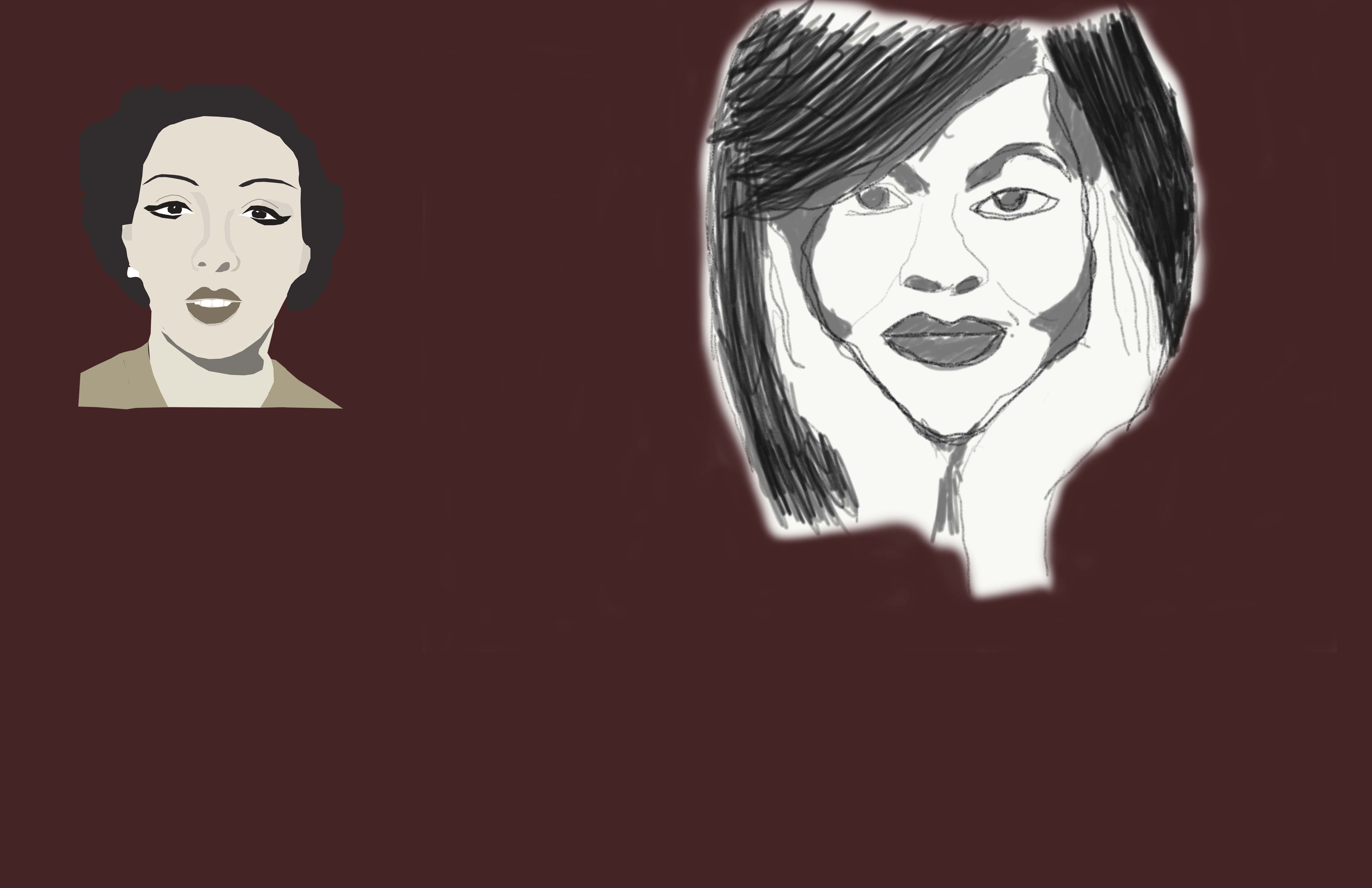
Josephine Baker (3 June 1906 – 12 April 1975) was an American-born French dancer, singer and actress. Her career was centered primarily in Europe, mostly in her adopted France. She was the first black woman to star in a major motion picture, the 1927 silent film Siren of the Tropics, directed by Mario Nalpas and Henri Étiévant.
She was born in St Louis, Missouri, as Freda Josephine McDonald where she had a very rough beginning. She dropped out of school at age 12 and had two failed marriages at ages 13 and 15. Then she joined a vaudeville troupe that took her to New York City. She later became part of a show, Shuffle Along in the chorus line. This would be one of the first steps to her success.
She used comedy to make herself stand out in the chorus line, and later launch a career that sent her overseas because prejudice limited what she could accomplish in the United States. In Paris she became a success which led to a career that spanned all over Europe. Some have called her the first Beyonce in that she starred in theater and movies in France and became a standout star.
She did not limit her life to performance, during World War II she became a spy for the French Resistance and later received a medal for her work. In the 1950s became active in the Civil Rights Movement traveling throughout the southern part of the United States. Ever the humanitarian, she also adopted 12 children from around the world and raise them.
Michelle LaVaughn Robinson Obama (born January 17, 1964) is an American attorney and author who served as first lady of the United States from 2009 to 2017. She was the first African-American woman to serve in this position. She is married to former President Barack Obama.
Raised on the South Side of Chicago, Illinois, Obama is a graduate of Princeton University and Harvard Law School. In her early legal career, she worked at the law firm Sidley Austin where she met Barack Obama. She subsequently worked in nonprofits and as the associate dean of Student Services at the University of Chicago as well as the vice president for Community and External Affairs of Affairs of the University of Chicago Medical Center. Michelle married Barack in 1992, and together they have two daughters.
After the White House, she and husband wrote books about their experiences and produced programming for Netflix.
Thurgood Marshall (July 2, 1908 – January 24, 1993) was an American civil rights lawyer and jurist who served as an associate justice of the Supreme Court of the United States from 1967 until 1991. He was the Supreme Court’s first African-American justice. Prior to his judicial service, he was an attorney who fought for civil rights, leading the NAACP Legal Defense and Educational Fund. Marshall coordinated the assault on racial segregation in schools. He won 29 of the 32 civil rights cases he argued before the Supreme Court, culminating in the Court’s landmark 1954 decision in Brown v. Board of Education, which rejected the separate but equal doctrine and held segregation in public education to be unconstitutional.
He was born in Baltimore, MD and attended the Colored High and Training School in Baltimore, graduating in 1925 with honors. He then went to Lincoln University in Chester County, Pennsylvania, the oldest college for African Americans in the United States. Upon his graduation with honors in 1930 with a bachelor’s degree in American literature and philosophy, he went to the all-white University of Maryland Law School—applied to Howard University School of Law in Washington, D.C., and was admitted.
At the age of 82 he announced his retirement in June of 1991 and began it in October because of his health issues. In January 1993 he died of heart failure. He was buried in Arlington National Cemetery.
Sidney Poitier (February 20, 1927 – January 6, 2022) was a Bahamian and American actor, film director, and diplomat. In 1964, he was the first black actor and first Bahamian to win the Academy Award for Best Actor. Poitier’s family lived in the Bahamas, then still a Crown colony, but he was born unexpectedly in Miami, Florida, while they were visiting, which automatically granted him U.S. citizenship. He grew up in the Bahamas, but moved to Miami at age 15, and to New York City when he was 16. He joined the American Negro Theatre, landing his breakthrough film role as a high school student in the film Blackboard Jungle (1955).
In 1964, he won the Academy Award and the Golden Globe for Best Actor for Lilies of the Field (1963), playing a handyman helping a group of German-speaking nuns build a chapel.
He continued to break ground in three successful 1967 films which dealt with issues of race and race relations: To Sir, with Love; Guess Who’s Coming to Dinner, and In the Heat of the Night, the latter of which won the Academy Award for Best Picture for that year.
In April 1997, Poitier was appointed ambassador from the Bahamas to Japan, a position he held until 2007. From 2002 to 2007, he was concurrently the ambassador of the Bahamas to UNESCO
Poitier was first married to Juanita Hardy and Joanna Shimkus. He had four daughters with his first wife (Beverly, Pamela, Sherri, and Gina) and two with his second (Anika and Sydney Tamiia).
On January 6, 2022, Poitier died at his home in Beverly Hills, California, at the age of 94.
Marvin Pentz Gay Jr. (April 2, 1939 – April 1, 1984) was an American singer and songwriter who helped shaped the Motown sound in the 1960s. He was nicknamed the “Prince of Soul.” He was born in Washington DC and was raised there where he started singing in the church. At 17 he joined the Air Force but was quickly discharged for not wanting to follow orders.
He joined a quartet called the Marquees, which later worked with Bo Diddley. After the Marquees disbanded, Gaye moved to Detroit and got a contract with Motown. In the 1960s he found success as a songwriter and singer with hits like How Sweet It Is and Aint That Peculiar. His first record to reach no 1 on Billboard Hot 100 was I Heard It Through the Grapevine.
In the 1970s he released cutting edge sounds that challenged political views with What’s Going On and Let’s Get It On. Berry Gordy refused to release the music because he thought it was too political. Gaye refused to release any new music until What’s Going On? was released.
He married Anna Gordy, Berry’s sister in 1963 and divorced her in 1977. He then married Janis Hunter in 1977 and divorced her in 1981. He had three children.
Gaye was killed by his father, Marvin Gay Sr., in 1984. His father had been diagnosis with a brain tumor and given a suspended sentence.
In this century African Americans found struggles every way they turned. But some of those folks found ways to overcome the challenges and shine. They created stunning examples of what could be.
Josephine Baker
Josephine Baker (3 June 1906 – 12 April 1975) was an American-born French dancer, singer and actress. Her career was centered primarily in Europe, mostly in her adopted France. She was the first black woman to star in a major motion picture, the 1927 silent film Siren of the Tropics, directed by Mario Nalpas and Henri Étiévant.
She was born in St Louis, Missouri, as Freda Josephine McDonald where she had a very rough beginning. She dropped out of school at age 12 and had two failed marriages at ages 13 and 15. Then she joined a vaudeville troupe that took her to New York City. She later became part of a show, Shuffle Along in the chorus line. This would be one of the first steps to her success.
She used comedy to make herself stand out in the chorus line, and later launch a career that sent her overseas because prejudice limited what she could accomplish in the United States. In Paris she became a success which led to a career that spanned all over Europe. Some have called her the first Beyonce in that she starred in theater and movies in France and became a standout star.
She did not limit her life to performance, during World War II she became a spy for the French Resistance and later received a medal for her work. In the 1950s became active in the Civil Rights Movement traveling throughout the southern part of the United States. Ever the humanitarian, she also adopted 12 children from around the world and raise them.
Michelle LaVaughn Robinson Obama (born January 17, 1964) is an American attorney and author who served as first lady of the United States from 2009 to 2017. She was the first African-American woman to serve in this position. She is married to former President Barack Obama.
Raised on the South Side of Chicago, Illinois, Obama is a graduate of Princeton University and Harvard Law School. In her early legal career, she worked at the law firm Sidley Austin where she met Barack Obama. She subsequently worked in nonprofits and as the associate dean of Student Services at the University of Chicago as well as the vice president for Community and External Affairs of Affairs of the University of Chicago Medical Center. Michelle married Barack in 1992, and together they have two daughters.
After the White House, she and husband wrote books about their experiences and produced programming for Netflix.
Thurgood Marshall (July 2, 1908 – January 24, 1993) was an American civil rights lawyer and jurist who served as an associate justice of the Supreme Court of the United States from 1967 until 1991. He was the Supreme Court’s first African-American justice. Prior to his judicial service, he was an attorney who fought for civil rights, leading the NAACP Legal Defense and Educational Fund. Marshall coordinated the assault on racial segregation in schools. He won 29 of the 32 civil rights cases he argued before the Supreme Court, culminating in the Court’s landmark 1954 decision in Brown v. Board of Education, which rejected the separate but equal doctrine and held segregation in public education to be unconstitutional.
He was born in Baltimore, MD and attended the Colored High and Training School in Baltimore, graduating in 1925 with honors. He then went to Lincoln University in Chester County, Pennsylvania, the oldest college for African Americans in the United States. Upon his graduation with honors in 1930 with a bachelor’s degree in American literature and philosophy, he went to the all-white University of Maryland Law School—applied to Howard University School of Law in Washington, D.C., and was admitted.
At the age of 82 he announced his retirement in June of 1991 and began it in October because of his health issues. In January 1993 he died of heart failure. He was buried in Arlington National Cemetery.
In this century African Americans found struggles every way they turned. But some of those folks found ways to overcome the challenges and shine. They created stunning examples of what could be.
Josephine Baker
Josephine Baker (3 June 1906 – 12 April 1975) was an American-born French dancer, singer and actress. Her career was centered primarily in Europe, mostly in her adopted France. She was the first black woman to star in a major motion picture, the 1927 silent film Siren of the Tropics, directed by Mario Nalpas and Henri Étiévant.
She was born in St Louis, Missouri, as Freda Josephine McDonald where she had a very rough beginning. She dropped out of school at age 12 and had two failed marriages at ages 13 and 15. Then she joined a vaudeville troupe that took her to New York City. She later became part of a show, Shuffle Along in the chorus line. This would be one of the first steps to her success.
She used comedy to make herself stand out in the chorus line, and later launch a career that sent her overseas because prejudice limited what she could accomplish in the United States. In Paris she became a success which led to a career that spanned all over Europe. Some have called her the first Beyonce in that she starred in theater and movies in France and became a standout star.
She did not limit her life to performance, during World War II she became a spy for the French Resistance and later received a medal for her work. In the 1950s became active in the Civil Rights Movement traveling throughout the southern part of the United States. Ever the humanitarian, she also adopted 12 children from around the world and raise them.
Michelle LaVaughn Robinson Obama (born January 17, 1964) is an American attorney and author who served as first lady of the United States from 2009 to 2017. She was the first African-American woman to serve in this position. She is married to former President Barack Obama.
Raised on the South Side of Chicago, Illinois, Obama is a graduate of Princeton University and Harvard Law School. In her early legal career, she worked at the law firm Sidley Austin where she met Barack Obama. She subsequently worked in nonprofits and as the associate dean of Student Services at the University of Chicago as well as the vice president for Community and External Affairs of Affairs of the University of Chicago Medical Center. Michelle married Barack in 1992, and together they have two daughters.
After the White House, she and husband wrote books about their experiences and produced programming for Netflix.
In this century African Americans found struggles every way they turned. But some of those folks found ways to overcome the challenges and shine. They created stunning examples of what could be.
Josephine Baker
Josephine Baker (3 June 1906 – 12 April 1975) was an American-born French dancer, singer and actress. Her career was centered primarily in Europe, mostly in her adopted France. She was the first black woman to star in a major motion picture, the 1927 silent film Siren of the Tropics, directed by Mario Nalpas and Henri Étiévant.
She was born in St Louis, Missouri, as Freda Josephine McDonald where she had a very rough beginning. She dropped out of school at age 12 and had two failed marriages at ages 13 and 15. Then she joined a vaudeville troupe that took her to New York City. She later became part of a show, Shuffle Along in the chorus line. This would be one of the first steps to her success.
She used comedy to make herself stand out in the chorus line, and later launch a career that sent her overseas because prejudice limited what she could accomplish in the United States. In Paris she became a success which led to a career that spanned all over Europe. Some have called her the first Beyonce in that she starred in theater and movies in France and became a standout star.
She did not limit her life to performance, during World War II she became a spy for the French Resistance and later received a medal for her work. In the 1950s became active in the Civil Rights Movement traveling throughout the southern part of the United States. Ever the humanitarian, she also adopted 12 children from around the world and raise them. https://en.wikipedia.org/wiki/Josephine_Baker
In this century African Americans moved their feet and changed lives for all Americans. We have made significant accomplishments and changed the way we as a people were seen and how our struggle was told.
Barack Hussein Obama II
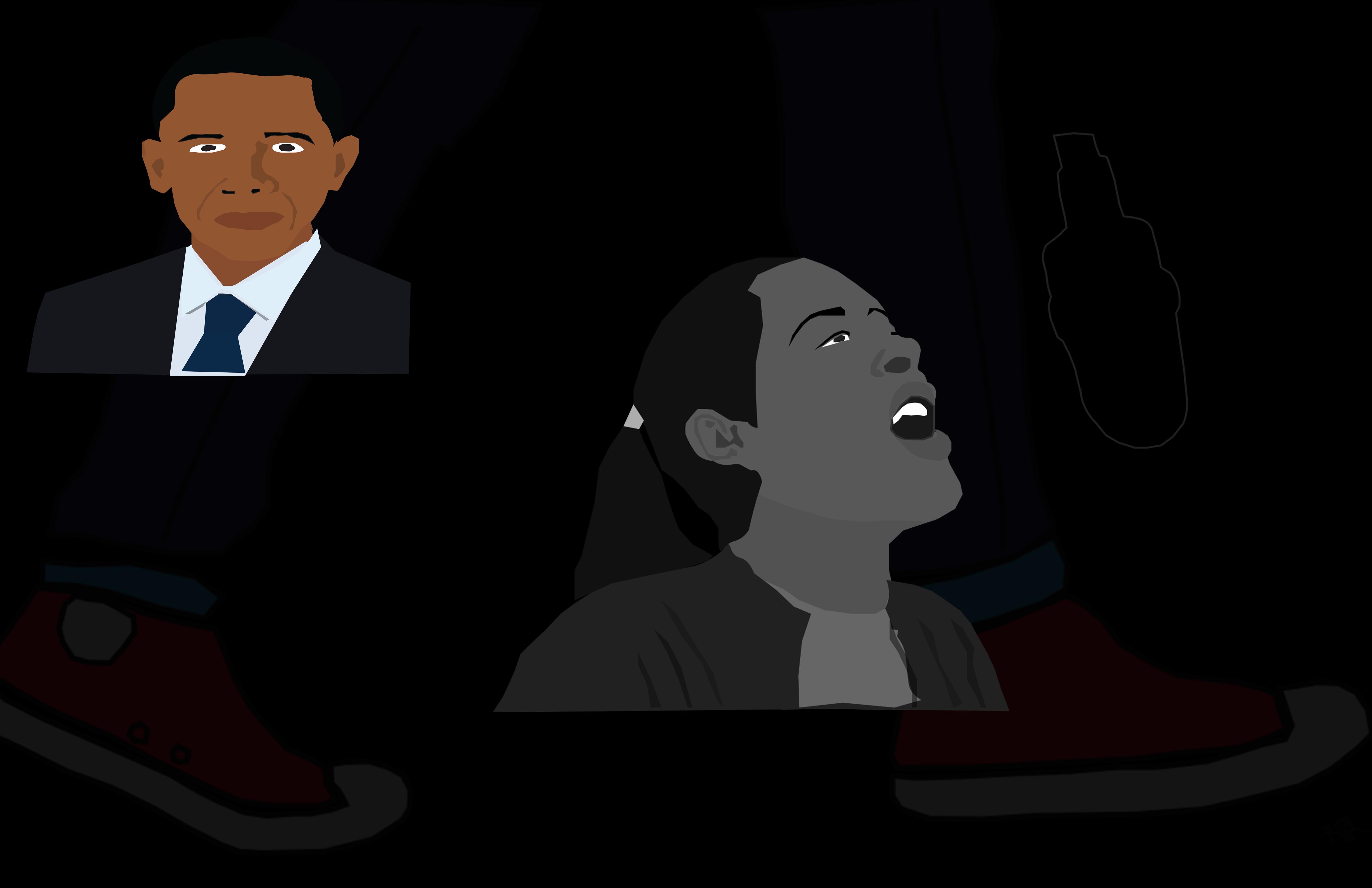
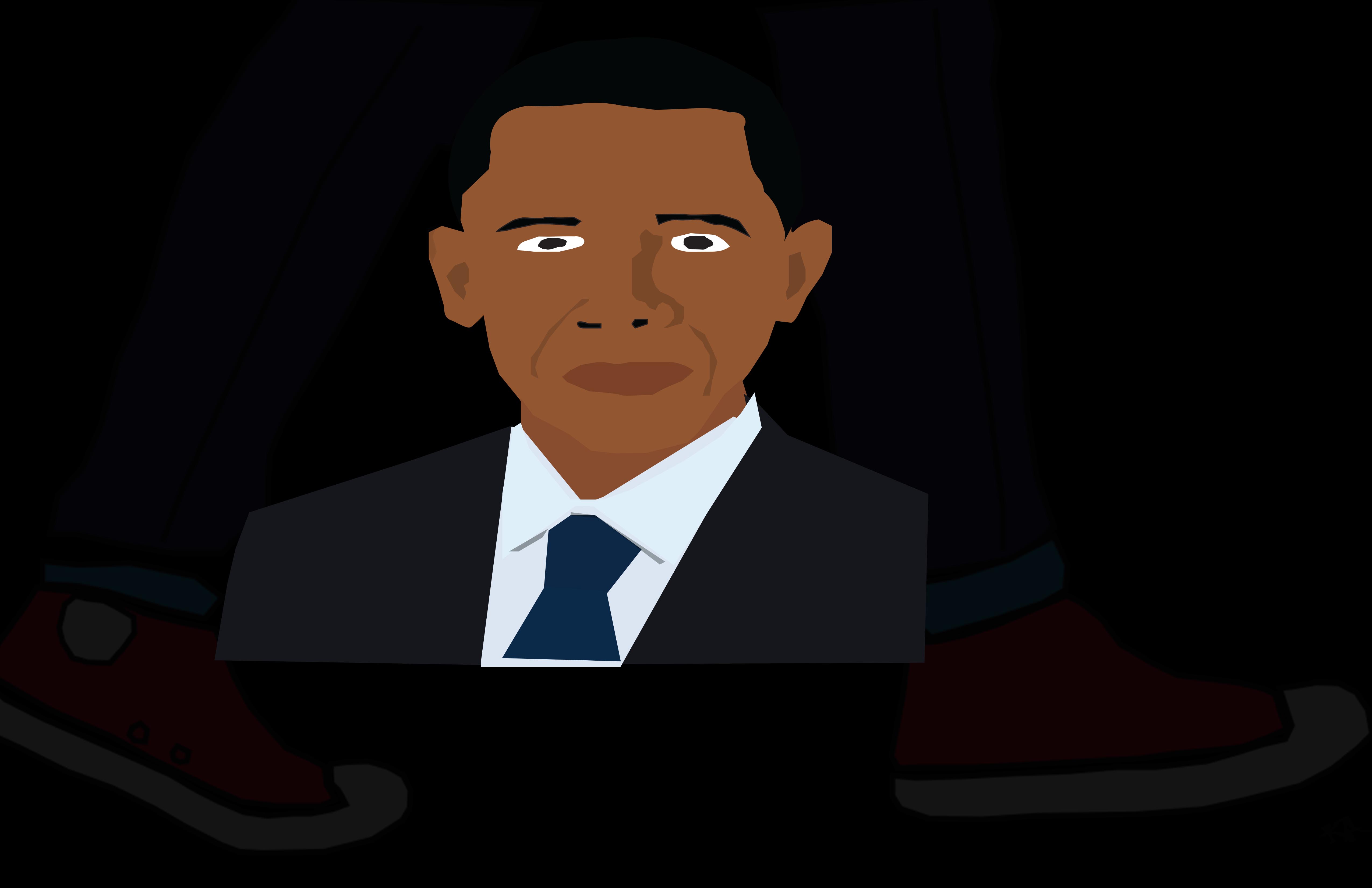
Barack Hussein Obama II is an American politician who served as the 44th president of the United States from 2009 to 2017. A member of the Democratic Party, he was the first African American president of the United States. He was born in August of 1961 in Honolulu, Hawaii. He graduated from Columbia University and Harvard Law.
He married Michelle Robinson.
As the President, Obama passed a health care bill into law that gave more protection for more Americans. He is currently building his Presidential Library in Chicago in a predominately African American neighborhood.
Billie Holiday was an American jazz and swing music singer. She was born Eleanora Fagan on April 7, 1915 in Philadelphia. Her vocal style, strongly inspired by jazz instrumentalists, pioneered a new way of manipulating phrasing and tempo. She also sang stories that gave insight into African American life, such as Strange Fruit. This song protests the lynching of African Americans. She won four Grammy’s posthumously. Holiday died of cirrhosis on July 17, 1959, at age 44.
James Arthur Baldwin (August 2, 1924 – December 1, 1987) was an American writer. He garnered acclaim across various mediums, including essays, novels, plays, and poems. His first novel, Go Tell It on the Mountain, was published in 1953; decades later, Time magazine included the novel on its list of the 100 best English-language novels released from 1923 to 2005. His first essay collection, Notes of a Native Son, was published in 1955.
Voting Rights Act of 1965 is a landmark piece of federal legislation in the United States that prohibits racial discrimination in voting. It was signed into law by President Lyndon B. Johnson during the height of the civil rights movement on August 6, 1965, and Congress later amended the Act five times to expand its protections. Designed to enforce the voting rights guaranteed by the Fourteenth and Fifteenth Amendments to the United States Constitution, the Act sought to secure the right to vote for racial minorities throughout the country, especially in the South.
Civil Rights Act of 1964 (Pub.L. 88–352, 78 Stat. 241, enacted July 2, 1964) is a landmark civil rights and labor law in the United States that outlaws discrimination based on race, color, religion, sex,[a] and national origin. It prohibits unequal application of voter registration requirements, racial segregation in schools and public accommodations, and employment discrimination. The act “remains one of the most significant legislative achievements in American history”
In this century African Americans moved their feet and changed lives for all Americans. We have made significant accomplishments and changed the way we as a people were seen and how our struggle was told.
Barack Hussein Obama II
Barack Hussein Obama II is an American politician who served as the 44th president of the United States from 2009 to 2017. A member of the Democratic Party, he was the first African American president of the United States. He was born in August of 1961 in Honolulu, Hawaii. He graduated from Columbia University and Harvard Law.
He married Michelle Robinson.
As the President, Obama passed a health care bill into law that gave more protection for more Americans. He is currently building his Presidential Library in Chicago in a predominately African American neighborhood.
Billie Holiday was an American jazz and swing music singer. She was born Eleanora Fagan on April 7, 1915 in Philadelphia. Her vocal style, strongly inspired by jazz instrumentalists, pioneered a new way of manipulating phrasing and tempo. She also sang stories that gave insight into African American life, such as Strange Fruit. This song protests the lynching of African Americans. She won four Grammy’s posthumously. Holiday died of cirrhosis on July 17, 1959, at age 44.
James Arthur Baldwin (August 2, 1924 – December 1, 1987) was an American writer. He garnered acclaim across various mediums, including essays, novels, plays, and poems. His first novel, Go Tell It on the Mountain, was published in 1953; decades later, Time magazine included the novel on its list of the 100 best English-language novels released from 1923 to 2005. His first essay collection, Notes of a Native Son, was published in 1955.
In this century African Americans moved their feet and changed lives for all Americans. We have made significant accomplishments and changed the way we as a people were seen and how our struggle was told.
Barack Hussein Obama II
Barack Hussein Obama II is an American politician who served as the 44th president of the United States from 2009 to 2017. A member of the Democratic Party, he was the first African American president of the United States. He was born in August of 1961 in Honolulu, Hawaii. He graduated from Columbia University and Harvard Law.
He married Michelle Robinson.
As the President, Obama passed a health care bill into law that gave more protection for more Americans. He is currently building his Presidential Library in Chicago in a predominately African American neighborhood.
Billie Holiday was an American jazz and swing music singer. She was born Eleanora Fagan on April 7, 1915 in Philadelphia. Her vocal style, strongly inspired by jazz instrumentalists, pioneered a new way of manipulating phrasing and tempo. She also sang stories that gave insight into African American life, such as Strange Fruit. This song protests the lynching of African Americans. She won four Grammy’s posthumously. Holiday died of cirrhosis on July 17, 1959, at age 44.
In this century African Americans moved their feet and changed lives for all Americans. We have made significant accomplishments and changed the way we as a people were seen and how our struggle was told.
Barack Hussein Obama II
Barack Hussein Obama II is an American politician who served as the 44th president of the United States from 2009 to 2017. A member of the Democratic Party, he was the first African American president of the United States. He was born in August of 1961 in Honolulu, Hawaii. He graduated from Columbia University and Harvard Law.
He married Michelle Robinson.
As the President, Obama passed a health care bill into law that gave more protection for more Americans. He is currently building his Presidential Library in Chicago in a predominately African American neighborhood.
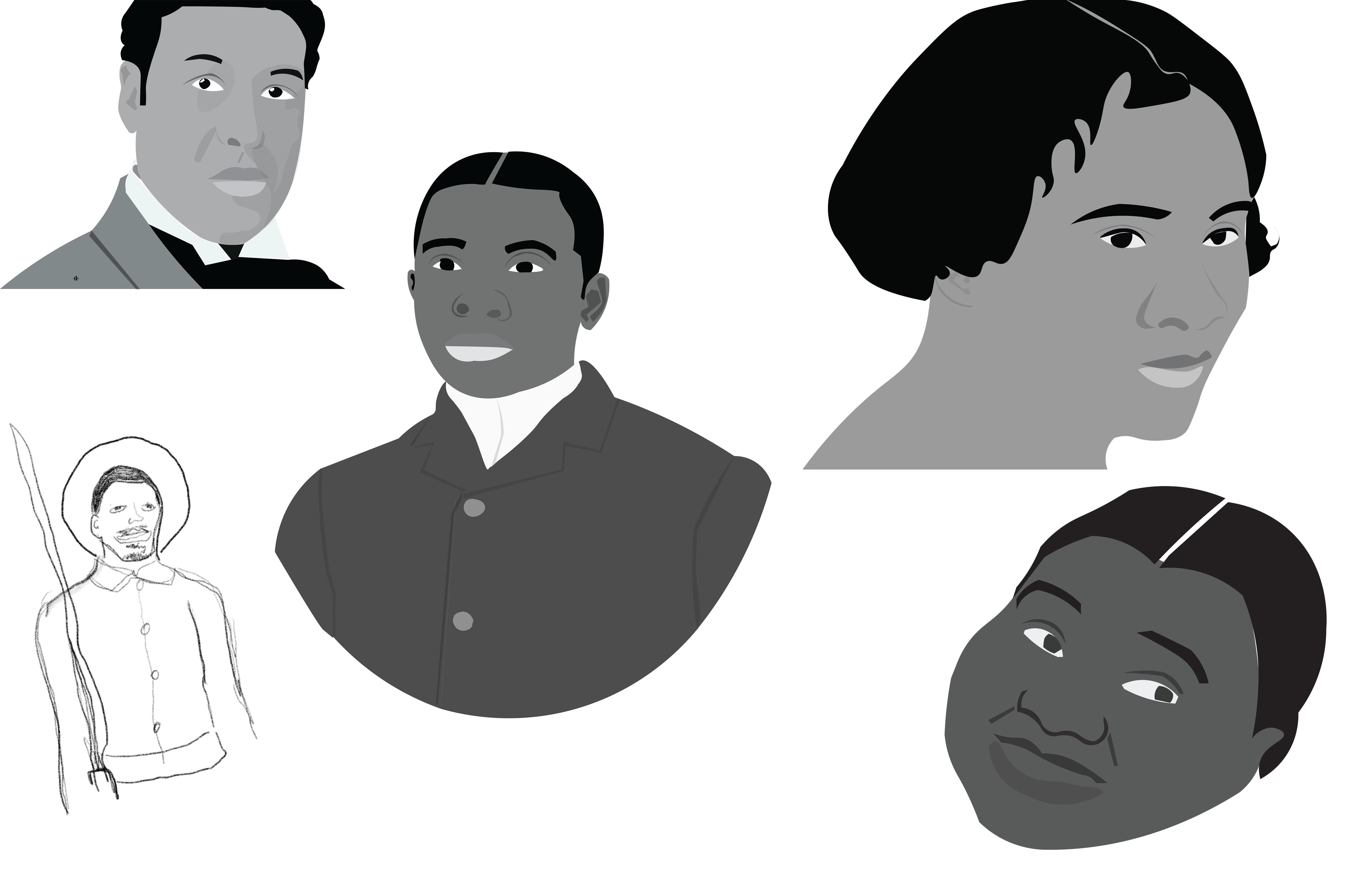
1800 was a century when more of the accomplishments of African Americans are documented. This month will focus on more African Americans and their lives.
Bert Williams
Bert Williams was a Bahamian-born American entertainer, one of the pre-eminent entertainers of the Vaudeville era and one of the most popular comedians for all audiences of his time. He was born in the Bahamas in November of 1874. He is credited as being the first Black man to have the leading role in a film: Darktown Jubilee in 1914. Known as one of the highest paid African American performers in history, Williams worked in many productions including the Ziegfeld Follies of 1917 with WC Fields, Fannie Brice, Eddie Cantor and more. In 1922 Williams collapsed on stage during a performance in Detroit, Michigan. He returned to New York and died at his home in March at the age of 47.
Hattie McDaniel was an American actress, singer-songwriter, and comedian born Kansas in 1893. She started working in minstrel shows and worked her way into radio. She wrote songs and sang for a record company before her big break came. In 1931 she moved to LA and later got a role in I’m No Angel with Mae West. The success of this movie helped her gain other roles. For her role as Mammy in Gone with the Wind, she won the Academy Award for Best Supporting Actress, becoming the first African American to win an Oscar. McDaniel worked in over 300 films but was only credited in 83. She died in October of 1952 at the age of 59.
Buffalo Soldiers originally were members of the 10th Cavalry Regiment of the United States Army, formed on September 21, 1866, at Fort Leavenworth, Kansas. This nickname was given to the Black Cavalry[1] by Native American tribes who fought in the Indian Wars. The term eventually became synonymous with all of the African-American regiments formed in 1866:
9th Cavalry Regiment
10th Cavalry Regiment
24th Infantry Regiment
25th Infantry Regiment
Second 38th Infantry Regiment
Although several African-American regiments were raised during the Civil War as part of the Union Army (including the 54th Massachusetts Volunteer Infantry and the many United States Colored Troops Regiments), the “Buffalo Soldiers” were established by Congress as the first peacetime all-black regiments in the regular U.S. Army.[2]
Madam C.J. Walker was an African American entrepreneur, philanthropist, and political and social activist. She is recorded as the first female self-made millionaire in America in the Guinness Book of World Records. She was born Sarah Breedlove in December 23, 1867 in Delta, Louisiana. Walker made her fortune by developing and marketing a line of cosmetics and hair care products for black women through the business she founded, Madam C. J. Walker Manufacturing Company. She became known also for her philanthropy and activism. She made financial donations to numerous organizations such as the NAACP, and became a patron of the arts.
Paul Laurence Dunbar (June 27, 1872 – February 9, 1906) was an American poet, novelist, and short story writer of the late 19th and early 20th centuries. Born June 27, 1872, in Dayton, Ohio, to parents who had been enslaved in Kentucky before the American Civil War, Dunbar began writing stories and verse when he was a child. He published his first poems at the age of 16 in a Dayton newspaper and served as president of his high school’s literary society. He went on to have work published in The Saturday Evening Post and Harper’s Weekly. He was later diagnosed with tuberculosis and died February 9, 1906.




 UPP Creative Media