My work covers five areas. History. Faith. Cultural Diversity. Impact. Justice and Fairness.
Fashion + History
It creates a story and you can be in the middle of it. How does this work speak to you? You can see more at Shop Here



My work covers five areas. History. Faith. Cultural Diversity. Impact. Justice and Fairness.
Fashion + History
It creates a story and you can be in the middle of it. How does this work speak to you? You can see more at Shop Here
We are currently seeking submissions for Fill In The Gap Magazine for 2022.
We are seeking
poetry
essays
short stories
photographs
art
The first issue of the magazine is centered on the theme of Emerging From the Pandemic. What is this life like? Are you starting over? What are you doing different?
Last’s years issue Fill in the Gap 2021
uppcreative@yahoo.com

This quarter history focuses on slavery which is just a portion of history.
As African kingdoms begin to rise and fall on the continent, outsiders begin to creep in with eyes on the treasures throughout the land.
In 1200, Mali Empire rises under Sunjata Keita and after 1250 expands to the Atlantic coast.
In 1324, Mansa Musa, emperor of Mali, pilgrimages to Mecca.
In 1413, Portuguese voyagers landed on the African Coast.
By 1444, the first African captives were sold in Europe.
Toby Green in Fistful of Shells wrote that medieval Europeans named African regions based on “commodities on offer for exchange…Ivory Coast, Grain Coast (modern Liberia) and the Slave Coast (between modern Benin and southwestern Nigeria).” Green said it became a continent thought of in terms of what could be extracted or consumed. Europeans were not the only ones who thought of the continent in that way, because trade routes to the middle east existed before the Europeans came.
I know some areas of the country are in full bloom, but it is those April showers that bring May flowers. These images are from my Mother’s Rose Bushes. This allows us to focus on just one.

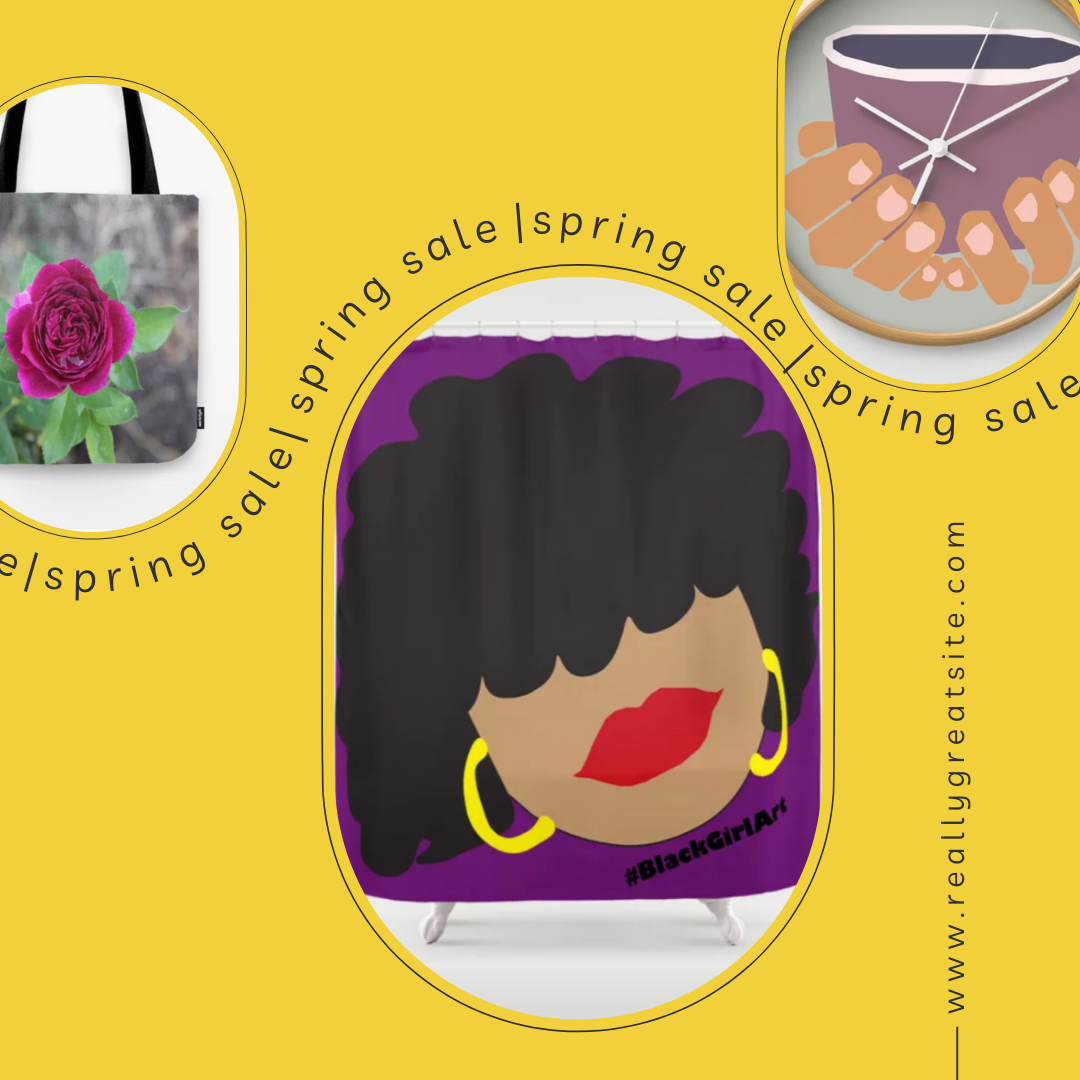
Visit my Society 6 site at BlackGirlArt
My faith is shown in serving hands
My Cultural Beauty in those beautiful girls
A shower curtain.
A Clock.
Coasters or so much more.

Sometimes we live under a stigma and have a hard time seeing something that looks like us as beautiful. Embrace your hue. Remind yourself that when God created you, He was happy with you.
My Brown is Beautiful Collection promises to help you show off your best features.
Visit UPP Creative Shop

This month we celebrate Her Stories. In honor of women’s history month this shirt reminds you of the beauty of women’s stories.
Shop Her Story


African history is rich and deep.
Some areas can trace the history back 350,000 years ago.
Even though much of the history has not been documented in traditional methods, stereotypes of African societies have been destroyed showing vibrant societies that functioned almost better than European ones.
We have seen evidence of ambassadors sent from the Kingdoms of the Kongo, Senegambia, Benin, Dahomey and more to Europe and other parts of the world.
In addition to representing their kingdoms, the people developed technologies, such as rice growing which contributed to world economies especially in Brazil and the southern part of the United States.
The healing practices from Dahomey and Angola were taken to Brazil and the Caribbean.
This month we show respect for the Golden Age of West Africa which coincides with Medieval Period in Europe. While many African kingdoms were powerful in the gold trade, others through making cloth. Some kingdoms had so much gold that when they went to trade it in the Middle East or Europe, they would go home with a third of the gold they brought because there was nothing left to buy.
There were ups and downs in agriculture, but the people were learning how to grow food during rainy seasons or drought.
Some of the great kingdoms and empires in the Senegambia region. The Ghana Empire, Mali Empire, Songhai Empire, Jolog Empire, Kaabu Empire, Kingdoms of Sine, Saloum, Baol, Waalo and Takrur.
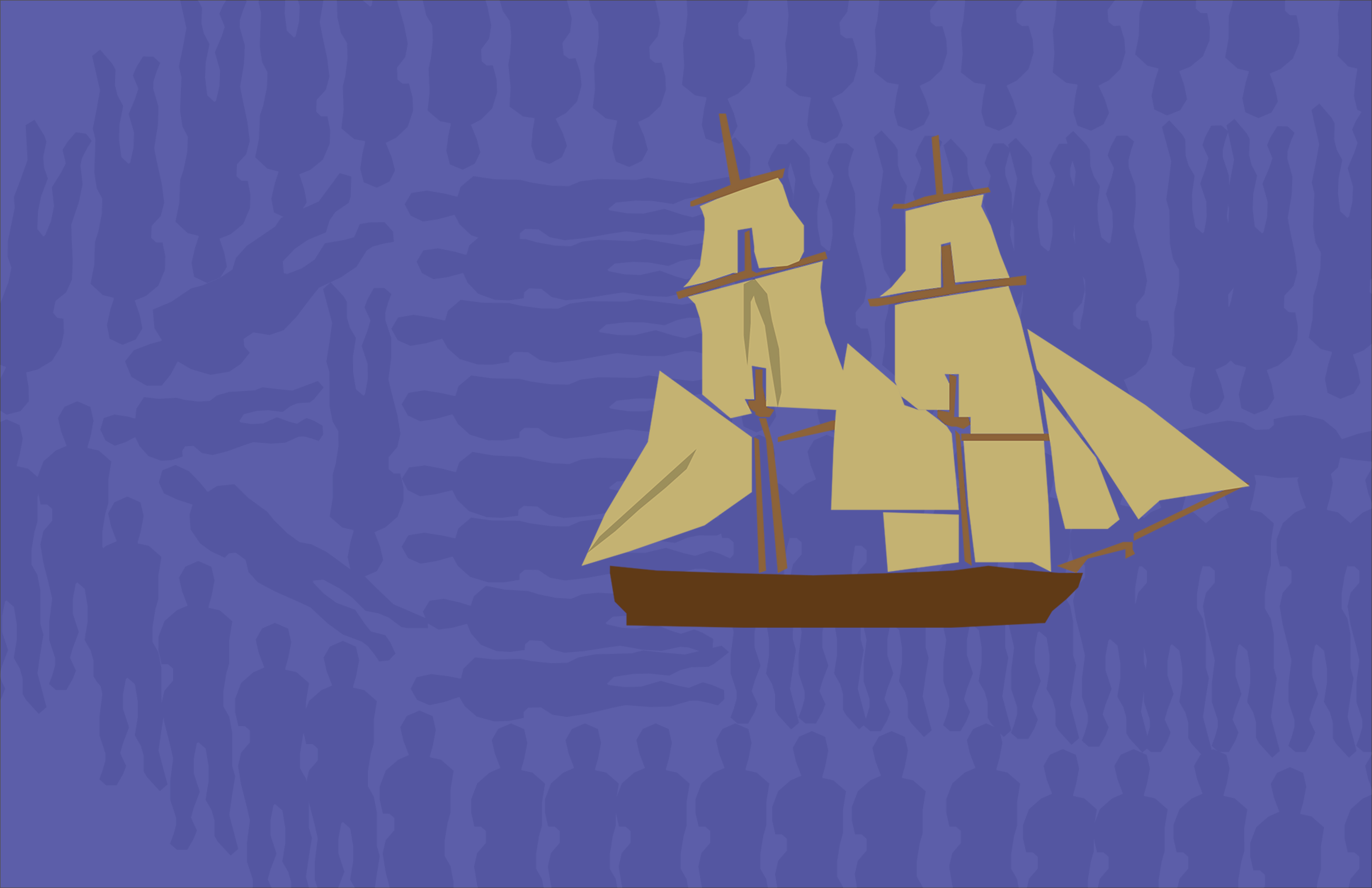
This image shows the fertile land with rice fields, but that ship in the distant is bringing trouble.

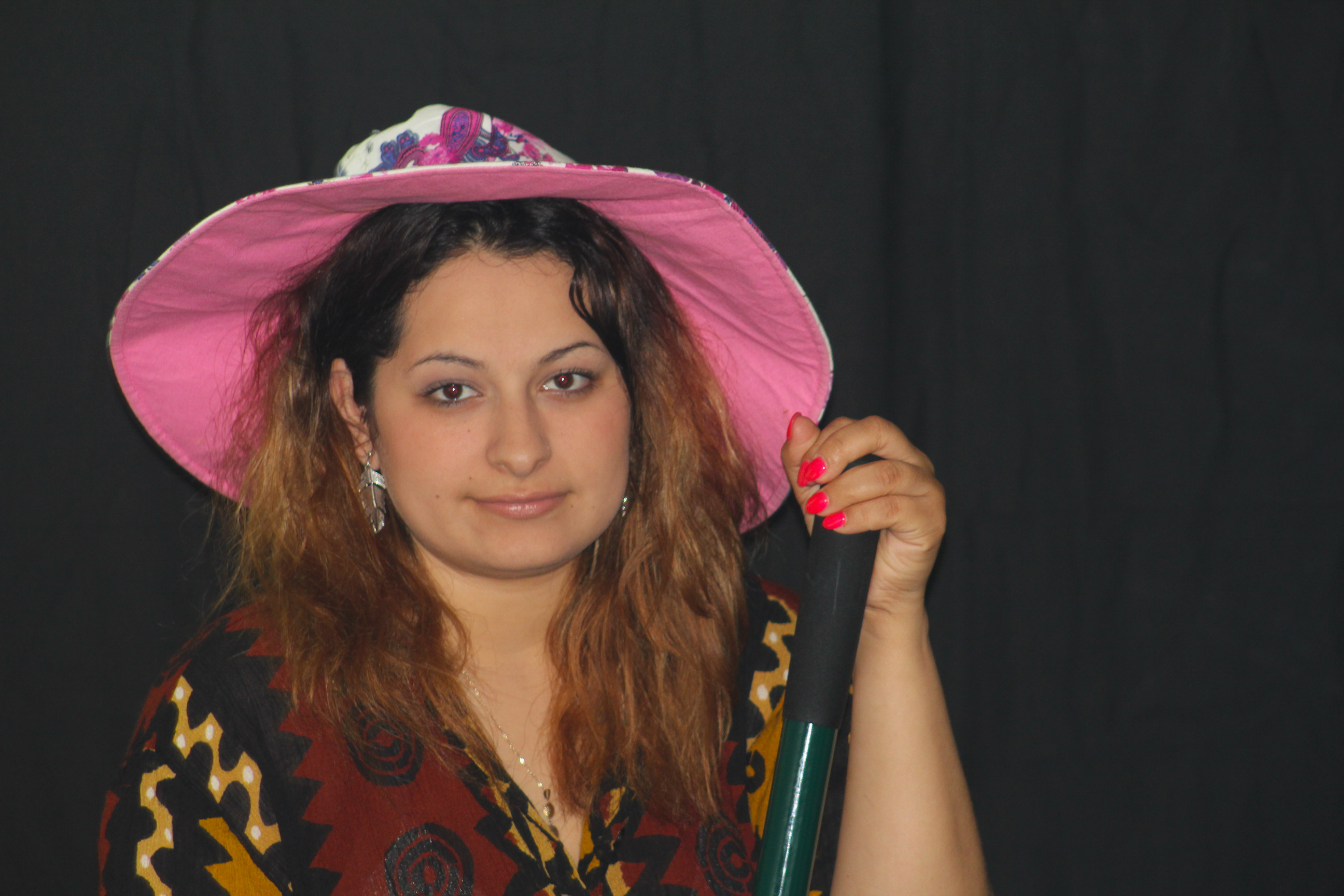
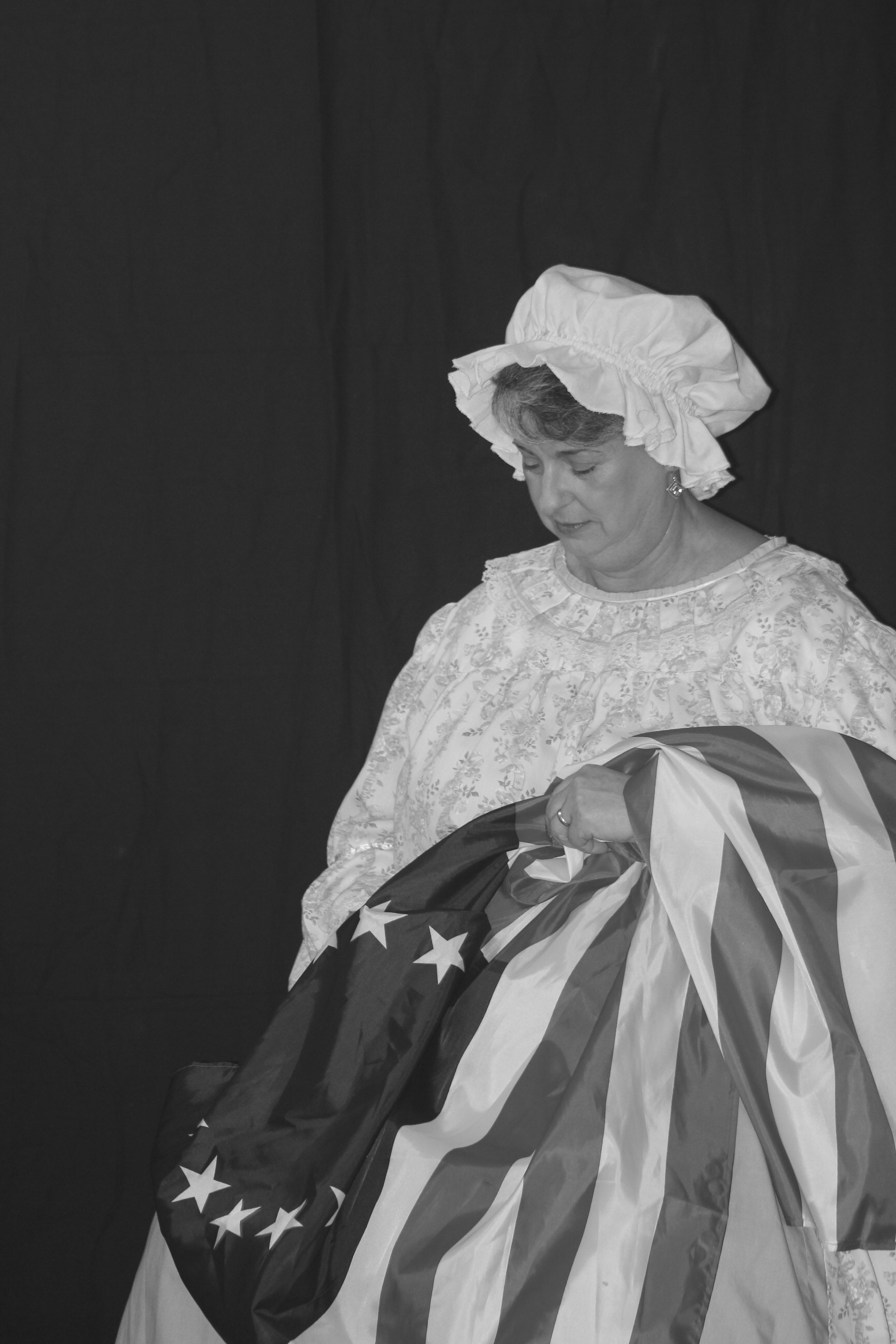
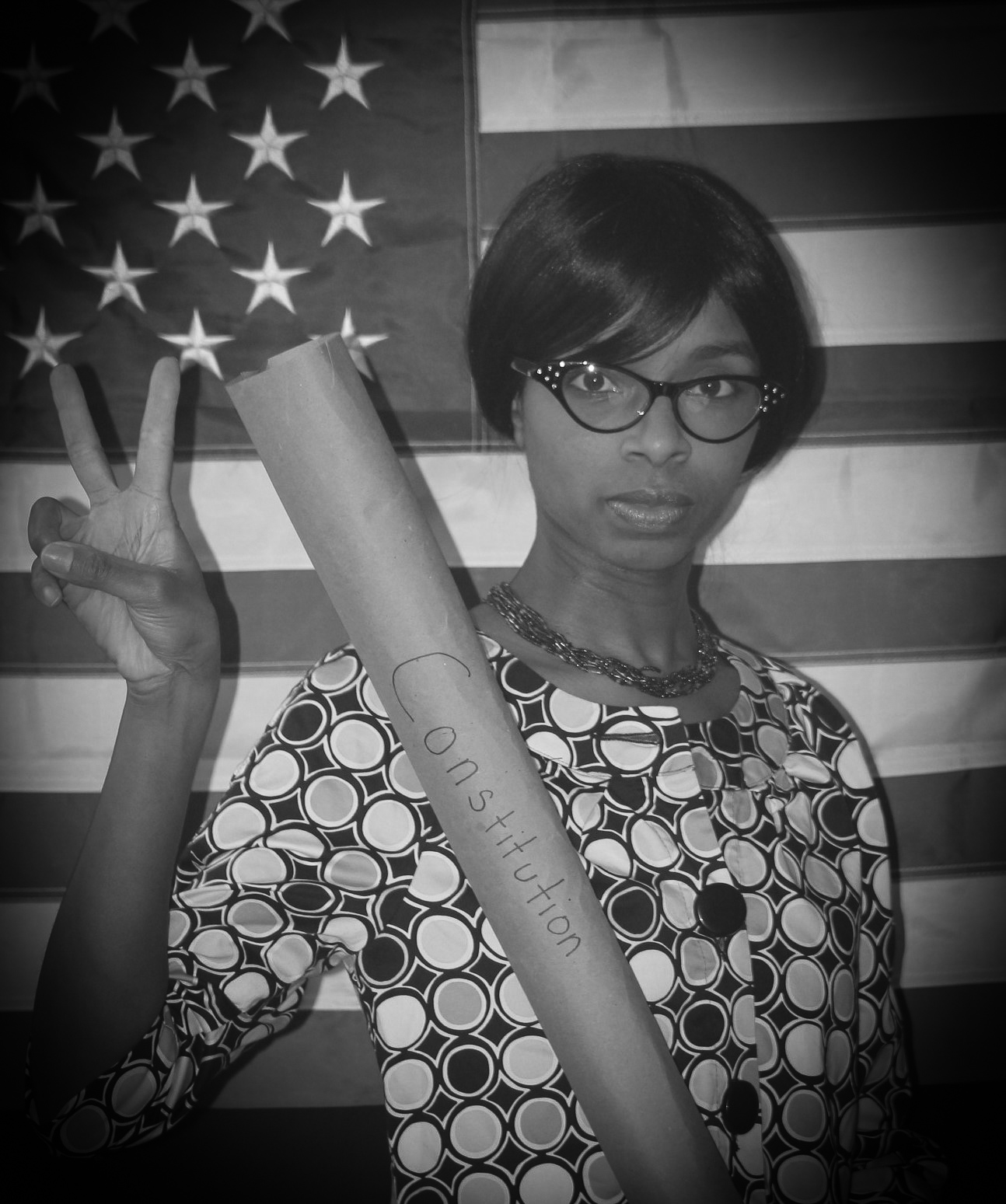
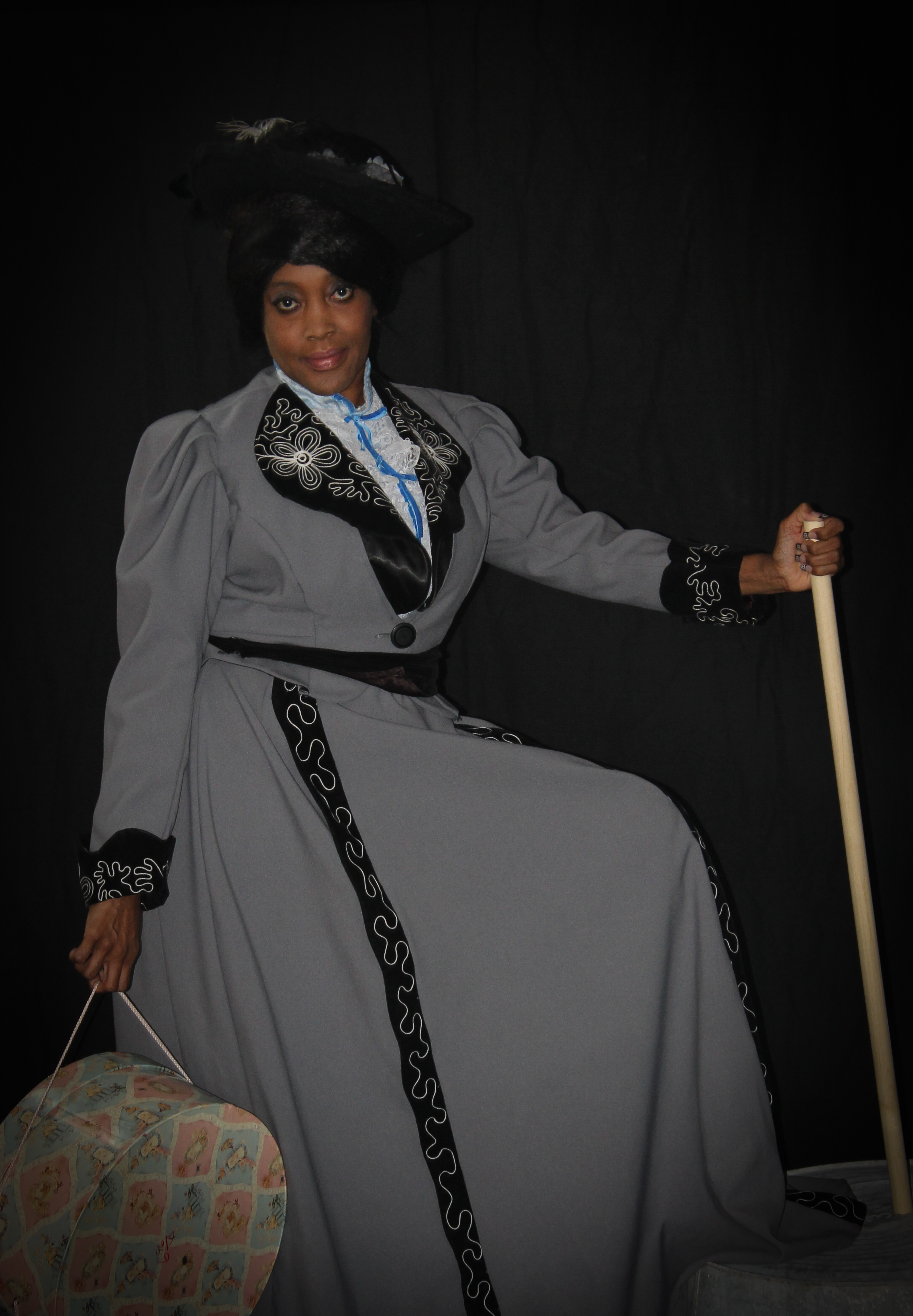
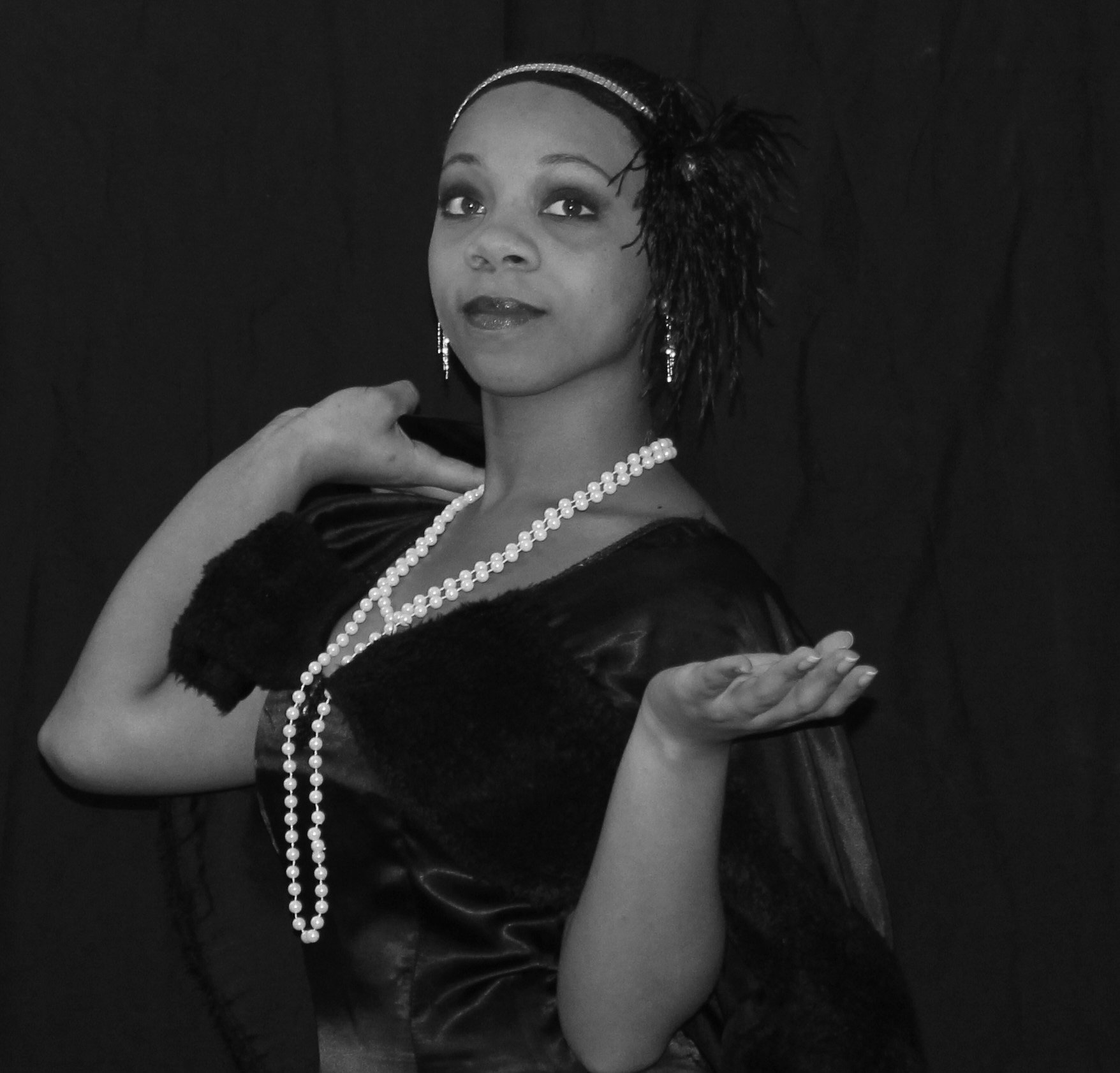
As we get to the end of Women’s History Month, let me remind you of all of the women I have honored in February and March. I did a creative photo shoot to honor some women who impacted the world around them. Sacagawea, Dolores Huerta, Betsy Ross, Shirley Chisholm, Rosa Parks, Madam CJ Walker and Bessie Smith.


My faith is shown in serving hands
My Cultural Beauty in those beautiful girls
A shower curtain.
A Clock. Coasters or so much more. Shop Here
 UPP Creative Media