Bert Williams was a Bahamian-born American entertainer, one of the pre-eminent entertainers of the Vaudeville era and one of the most popular comedians for all audiences of his time. He was born in the Bahamas in November of 1874.
His parents emigrated when he was 11 years old. He graduated from Riverside High School and attended Stanford with plans to become a civil engineer. He had to abandon his studies to help his family and began to work for Martin and Selig’s Mastodon Minstrels. He met George Walker who would be a lifelong friend for a dynamic comedy team. They were one of the most successful teams in their era, performing in the US and abroad, even delivering a command performance in England for King Goerge in 1903.
The two performed together until Walker was too sick to perform in 1909. He died in 1911. Williams would strike out on his own and it would change everything.
Williams is credited as being the first Black man to have the leading role in a film: Darktown Jubilee in 1914. Known as one of the highest paid African American performers in history, Williams worked in many productions including the Ziegfeld Follies of 1917 with WC Fields, Fannie Brice, Eddie Cantor and more. In 1922 Williams collapsed on stage during a performance in Detroit, Michigan. He returned to New York and died at his home in March at the age of 47.
This portrait was drawn by brother, Devin Anderson
Bert Williams was a Bahamian-born American entertainer, one of the pre-eminent entertainers of the Vaudeville era and one of the most popular comedians for all audiences of his time. He was born in the Bahamas in November of 1874.
His parents emigrated when he was 11 years old. He graduated from Riverside High School and attended Stanford with plans to become a civil engineer. He had to abandon his studies to help his family and began to work for Martin and Selig’s Mastodon Minstrels. He met George Walker who would be a lifelong friend for a dynamic comedy team. They were one of the most successful teams in their era, performing in the US and abroad, even delivering a command performance in England for King Goerge in 1903.
The two performed together until Walker was too sick to perform in 1909. He died in 1911. Williams would strike out on his own and it would change everything.
Williams is credited as being the first Black man to have the leading role in a film: Darktown Jubilee in 1914. Known as one of the highest paid African American performers in history, Williams worked in many productions including the Ziegfeld Follies of 1917 with WC Fields, Fannie Brice, Eddie Cantor and more. In 1922 Williams collapsed on stage during a performance in Detroit, Michigan. He returned to New York and died at his home in March at the age of 47.
Bert Williams was a Bahamian-born American entertainer, one of the pre-eminent entertainers of the Vaudeville era and one of the most popular comedians for all audiences of his time. He was born in the Bahamas in November of 1874. He is credited as being the first Black man to have the leading role in a film: Darktown Jubilee in 1914. Known as one of the highest paid African American performers in history, Williams worked in many productions including the Ziegfeld Follies of 1917 with WC Fields, Fannie Brice, Eddie Cantor and more. In 1922 Williams collapsed on stage during a performance in Detroit, Michigan. He returned to New York and died at his home in March at the age of 47.
Matilda Sissieretta Joyner Jones (January 5, 1868 or 1869 was an American soprano. She sometimes was called “The Black Patti” in reference to Italian opera singer Adelina Patti. Jones’ repertoire included grand opera, light opera, and popular music. Trained at the Providence Academy of Music and the New England Conservatory of Music, Jones made her New York debut in 1888 at Steinway Hall, and four years later she performed at the White House for President Benjamin Harrison. She sang for four consecutive presidents and the British royal family, and was met with international success. Besides the United States and the West Indies, Jones toured in South America, Australia, India, southern Africa, and Europe.
The highest-paid African-American performer of her time, later in her career she founded the Black Patti Troubadours (later renamed the Black Patti Musical Comedy Company), a musical and acrobatic act made up of 40 jugglers, comedians, dancers and a chorus of 40 trained singers.[2] She remained the star of the Famous Troubadours for around two decades while they established their popularity in the principal cities of the United States and Canada, Jones retired from performing in 1915. In 2013, she was inducted into the Rhode Island Music Hall of Fame.
Matilda Sissieretta Joyner was born on January 5, 1869, in a house on Bart. She was the oldest of three children, although her siblings died when they were young. Matilda Joyner was nicknamed as Sissy or Tilly by her family and friends, and began singing around the house at a young age. When she was six years old, her family moved to Providence, Rhode Island, where she began singing at an early age in her father’s Pond Street Baptist Church. She attended Meeting Street and Thayer Schools. In 1883, Joyner began the formal study of music at the Providence Academy of Music. She studied with Ada Baroness Lacombe. In the late 1880s, Jones was accepted at the New England Conservatory of Music in Boston, studying under Flora Batson of the Bergen Star Company. She also studied at the Boston Conservatory. Street in Portsmouth, Virginia.
On October 29, 1885, Jones gave a solo performance in Providence as an opening act to a production of Richard III staged by John A. Arneaux’s theatre troupe. In 1887, she performed at Boston’s Music Hall before an audience of 5,000. Jones made her New York debut on April 5, 1888, at Steinway Hall. During a performance at Wallack’s Theater in New York, Jones came to the attention of Adelina Patti’s manager, who recommended that Jones tour the West Indies with the Fisk Jubilee Singers. Jones made successful tours of the Caribbean in 1888 and 1892. Around this time one critic at the theatrical journal the New York Clipper dubbed her “the Black Patti” after Adelina Patti, an epithet that Jones disliked, preferring Madame Jones. She later told a reporter that the name “rather annoys me… I am afraid people will think I consider myself the equal to Patti herself. I assure you I don’t think so, but I have a voice and I am striving to win the favor of the public by honest merit and hard work.”
In February 1892, Jones performed at the White House for President Benjamin Harrison. She also sang for four consecutive presidents — Harrison, Grover Cleveland, William McKinley, and Theodore Roosevelt — and the British royal family. For three of her White House performances, Jones had to enter the building through the back. She was finally allowed to enter through the front door for the Roosevelt performance.
Matilda Sissieretta Joyner Jones (January 5, 1868 or 1869 was an American soprano. She sometimes was called “The Black Patti” in reference to Italian opera singer Adelina Patti. Jones’ repertoire included grand opera, light opera, and popular music. Trained at the Providence Academy of Music and the New England Conservatory of Music, Jones made her New York debut in 1888 at Steinway Hall, and four years later she performed at the White House for President Benjamin Harrison. She sang for four consecutive presidents and the British royal family, and was met with international success. Besides the United States and the West Indies, Jones toured in South America, Australia, India, southern Africa, and Europe.
The highest-paid African-American performer of her time, later in her career she founded the Black Patti Troubadours (later renamed the Black Patti Musical Comedy Company), a musical and acrobatic act made up of 40 jugglers, comedians, dancers and a chorus of 40 trained singers.[2] She remained the star of the Famous Troubadours for around two decades while they established their popularity in the principal cities of the United States and Canada, Jones retired from performing in 1915. In 2013, she was inducted into the Rhode Island Music Hall of Fame.
Matilda Sissieretta Joyner was born on January 5, 1869, in a house on Bart. She was the oldest of three children, although her siblings died when they were young. Matilda Joyner was nicknamed as Sissy or Tilly by her family and friends, and began singing around the house at a young age. When she was six years old, her family moved to Providence, Rhode Island, where she began singing at an early age in her father’s Pond Street Baptist Church. She attended Meeting Street and Thayer Schools. In 1883, Joyner began the formal study of music at the Providence Academy of Music. She studied with Ada Baroness Lacombe. In the late 1880s, Jones was accepted at the New England Conservatory of Music in Boston, studying under Flora Batson of the Bergen Star Company. She also studied at the Boston Conservatory. Street in Portsmouth, Virginia.
On October 29, 1885, Jones gave a solo performance in Providence as an opening act to a production of Richard III staged by John A. Arneaux’s theatre troupe. In 1887, she performed at Boston’s Music Hall before an audience of 5,000. Jones made her New York debut on April 5, 1888, at Steinway Hall. During a performance at Wallack’s Theater in New York, Jones came to the attention of Adelina Patti’s manager, who recommended that Jones tour the West Indies with the Fisk Jubilee Singers. Jones made successful tours of the Caribbean in 1888 and 1892. Around this time one critic at the theatrical journal the New York Clipper dubbed her “the Black Patti” after Adelina Patti, an epithet that Jones disliked, preferring Madame Jones. She later told a reporter that the name “rather annoys me… I am afraid people will think I consider myself the equal to Patti herself. I assure you I don’t think so, but I have a voice and I am striving to win the favor of the public by honest merit and hard work.”
In February 1892, Jones performed at the White House for President Benjamin Harrison. She also sang for four consecutive presidents — Harrison, Grover Cleveland, William McKinley, and Theodore Roosevelt — and the British royal family. For three of her White House performances, Jones had to enter the building through the back. She was finally allowed to enter through the front door for the Roosevelt performance.
Matilda Sissieretta Joyner Jones (January 5, 1868 or 1869 was an American soprano. She sometimes was called “The Black Patti” in reference to Italian opera singer Adelina Patti. Jones’ repertoire included grand opera, light opera, and popular music. Trained at the Providence Academy of Music and the New England Conservatory of Music, Jones made her New York debut in 1888 at Steinway Hall, and four years later she performed at the White House for President Benjamin Harrison. She sang for four consecutive presidents and the British royal family, and was met with international success. Besides the United States and the West Indies, Jones toured in South America, Australia, India, southern Africa, and Europe.
The highest-paid African-American performer of her time, later in her career she founded the Black Patti Troubadours (later renamed the Black Patti Musical Comedy Company), a musical and acrobatic act made up of 40 jugglers, comedians, dancers and a chorus of 40 trained singers.[2] She remained the star of the Famous Troubadours for around two decades while they established their popularity in the principal cities of the United States and Canada, Jones retired from performing in 1915. In 2013, she was inducted into the Rhode Island Music Hall of Fame.
Matilda Sissieretta Joyner was born on January 5, 1869, in a house on Bart. She was the oldest of three children, although her siblings died when they were young. Matilda Joyner was nicknamed as Sissy or Tilly by her family and friends, and began singing around the house at a young age. When she was six years old, her family moved to Providence, Rhode Island, where she began singing at an early age in her father’s Pond Street Baptist Church. She attended Meeting Street and Thayer Schools. In 1883, Joyner began the formal study of music at the Providence Academy of Music. She studied with Ada Baroness Lacombe. In the late 1880s, Jones was accepted at the New England Conservatory of Music in Boston, studying under Flora Batson of the Bergen Star Company. She also studied at the Boston Conservatory. Street in Portsmouth, Virginia.
Matilda Sissieretta Joyner Jones (January 5, 1868 or 1869 was an American soprano. She sometimes was called “The Black Patti” in reference to Italian opera singer Adelina Patti. Jones’ repertoire included grand opera, light opera, and popular music. Trained at the Providence Academy of Music and the New England Conservatory of Music, Jones made her New York debut in 1888 at Steinway Hall, and four years later she performed at the White House for President Benjamin Harrison. She sang for four consecutive presidents and the British royal family, and was met with international success. Besides the United States and the West Indies, Jones toured in South America, Australia, India, southern Africa, and Europe.
The highest-paid African-American performer of her time, later in her career she founded the Black Patti Troubadours (later renamed the Black Patti Musical Comedy Company), a musical and acrobatic act made up of 40 jugglers, comedians, dancers and a chorus of 40 trained singers.[2] She remained the star of the Famous Troubadours for around two decades while they established their popularity in the principal cities of the United States and Canada, Jones retired from performing in 1915. In 2013, she was inducted into the Rhode Island Music Hall of Fame.
Juneteenth is a federal holiday in the United States commemorating the emancipation of enslaved African Americans. Deriving its name from combining “June” and “nineteenth”, it is celebrated on the anniversary of the order, issued by Major General Gordon Granger on June 19, 1865, proclaiming freedom for slaves in Texas. Originating in Galveston, Juneteenth has since been observed annually in various parts of the United States, often broadly celebrating African-American culture. The day was first recognized as a federal holiday in 2021, when President Joe Biden signed the Juneteenth National Independence Day Act into law after the efforts of Lula Briggs Galloway, Opal Lee, and others.
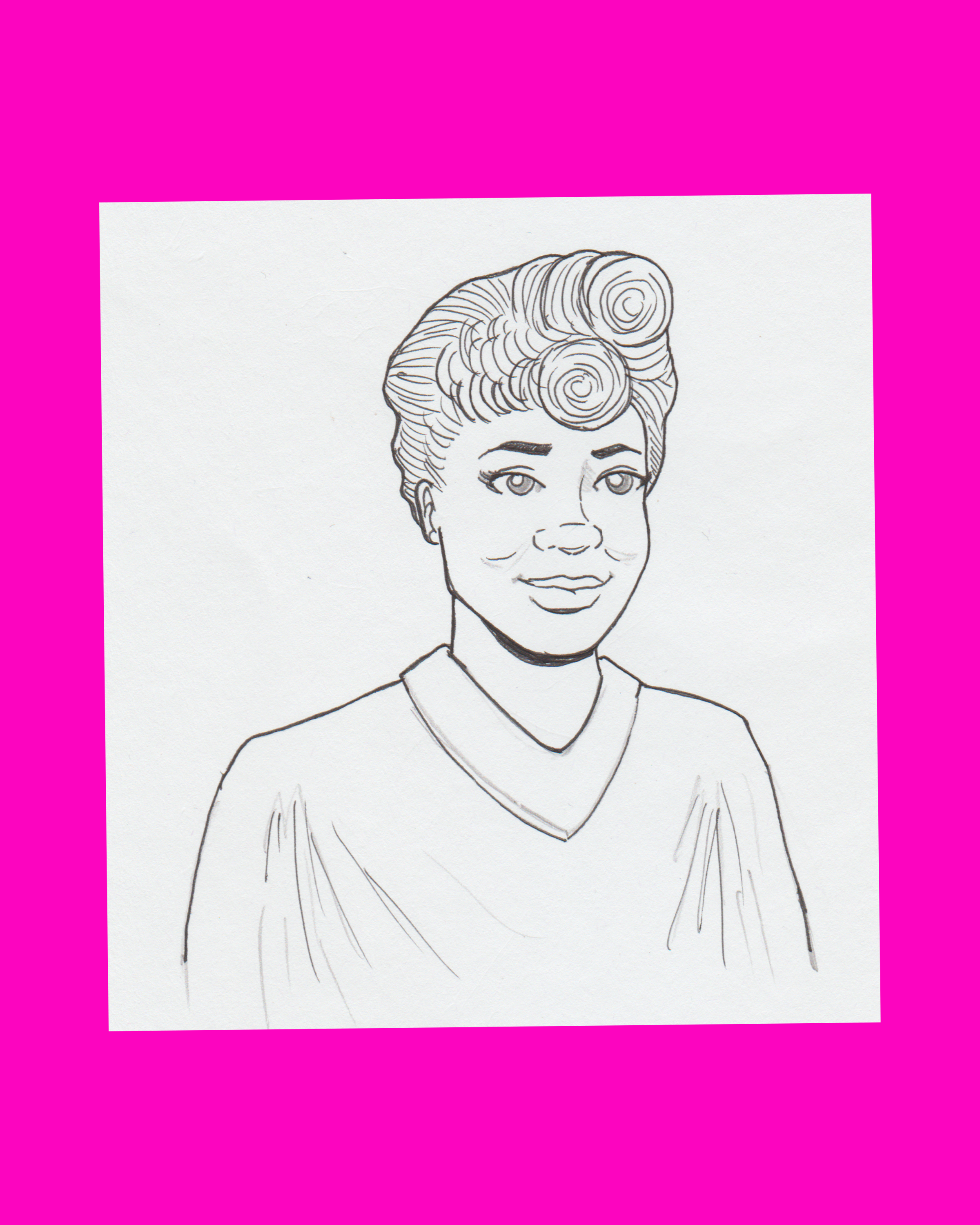
Opal Lee born October 7, 1926 is an American retired teacher, counselor, and activist in the movement to make Juneteenth a federally-recognized holiday. She is often described as the “grandmother of Juneteenth”.
On June 17, 2021, President Joe Biden signed Senate Bill S. 475, making Juneteenth the eleventh federal holiday.
Juneteenth is a federal holiday in the United States commemorating the emancipation of enslaved African Americans. Deriving its name from combining “June” and “nineteenth”, it is celebrated on the anniversary of the order, issued by Major General Gordon Granger on June 19, 1865, proclaiming freedom for slaves in Texas. Originating in Galveston, Juneteenth has since been observed annually in various parts of the United States, often broadly celebrating African-American culture. The day was first recognized as a federal holiday in 2021, when President Joe Biden signed the Juneteenth National Independence Day Act into law after the efforts of Lula Briggs Galloway, Opal Lee, and others.
It is about emancipation, but it is a celebration that takes place in the form of cookouts, barbecues and so much more. As a child I remember going to the park to celebrate with other members of our community. As an adult, I remember programs that helped tell the story of why we celebrated.
Juneteenth is a federal holiday in the United States commemorating the emancipation of enslaved African Americans. Deriving its name from combining “June” and “nineteenth”, it is celebrated on the anniversary of the order, issued by Major General Gordon Granger on June 19, 1865, proclaiming freedom for slaves in Texas. Originating in Galveston, Juneteenth has since been observed annually in various parts of the United States, often broadly celebrating African-American culture. The day was first recognized as a federal holiday in 2021, when President Joe Biden signed the Juneteenth National Independence Day Act into law after the efforts of Lula Briggs Galloway, Opal Lee, and others.





 UPP Creative Media