Art of the Month

In Women’s History Month we will tell the story of African American woman, born into slavery but brought beautiful music to many people.

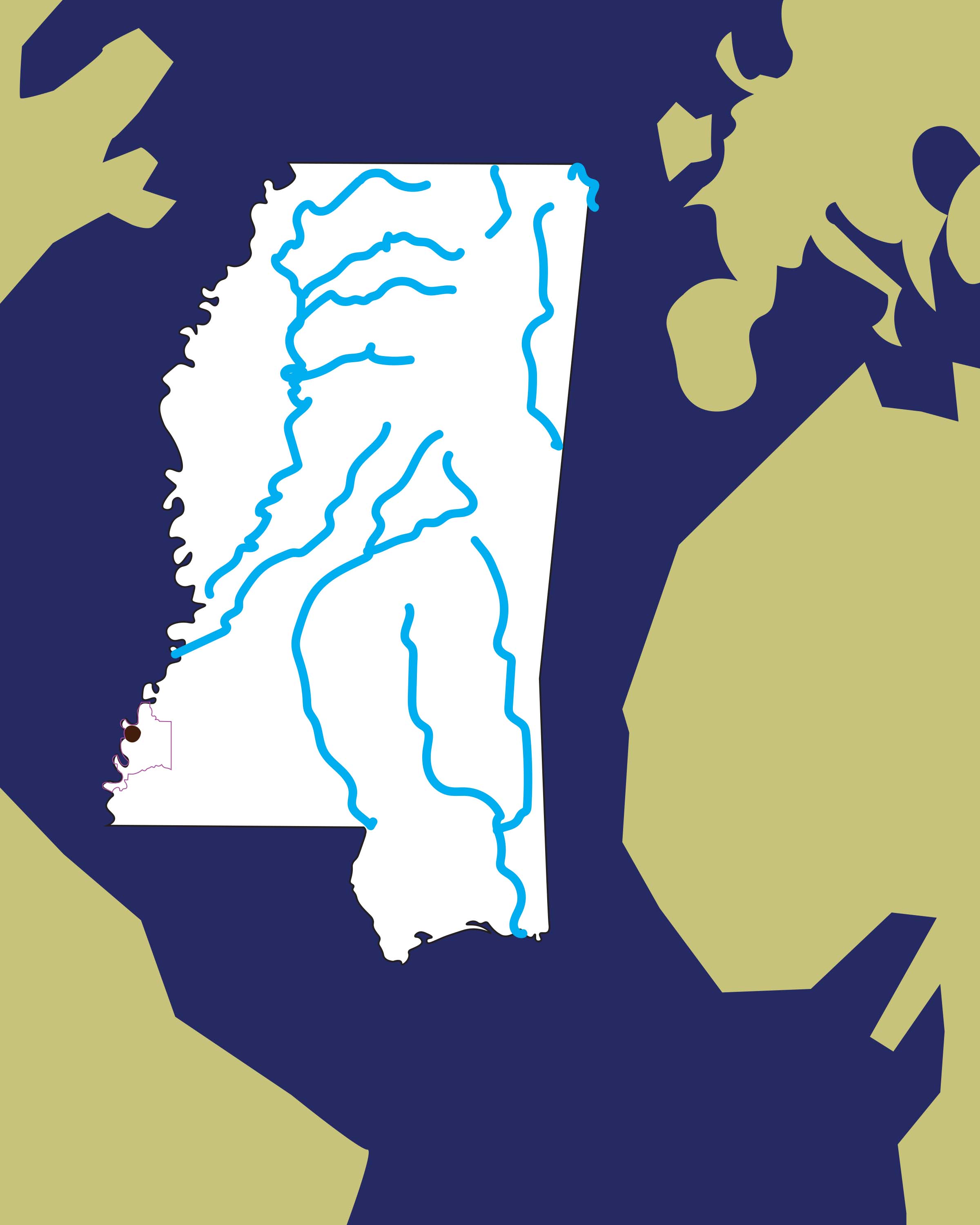
Elizabeth Taylor Greenfield was born into slavery in Natchez, Mississippi somewhere between 1817 and 1826, to Anna Greenfield and a man whose name may have been Taylor. According to an 1854 article in The Tri-Weekly Commercial, “her mother was of Indian descent, her father an African.”

In the early 1820s, Greenfield’s mistress, Elizabeth H. Greenfield, a former plantation owner who moved to Philadelphia after divorcing her second husband and emancipated her slaves. E.H. Greenfield worked with the American Emancipation Society to send 18 formerly enslaved residents of the Greenfield plantation, including Anna Greenfield and two of her daughters, to Liberia on August 2, 1831, aboard the brig Criterion.

Elizabeth Taylor Greenfield remained in Philadelphia. She studied music as a child.

In about 1851, Greenfield began to sing at private parties, debuting at the Buffalo Musical Association. From 1851 to 1853 she toured as managed by Colonel J. H. Wood, a supporter of the Fugitive Slave Act of 1850, who would not allow black patrons into her concerts.

In 1853, Greenfield debuted at Metropolitan Hall in New York City, which held an audience of 4,000—white patrons only. After the concert, Greenfield apologized to her own people for their exclusion from the performance and gave a concert to benefit the Home of Aged Colored Persons and the Colored Orphan Asylum.

https://en.wikipedia.org/wiki/Elizabeth_Greenfield

Madam CJ Walker

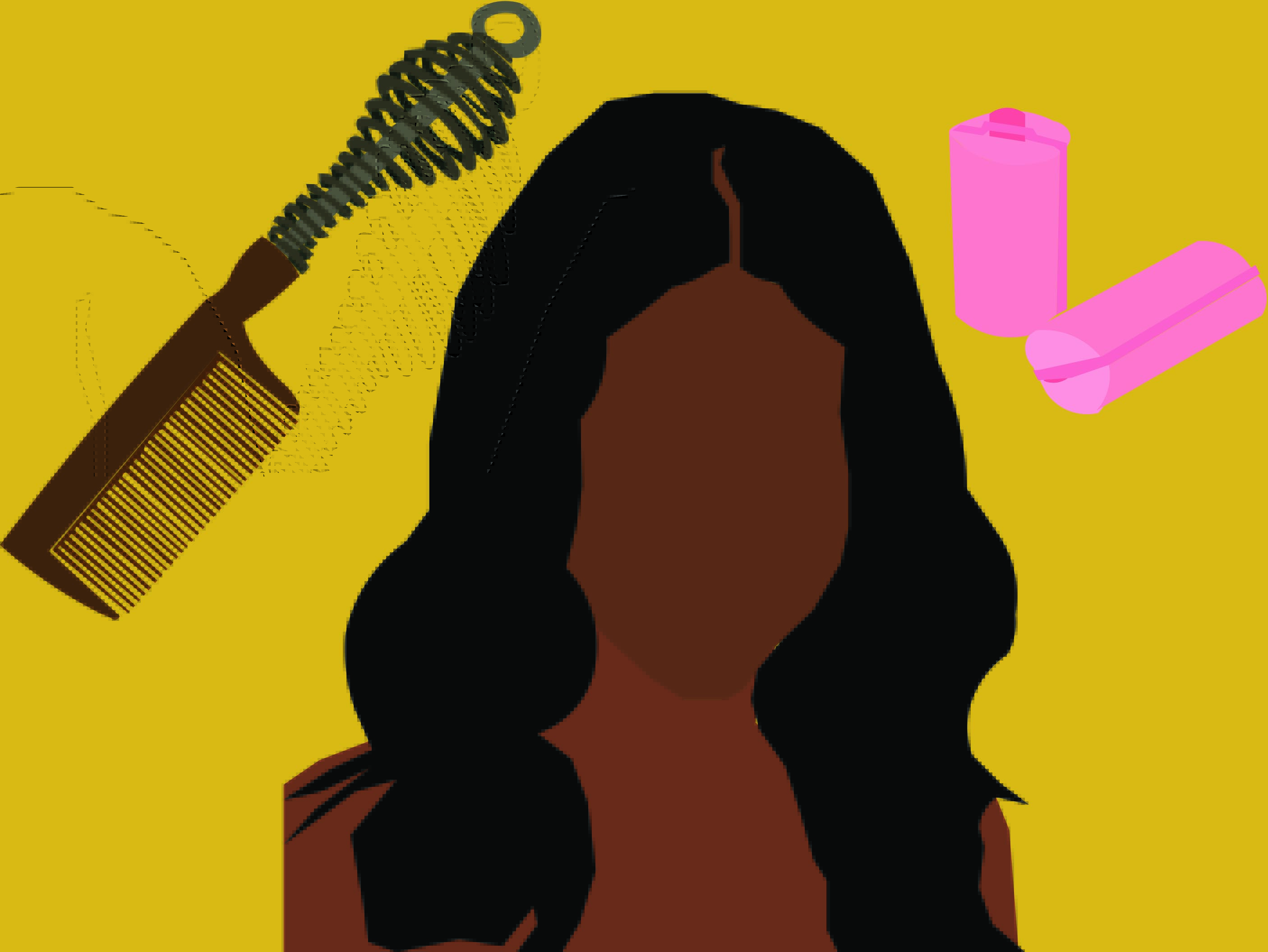
This month i highlighted the life of Madam CJ Walker who helped create an industry that allowed women of African descent to feel beautiful.

Madam C.J. Walker was an African American entrepreneur, philanthropist, and political and social activist. She is recorded as the first female self-made millionaire in America in the Guinness Book of World Records. 

She was born Sarah Breedlove in December 23, 1867 in Delta, Louisiana. Her parents died when she was seven. She went to live with her sister and brother in law in Mississippi. She had three months of school and then went to work as a domestic servant. She married Moses McWilliams at age 14 and had one daughter, Leila. He died in 1887.

She moved to St Louis, Mo in 1888. She had dandruff and scalp problems. She learned about hair care from her brothers and went to work selling products for Annie Malone.

Walker made her fortune by developing and marketing a line of cosmetics and hair care products for black women through the business she founded, Madam C. J. Walker Manufacturing Company.

Walker started her mail order business in Denver around 1906, but later closing it in 1907. In 1908 she moved the business to Pittsburgh, and by 1910 established a base in Indianapolis. She also traveled to Central America and the Caribbean to sell her products. In 1916, she moved her personal life to New York City. She had trained more than 20,000 women by 1917, which was the first year of her annual conference held in Philadelphia.

She became known also for her philanthropy and activism. She made financial donations to numerous organizations such as the NAACP, and became a patron of the arts. 

She died at age 51 in 1919 in New York City.

https://en.wikipedia.org/wiki/Madam_C._J._Walker

This piece is by my brother, Devin Anderson.

Art of the Month

Madam C.J. Walker was an African American entrepreneur, philanthropist, and political and social activist. She is recorded as the first female self-made millionaire in America in the Guinness Book of World Records. 

She was born Sarah Breedlove in December 23, 1867 in Delta, Louisiana. Her parents died when she was seven. She went to live with her sister and brother in law in Mississippi. She had three months of school and then went to work as a domestic servant. She married Moses McWilliams at age 14 and had one daughter, Leila. He died in 1887.

She moved to St Louis, Mo in 1888. She had dandruff and scalp problems. She learned about hair care from her brothers and went to work selling products for Annie Malone.

Walker made her fortune by developing and marketing a line of cosmetics and hair care products for black women through the business she founded, Madam C. J. Walker Manufacturing Company.

Walker started her mail order business in Denver around 1906, but later closing it in 1907. In 1908 she moved the business to Pittsburgh, and by 1910 established a base in Indianapolis. She also traveled to Central America and the Caribbean to sell her products. In 1916, she moved her personal life to New York City. She had trained more than 20,000 women by 1917, which was the first year of her annual conference held in Philadelphia.

She became known also for her philanthropy and activism. She made financial donations to numerous organizations such as the NAACP, and became a patron of the arts. 

She died at age 51 in 1919 in New York City.

https://en.wikipedia.org/wiki/Madam_C._J._Walker

Art of the Month

Madam C.J. Walker was an African American entrepreneur, philanthropist, and political and social activist. She is recorded as the first female self-made millionaire in America in the Guinness Book of World Records. 

She was born Sarah Breedlove in December 23, 1867 in Delta, Louisiana. Her parents died when she was seven. She went to live with her sister and brother in law in Mississippi. She had three months of school and then went to work as a domestic servant. She married Moses McWilliams at age 14 and had one daughter, Leila. He died in 1887.

She moved to St Louis, Mo in 1888. She had dandruff and scalp problems. She learned about hair care from her brothers and went to work selling products for Annie Malone.

Walker made her fortune by developing and marketing a line of cosmetics and hair care products for black women through the business she founded, Madam C. J. Walker Manufacturing Company. She became known also for her philanthropy and activism. She made financial donations to numerous organizations such as the NAACP, and became a patron of the arts. 

https://en.wikipedia.org/wiki/Madam_C._J._Walker

Art of the Month

For Black History Month we are telling the story of a woman who started with nothing, but didn’t allow that to hinder her. She pushed on.

Madam C.J. Walker was an African American entrepreneur, philanthropist, and political and social activist. She is recorded as the first female self-made millionaire in America in the Guinness Book of World Records. 

She was born Sarah Breedlove in December 23, 1867 in Delta, Louisiana.

Walker made her fortune by developing and marketing a line of cosmetics and hair care products for black women through the business she founded, Madam C. J. Walker Manufacturing Company. She became known also for her philanthropy and activism. She made financial donations to numerous organizations such as the NAACP, and became a patron of the arts. 

https://en.wikipedia.org/wiki/Madam_C._J._Walker

Art of the Month

He was called Estevanico “Little Stephen” by history, but perhaps his given name was Mustafa. He born free in the Moroccan city of Azemmouri between 1490 and 1500. His faith was probably Muslim, which meant he probably knew how to read and write. As a young man, he was taken captive by slavers and sold to a Spanish nobleman, which meant he had to learn the language of Spanish and maybe even Portuguese.

He was taken on a expedition to conquer the new world in 1527, but things went terribly wrong. Of the 600 men who set out on the journey only 4 made it, and he was one of them.

Estevanico and his fellow travelers had to journey across North America from Tampa Bay coast along the Gulf to South Texas. They were captured by Natives and enslaved for almost six years. He worked as the interpreter, because he knew how to learn languages and communicate with people who were different than him.

At one point they escaped from the natives and made a two-year journey to Mexico posing as spiritual healers for Native Americans. He was known to wear feathers like the natives and carry a gord as a rattle. Once they made it to the Spanish colony in Mexico, life went back to usual, where Estevanico was once again a slave at the will of the others.

The explorers were still looking for gold but were too afraid to go themselves, so his owner lent Estevanico to a friar and sent him back out to explore North America in search for gold.

Legend has it that Estevanico died in his encounter with the Zuni natives in modern day New Mexico, but no body was ever found. By 1539 he was assumed dead because none of the Europeans ever saw him again.

Art of the Month

He was called Estevanico “Little Stephen” by history, but perhaps his given name was Mustafa. He born free in the Moroccan city of Azemmouri between 1490 and 1500. His faith was probably Muslim, which meant he probably knew how to read and write. As a young man, he was taken captive by slavers and sold to a Spanish nobleman, which meant he had to learn the language of Spanish and maybe even Portuguese.

He was taken on a expedition to conquer the new world in 1527, but things went terribly wrong. Of the 600 men who set out on the journey only 4 made it, and he was one of them.

Estevanico and his fellow travelers had to journey across North America from Tampa Bay coast along the Gulf to South Texas. They were captured by Natives and enslaved for almost six years. He worked as the interpreter, because he knew how to learn languages and communicate with people who were different than him.

At one point they escaped from the natives and made a two-year journey to Mexico posing as spiritual healers for Native Americans. He was known to wear feathers like the natives and carry a gord as a rattle. Once they made it to the Spanish colony in Mexico, life went back to usual, where Estevanico was once again a slave at the will of the others.

The explorers were still looking for gold but were too afraid to go themselves, so his owner lent Estevanico to a friar and sent him back out to explore North America in search for gold.

Legend has it that Estevanico died in his encounter with the Zuni natives in modern day New Mexico, but no body was ever found. By 1539 he was assumed dead because none of the Europeans ever saw him again.

Art of the Month

Estevanico worked as a spiritual healer as he traveled among the natives. He carried a red gord that rattled and wore feathers.

He was called Estevanico “Little Stephen” by history, but perhaps his given name was Mustafa. He born free in the Moroccan city of Azemmouri between 1490 and 1500. His faith was probably Muslim, which meant he probably knew how to read and write. As a young man, he was taken captive by slavers and sold to a Spanish nobleman, which meant he had to learn the language of Spanish and maybe even Portuguese.

He was taken on a expedition to conquer the new world in 1527, but things went terribly wrong. Of the 600 men who set out on the journey only 4 made it, and he was one of them.

Estevanico and his fellow travelers had to journey across North America from Tampa Bay coast along the Gulf to South Texas. They were captured by Natives and enslaved for almost six years. He worked as the interpreter, because he knew how to learn languages and communicate with people who were different than him.

At one point they escaped from the natives and made a two-year journey to Mexico posing as spiritual healers for Native Americans. He was known to wear feathers like the natives and carry a red gord as a rattle. Once they made it to the Spanish colony in Mexico, life went back to usual, where Estevanico was once again a slave at the will of the others.

The explorers were still looking for gold but were too afraid to go themselves, so his owner lent Estevanico to a friar and sent him back out to explore North America in search for gold.

Legend has it that Estevanico died in his encounter with the Zuni natives in modern day New Mexico, but no body was ever found. By 1539 he was assumed dead because none of the Europeans ever saw him again.

Art of the Month

Each month I will focus on a person from African history and through out the month tell their story in four images. This is a work in progress, so it will change as we grow.

He was called Estevanico “Little Stephen” by history, but perhaps his given name was Mustafa. He born free in the Moroccan city of Azemmouri between 1490 and 1500. His faith was probably Muslim, which meant he probably knew how to read and write. As a young man, he was taken captive by slavers and sold to a Spanish nobleman, which meant he had to learn the language of Spanish and maybe even Portuguese.

He was taken on a expedition to conquer the new world in 1527, but things went terribly wrong. Of the 600 men who set out on the journey only 4 made it, and he was one of them.

Estevanico and his fellow travelers had to journey across North America from Tampa Bay coast along the Gulf to South Texas. They were captured by Natives and enslaved for almost six years. He worked as the interpreter, because he knew how to learn languages and communicate with people who were different than him.

At one point they escaped from the natives and made a two-year journey to Mexico posing as spiritual healers for Native Americans. He was known to wear feathers like the natives and carry a gord as a rattle. Once they made it to the Spanish colony in Mexico, life went back to usual, where Estevanico was once again a slave at the will of the others.

The explorers were still looking for gold but were too afraid to go themselves, so his owner lent Estevanico to a friar and sent him back out to explore North America in search for gold.

Legend has it that Estevanico died in his encounter with the Zuni natives in modern day New Mexico, but no body was ever found. By 1539 he was assumed dead because none of the Europeans ever saw him again.

Art of the Quarter

Black Lives Matter

BlackLivesMatter was founded in 2013 in response to the acquittal of Trayvon Martin’s murderer. Black Lives Matter Global Network Foundation, Inc. is a global organization in the US, UK, and Canada, whose mission is to eradicate white supremacy and build local power to intervene in violence inflicted on Black communities by the state and vigilantes. By combating and countering acts of violence, creating space for Black imagination and innovation, and centering Black joy, we are winning immediate improvements in our lives.

https://blacklivesmatter.com/about/

George Perry Floyd Jr. 

George Perry Floyd Jr. (October 14, 1973 – May 25, 2020) was an African-American man who was murdered by a police officer in Minneapolis, Minnesota, during an arrest made after a store clerk suspected Floyd may have used a counterfeit twenty-dollar bill, on May 25, 2020. Derek Chauvin, one of the four police officers who arrived on the scene, knelt on Floyd’s neck and back for 9 minutes and 29 seconds which caused a lack of oxygen.[4] After his murder, protests against police brutality, especially towards black people, quickly spread across the United States and globally. His dying words, “I can’t breathe,” became a rallying slogan.

Born in Fayetteville, North Carolina, Floyd grew up in Houston, Texas, playing American football and basketball throughout high school and college.

https://en.wikipedia.org/wiki/George_Floyd

Juneteenth

Juneteenth is a federal holiday in the United States commemorating the emancipation of enslaved African Americans. Deriving its name from combining “June” and “nineteenth”, it is celebrated on the anniversary of General Order No. 3, issued by Major General Gordon Granger on June 19, 1865, proclaiming freedom for slaves in Texas. Originating in Galveston, Juneteenth has since been observed annually in various parts of the United States, often broadly celebrating African-American culture. The day was first recognized as a federal holiday in 2021, when President Joe Biden signed the Juneteenth National Independence Day Act into law after the efforts of Lula Briggs Galloway, Opal Lee, and others.

https://en.wikipedia.org/wiki/Juneteenth

Vice President Kamala Harris

Kamala Devi Harris born October 20, 1964 in Oakland, California. Harris graduated from Howard University and the University of California, Hastings College of the Law. She is an American politician and attorney who is the 49th vice president of the United States. Harris met her husband, attorney Doug Emhoff, through a mutual friend who set up Harris and Emhoff on a blind date in 2013

Harris is the first female vice president and the highest-ranking female official in U.S. history, as well as the first African American and first Asian American vice president. A member of the Democratic Party, she previously served as the attorney general of California from 2011 to 2017 and as a United States senator representing California from 2017 to 2021.

She began her career in the Alameda County District Attorney’s Office, before being recruited to the San Francisco District Attorney’s Office and later the City Attorney of San Francisco’s office.

https://en.wikipedia.org/wiki/Kamala_Harris

Associate Justice Ketanji Brown Jackson

Ketanji Onyika Brown Jackson wasborn September 14, 1970 in Washington, DC. Jackson is an American jurist who serves as an associate justice of the Supreme Court of the United States. She was nominated to the Supreme Court by President Joe Biden on February 25, 2022. She was confirmed by the United States Senate on April 7, 2022, and sworn into office on June 30.

Jackson grew up in the Miami, Florida, area. Jackson graduated from Harvard in 1992 with an A.B. magna cum laude. Jackson worked as a staff reporter and researcher for Time magazine from 1992 to 1993, then attended Harvard Law School. In 1996, Brown married surgeon Patrick Graves Jackson, whom she met at Harvard College. 

https://en.wikipedia.org/wiki/Ketanji_Brown_Jackson