My faith is shown in serving hands
My Cultural Beauty in those beautiful girls
A shower curtain. A Clock. Coasters or so much more. Blackgirlart
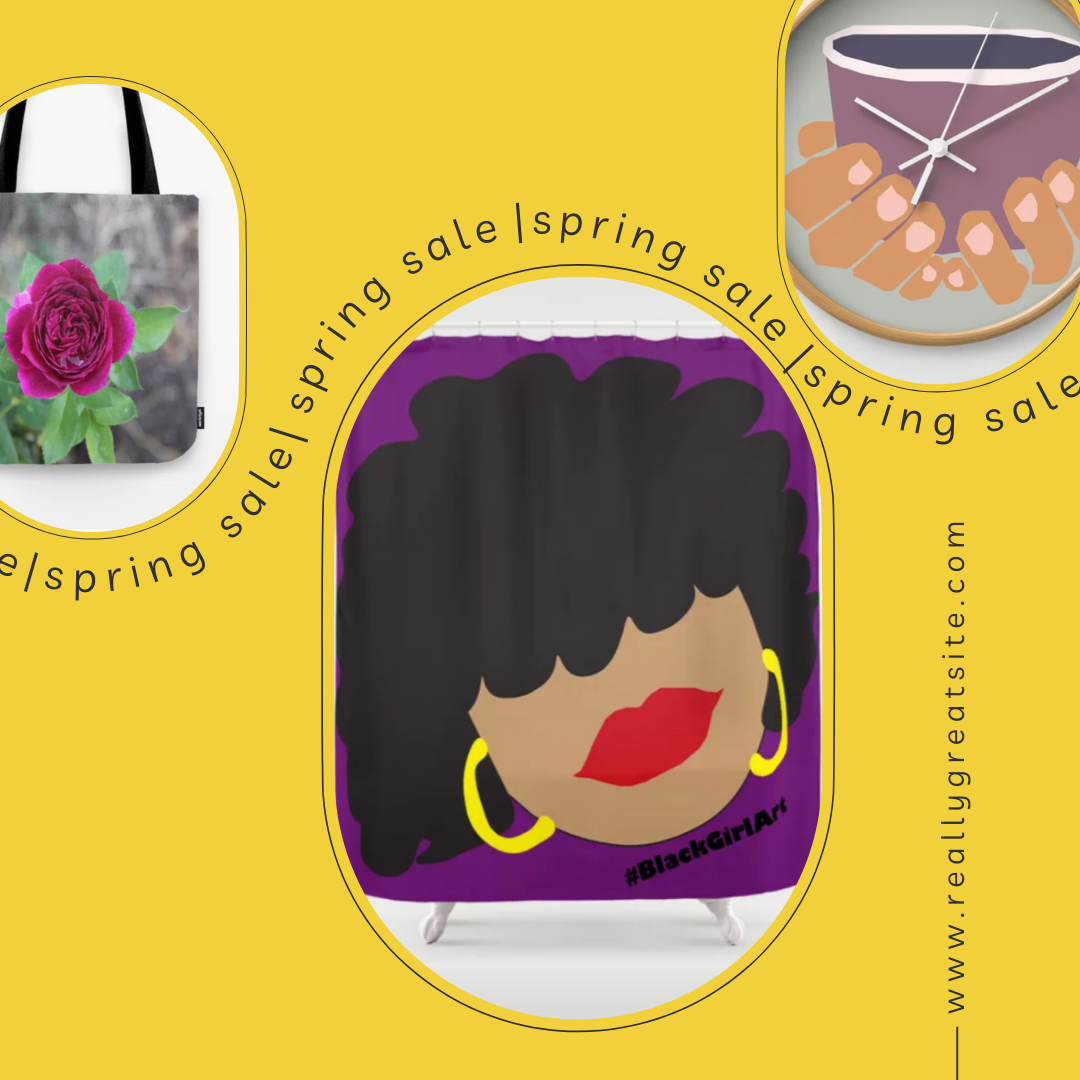
My faith is shown in serving hands
My Cultural Beauty in those beautiful girls
A shower curtain. A Clock. Coasters or so much more. Blackgirlart
This month we celebrate Her Stories. In honor of women’s history month this shirt reminds you of the beauty of women’s stories.
Shop Here

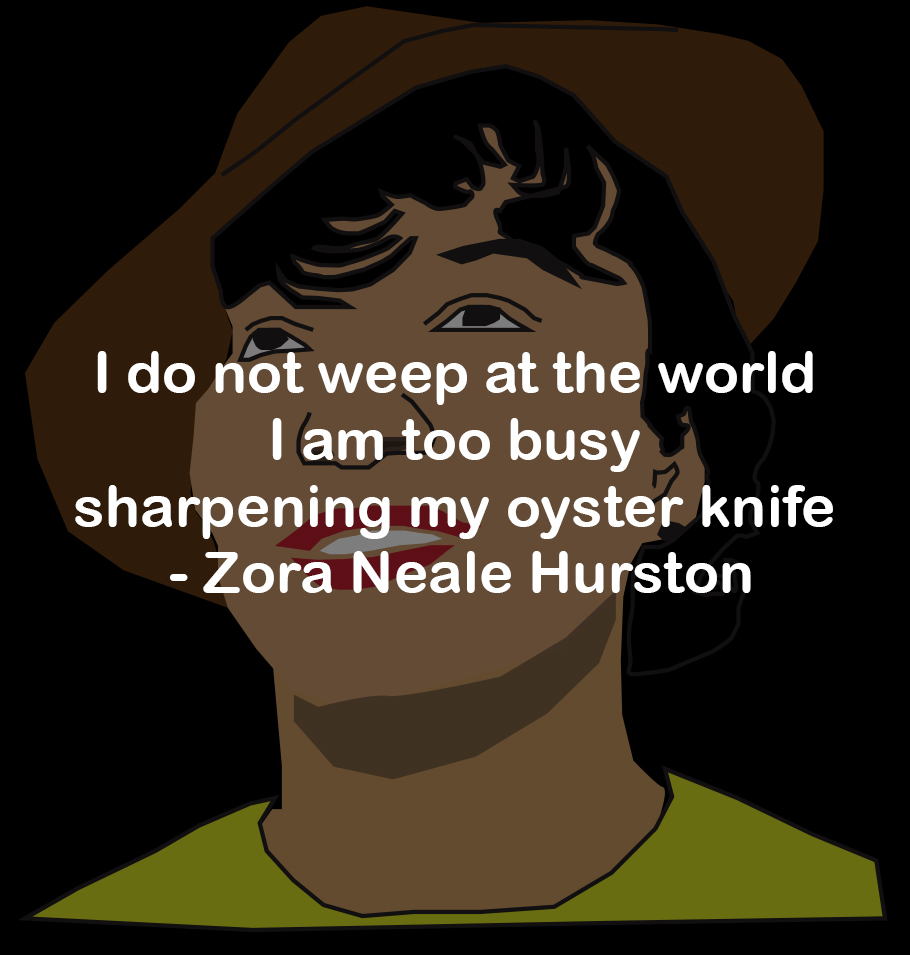
African history is rich and deep.
Some areas can trace the history back 350,000 years ago.
Even though much of the history has not been documented in traditional methods, stereotypes of African societies have been destroyed showing vibrant societies that functioned almost better than European ones.
We have seen evidence of ambassadors sent from the Kingdoms of the Kongo, Senegambia, Benin, Dahomey and more to Europe and other parts of the world.
In addition to representing their kingdoms, the people developed technologies, such as rice growing which contributed to world economies especially in Brazil and the southern part of the United States.
The healing practices from Dahomey and Angola were taken to Brazil and the Caribbean.
This month we show respect for the Golden Age of West Africa which coincides with Medieval Period in Europe. While many African kingdoms were powerful in the gold trade, others through making cloth. Some kingdoms had so much gold that when they went to trade it in the Middle East or Europe, they would go home with a third of the gold they brought because there was nothing left to buy.
There were ups and downs in agriculture, but the people were learning how to grow food during rainy seasons or drought.
Some of the great kingdoms and empires in the Senegambia region. The Ghana Empire, Mali Empire, Songhai Empire, Jolog Empire, Kaabu Empire, Kingdoms of Sine, Saloum, Baol, Waalo and Takrur.
This image shows the fertile land with rice fields, but that ship in the distant is bringing trouble.

We are a part of everything. Our history is a part of every history.

Shirley Anita St Hill Chisholm was born in 1924 in Brooklyn, New York. Her family moved to the United States from Barbados in the 1920s. When she was five, she moved to Barbados to live with her grandmother where she was taught to have a strong sense of self. She returned to the U.S in 1934.
Chisholm attended Girl’s High School in Bedford-Stuyvesant and then went to Brooklyn College where she gained a Bachelor of Arts in Sociology. She met Conrad Chisholm in the late 1940s and married in 1949. In the 1950s she worked as the director of different childcare centers and began volunteering to different political groups like the League of Women Voters.
She ran for a New York State Assembly position in 1964. She won. She served from 1965 to 68. She became the first African American woman elected to Congress in 1969 and served until 1983.
In 1972, she started her campaign to run for president and became the first African American woman to run for a major party’s nomination. She became the first woman to appear in the presidential debate. She retired in 1983 and spent her time teaching at universities around the country. She died in 2005.
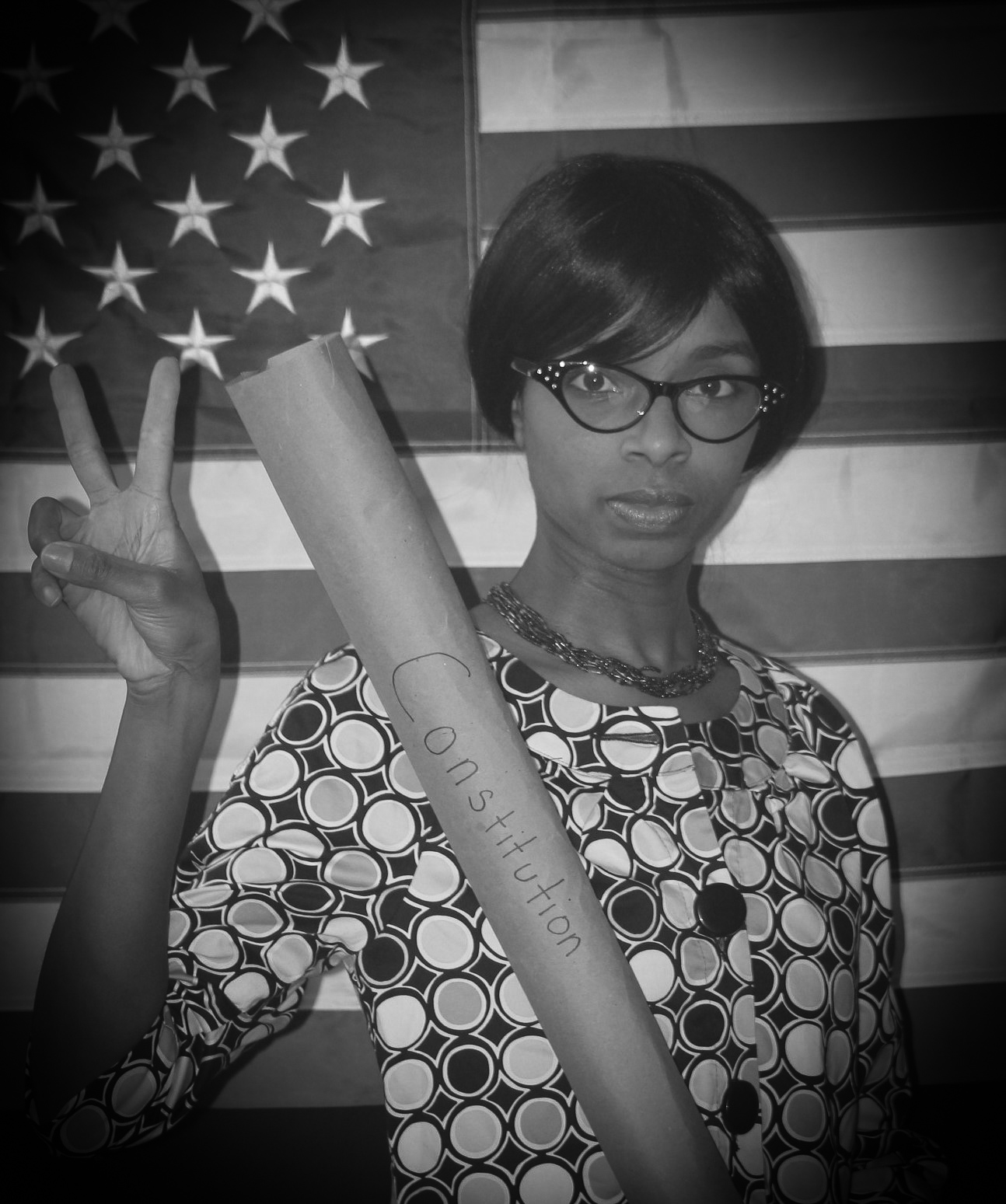

My Vida Shop has a lot to chose from with each piece covering some of the main reasons I create art.
My work covers five areas. History. Faith. Cultural Diversity. Impact. Justice and Fairness.
Fashion + History
It creates a story and you can be in the middle of it. How does this work speak to you?
Support African American Artists.
Shop UPP Creative

Maybe it is a clock that reminds you to serve or a shower curtain that is cool. Whatever it is, find it here at my Society 6 shop. Support African American Artists.
Shop Here

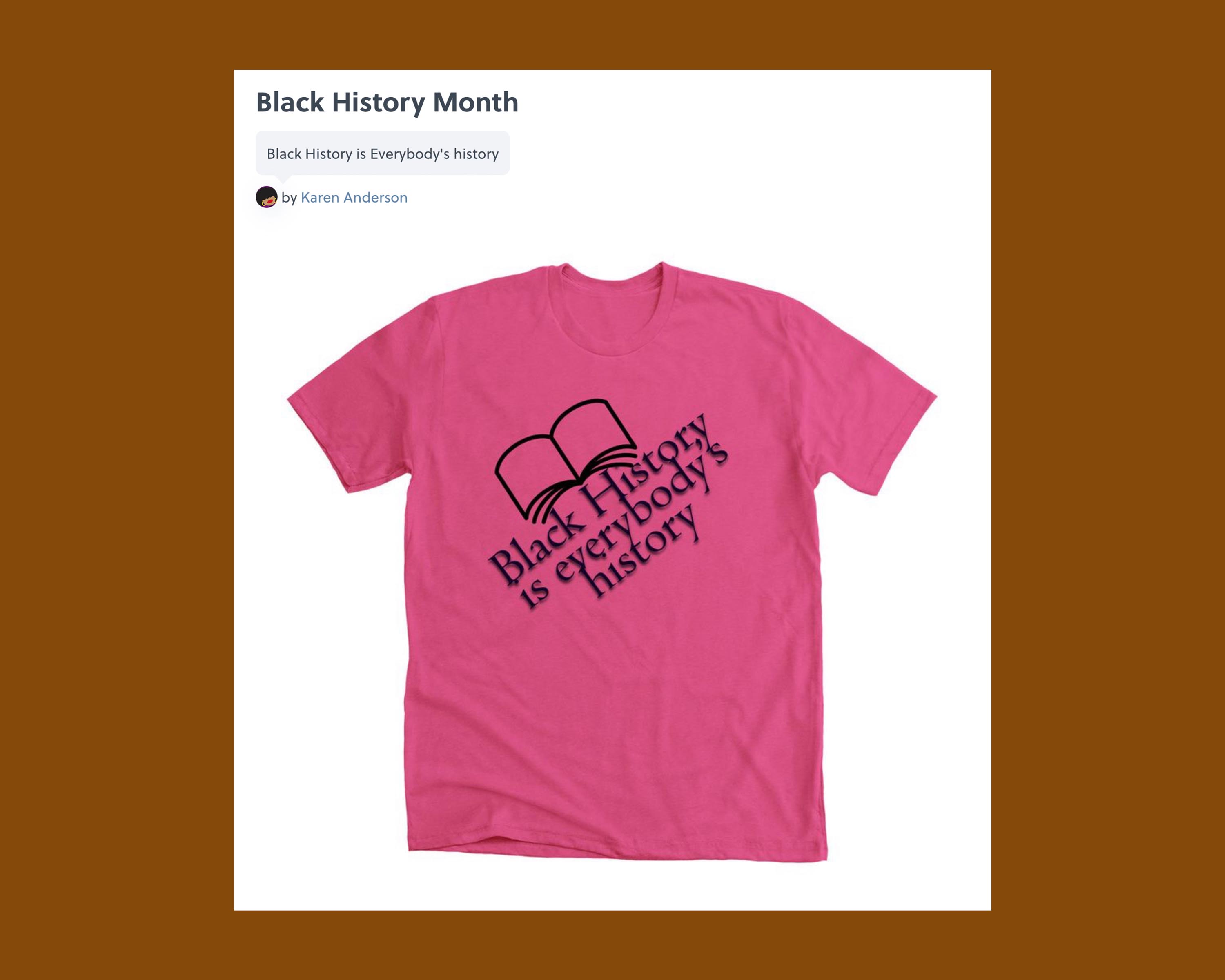
People of African descent have made significant contributions to society. This month is an opportunity to look at those achievements and celebrate our people.
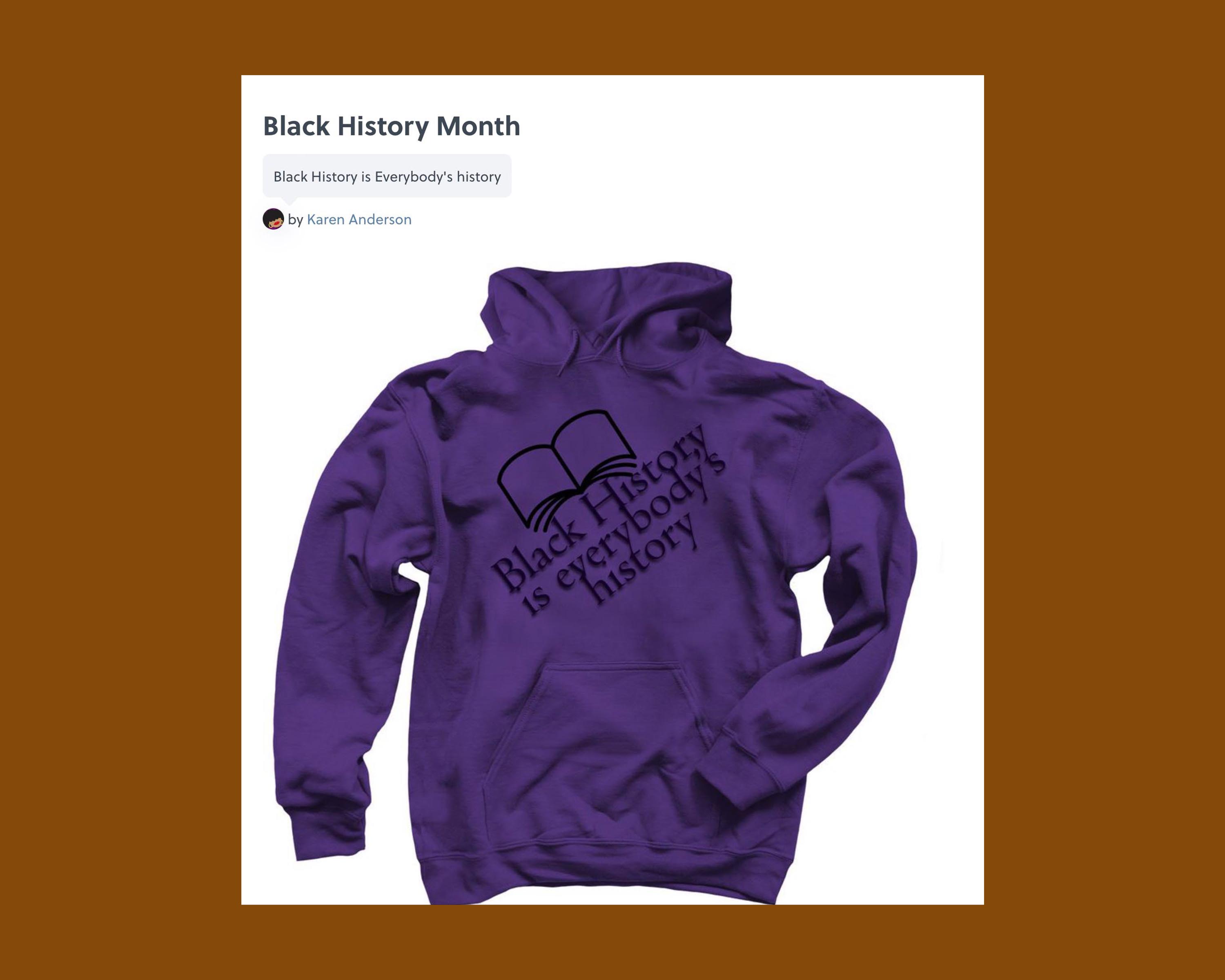
This month’s shirt or sweat Everybody’s History
 UPP Creative Media