In March I will be presenting at the Glenwood-Lynwood Public Library in Lynwood, Il on March 26 at 6pm.

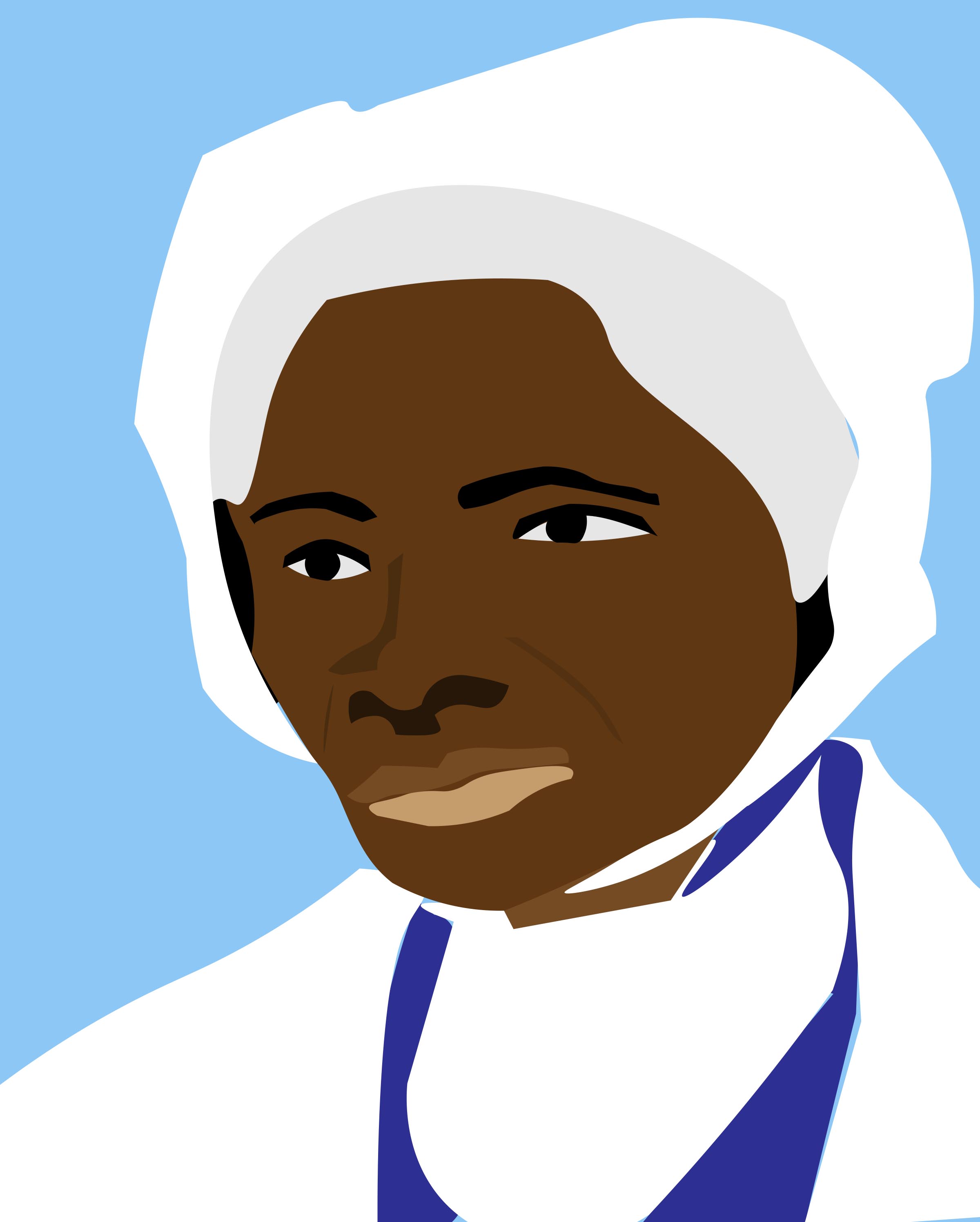
She was born between 1797 and 1883 and given the name Isabella in a Dutch speaking county in New York.
She meets us at the intersection of former slave, abolitionist, women’s rights activists, mother, daughter, wife.
Isabella Baumfree spent the first nine years of her life close to her family. Her father, James Baumfree was captured from Ghana. Her mother Elizabeth was captured from Guinea. She was sold for the first time at the age of nine. She spent the next decade of her life being sold to not very nice people.
She had a husband and five children. Her last master was supposed to free her, but reneged. In late 1826, she escaped with her daughter Sophia.
I did not run off, for I thought that wicked, but I walked off, believing that to be all right.”
She walked to freedom.
This happened because in 1799, the State of New York created laws to abolition slavery which was complete in 1827. Baumfree’s slaver owner refused to let her go, so she left with her youngest child. According to the law the other children would be free when they were in their twenties.
Her former slave owner sold her young son, who was 5 years old, to a slave owner in Alabama. With the help of some others, Baumfree fought for her son in court. She was the first African American to sue her slave owner in court and win.
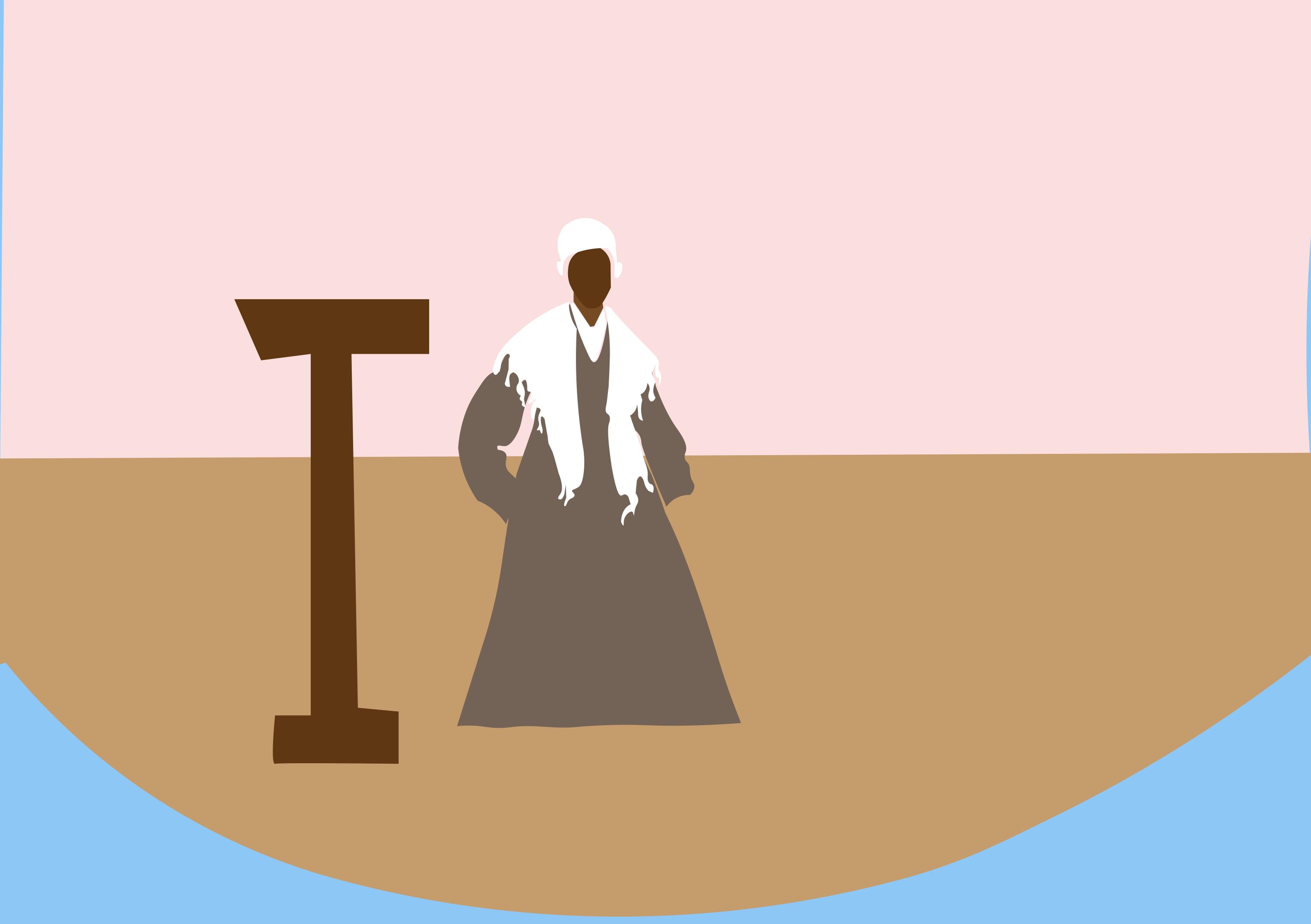
On June 1, 1843, she changed her name to Sojourner Truth because she felt the Lord calling her to preach the truth. In 1944, Truth joined the Northampton Association of Education and Industry through which she met Frederick Douglass and others who encouraged her to speak publicly.
In 1850 she dictated her memoir, The Narrative of Sojourner Truth, A Northern Slave. In 1951, while on a speaking tour, she delivered her famous speech Aint I A Woman which demanded equal rights for women.

She was born between 1797 and 1883 and given the name Isabella in a Dutch speaking county in New York.
She meets us at the intersection of former slave, abolitionist, women’s rights activists, mother, daughter, wife.
Isabella Baumfree spent the first nine years of her life close to her family. Her father, James Baumfree was captured from Ghana. Her mother Elizabeth was captured from Guinea. She was sold for the first time at the age of nine. She spent the next decade of her life being sold to not very nice people.
She had a husband and five children. Her last master was supposed to free her, but reneged. In late 1826, she escaped with her daughter Sophia.
I did not run off, for I thought that wicked, but I walked off, believing that to be all right.”
She walked to freedom.
This happened because in 1799, the State of New York created laws to abolition slavery which was complete in 1827. Baumfree’s slaver owner refused to let her go, so she left with her youngest child. According to the law the other children would be free when they were in their twenties.
Her former slave owner sold her young son, who was 5 years old, to a slave owner in Alabama. With the help of some others, Baumfree fought for her son in court. She was the first African American to sue her slave owner in court and win.
On June 1, 1843, she changed her name to Sojourner Truth because she felt the Lord calling her to preach the truth.

She was born between 1797 and 1883 and given the name Isabella in a Dutch speaking county in New York.
She meets us at the intersection of former slave, abolitionist, women’s rights activists, mother, daughter, wife.
Isabella Baumfree spent the first nine years of her life close to her family. Her father, James Baumfree was captured from Ghana. Her mother Elizabeth was captured from Guinea. She was sold for the first time at the age of nine. She spent the next decade of her life being sold to not very nice people.
She had a husband and five children. Her last master was supposed to free her, but reneged. In late 1826, she escaped with her daughter Sophia.
I did not run off, for I thought that wicked, but I walked off, believing that to be all right.”
She walked to freedom.

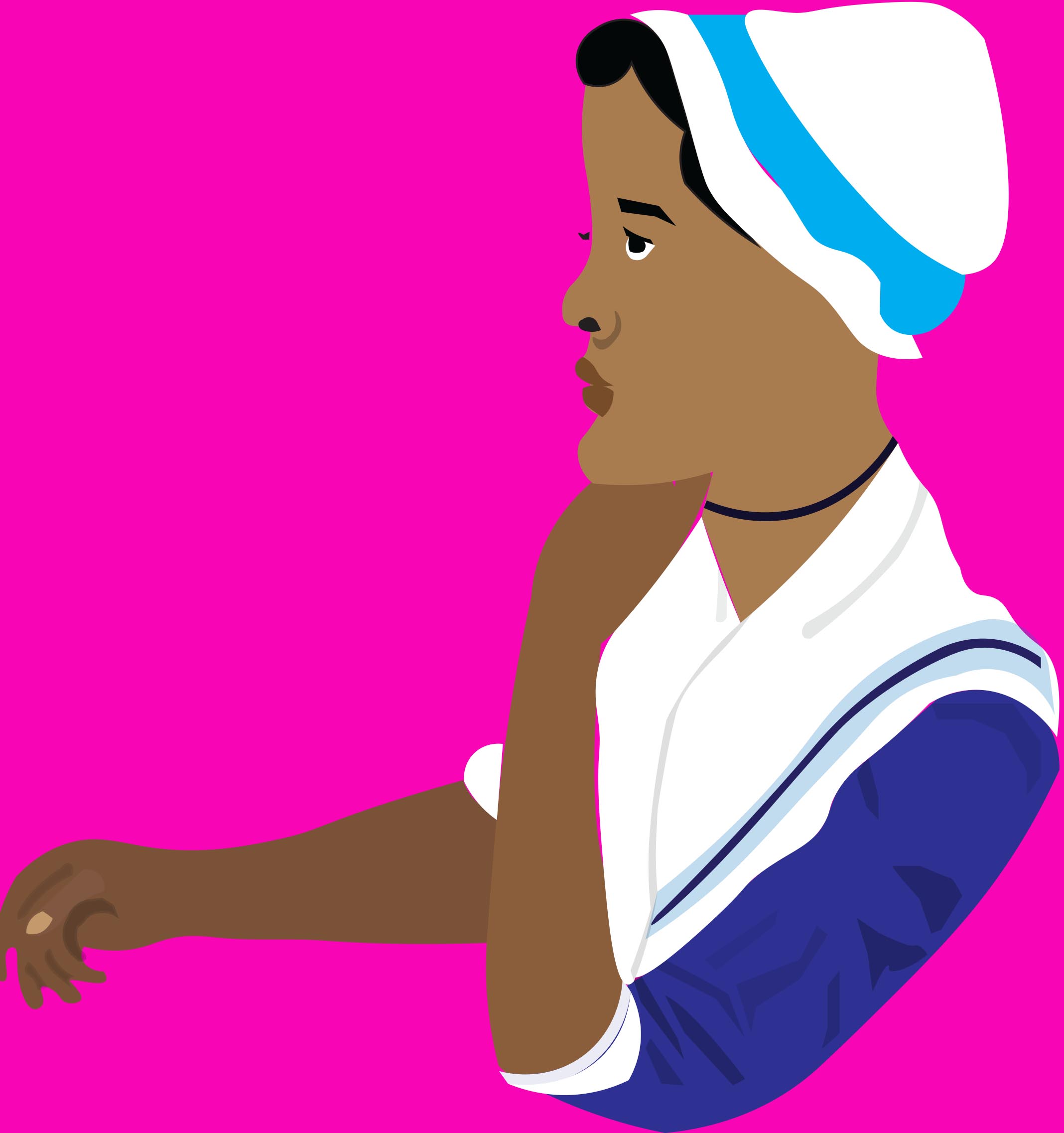
Phillis Wheatley Peters was born in 1753 in Senegal/Gambia of West Africa where she was taken from as a child to live a life of slavery. She was captured at the age of seven years old. She was purchased by a wealthy Boston family.
She was known as one of the first African Americans to have a book of poetry published. She was named Phillis by her owner because she was brought to America aboard a ship named Phillis.
Her slave owners taught her to read and write as a child. She wrote her first poem at the age of 13. It was published in Boston, Newport and Rhode Island. At age 18, she had an entire collection of poems her slave owners attempted to have published. They had no luck in the colonies, so they went to Europe.
Yet at the publication of her book, her work was called into question because they did not believe that a person of African descent could be smart enough to write so well. Wheatly found herself before several of the most powerful men in the country being questioned about her writing. These men included Massachusetts Govenor Thomas Hutchinson, John Hancock who would become a significant part of the American Revolution, Samuel Adams and more. The common thought was that Africans were not intelligent enough to do such work.
Phillis would write about important moments in American History like the Boston Massacre. She would correspond with significant figures in history, including George Washington and John Newton.
After the publication of her book, Wheatly was freed from slavery. She would have to find a way to take care of herself because her book was not doing well in the colonies. She would meet a free man of African descent, who was a grocer. She married John Peters. They struggled to take care of themselves, as free former slaves had a difficult time finding work. Peters eventually went to jail for debt. Phillis would die in poverty, but still trying to publish her work. She died in 1784 at the age of 31.

Phillis Wheatley Peters was born in 1753 in Senegal/Gambia of West Africa where she was taken from as a child to live a life of slavery. She was captured at the age of seven years old. She was purchased by a wealthy Boston family.
She was known as one of the first African Americans to have a book of poetry published. She was named Phillis by her owner because she was brought to America aboard a ship named Phillis.
Her slave owners taught her to read and write as a child. She wrote her first poem at the age of 13. It was published in Boston, Newport and Rhode Island. At age 18, she had an entire collection of poems her slave owners attempted to have published. They had no luck in the colonies, so they went to Europe.

Phillis Wheatley Peters
Phillis Wheatley Peters was born in 1753 in Senegal/Gambia of West Africa where she was taken from as a child to live a life of slavery. She was captured at the age of seven years old. She was purchased by a wealthy Boston family.
She was known as one of the first African Americans to have a book of poetry published. She was named Phillis by her owner because she was brought to America aboard a ship named Phillis.

In honor of Black History Month, I will be selling these postcards with images of prominent black history stories. As a people we have an amazing history that needs to be told and celebrated. Let me help get you started.
You can purchase these brief moments in African American History from for $15 plus $5 for shipping.

So I am very behind, as I post on the last day of January. I am trying some new things with my art, so as i explore more about image and storytelling, watch me work. The theme for 2024 is Intersectionality as we explore what it is like being African American and Female. Meeting at the intersection of Race and Gender.
For January we look at the life of Anna Julia Cooper. She lived within the lines of her society, but still had the desire to expand them.
She was born in 1858, into slavery in Raliegh North Carolina. She started life working as a domestic servant, but soon gained a world class eduation. She attended St Augustine’s School in Raliegh, where she would meet her husband, George A. C. Cooper. He would die within two years. As unfortunate as it was, his death allowed her to continue to teach.
TEACH
She attended Oberlin College with classmate Mary Church Terrell. In 1924, she was one of the first women to earn a Ph.D. When she could not find a university in the United sTates that would allow her this type of eduication, she attended Sorbonne, University of Paris. She spent many years of her life teaching.
WRITE
She also wrote her first book, A Voice from the South, which gave a realistis educated view of what life was like for African Americans during her lifetime.
SPEAK
In 1900 Cooper participated in the First Pan African Conference in London.
FORM
With Helen Appo Cook, Ida B Wells, Charlotte Forten Grimke, Mary Jane Peterson, Mary Church Terrell and Evelyn Shaw formed the Colored Women’s League in Washington, DC.
Anna Julia Cooper was a woman who didn’t not let life roll on by. She participated in things most women like her did not have access to. She helped change the way people though about situations. She leaves us all better for it.
https://en.wikipedia.org/wiki/Anna_J._Cooper