The Crown

The Crown
Africans from the regions of Gambia and Senegal were captured by slavers in 17th Century and sold into French America. They were smart individuals who understood agriculture and could adapt their skill sets in slavery. Even though they purchased their freedom from slavery, found themselves as part of a permanent slave class which even restricted how they looked.
They had to keep their hair covered according to the law.

She was probably one of the most popular images of African American women in the late 19th Century which eluded to something other than beauty. She was popular and became an icon that would last for centuries. She would become a symbol of beauty in a different way.
Nancy Green was born a slave in 1834 in Kentucky. After slavery she got a job in Chicago taking care of children and cooking for privilege families. Later she got a job with the Davis Mill Company being the spokesperson for Aunt Jemima Pancakes. They put her face on the package.
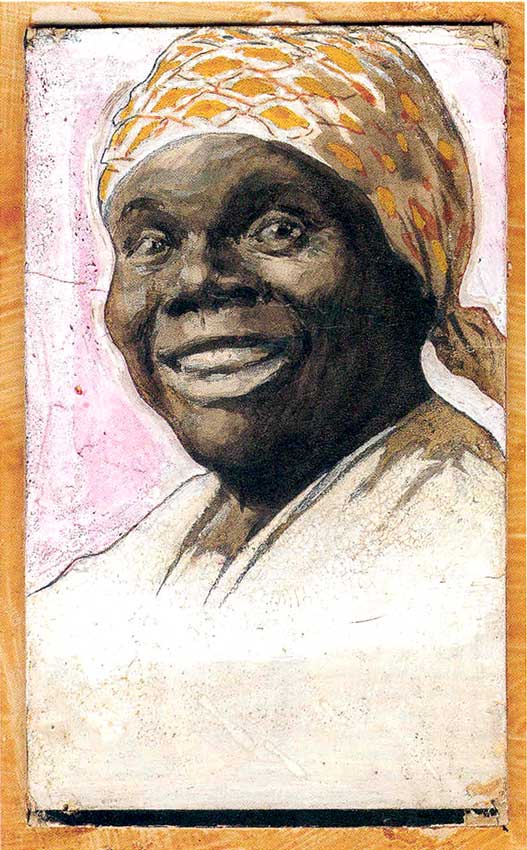
In the month of April we will examine African American beauty
After the Civil War when African American women began to think more of themselves than slaves, the art of becoming more was much more difficult. Because many of the women were poor and didn’t have ready access to water, they had a struggles when it came to regular hygiene.
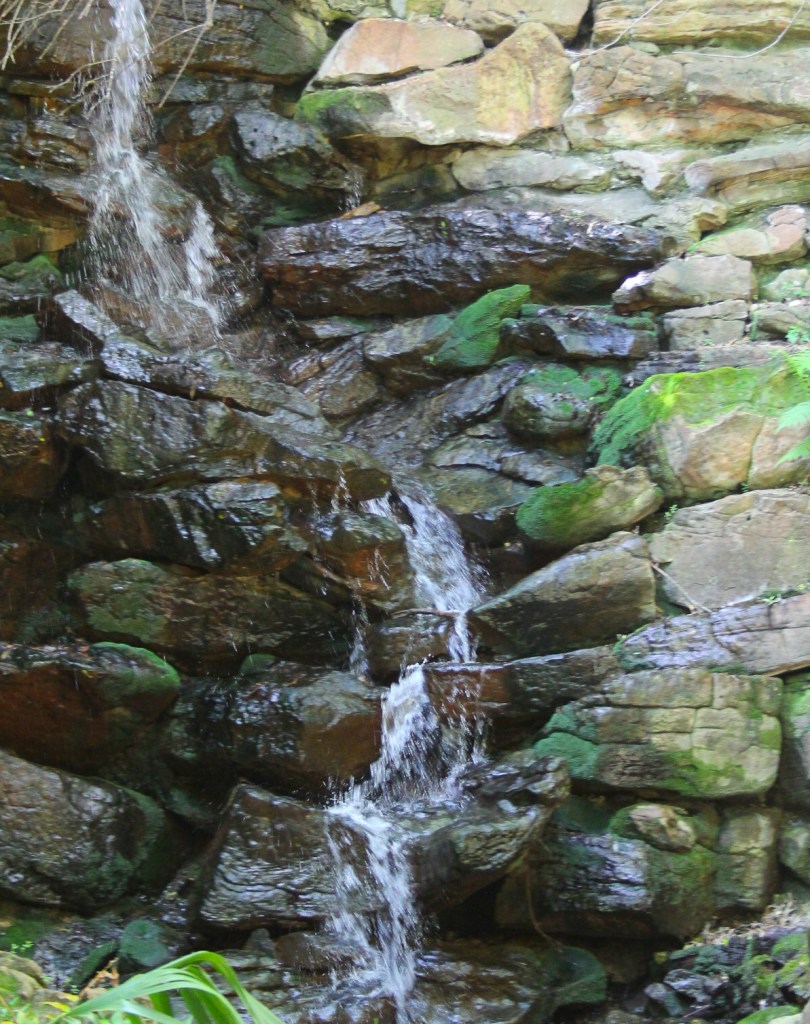
Water was something individuals had to carry from a creek or well, which meant bathing and hair washing was relegated to many once a week. This resulted in hair diseases and loss of hair.
Madam CJ Walker , who was born shortly after slavery ended, had problems with her hair. She suffered from scalp diseases that made her hair fall out. This problem set her on the path to change the lives of African American women and how they saw themselves. She wanted them to feel beautiful, have self respect and uplift the race.
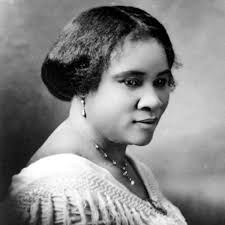
In the month of April we will examine African American beauty.
is about as easy for us as it is for them.
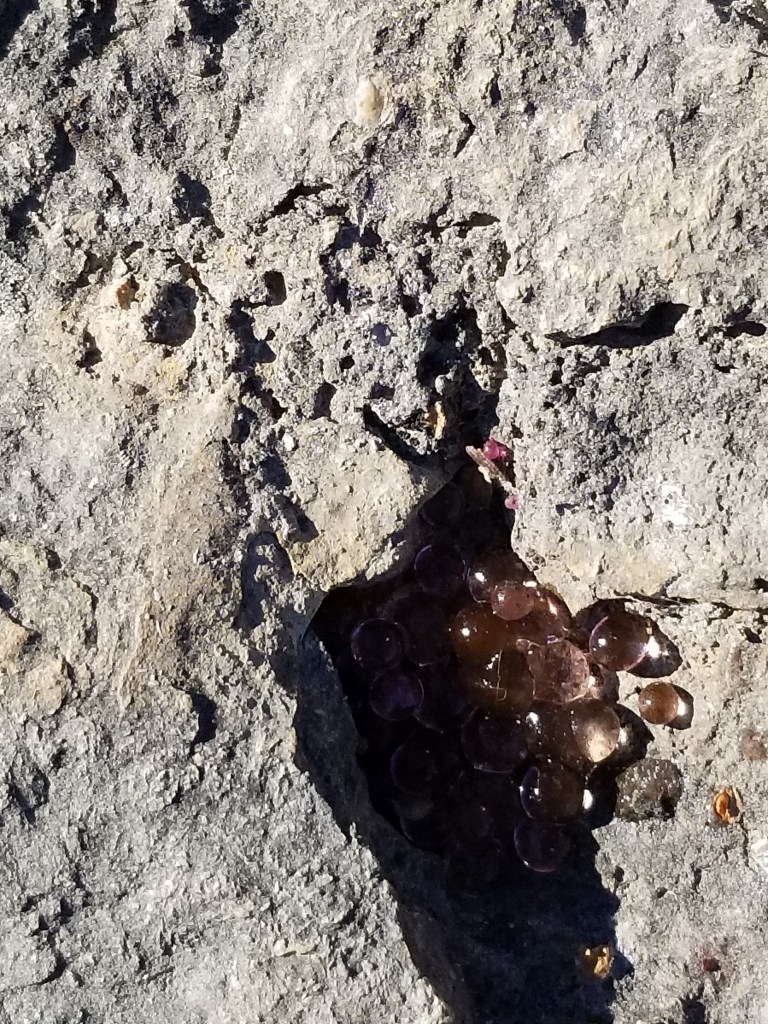
Three months into 2020 and there has probably been a lot of big picture thinking. For March lets look at the details.

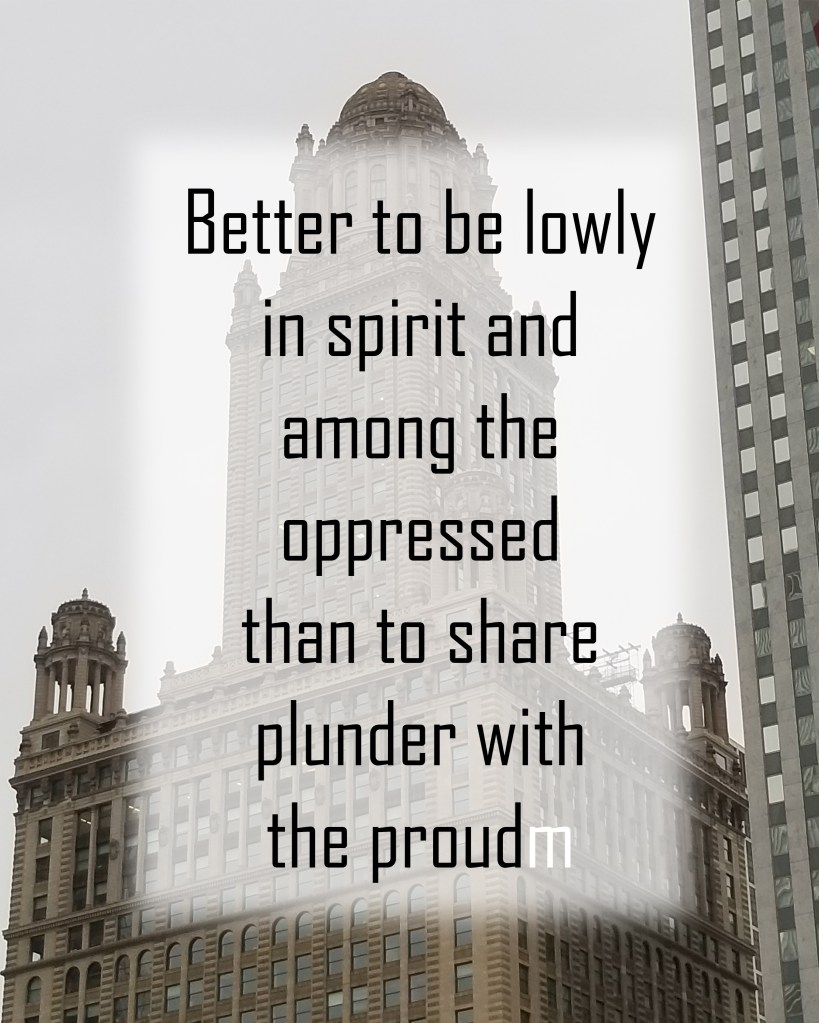
From Proverbs 16:16

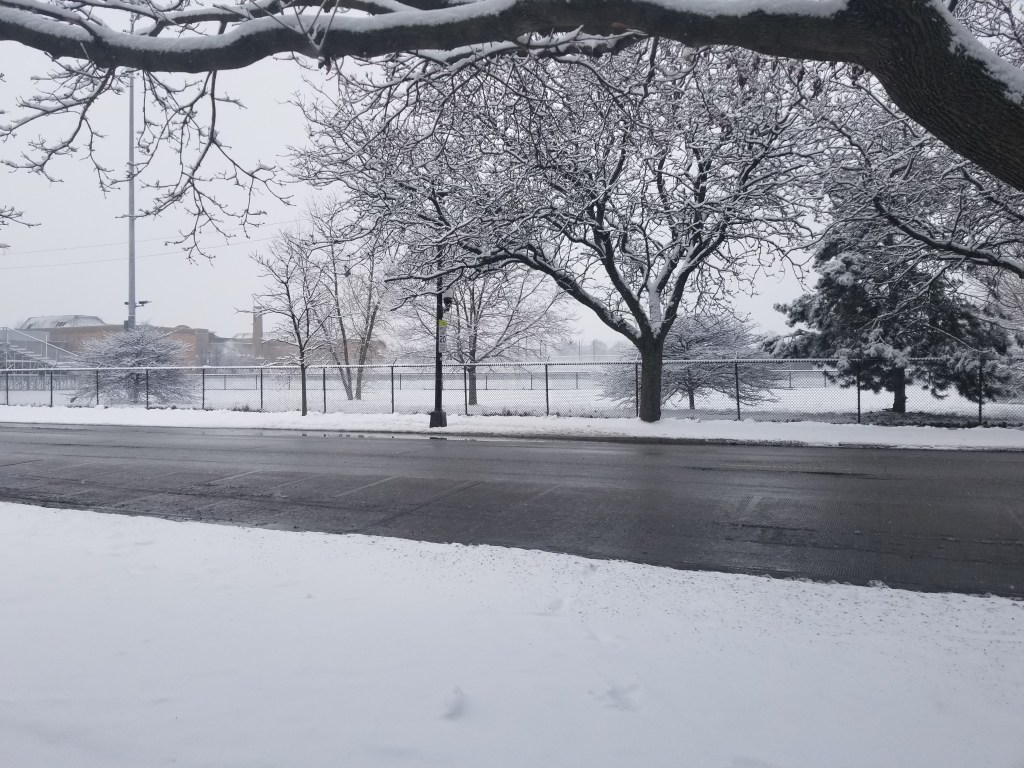
There is this amazing beauty that God surrounds us with. Blues skies. Possibility of spring. It should be the thing that gives us hope because He still makes beautiful things.
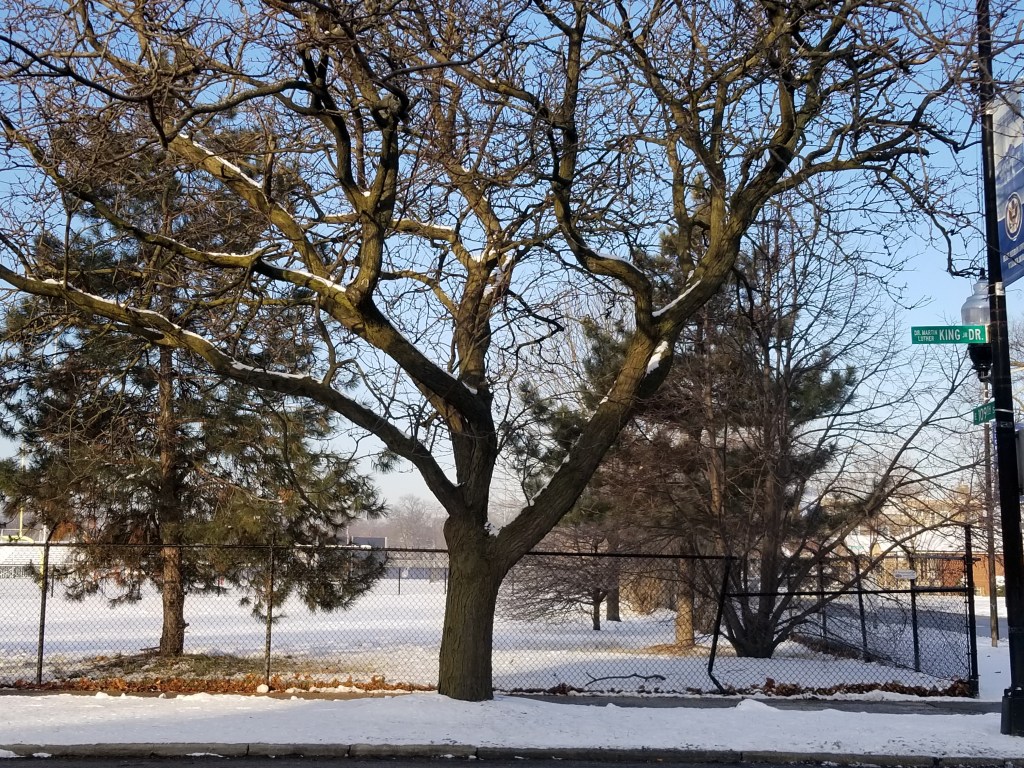
It is so beautiful to me and yet miserable at the same time. I am sure this is what makes me love it.
Proverbs 16:19 describes what this looks like. Our society would look very different if we built relationship instead of buildings.
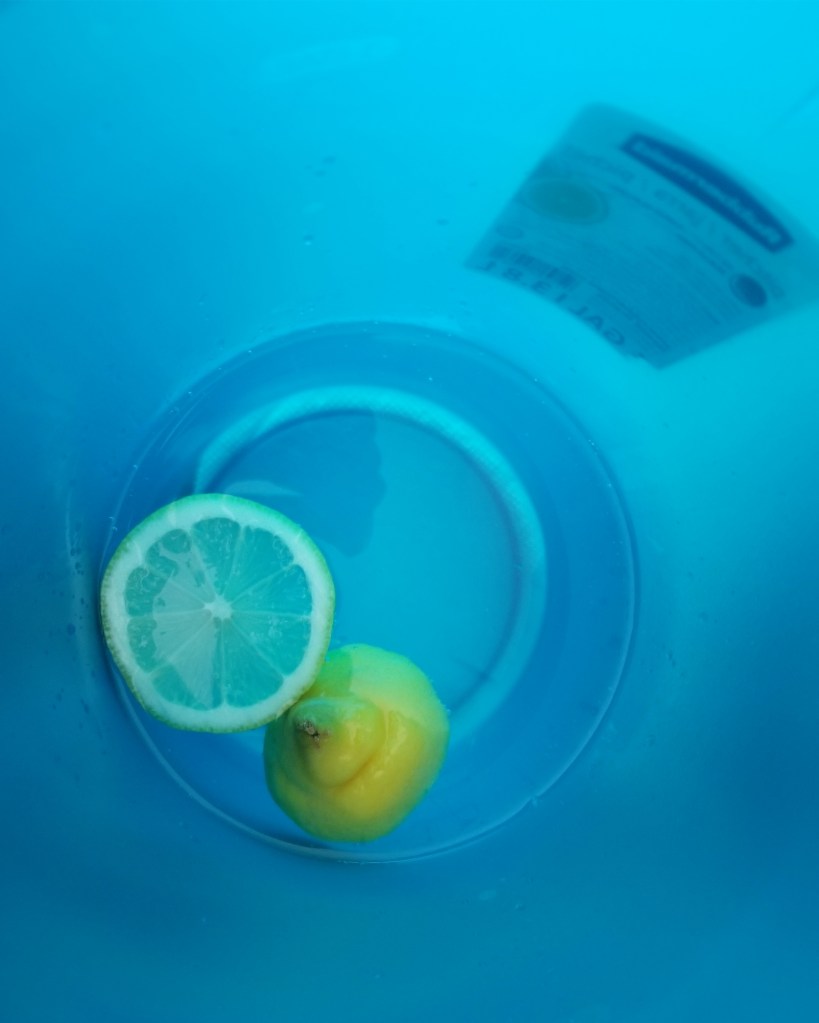
Water is one of the hardest things for me to keep up with. I can’t live without it, so I am finding ways to make it work for me. What are the truths you can’t live without?
 UPP Creative Media