This month has been somewhat busy. But I am definitely mapping out moments of rest and relaxation. It is something I have to plan and execute. I have to remember that relaxation is as important as all of the other things I value.
This month has been somewhat busy. But I am definitely mapping out moments of rest and relaxation. It is something I have to plan and execute. I have to remember that relaxation is as important as all of the other things I value.
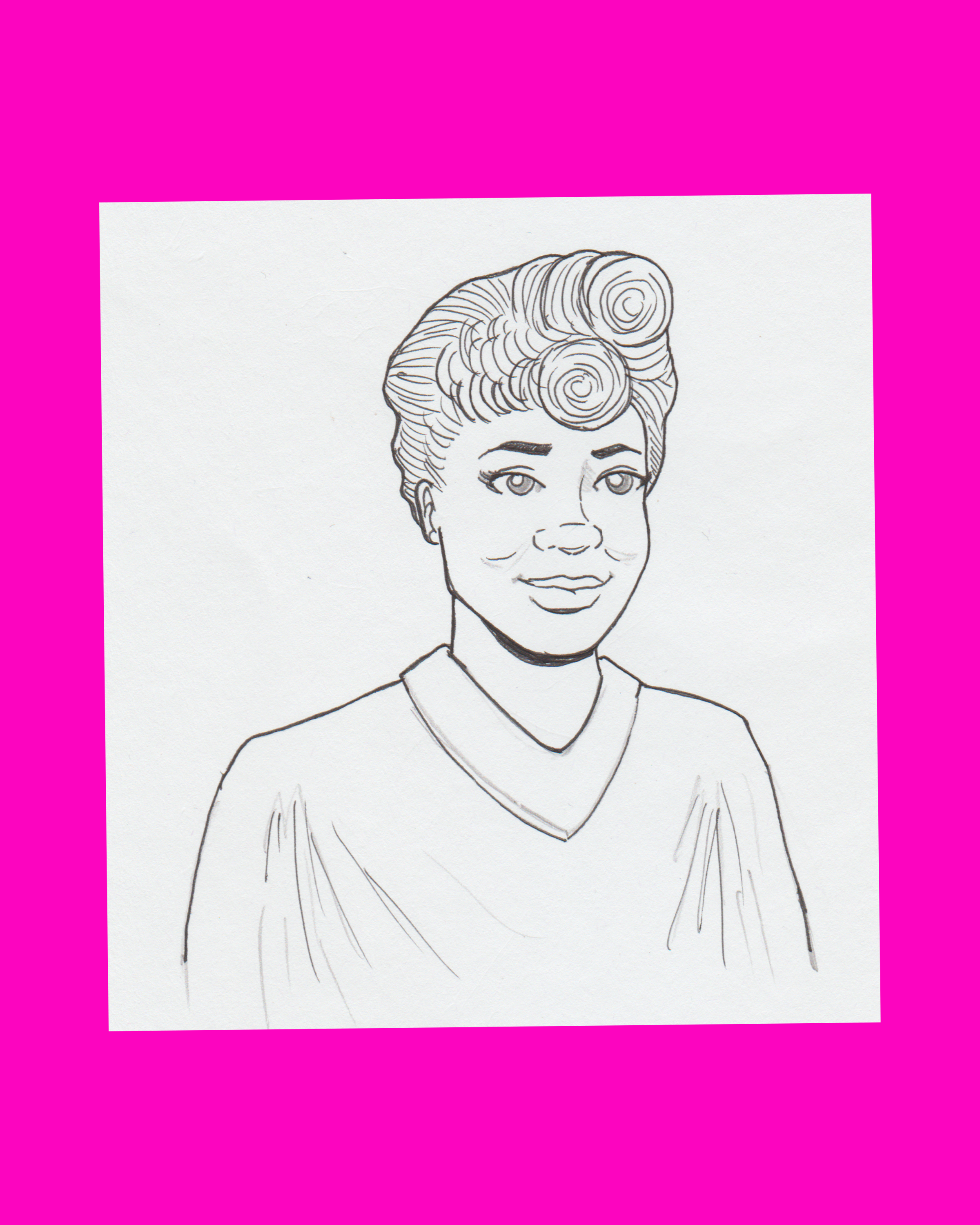
Sissieretta Jones
Matilda Sissieretta Joyner Jones (January 5, 1868 or 1869 was an American soprano. She sometimes was called “The Black Patti” in reference to Italian opera singer Adelina Patti. Jones’ repertoire included grand opera, light opera, and popular music. Trained at the Providence Academy of Music and the New England Conservatory of Music, Jones made her New York debut in 1888 at Steinway Hall, and four years later she performed at the White House for President Benjamin Harrison. She sang for four consecutive presidents and the British royal family, and was met with international success. Besides the United States and the West Indies, Jones toured in South America, Australia, India, southern Africa, and Europe.
The highest-paid African-American performer of her time, later in her career she founded the Black Patti Troubadours (later renamed the Black Patti Musical Comedy Company), a musical and acrobatic act made up of 40 jugglers, comedians, dancers and a chorus of 40 trained singers.[2] She remained the star of the Famous Troubadours for around two decades while they established their popularity in the principal cities of the United States and Canada, Jones retired from performing in 1915. In 2013, she was inducted into the Rhode Island Music Hall of Fame.
Matilda Sissieretta Joyner was born on January 5, 1869, in a house on Bart. She was the oldest of three children, although her siblings died when they were young. Matilda Joyner was nicknamed as Sissy or Tilly by her family and friends, and began singing around the house at a young age. When she was six years old, her family moved to Providence, Rhode Island, where she began singing at an early age in her father’s Pond Street Baptist Church. She attended Meeting Street and Thayer Schools. In 1883, Joyner began the formal study of music at the Providence Academy of Music. She studied with Ada Baroness Lacombe. In the late 1880s, Jones was accepted at the New England Conservatory of Music in Boston, studying under Flora Batson of the Bergen Star Company. She also studied at the Boston Conservatory. Street in Portsmouth, Virginia.
https://en.wikipedia.org/wiki/Sissieretta_Jones
Normally, when I think of relaxation, I think of getting away and having quiet time. Being away from my regular activities. Sometimes getting away is not feasible. So it is a bad thing to think that you only relax when you can get away. We need to create ways to relax within our regular routines. That is my goal this month because I have much on the schedule, but I don’t want to miss this amazing summer.
Matilda Sissieretta Joyner Jones (January 5, 1868 or 1869 was an American soprano. She sometimes was called “The Black Patti” in reference to Italian opera singer Adelina Patti. Jones’ repertoire included grand opera, light opera, and popular music. Trained at the Providence Academy of Music and the New England Conservatory of Music, Jones made her New York debut in 1888 at Steinway Hall, and four years later she performed at the White House for President Benjamin Harrison. She sang for four consecutive presidents and the British royal family, and was met with international success. Besides the United States and the West Indies, Jones toured in South America, Australia, India, southern Africa, and Europe.
The highest-paid African-American performer of her time, later in her career she founded the Black Patti Troubadours (later renamed the Black Patti Musical Comedy Company), a musical and acrobatic act made up of 40 jugglers, comedians, dancers and a chorus of 40 trained singers.[2] She remained the star of the Famous Troubadours for around two decades while they established their popularity in the principal cities of the United States and Canada, Jones retired from performing in 1915. In 2013, she was inducted into the Rhode Island Music Hall of Fame.
https://en.wikipedia.org/wiki/Sissieretta_Jones

This month the word is relaxation. It is an emotional state where there is low tension. It is the state of being free from tension or anxiety. I am gonna try and relax this month. I want to enjoy the gift of summer and I cannot if I am constantly on the go. Slowing down.
Juneteenth is a federal holiday in the United States commemorating the emancipation of enslaved African Americans. Deriving its name from combining “June” and “nineteenth”, it is celebrated on the anniversary of the order, issued by Major General Gordon Granger on June 19, 1865, proclaiming freedom for slaves in Texas. Originating in Galveston, Juneteenth has since been observed annually in various parts of the United States, often broadly celebrating African-American culture. The day was first recognized as a federal holiday in 2021, when President Joe Biden signed the Juneteenth National Independence Day Act into law after the efforts of Lula Briggs Galloway, Opal Lee, and others.
https://en.wikipedia.org/wiki/Juneteenth
Opal Lee born October 7, 1926 is an American retired teacher, counselor, and activist in the movement to make Juneteenth a federally-recognized holiday. She is often described as the “grandmother of Juneteenth”.
On June 17, 2021, President Joe Biden signed Senate Bill S. 475, making Juneteenth the eleventh federal holiday.
https://en.wikipedia.org/wiki/Opal_Lee

Being focused on anticipation changed how i saw the world. I was looking for good things, and mostly missed the bad. Not saying bad didnt happen, but it wasnt my focal point.
My lesson here: focus on the good.

Juneteenth is a federal holiday in the United States commemorating the emancipation of enslaved African Americans. Deriving its name from combining “June” and “nineteenth”, it is celebrated on the anniversary of the order, issued by Major General Gordon Granger on June 19, 1865, proclaiming freedom for slaves in Texas. Originating in Galveston, Juneteenth has since been observed annually in various parts of the United States, often broadly celebrating African-American culture. The day was first recognized as a federal holiday in 2021, when President Joe Biden signed the Juneteenth National Independence Day Act into law after the efforts of Lula Briggs Galloway, Opal Lee, and others.
https://en.wikipedia.org/wiki/Juneteenth
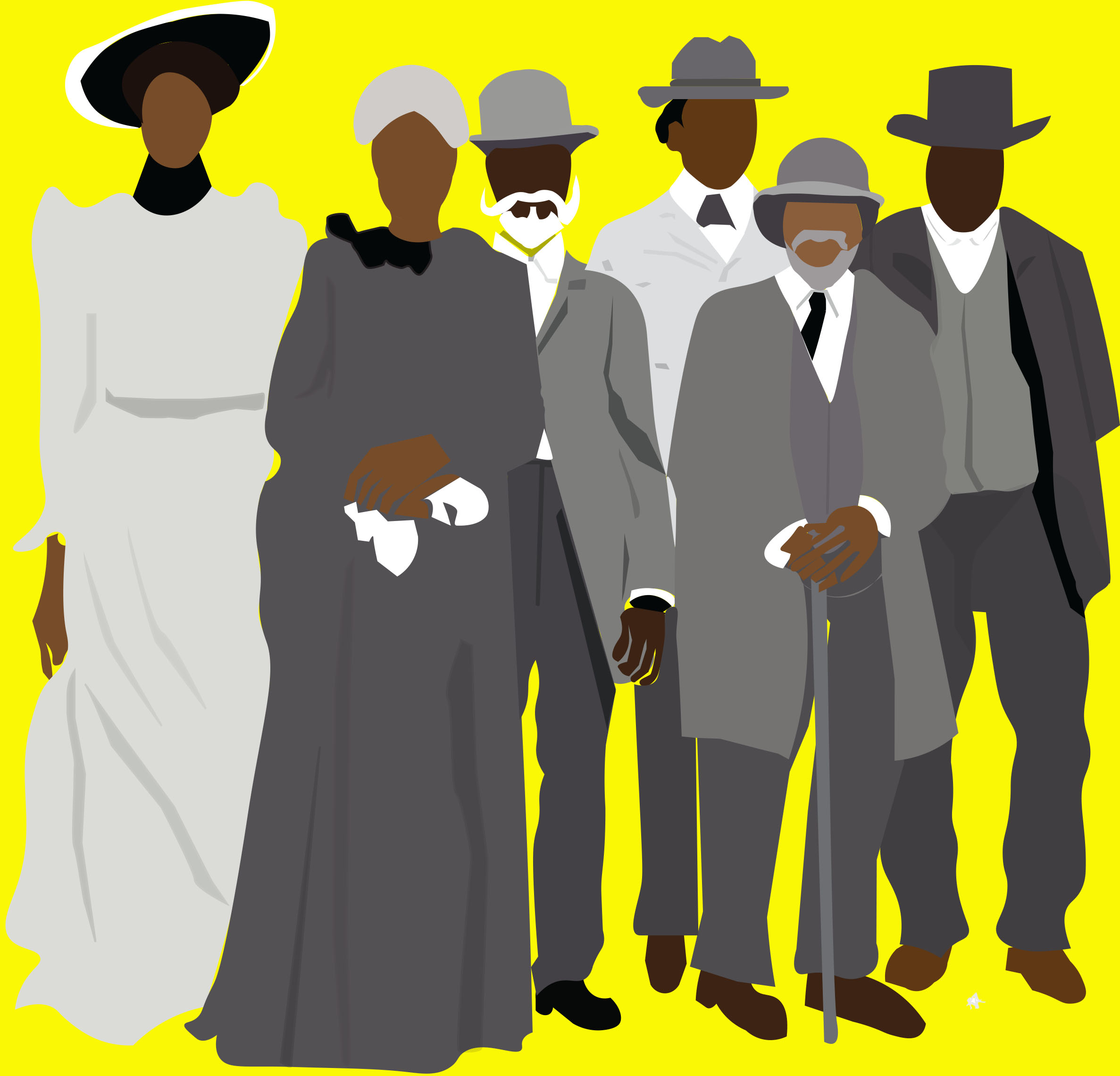
There is something that happens to your brain when you are looking for good things to happen. You don’t really allow any negative things to get in your way. You are so busy looking for the good things. It is all about your perspective.
Juneteenth.
It is about emancipation, but it is a celebration that takes place in the form of cookouts, barbecues and so much more. As a child I remember going to the park to celebrate with other members of our community. As an adult, I remember programs that helped tell the story of why we celebrated.
Juneteenth is a federal holiday in the United States commemorating the emancipation of enslaved African Americans. Deriving its name from combining “June” and “nineteenth”, it is celebrated on the anniversary of the order, issued by Major General Gordon Granger on June 19, 1865, proclaiming freedom for slaves in Texas. Originating in Galveston, Juneteenth has since been observed annually in various parts of the United States, often broadly celebrating African-American culture. The day was first recognized as a federal holiday in 2021, when President Joe Biden signed the Juneteenth National Independence Day Act into law after the efforts of Lula Briggs Galloway, Opal Lee, and others.
https://en.wikipedia.org/wiki/Juneteenth

 UPP Creative Media