Remember when you were grown and gone and thought you knew everything? Then you realized there was some stuff you didn’t know, but was too proud to ask anyone who really knew. You survived but realized that there was a lot of things you didn’t know.
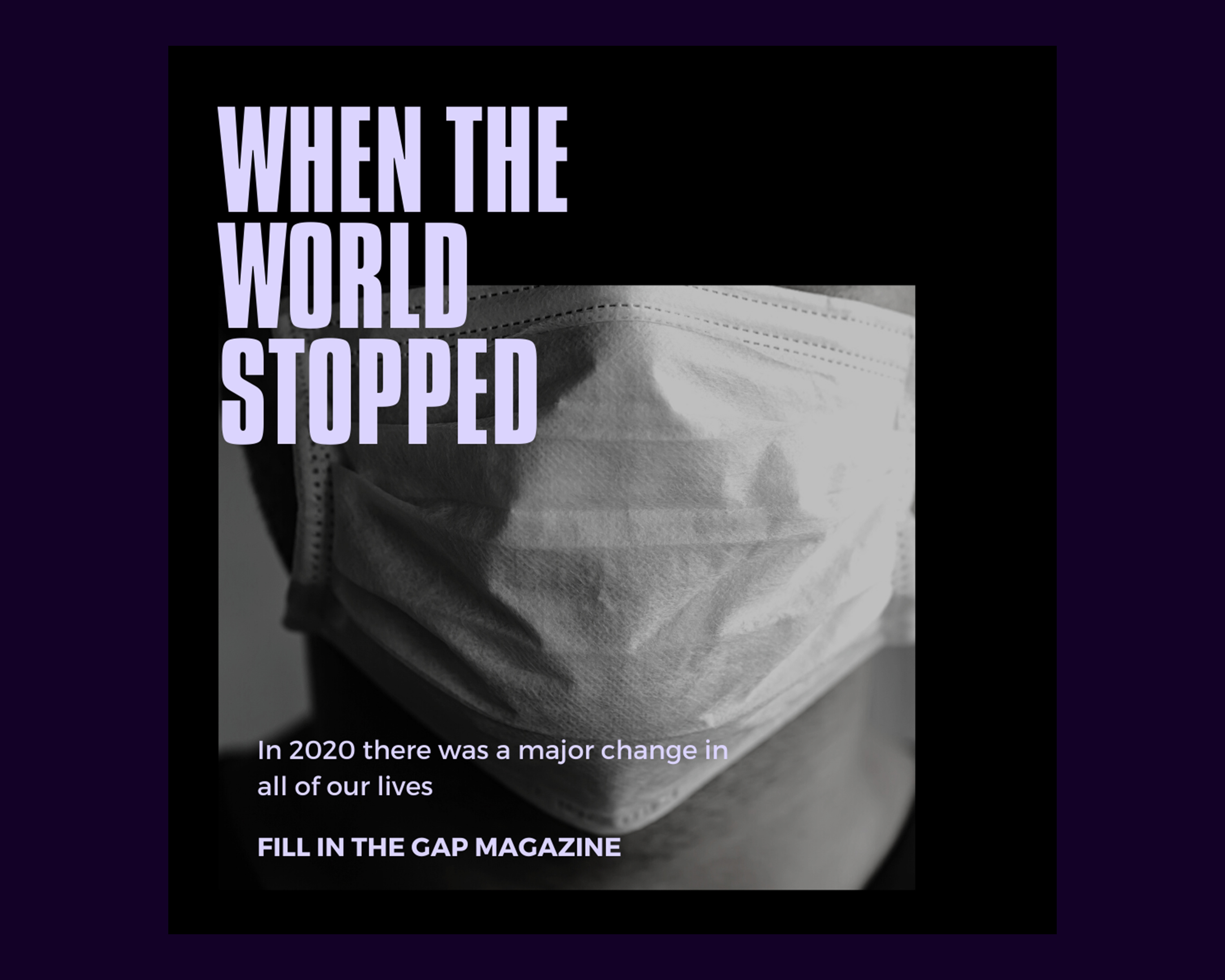
It was the story of how 2020 really went down. Was COVID-19 real? What did the pandemic really cost us? Read our take on the thing. 2021 Issue of Fill In The Gap Magazine
I will never forget the first time I heard an instructor tell the class that the first person to successful sale products door to door was some Caucasian man in the 1950s. He obviously had never heard of Sarah Breedlove or Annie Malone, women who became millionaires by selling their products door to door. They started as far back as 1890. Breedlove became Madam CJ Walker who sold haircare and grooming products.
We have just experienced a time when the world stood still. In the 2021 Issue of Fill in the Gap Magazine we share some of our stories. What was it really like? Did it really happen? Read our stories.
In the 2021 Issue of Fill In the Gap Magazine, we reflect on 2020 and what happened to us. Was COVID-19 real? Did anyone get sick? Read our take on the pandemic.
Selma Hortense Burke was an American sculptor and a member of the Harlem Renaissance movement. Burke is best known for a bas relief portrait of President Franklin D. Roosevelt that may have inspired the profile found on the obverse of the dime.
Selma Burke was born on December 31, 1900, in Mooresville, North Carolina, the seventh of 10 children of Reverend Neil and Mary Elizabeth Colfield Burke.[6][7] Her father was an AME ChurchMinister who worked on the railroads for additional income. As a child, she attended a one-room segregated schoolhouse, and often played with the riverbed clay found near her home.[3][8] She would later describe the feeling of squeezing the clay through her fingers as a first encounter with sculpture, saying “It was there in 1907 that I discovered me.”[9] Burke’s interest in sculpture was encouraged by her maternal grandmother, a painter, although her mother thought she should pursue a more financially stable career.[10]
Selma Burke died at the age of 94 on August 29, 1995 in New Hope, Pennsylvania, where she had lived since the 1950s.