Meet Jennifer Alexander. She is a poet. Her work will be in the coming issue. Her Latest Work Carrying a Dead Man’s Weight. It will be available 10/22/20.
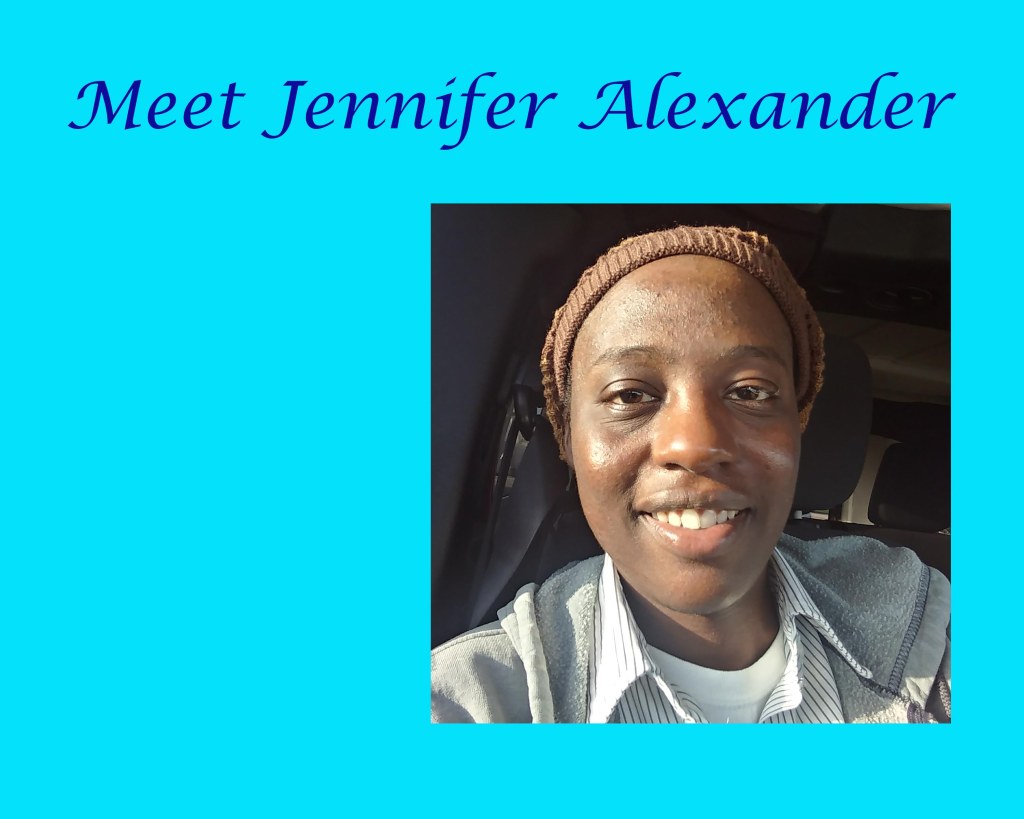
Meet Jennifer Alexander. She is a poet. Her work will be in the coming issue. Her Latest Work Carrying a Dead Man’s Weight. It will be available 10/22/20.
How has your life changed in 2020? Check out our 2020 Issue next month.

The first issue of 2020 Fill in the Gap Magazine is coming soon.
In the meantime, you can read last year’s issues at uppcreative.com/fill-in-the-gaps/
Accepting submissions til Monday, August 31.
Looking for writers, photographers, poets, and artists for the 2020 issues. There will be two issues this year which will speak to how this year has changed your life. If you want to submit a story email uppcreative@yahoo.com

Still looking for work from writers, photographers, poets and artists for the 2020 issues. There will be two issues this year which will speak to how this year has changed your life. If you want to submit a story email me uppcreative@yahoo.com

There will be 2 issues of Fill In the Gap Magazine for 2020. We will look at how the major issues of the year influence our communities. We are looking for stories about the Impeachment, The Pandemic and the Protests. What was it like homeschooling your kids for two months? Where you able to work from home or did you lose your job? Were you a first responder who feared for your life? Email me fillgmagazine@gmail.com

I hope you learned something and it encouraged your spirit to see all of the things African Americans accomplished throughout history.
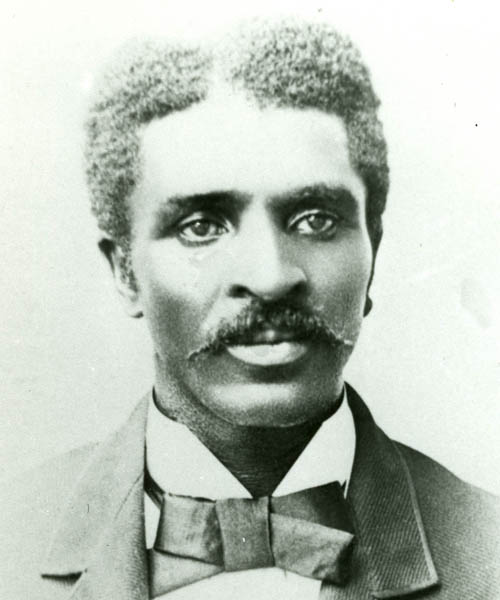

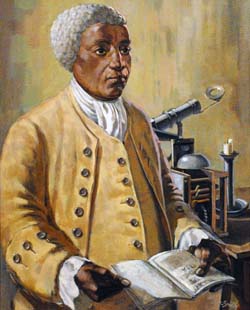
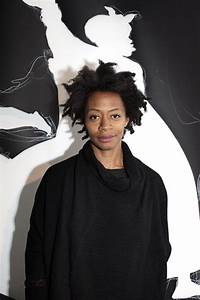

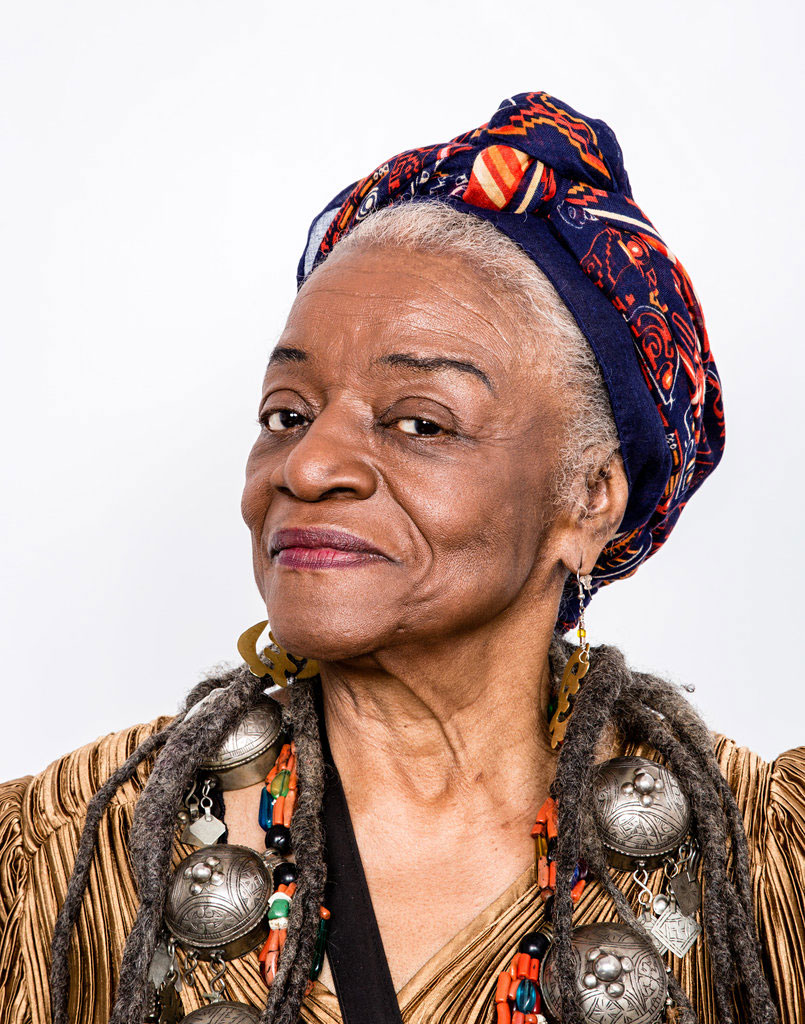

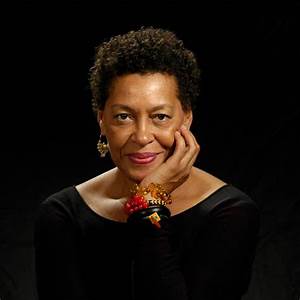


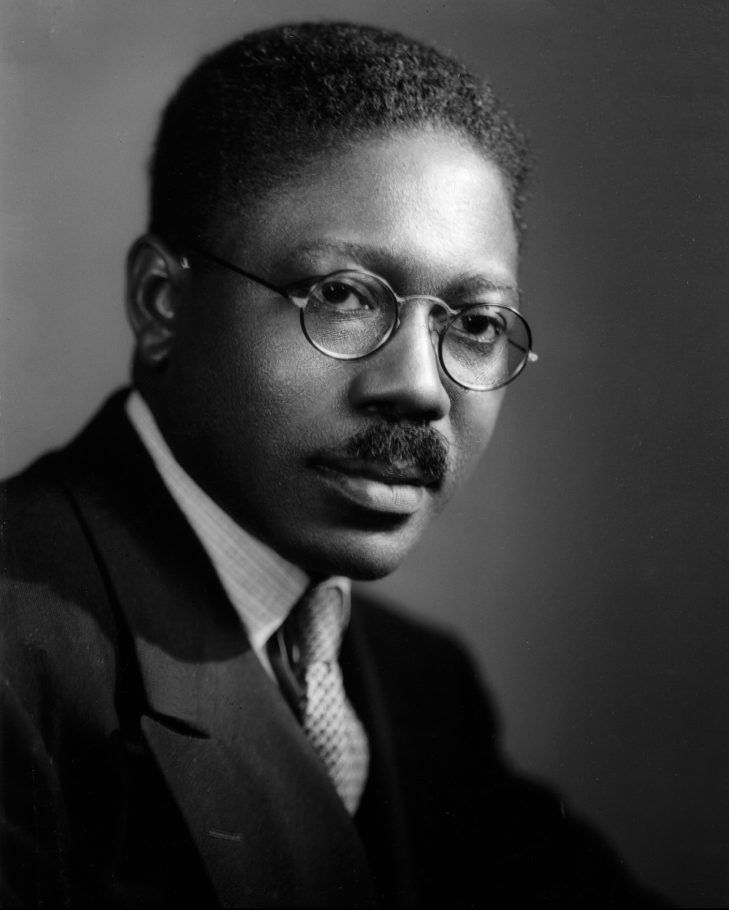
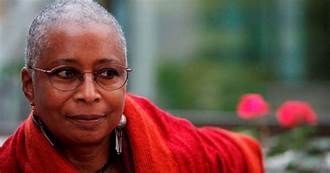


The new magazine Fill In The Gap Magazine is designed to give a voice to marginalized groups with helpful information and entertainment. It will also give insight into different cultures.
Our Winter Issue is available. You will learn some things you didn’t know.
Winter Issue Fill In The Gap Winter Issue 2019
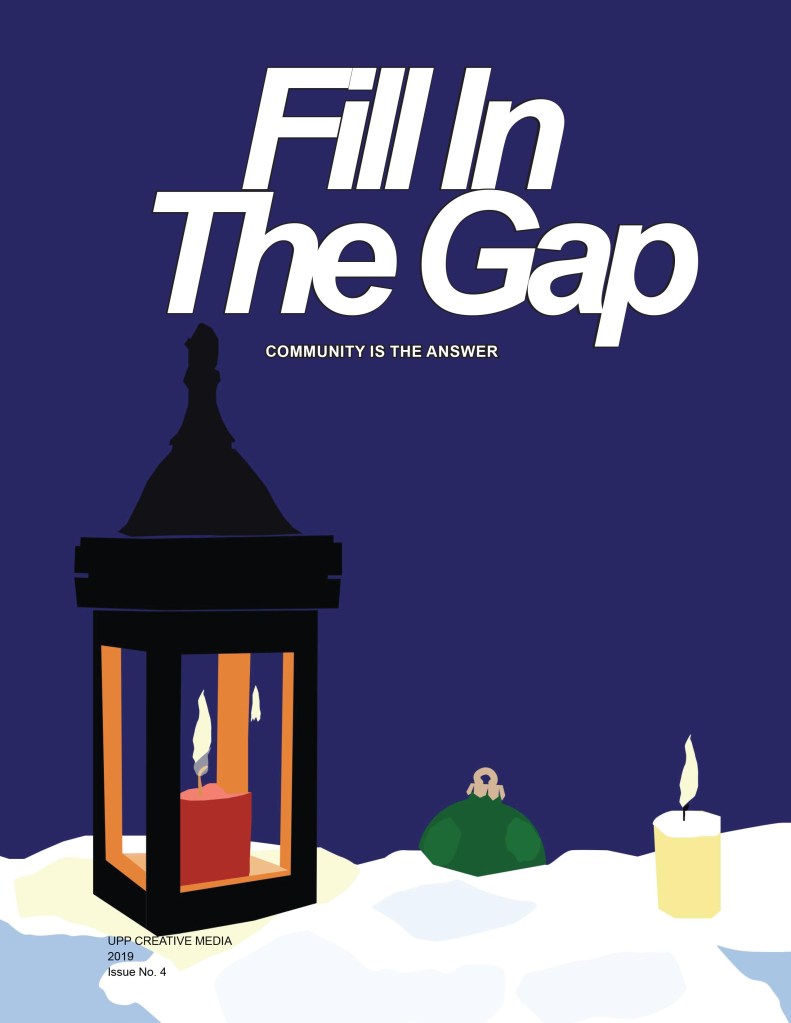
Click here for access to other issues. Fill In The Gap

