Her Stories

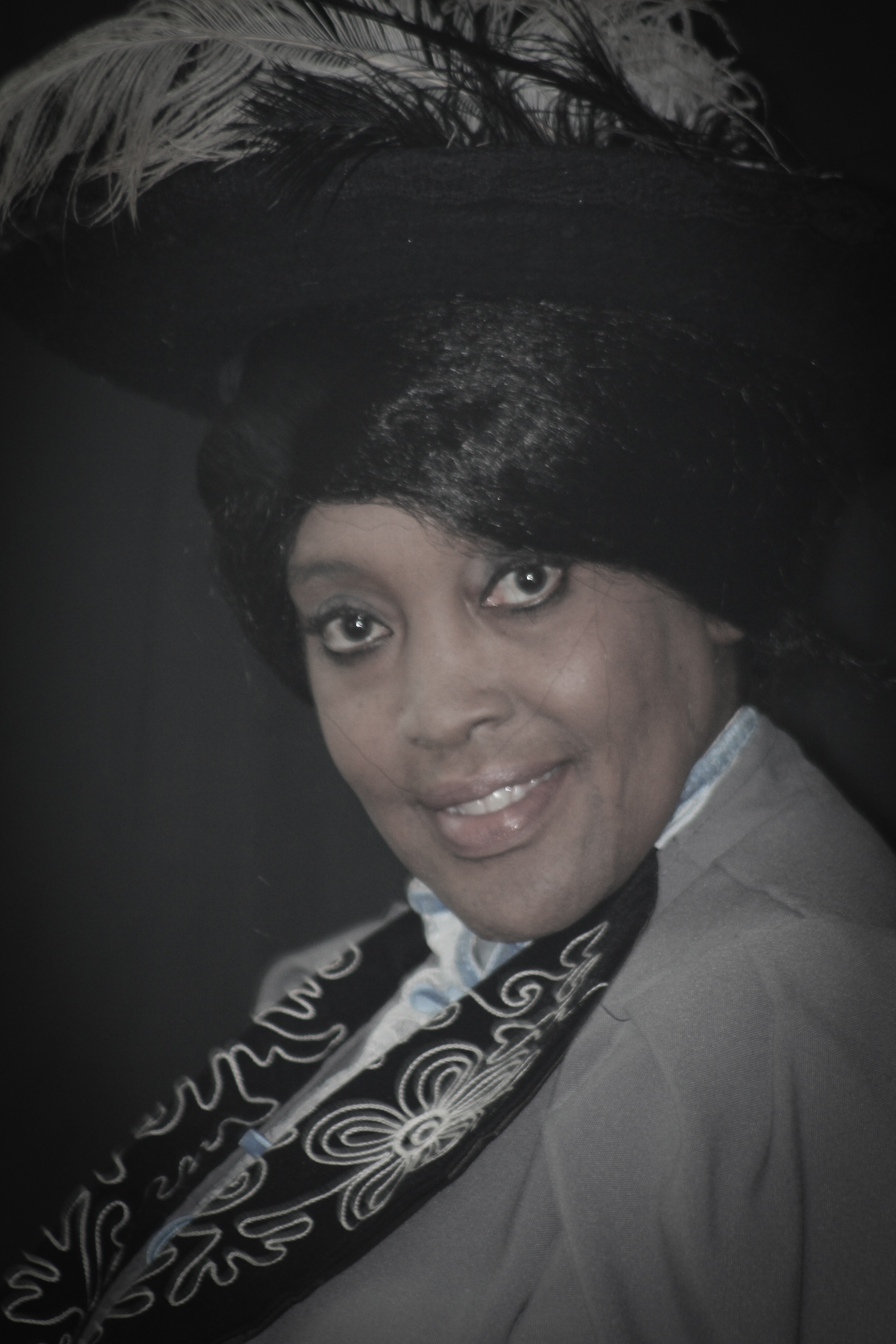
Dolores Clara Fernández Huerta is an American labor leader and civil rights activist who, with Cesar Chavez, is a co-founder of the National Farmworkers Association, which later merged with the Agricultural Workers Organizing Committee to become the United Farm Workers.

She was born in 1930 in Dawson New Mexico, but spent her growing up life in Stockton California with her mother and brothers after her parents divorced. She graduated from Stockton High School and went on to University of Pacific’s Delta College in Stockton earning a provisional teaching credential.

She began organizing by joining the Stockton Community Service Organization (CSO) and later met Caesar Chavez. They went on to form the National Farm Workers Association in the spring of 1962. While Dolores was busy breaking down one gender barrier after another, she was seemingly unaware of the tremendous impact she was having on, not only farm worker woman but also young women everywhere.

At age 58 Dolores suffered a life-threatening assault while protesting against the policies of then presidential candidate George Bush in San Francisco. A baton-wielding officer broke four ribs and shattered her spleen. Public outrage resulted in the San Francisco Police Department changing its policies regarding crowd control and police discipline and Dolores was awarded an out of court settlement.

In 2012 President Obama bestowed Dolores with her most prestigious award, The Presidential Medal of Freedom, the highest civilian award in the United States. Upon receiving this award Dolores said, “The freedom of association means that people can come together in organization to fight for solutions to the problems they confront in their communities.

Her Stories

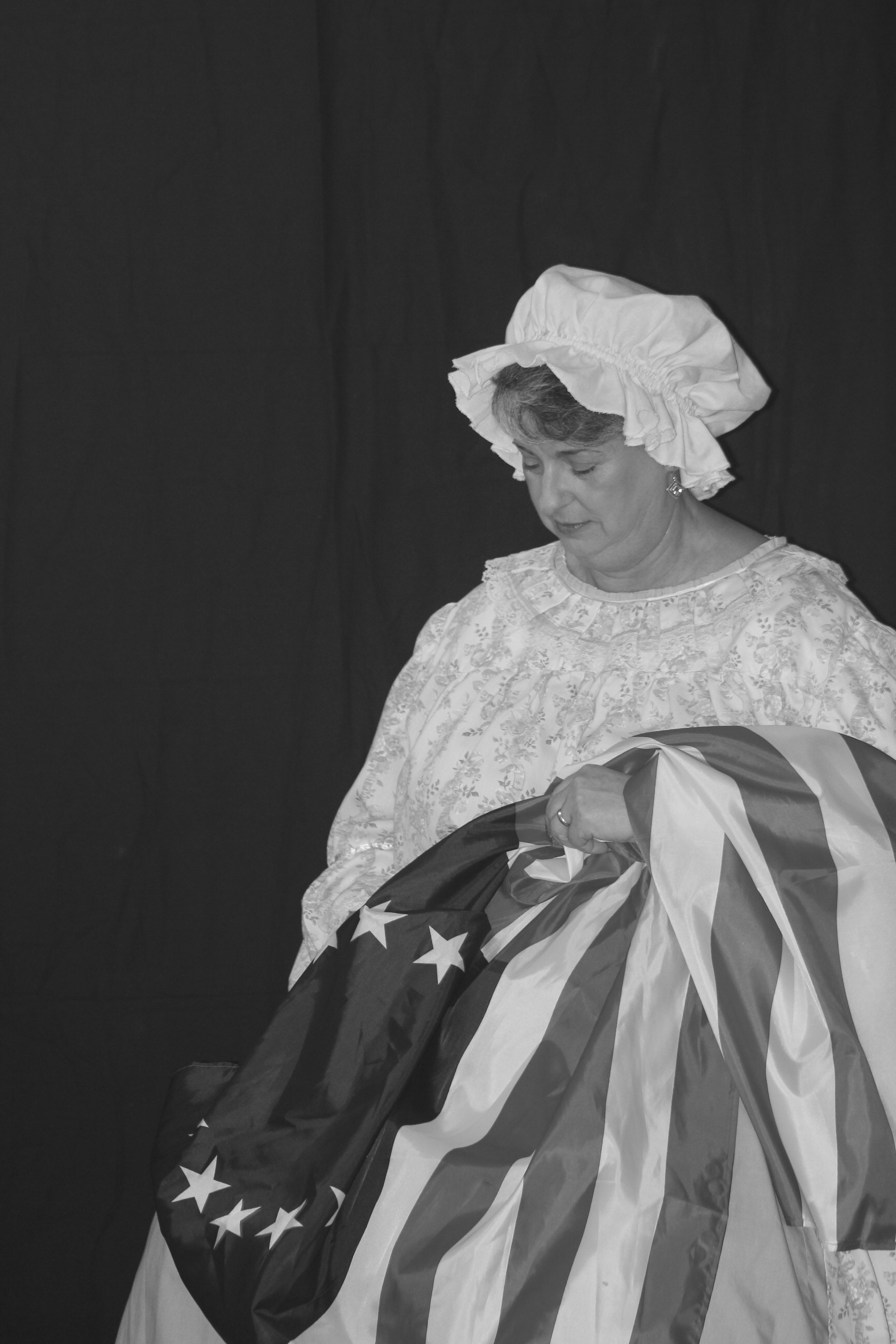
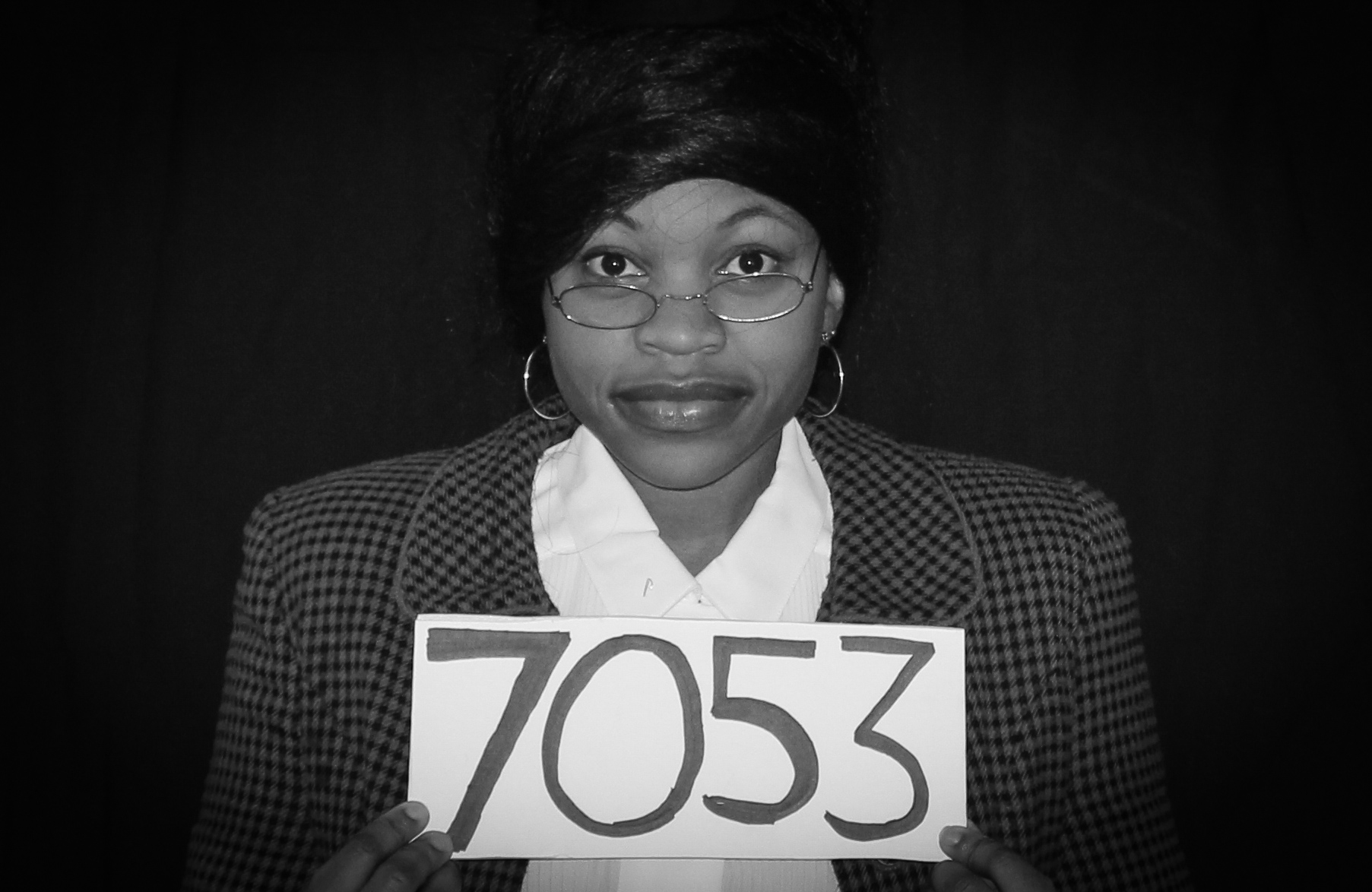
In honor of Women’s History Month I will share more images from my Queens photoshoot. I chose women from history who had an impact on history.

Betsy Ross was a woman who ran a business during a time when most women could not own property and where not considered citizens. She was able to influence leadership and get some of her ideas on the able.

Elizabeth Griscom Ross was born in 1752 in Gloucester City, New Jersey was an upholster who made the first American flag. Her parents were Quakers and sent her to a state-run Quaker school. Afterwards she became an apprentice to an upholsterer.

She married John Ross (nephew of George Ross who signed the Declaration of Independence) in 1773.  This marriage caused her to break from her family and start a business with her husband.  Among her first customers were George Washington, for whom she made bed hangings. When the Revolutionary War started, John was a member of the Pennsylvania Militia. He died 1775.

Betsy worked at the upholstery business repairing uniforms, making flags, tents, blankets and other things for soldiers.

The legendary story is that Betsy convinced Washington to alter the six-pointed stars on the flag to five-pointed stars.

She married again in 1777 to Joseph Ashburn and they had two children. He died in an English prison during the war. In 1783 she married John Claypoole and they had five daughters.

Betsy stayed in business until 1827, after which she passed it on to her daughters.

She died in 1836 in Philadelphia, Pennsylvania.

Model: Mary Jane Cardona Lopez Photographer: Karen J Anderson

This is Our History

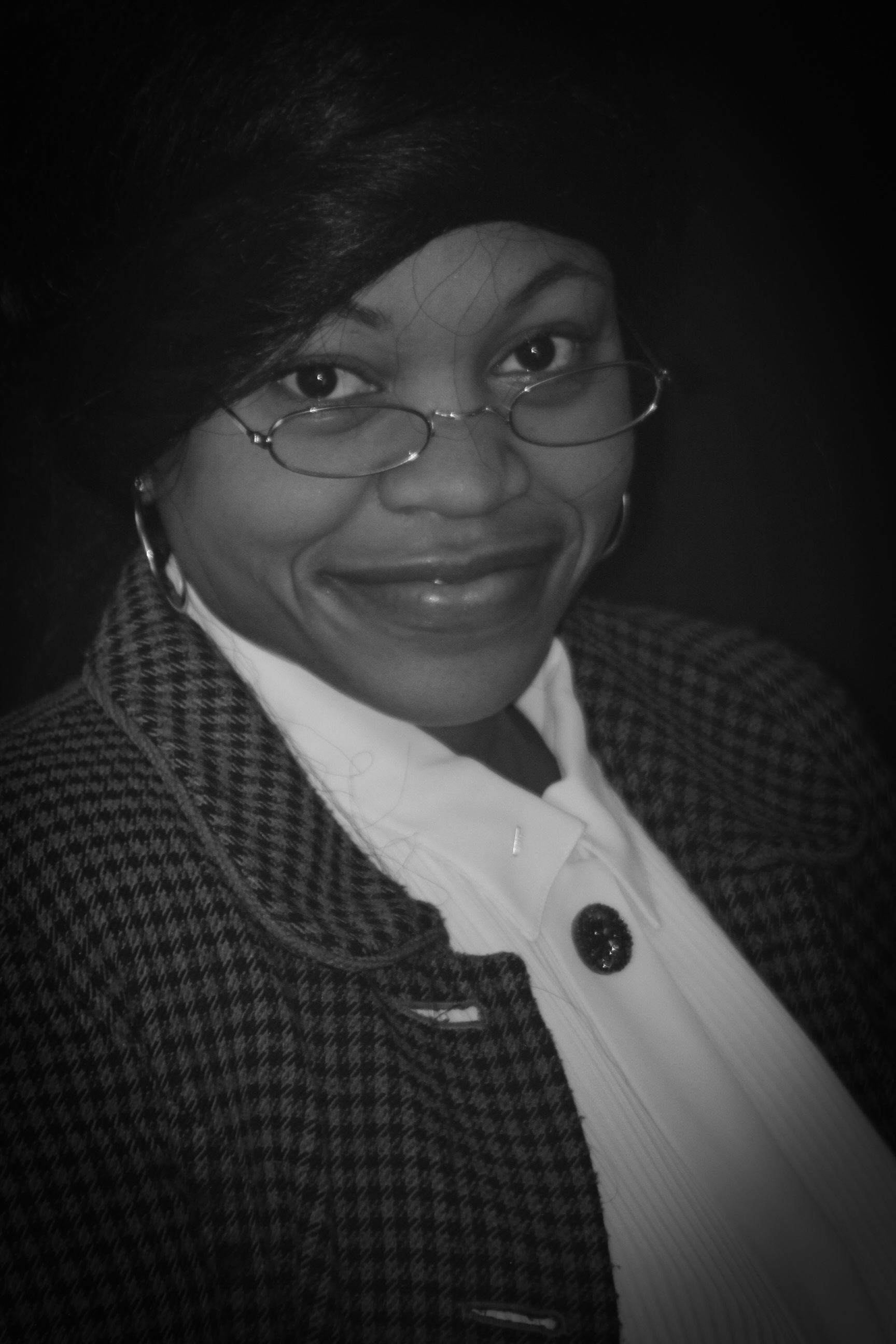
Best known for her role in the Montgomery Bus Boycott in 1955. Parks refused to give up her seat and move to the back of the bus. She was arrested, lost her job and was the subject of death threats.

But as the movement grew stronger she became an icon of what activism looks like.  After the boycott, Parks moved to Detroit. She went to work for US Rep. John Conyers in the House of Representatives from 1965 to 1988. She died in 2005.

This Is Our History

Madam CJ Walker was born Sarah Breedlove in Delta, Louisiana in 1887. After moving to St Louis in 1888, she worked at a laundry and became a part of the community.  She learned about haircare from her brothers who were barbers. She became an agent for Annie Malone, who owned a company that catered to African American hair care.  Walker would later become Malone’s biggest rival.

Walker moved to Denver in 1905 to sell Malone’s products and start to create her own.  She met and married Charles Walker. She began selling her products door to door, and her market grew to the point where she could hire other people to sell them for her.  She opened a college where she taught other women how to take care of their hair. She also opened a manufacturing plant to make her products.  She created a method of grooming that helped promote healthy hair and scalps. Her goal was to teach women how to live better.

She became a millionaire and her products were sold all across the US and the Caribbean. She supported organizations like the YMCA and scholarships for education of African Americans. She tried to fulfill a need in the community.

In this image it spoke to a woman who was able to be where she was. It did not limit her.

Affirmation

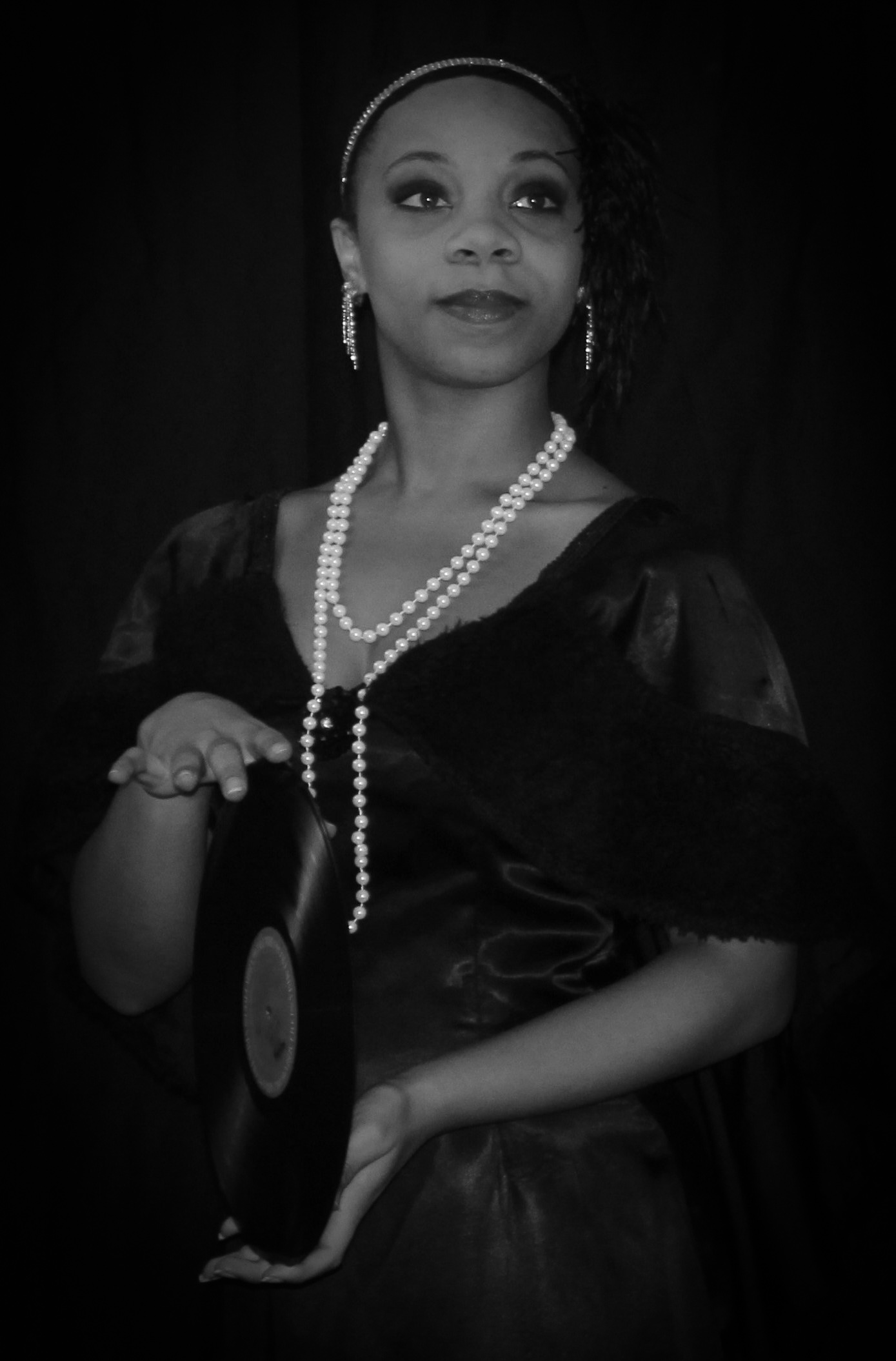
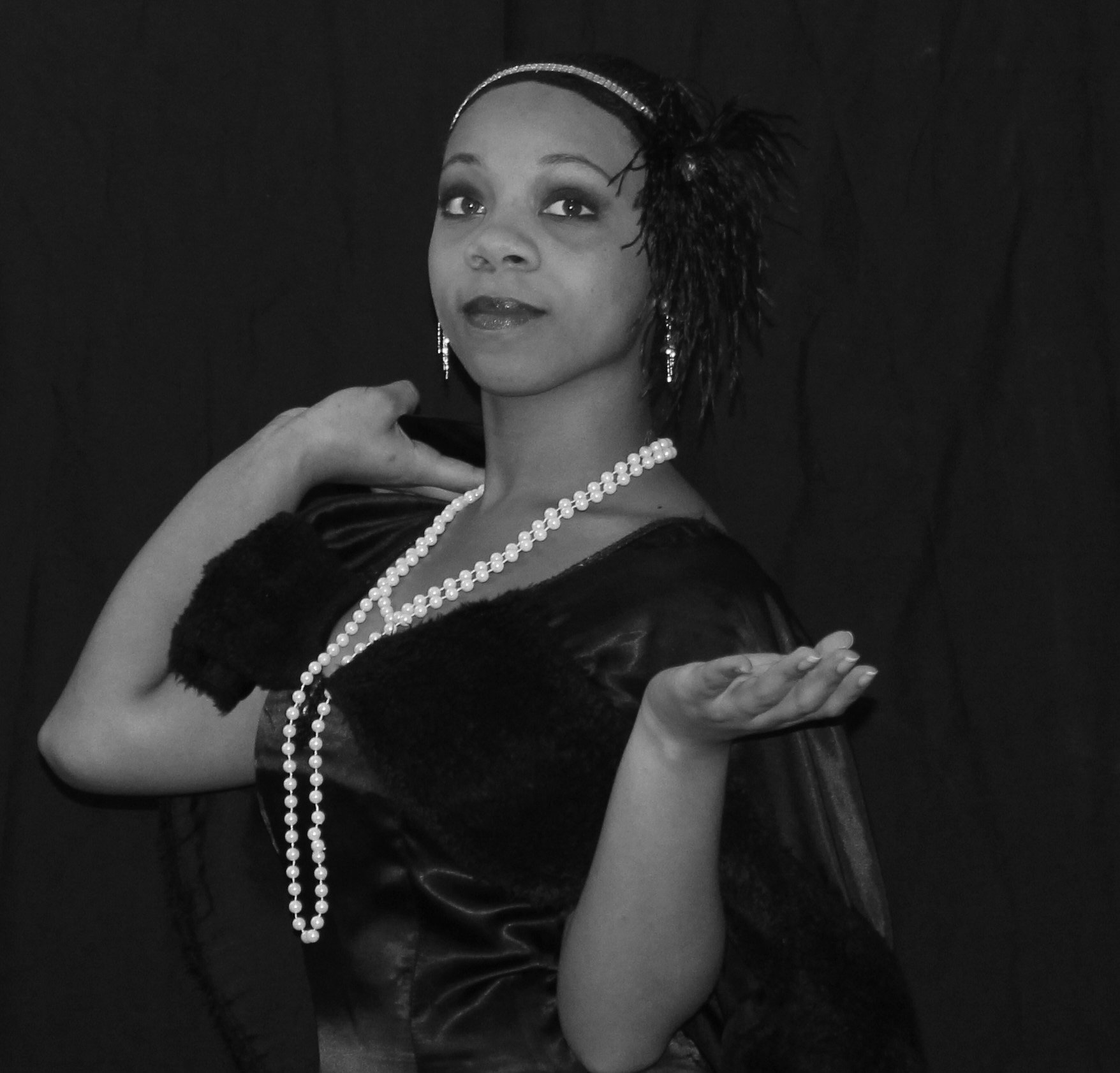
Both of Bessie Smith’s parents died when she was young, because of that she did not get a formal education. To raise money for her family, she and her brother become street performers. Yet she was able to transform her life to become one of the biggest blues singers in the country.

She had to believe she could do it, in order to do it.

Tell yourself you are able. You can do it. Whatever it is.

This Is Our History

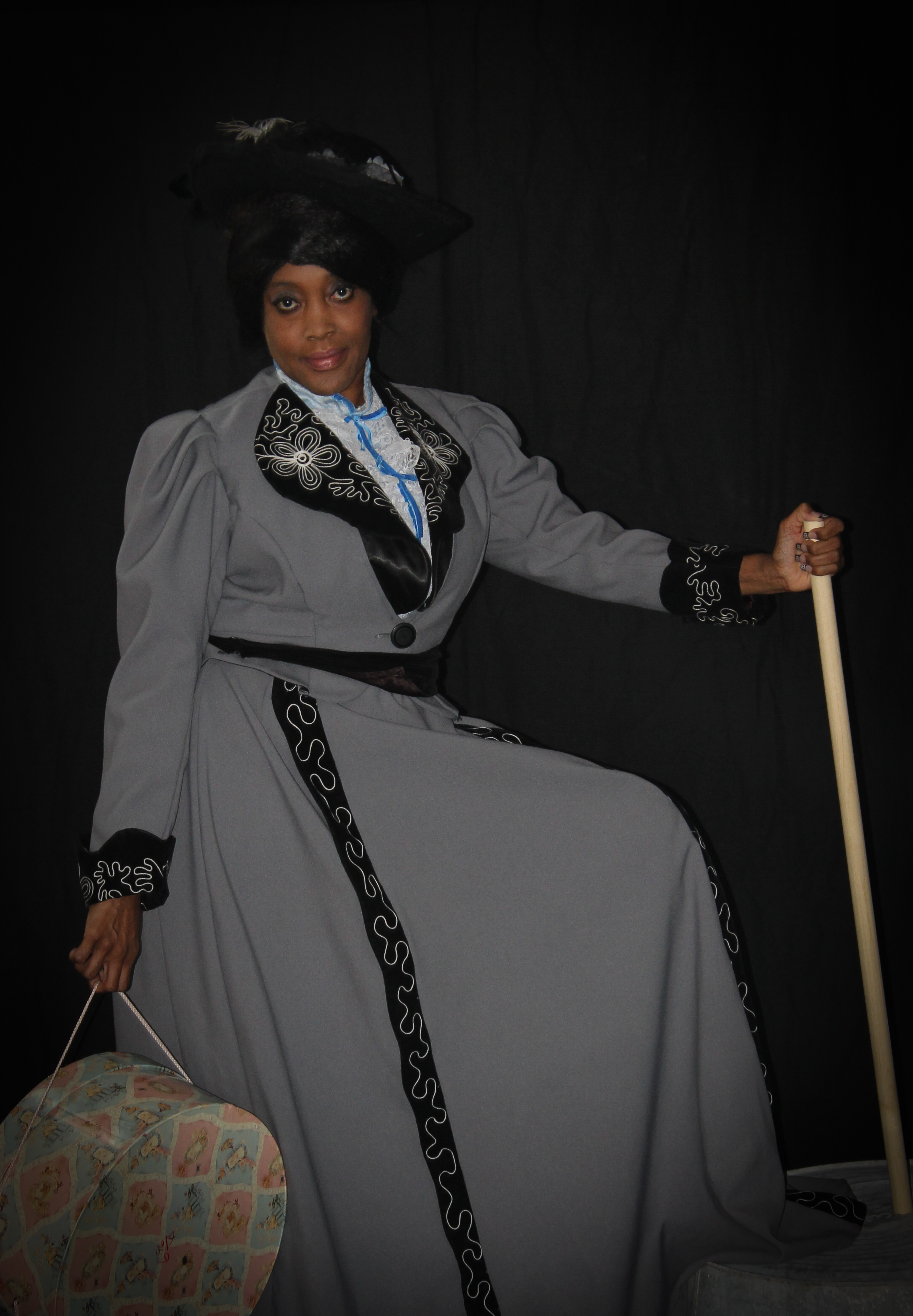
A few years ago I did a photoshoot with costumes and the whole bit. I wanted to focus on women who had impacted history. This month I will focus on some of those.

This week I want to focus on music because it has its own life in the culture.

Empress of the Blues was one of the titles Bessie Smith was known for. She was born in 1894 in Chattanooga, Tennessee. She started her career in 1912 traveling with Ma Rainey as a dancer. By 1923 she signed with Columbia Records where over the years she made over 160 recordings. She toured vaudeville and later did a show on Broadway. In 1929 she appeared in the movie, St Louis Blues. Her music dealt with the social issues of her day, Jail House Blues, Work House Blues, Prison Blues. She was injured in a car crash in 1937 where she later died from those injuries.

View From the Train

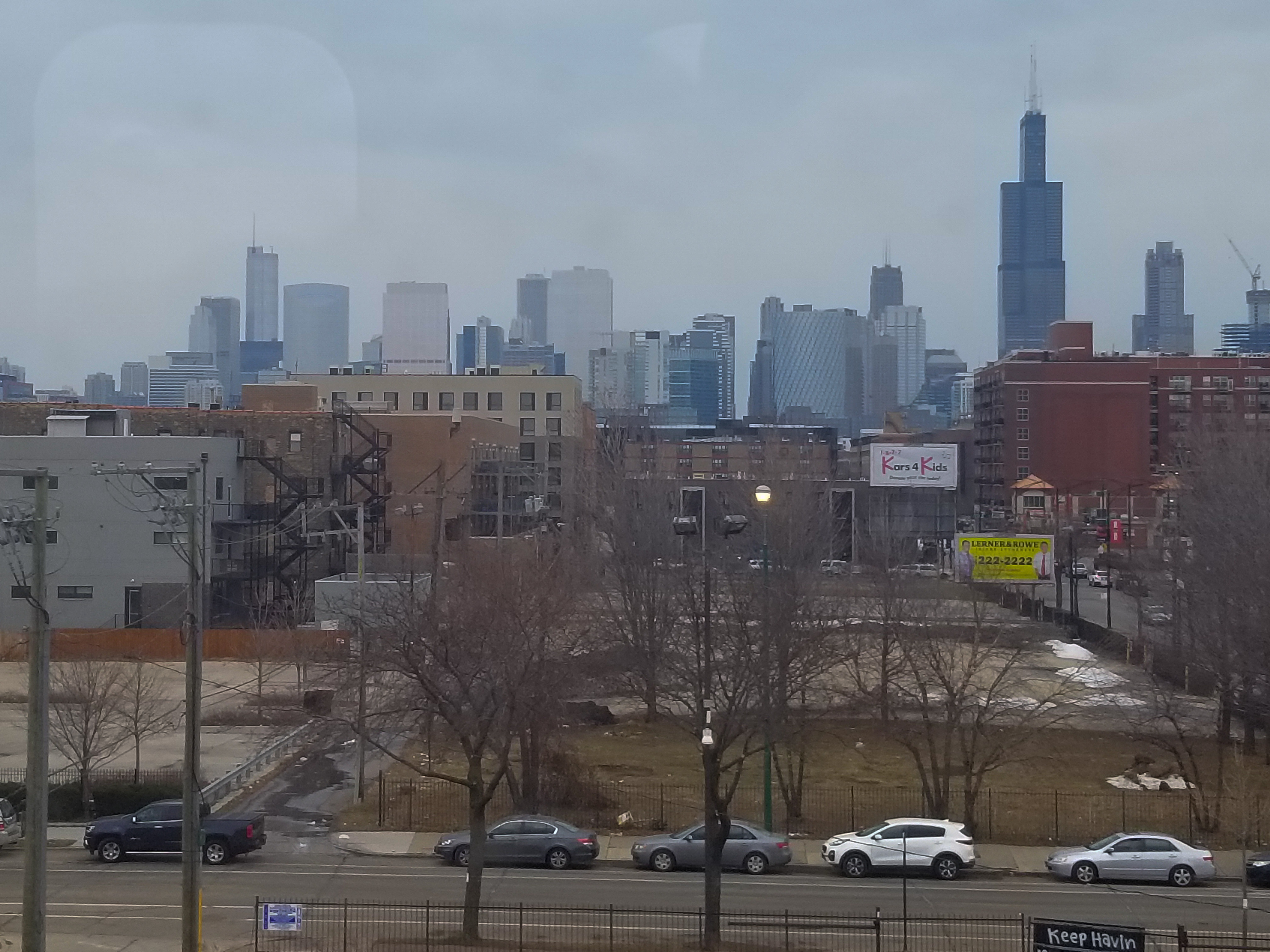
See the skyline? Yesssss!

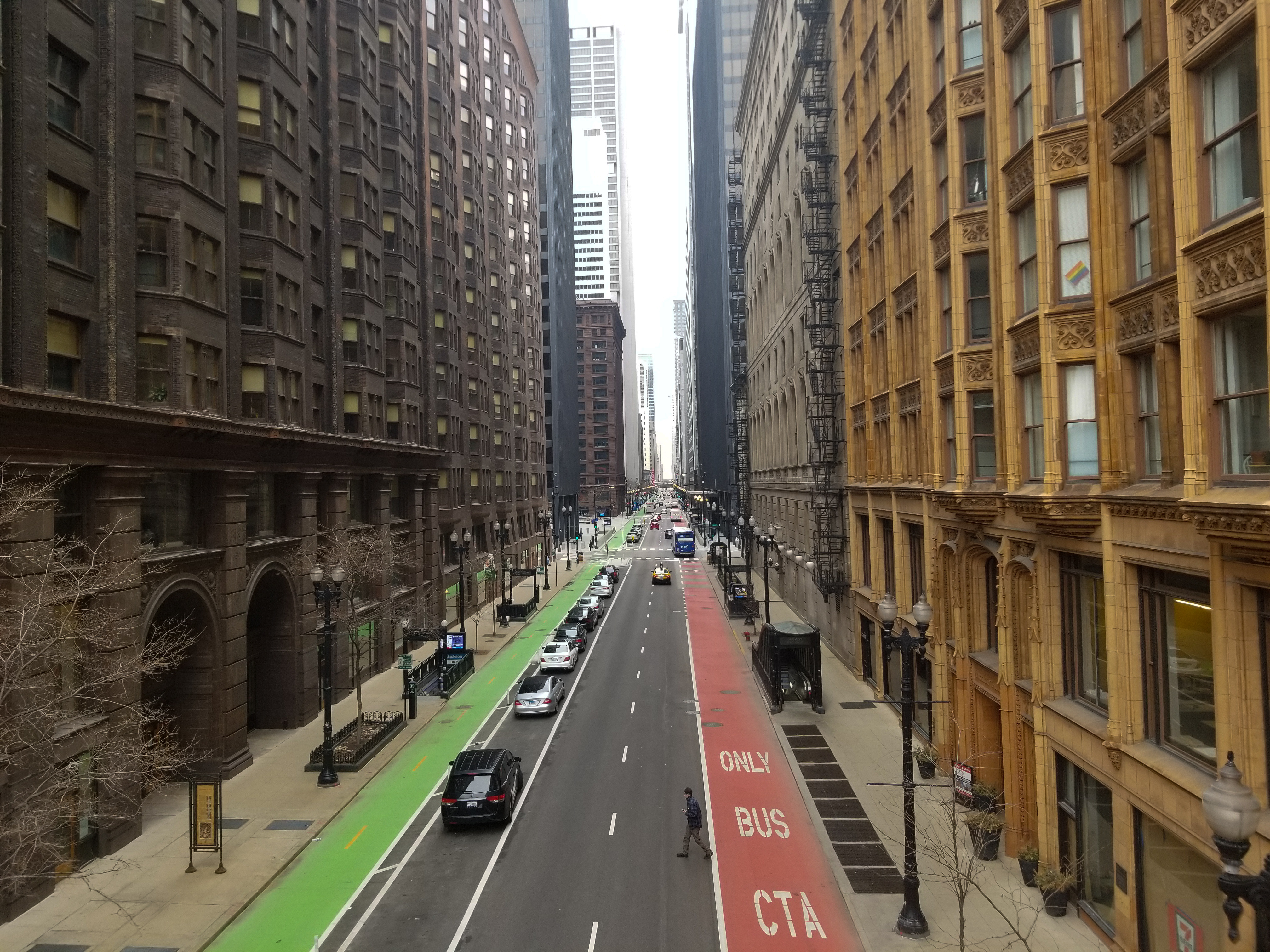
Even on a cloudy day, you can see the city buildings that form downtown Chicago. In the second image you can see the neighborhood street that is lined with cars, trees and street lights that also point to the skyline. Just like the buildings, the people of the city are just as creative and complicated.

View From the Train

The interesting thing about the elevated trains is that you get to see the building up close and personal. There are no cookie cutters when it comes to the architecture of these buildings. They are unique. They are new. They are old. They tell a story of a very old city with a lot of personality.