Amanda Aldridge was born in Upper Norwood, London on March 10 in 1866. She was the third child of African-American actor Ira Frederick Aldridge and his second wife, Amanda Brandt, who was Swedish. She had two sisters, Rachael and Luranah, and two brothers, Ira Daniel and Ira Frederick. She studied voice under Jenny Lind and George Henschel at the Royal College of Music in London, and harmony and counterpoint with Frederick Bridge and Francis Edward Gladstone.
Aldridge worked as a concert singer, piano accompanist, and a voice teacher. A throat condition ended her concert appearances, and she turned to teaching and published about thirty songs between the years 1907 and 1925.
Her notable students included African-American performers Roland Hayes, Lawrence Benjamin Brown, Marian Anderson and Paul Robeson, and Bermudian-British actor Earl Cameron.
At the age of 88, Aldridge made her first television appearance in the British show Music For You, where Muriel Smith sang Montague Ring’s “Little Southern Love Song”. After a short illness, she died in London on 9 March 1956, a day before her 90th birthday.
Amanda Aldridge was born in Upper Norwood, London on March 10 in 1866. She was the third child of African-American actor Ira Frederick Aldridge and his second wife, Amanda Brandt, who was Swedish. She had two sisters, Rachael and Luranah, and two brothers, Ira Daniel and Ira Frederick. She studied voice under Jenny Lind and George Henschel at the Royal College of Music in London, and harmony and counterpoint with Frederick Bridge and Francis Edward Gladstone.
Aldridge worked as a concert singer, piano accompanist, and a voice teacher. A throat condition ended her concert appearances, and she turned to teaching and published about thirty songs between the years 1907 and 1925.
Her notable students included African-American performers Roland Hayes, Lawrence Benjamin Brown, Marian Anderson and Paul Robeson, and Bermudian-British actor Earl Cameron.
At the age of 88, Aldridge made her first television appearance in the British show Music For You, where Muriel Smith sang Montague Ring’s “Little Southern Love Song”. After a short illness, she died in London on 9 March 1956, a day before her 90th birthday.
Ira Frederick Aldridge was born in New York City on July 24, 1807. At the age of 13, he went to the African Free School in New York City, established by the New-York Manumission Society for the children of free black people and slaves. They were given a classical education, with the study of English grammar, writing, mathematics, geography, and astronomy.
Aldridge’s first professional acting experience was in the early 1820s with the African Company, a group founded and managed by William Henry Brown and James Hewlett. In 1821, the group built the African Grove Theatre, the first resident African-American theatre in the United States. The short-lived company was the subject of protests by neighbors, attacks by a rival company.
Facing discrimination in America, he left in 1824 for England and made his debut at London’s Royal Coburg Theatre. As his career grew, his performances of Shakespeare’s classics eventually met with critical acclaim and he subsequently became the manager of Coventry’s Theatre Royal. From 1852, Aldridge regularly toured much of Continental Europe and received top honours from several heads of state.
In 1865 he married his second wife Amanda von Brandt with whom he had children, Irene, Ira, Amanda and Rachael. All but Rachael went on to have careers in music. Rachael died in infancy. Aldridge was known as a British actor, playwright, and theatre manager, known for his portrayal of Shakespearean characters.
Ira Frederick Aldridge was born in New York City on July 24, 1807. At the age of 13, he went to the African Free School in New York City, established by the New-York Manumission Society for the children of free black people and slaves. They were given a classical education, with the study of English grammar, writing, mathematics, geography, and astronomy.
Aldridge’s first professional acting experience was in the early 1820s with the African Company, a group founded and managed by William Henry Brown and James Hewlett. In 1821, the group built the African Grove Theatre, the first resident African-American theatre in the United States. The short-lived company was the subject of protests by neighbors, attacks by a rival company.
Facing discrimination in America, he left in 1824 for England and made his debut at London’s Royal Coburg Theatre. As his career grew, his performances of Shakespeare’s classics eventually met with critical acclaim and he subsequently became the manager of Coventry’s Theatre Royal. From 1852, Aldridge regularly toured much of Continental Europe and received top honours from several heads of state. Aldridge was known as a British actor, playwright, and theatre manager, known for his portrayal of Shakespearean characters.
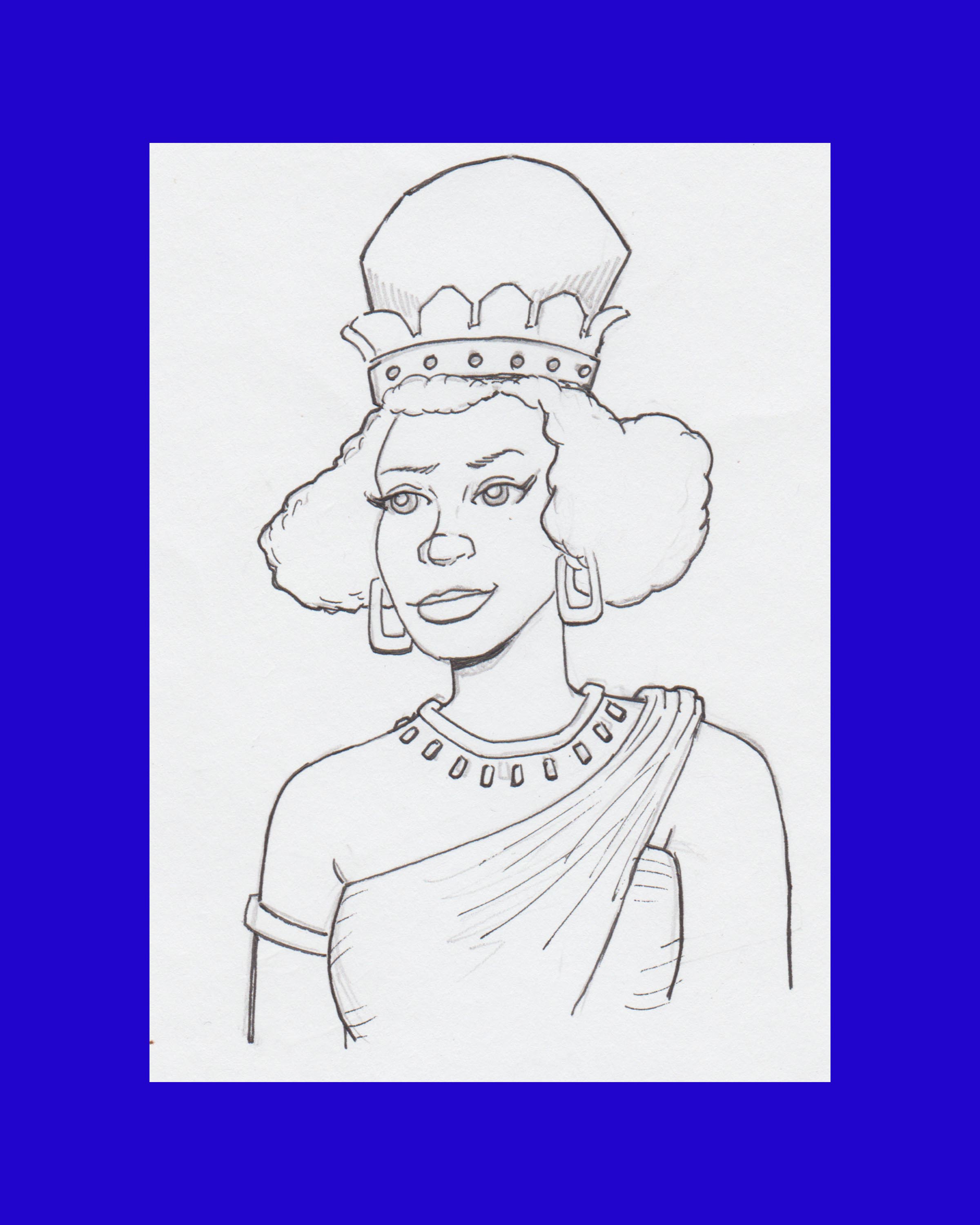
Nzinga Mbande was born into the ruling family of Ndongo in 1583 in Central West Africa. Nzinga received military and political training as a child, and she also became an ambassador to the Portuguese Empire. She was a Southwest African ruler who ruled as queen of the Ambundu Kingdoms of Ndongo (1624–1663) and Matamba (1631–1663), located in present-day northern Angola.
She was the daughter of Ngola Kilombo of Ndongo. Her mother, Kengela ka Nkombe, was one of her father’s slave wives and his favorite concubine. According to legend, the birthing process was very difficult for Kengela, her mother; Njinga received her name because the umbilical cord was wrapped around her neck (the Kimbundu verb kujinga means to twist or turn).
Children of the royal household who survived difficult or unusual births were believed to possess spiritual gifts, and some saw their births as an indicator the person would grow to become a powerful and proud person. Njinga had two sisters, Kambu, or Lady Barbara and Funji, or Lady Grace. She also had a brother, Mbandi, who was heir apparent to throne.
The Portuguese first came to Ndongo in 1575 when they established a trading post in Luanda. By the 1580s, large parts of Ndongo had fallen under Portuguese control, who burned villages and took hostages who later turned into slaves. Nzinga’s father, Ngola Kilombo Kia Kasenda became the king of Ndongo in 1583. He had a difficult time fighting the Portuguese and other local kingdoms who tried to take over.
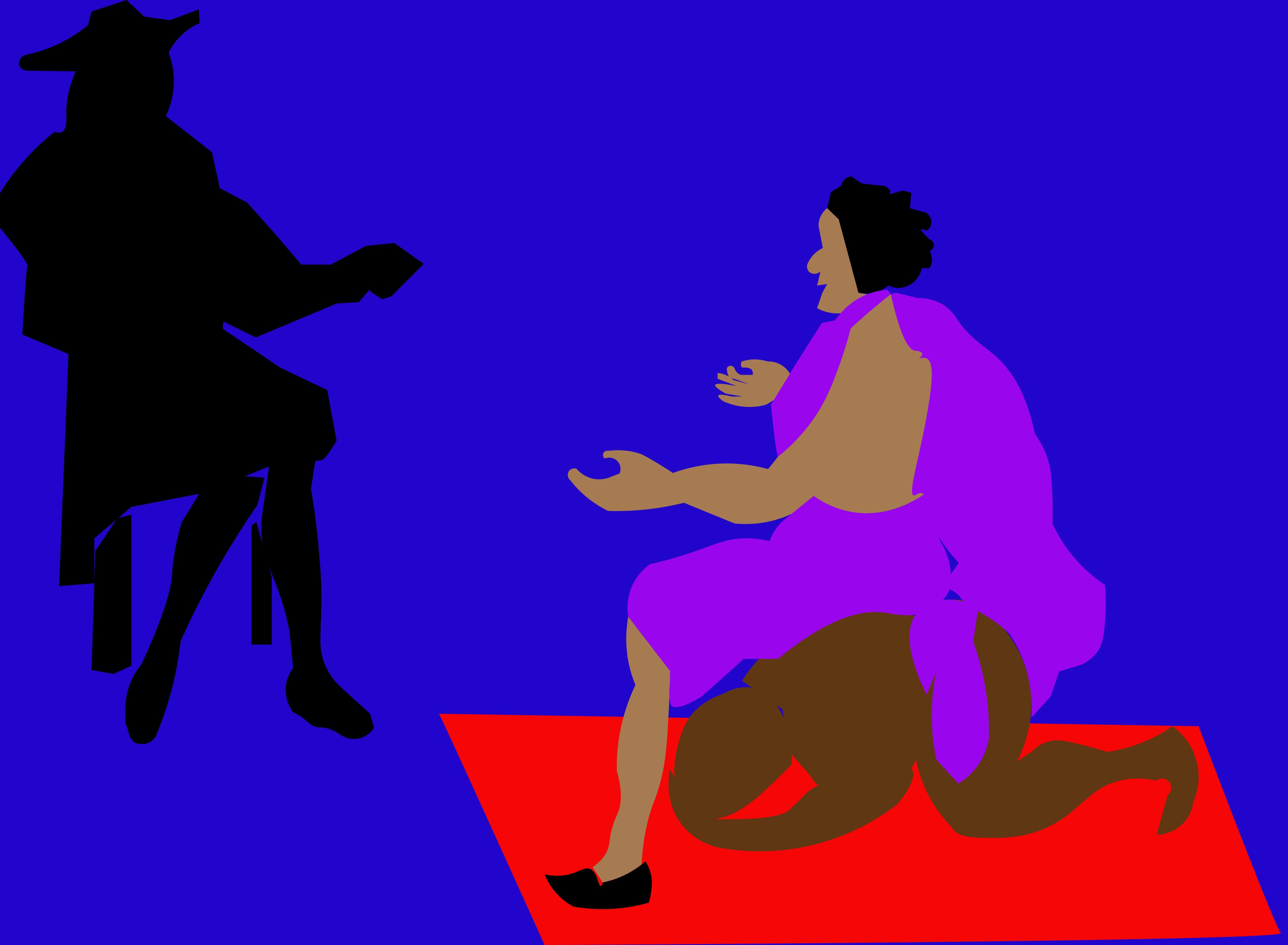
As an ambassador, Nzinga tried to negotiate peace with the Portuguese. She demanded that Portugal remove the forts built inside Ndongan territory and was adamant that Ndongo would not pay tribute to Portugal, noting that only conquered peoples paid tribute and her people had not been defeated. As a power play, the Portuguese would not give her a chair during negotiations. Members of her party would form a human chair so that she was always on the same level as her counterparts.
Nzinga assumed power over Ndongo after the death of her father and brother, who both served as kings, and she went on to conquer Matamba. To weaken the Portuguese colonial administration, Nzinga dispatched messengers (makunzes) to encourage Mbande slaves to flee Portuguese plantations and join her kingdom. This strengthen her kingdom as the escapees joined her kingdom.
She ruled during a period of rapid growth in the African slave trade by the Portuguese Empire in South West Africa. Nzinga fought for the independence of her kingdoms against the Portuguese in a reign that lasted 37 years. She died in 1663.
She is remembered as the Mother of Angola, the fighter of negotiations. Statues were made in her honor
Nzinga Mbande was born into the ruling family of Ndongo in 1583 in Central West Africa. Nzinga received military and political training as a child, and she also became an ambassador to the Portuguese Empire. She was a Southwest African ruler who ruled as queen of the Ambundu Kingdoms of Ndongo (1624–1663) and Matamba (1631–1663), located in present-day northern Angola.
She was the daughter of Ngola Kilombo of Ndongo. Her mother, Kengela ka Nkombe, was one of her father’s slave wives and his favorite concubine. According to legend, the birthing process was very difficult for Kengela, her mother; Njinga received her name because the umbilical cord was wrapped around her neck (the Kimbundu verb kujinga means to twist or turn).
Children of the royal household who survived difficult or unusual births were believed to possess spiritual gifts, and some saw their births as an indicator the person would grow to become a powerful and proud person. Njinga had two sisters, Kambu, or Lady Barbara and Funji, or Lady Grace. She also had a brother, Mbandi, who was heir apparent to throne.
The Portuguese first came to Ndongo in 1575 when they established a trading post in Luanda. By the 1580s, large parts of Ndongo had fallen under Portuguese control, who burned villages and took hostages who later turned into slaves. Nzinga’s father, Ngola Kilombo Kia Kasenda became the king of Ndongo in 1583. He had a difficult time fighting the Portuguese and other local kingdoms who tried to take over.
As an ambassador, Nzinga tried to negotiate peace with the Portuguese. She demanded that Portugal remove the forts built inside Ndongan territory and was adamant that Ndongo would not pay tribute to Portugal, noting that only conquered peoples paid tribute and her people had not been defeated. As a power play, the Portuguese would not give her a chair during negotiations. Members of her party would form a human chair so that she was always on the same level as her counterparts.
Nzinga assumed power over Ndongo after the death of her father and brother, who both served as kings, and she went on to conquer Matamba. She ruled during a period of rapid growth in the African slave trade by the Portuguese Empire in South West Africa. Nzinga fought for the independence of her kingdoms against the Portuguese in a reign that lasted 37 years.
Nzinga Mbande was born into the ruling family of Ndongo in 1583 in Central West Africa. Nzinga received military and political training as a child, and she also became an ambassador to the Portuguese Empire. She was a Southwest African ruler who ruled as queen of the Ambundu Kingdoms of Ndongo (1624–1663) and Matamba (1631–1663), located in present-day northern Angola.
She was the daughter of Ngola Kilombo of Ndongo. Her mother, Kengela ka Nkombe, was one of her father’s slave wives and his favorite concubine. According to legend, the birthing process was very difficult for Kengela, her mother; Njinga received her name because the umbilical cord was wrapped around her neck (the Kimbundu verb kujinga means to twist or turn).
Children of the royal household who survived difficult or unusual births were believed to possess spiritual gifts, and some saw their births as an indicator the person would grow to become a powerful and proud person. Njinga had two sisters, Kambu, or Lady Barbara and Funji, or Lady Grace. She also had a brother, Mbandi, who was heir apparent to throne.
The Portuguese first came to Ndongo in 1575 when they established a trading post in Luanda. By the 1580s, large parts of Ndongo had fallen under Portuguese control, who burned villages and took hostages who later turned into slaves. Nzinga’s father, Ngola Kilombo Kia Kasenda became the king of Ndongo in 1583. He had a difficult time fighting the Portuguese and other local kingdoms who tried to take over.
Nzinga assumed power over Ndongo after the death of her father and brother, who both served as kings, and she went on to conquer Matamba. She ruled during a period of rapid growth in the African slave trade by the Portuguese Empire in South West Africa. Nzinga fought for the independence of her kingdoms against the Portuguese in a reign that lasted 37 years.
Nzinga Mbande was born into the ruling family of Ndongo in 1583 in Central West Africa. Nzinga received military and political training as a child, and she also became an ambassador to the Portuguese Empire. She was a Southwest African ruler who ruled as queen of the Ambundu Kingdoms of Ndongo (1624–1663) and Matamba (1631–1663), located in present-day northern Angola.
She was the daughter of Ngola Kilombo of Ndongo. Her mother, Kengela ka Nkombe, was one of her father’s slave wives and his favorite concubine. According to legend, the birthing process was very difficult for Kengela, her mother; Njinga received her name because the umbilical cord was wrapped around her neck (the Kimbundu verb kujinga means to twist or turn).
Children of the royal household who survived difficult or unusual births were believed to possess spiritual gifts, and some saw their births as an indicator the person would grow to become a powerful and proud person. Njinga had two sisters, Kambu, or Lady Barbara and Funji, or Lady Grace. She also had a brother, Mbandi, who was heir apparent to throne.
She assumed power over Ndongo after the death of her father and brother, who both served as kings, and went on to conquer Matamba. She ruled during a period of rapid growth in the African slave trade by the Portuguese Empire in South West Africa. Nzinga fought for the independence of her kingdoms against the Portuguese in a reign that lasted 37 years.
Bert Williams was a Bahamian-born American entertainer, one of the pre-eminent entertainers of the Vaudeville era and one of the most popular comedians for all audiences of his time. He was born in the Bahamas in November of 1874.
His parents emigrated when he was 11 years old. He graduated from Riverside High School and attended Stanford with plans to become a civil engineer. He had to abandon his studies to help his family and began to work for Martin and Selig’s Mastodon Minstrels. He met George Walker who would be a lifelong friend for a dynamic comedy team.
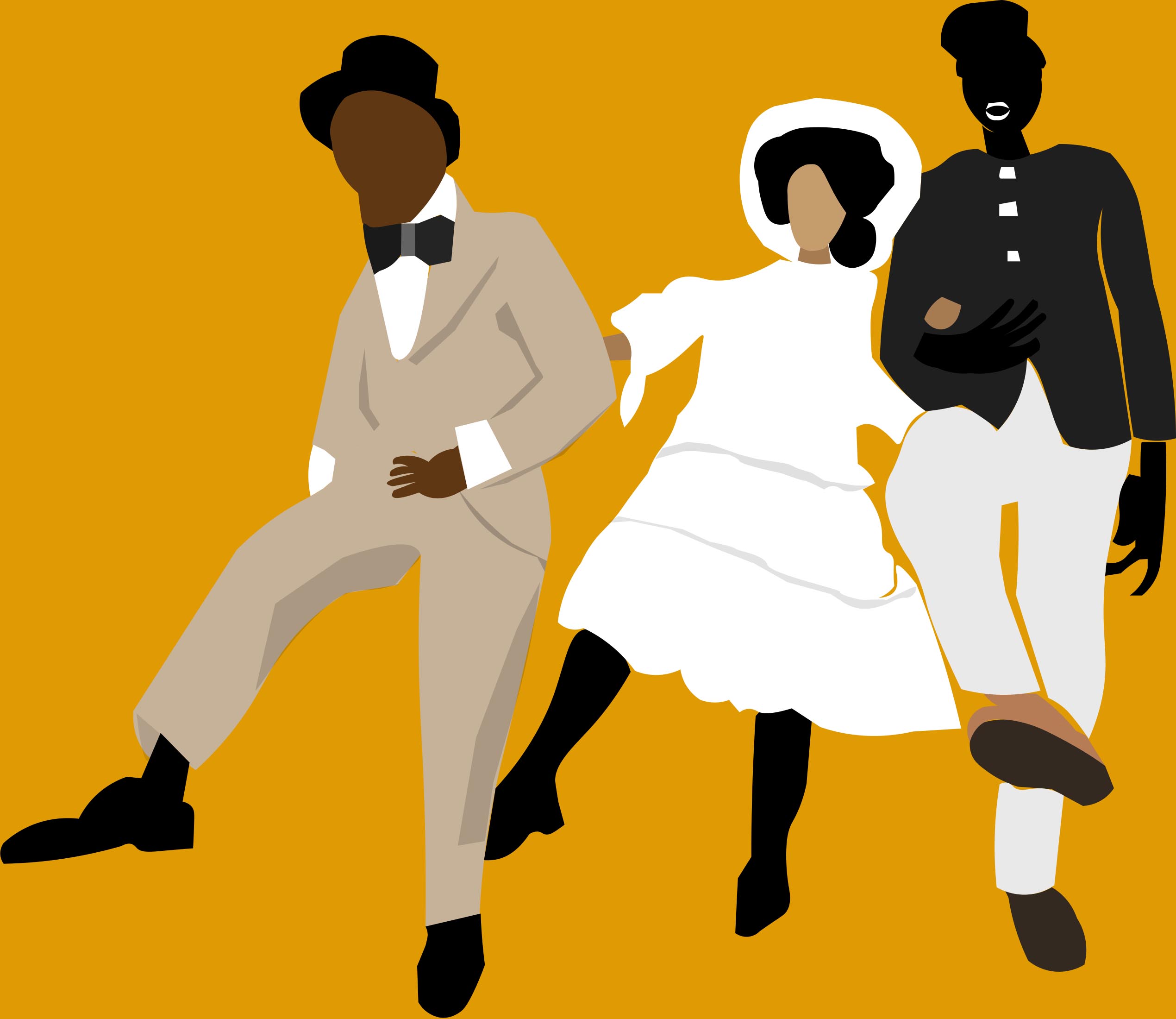
In late 1896, the pair were added to The Gold Bug, a struggling musical. The show did not survive, but Williams & Walker got good reviews, and were able to secure higher profile bookings. They headlined the Koster and Bial’s vaudeville house for 36 weeks in 1896–97, where their spirited version of the cakewalk helped popularize the dance.
The pair performed in burnt-cork blackface, as was customary at the time, billing themselves as “Two Real Coons” to distinguish their act from the many white minstrels also performing in blackface. Williams also made his first recordings in 1896.
Williams & Walker had their greatest success with Sons of Ham, a broad farce that did not include any of the extreme “darkie” stereotypes that were then common. One of the show’s songs, “Miss Hannah from Savannah,” even touched upon class divisions within the black community.
In September 1902, Williams & Walker debuted their next show, In Dahomey, a full-length musical written, directed and performed by an all-black cast. It was an even bigger hit.
Part of the inspiration for the show was Williams’ copy of a 1670 book, Africa, in which author John Ogilby traced the history of the continent’s tribes and peoples. “With this volume, I could prove that every Pullman porter is the descendant of a king,” said Williams.
They were one of the most successful teams in their era, performing in the US and abroad, even delivering a command performance in England for King Goerge in 1903.
The two performed together until Walker was too sick to perform in 1909. He died in 1911. Williams would strike out on his own and it would change everything.
In 1910 Williams joined Flo Ziegfeld as a featured performer in an all-white show. In the beginning the some of the white performers refused to work with Williams. He also faced prejudice from the writers, which made him have to write his own material. But that turned out to be a good thing because when the show opened, he was a sensation.
Williams is credited as being the first Black man to have the leading role in a film: Darktown Jubilee in 1914. And he also signed an exclusive recording contract with Columbia Records.
Known as one of the highest paid African American performers in history, Williams worked in many productions including the Ziegfeld Follies of 1917 with WC Fields, Fannie Brice, Eddie Cantor and more. He worked for the Follies until 1919.
In 1922 during a performance of Under the Bamboo Tree, Williams collapsed on stage during a performance in Detroit, Michigan. He returned to New York and died at his home in March at the age of 47.
Bert Williams was a Bahamian-born American entertainer, one of the pre-eminent entertainers of the Vaudeville era and one of the most popular comedians for all audiences of his time. He was born in the Bahamas in November of 1874.
His parents emigrated when he was 11 years old. He graduated from Riverside High School and attended Stanford with plans to become a civil engineer. He had to abandon his studies to help his family and began to work for Martin and Selig’s Mastodon Minstrels. He met George Walker who would be a lifelong friend for a dynamic comedy team.
In late 1896, the pair were added to The Gold Bug, a struggling musical. The show did not survive, but Williams & Walker got good reviews, and were able to secure higher profile bookings. They headlined the Koster and Bial’s vaudeville house for 36 weeks in 1896–97, where their spirited version of the cakewalk helped popularize the dance.
The pair performed in burnt-cork blackface, as was customary at the time, billing themselves as “Two Real Coons” to distinguish their act from the many white minstrels also performing in blackface. Williams also made his first recordings in 1896.
Williams & Walker had their greatest success with Sons of Ham, a broad farce that did not include any of the extreme “darkie” stereotypes that were then common. One of the show’s songs, “Miss Hannah from Savannah,” even touched upon class divisions within the black community.
In September 1902, Williams & Walker debuted their next show, In Dahomey, a full-length musical written, directed and performed by an all-black cast. It was an even bigger hit.
Part of the inspiration for the show was Williams’ copy of a 1670 book, Africa, in which author John Ogilby traced the history of the continent’s tribes and peoples. “With this volume, I could prove that every Pullman porter is the descendant of a king,” said Williams.
They were one of the most successful teams in their era, performing in the US and abroad, even delivering a command performance in England for King Goerge in 1903.
The two performed together until Walker was too sick to perform in 1909. He died in 1911. Williams would strike out on his own and it would change everything.
Williams is credited as being the first Black man to have the leading role in a film: Darktown Jubilee in 1914. Known as one of the highest paid African American performers in history, Williams worked in many productions including the Ziegfeld Follies of 1917 with WC Fields, Fannie Brice, Eddie Cantor and more. In 1922 Williams collapsed on stage during a performance in Detroit, Michigan. He returned to New York and died at his home in March at the age of 47.






 UPP Creative Media