Phillis Wheatley Peters was born in 1753 in Senegal/Gambia of West Africa where she was taken from as a child to live a life of slavery. She was captured at the age of seven years old. She was purchased by a wealthy Boston family.
She was known as one of the first African Americans to have a book of poetry published. She was named Phillis by her owner because she was brought to America aboard a ship named Phillis.
I will be doing a presentation this weekend at the Galesburg Public Library in Galesburg, Il. In the meantime, here is the playlist to help you get in the mood.
Phillis Wheatley showed a passion for words and learning as a young girl. Despite the trauma taking place in her world, she showed a love for the written words of her captors.
Love had a dark side as she probably missed all of her family.
But it had a light side, teaching her to love communicating through words.
In honor of Black History Month, I will be selling these postcards with images of prominent black history stories. As a people we have an amazing history that needs to be told and celebrated. Let me help get you started.
You can purchase these brief moments in African American History from for $15 plus $5 for shipping.
At the center of their work, this action verb is very prominent. All of these women had a love that drove their work. You can see it at the center of my best work.
The word is love. It means a deep affection for or something that is liked or enjoyed very much.
So I am very behind, as I post on the last day of January. I am trying some new things with my art, so as i explore more about image and storytelling, watch me work. The theme for 2024 is Intersectionality as we explore what it is like being African American and Female. Meeting at the intersection of Race and Gender.
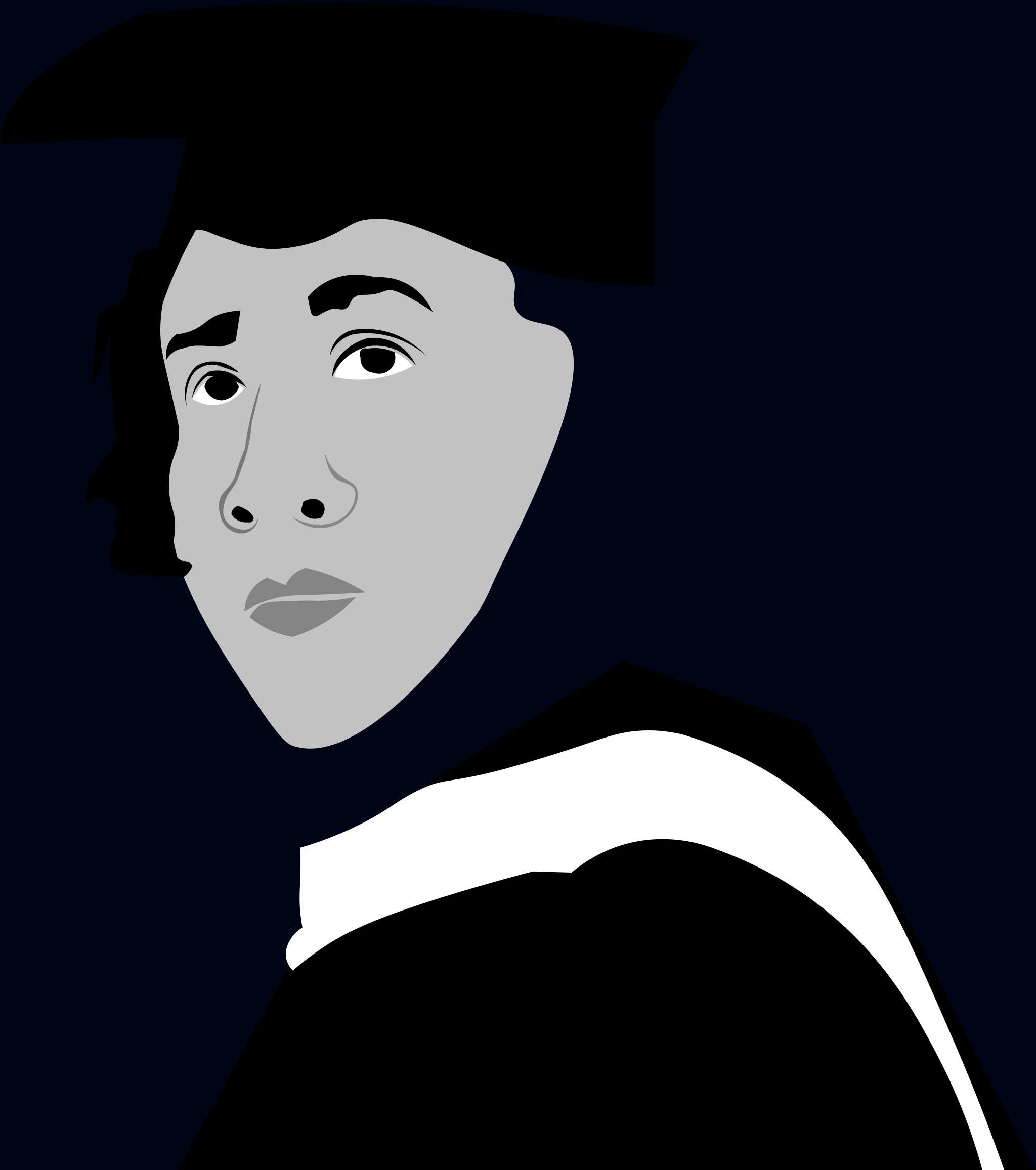
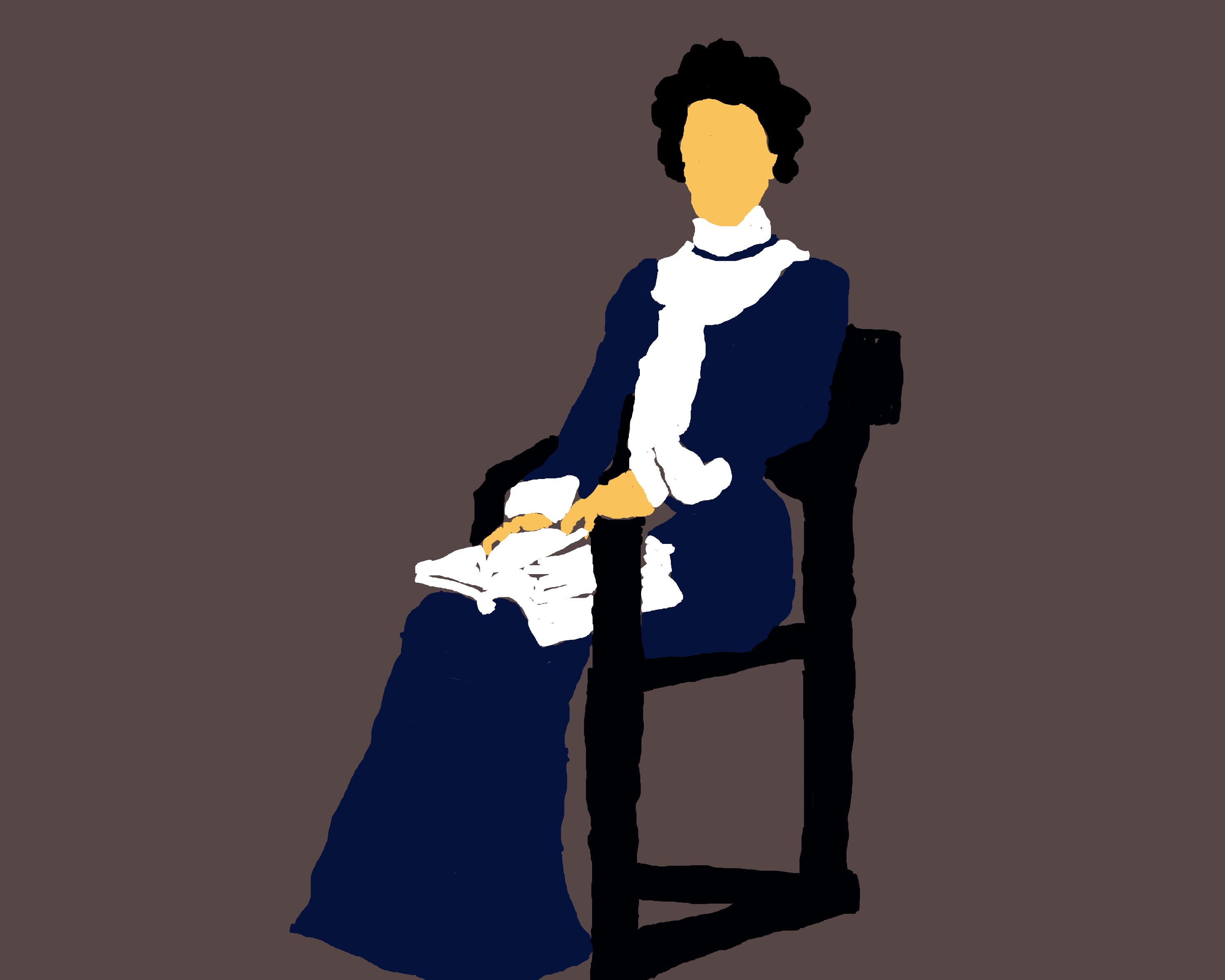
For January we look at the life of Anna Julia Cooper. She lived within the lines of her society, but still had the desire to expand them.
She was born in 1858, into slavery in Raliegh North Carolina. She started life working as a domestic servant, but soon gained a world class eduation. She attended St Augustine’s School in Raliegh, where she would meet her husband, George A. C. Cooper. He would die within two years. As unfortunate as it was, his death allowed her to continue to teach.
TEACH
She attended Oberlin College with classmate Mary Church Terrell. In 1924, she was one of the first women to earn a Ph.D. When she could not find a university in the United sTates that would allow her this type of eduication, she attended Sorbonne, University of Paris. She spent many years of her life teaching.
WRITE
She also wrote her first book, A Voice from the South, which gave a realistis educated view of what life was like for African Americans during her lifetime.
SPEAK
In 1900 Cooper participated in the First Pan African Conference in London.
FORM
With Helen Appo Cook, Ida B Wells, Charlotte Forten Grimke, Mary Jane Peterson, Mary Church Terrell and Evelyn Shaw formed the Colored Women’s League in Washington, DC.
Anna Julia Cooper was a woman who didn’t not let life roll on by. She participated in things most women like her did not have access to. She helped change the way people though about situations. She leaves us all better for it.
In honor of Black History Month, I will be selling these postcards with images of prominent black history stories. As a people we have an amazing history that needs to be told and celebrated. Let me help get you started.
You can purchase one of these four brief moments in African American History from for $15 plus 5 for shipping. You can pay though PAYPAL with uppcreative@yahoo.com
In 2024, we meet at the intersection of gender and race to examine how these shaped the lives of women who achieved in spite of trying times.
The Theme for the year of 2024 is Intersectionality. One of the best definitions I read was how multiple identities combine to create unique patterns of oppression. (global citizen.org) I realize that oppression is a hard word for some, but for others it is an everyday thing.
I am going to tell you stories of women who had to deal with oppression as a woman and as a woman of color. These women were able to make a life for themselves and help others. What do we learn from this?
I hope a lot. Hopefully looking back at these lives will encourage us to keep on pushing in our daily lives.
Josephine Baker (3 June 1906 – 12 April 1975) was an American-born French dancer, singer and actress. Her career was centered primarily in Europe, mostly in her adopted France. She was the first black woman to star in a major motion picture, the 1927 silent film Siren of the Tropics, directed by Mario Nalpas and Henri Étiévant.
She was born in St Louis, Missouri, as Freda Josephine McDonald where she had a very rough beginning. She dropped out of school at age 12 and had two failed marriages at ages 13 and 15. Then she joined a vaudeville troupe that took her to New York City. She later became part of a show, Shuffle Along in the chorus line. This would be one of the first steps to her success. She joined the cast in the chorus.
She used comedy to make herself stand out in the chorus line, and later launch a career that sent her overseas because prejudice limited what she could accomplish in the United States. In Paris she became a success which led to a career that spanned all over Europe. Some have called her the first Beyonce in that she starred in theater and movies in France and became a standout star.
She did not limit her life to performance, during World War II she became a spy for the French Resistance and later received a medal for her work. In the 1950s became active in the Civil Rights Movement traveling throughout the southern part of the United States. Ever the humanitarian, she also adopted 12 children from around the world and raise them.
She died in Pitié-Salpêtrière Hospital, at age 68, on April 12, 1975. She is the only American-born woman to receive full French military honors at her funeral. In August 2021 the French President, Emmanuel Macron, announced that Baker’s remains would be reburied at the Panthéon in November 2021.
Her son Claude Bouillon-Baker told Agence France-Presse that her body would remain in Monaco and only a plaque would be installed at the Panthéon. It was later announced that a symbolic casket containing soil from various locations where Baker had lived, including St. Louis, Paris, the South of France and Monaco, would be carried by the French Air and Space Force in a parade in Paris before a ceremony at the Panthéon where the casket was interred.
Josephine Baker (3 June 1906 – 12 April 1975) was an American-born French dancer, singer and actress. Her career was centered primarily in Europe, mostly in her adopted France. She was the first black woman to star in a major motion picture, the 1927 silent film Siren of the Tropics, directed by Mario Nalpas and Henri Étiévant.
She was born in St Louis, Missouri, as Freda Josephine McDonald where she had a very rough beginning. She dropped out of school at age 12 and had two failed marriages at ages 13 and 15. Then she joined a vaudeville troupe that took her to New York City. She later became part of a show, Shuffle Along in the chorus line. This would be one of the first steps to her success.
She used comedy to make herself stand out in the chorus line, and later launch a career that sent her overseas because prejudice limited what she could accomplish in the United States. In Paris she became a success which led to a career that spanned all over Europe. Some have called her the first Beyonce in that she starred in theater and movies in France and became a standout star.
She did not limit her life to performance, during World War II she became a spy for the French Resistance and later received a medal for her work. In the 1950s became active in the Civil Rights Movement traveling throughout the southern part of the United States. Ever the humanitarian, she also adopted 12 children from around the world and raise them.
She died in Pitié-Salpêtrière Hospital, at age 68, on April 12, 1975. She is the only American-born woman to receive full French military honors at her funeral. In August 2021 the French President, Emmanuel Macron, announced that Baker’s remains would be reburied at the Panthéon in November 2021.
Her son Claude Bouillon-Baker told Agence France-Presse that her body would remain in Monaco and only a plaque would be installed at the Panthéon. It was later announced that a symbolic casket containing soil from various locations where Baker had lived, including St. Louis, Paris, the South of France and Monaco, would be carried by the French Air and Space Force in a parade in Paris before a ceremony at the Panthéon where the casket was interred.









 UPP Creative Media