I have been privileged enough to have an article in this book.
Now more than ever, the strong, independent, courageous voices of Black women are being heard loud and clear. They share their truth about life, love, family, faith and hope in these 101 personal stories and 12 powerful poems. The world is listening.
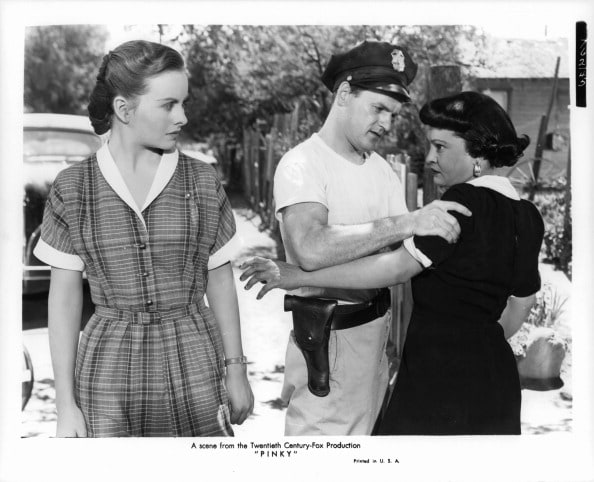
Nina Mae McKinney played a supporting role in the movie Pinky, which was about a light skinned black woman who falls in love with a white doctor, though he is unaware of her race. McKinney played the jealous girlfriend to the light skinned African American woman who was played by a Caucasian actor, Jeanne Crain.
Nina Mae McKinney worked in a industry that chose to use Caucasian people to play African Americans for lead roles to tell stories ABOUT African Americans.
McKinney was born in 1912 in Lancaster, South Carolina. She moved to New York City at the age of 12 to join her parents who moved there to find better work like many others during the Great Migration. She loved performing an had been in plays at school. She debuted in the chorus line of Blackbirds of 1928 which starred Bill Bojangles Robinson. After that she landed a role in the movie Hallelujah by King Vidor, who was nominated for an academy award for directing.
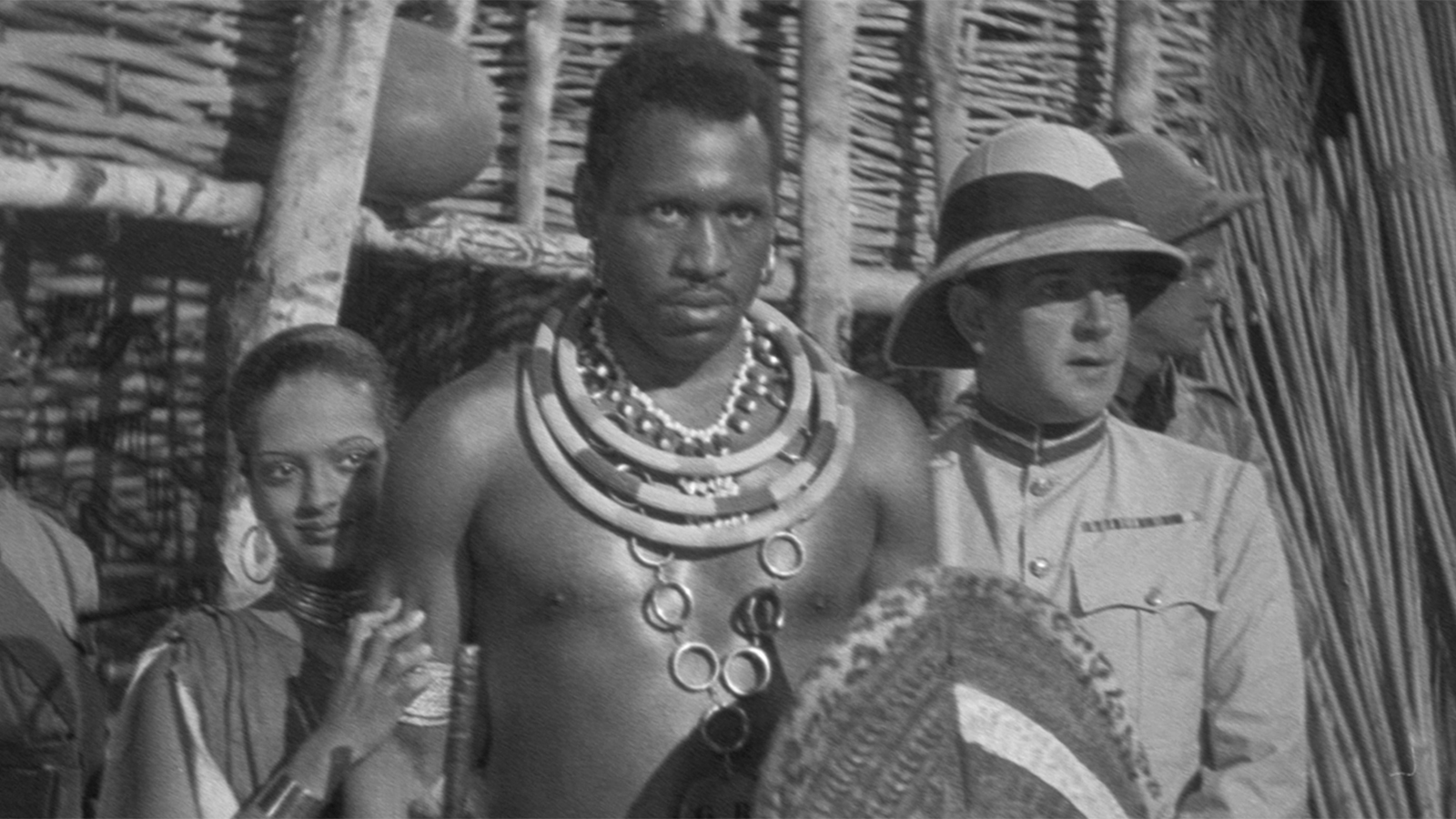
She signed a 5-year contract with MGM after the success of Hallelujah. She did a few films after that, but the studio would not put her in a leading role which was frustrating after her success in the other roles. McKinney was stuck playing supporting roles. Like many actors of her hue, she found that the studio only wanted her in certain roles which were very career limiting. Imagine being called the Black Garbo, but not getting a chance to prove it. In 1935 she made Sanders of the River with Paul Robeson.
She and Robeson were promised the roles of the Africans in the movie would depict them respectfully, the film was later cut to change that. Even though McKinney was a triple threat because she could sing, dance and act, she was only offered roles as maids. She moved to Europe where she worked in nightclubs and theaters, doing an occasional movie. But eventually moved back to the United States in 1939 when Germany invaded Poland.
She played maids and sex workers because those were the roles offered to people of color during that time period. She would get an occasional role that was off that path. In 1949 she landed the role of the jealous girlfriend in Pinky starring Jean Crain, Ethel Barrymore and Ethel Waters.
In 1951, she performed her last role in summer stock. She moved back to New York City in 1960. She died in 1967.
She lived the best life she could and we are the better for it. In 1978 she was awarded a lifetime achievement in the Black Filmmakers Hall of Fame.
Sometimes my joy is down low. I am so consumes with all of the other things happening in my life, I forget about it. I don’t dwell on it when I should. Those are times when I think about the things I can’t control.
But I serve an awesome God. He usually sends me something to remind me of what I believe.
I have been privileged enough to have an article in this book.
Now more than ever, the strong, independent, courageous voices of Black women are being heard loud and clear. They share their truth about life, love, family, faith and hope in these 101 personal stories and 12 powerful poems. The world is listening.
Remember Steve McGarrett standing on a balcony looking out over Hawaii like he owned it in the 1970s. Or maybe Robert McCall helping people who could not find help through traditional means? Why would you remake these shows? And what value could you find in such stories?
The Sistas talk about remakes, good or bad? Listen to find out.
It is a feeling of great pleasure and happiness. True joy comes from God. Sometimes mine is low key because there are so many things in the world that could steal it. It blends in, but it is one of the big things in my life.
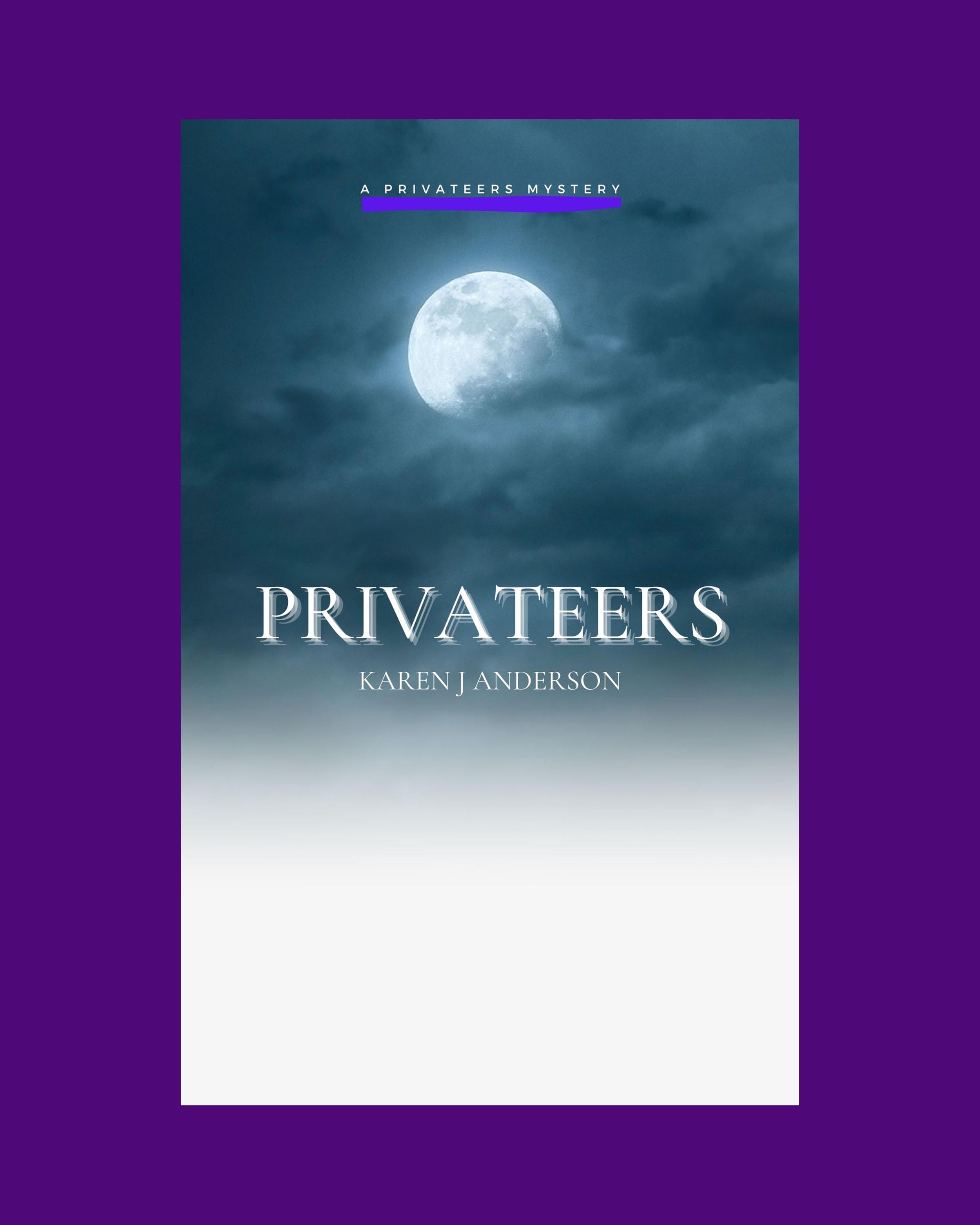
A single young woman is tricked by modern day pirates losing everything she owned. As she tries to figure out what happened to her belongings, her world crashes around her as government and private agencies treat her as a suspect. Determined to find the man who did this to her, she stumbles onto a government top secret. Finding this modern-day pirate turns into a race against lethal forces.








 UPP Creative Media