It was a Snowapocalypse! It completely changed how we viewed snow.
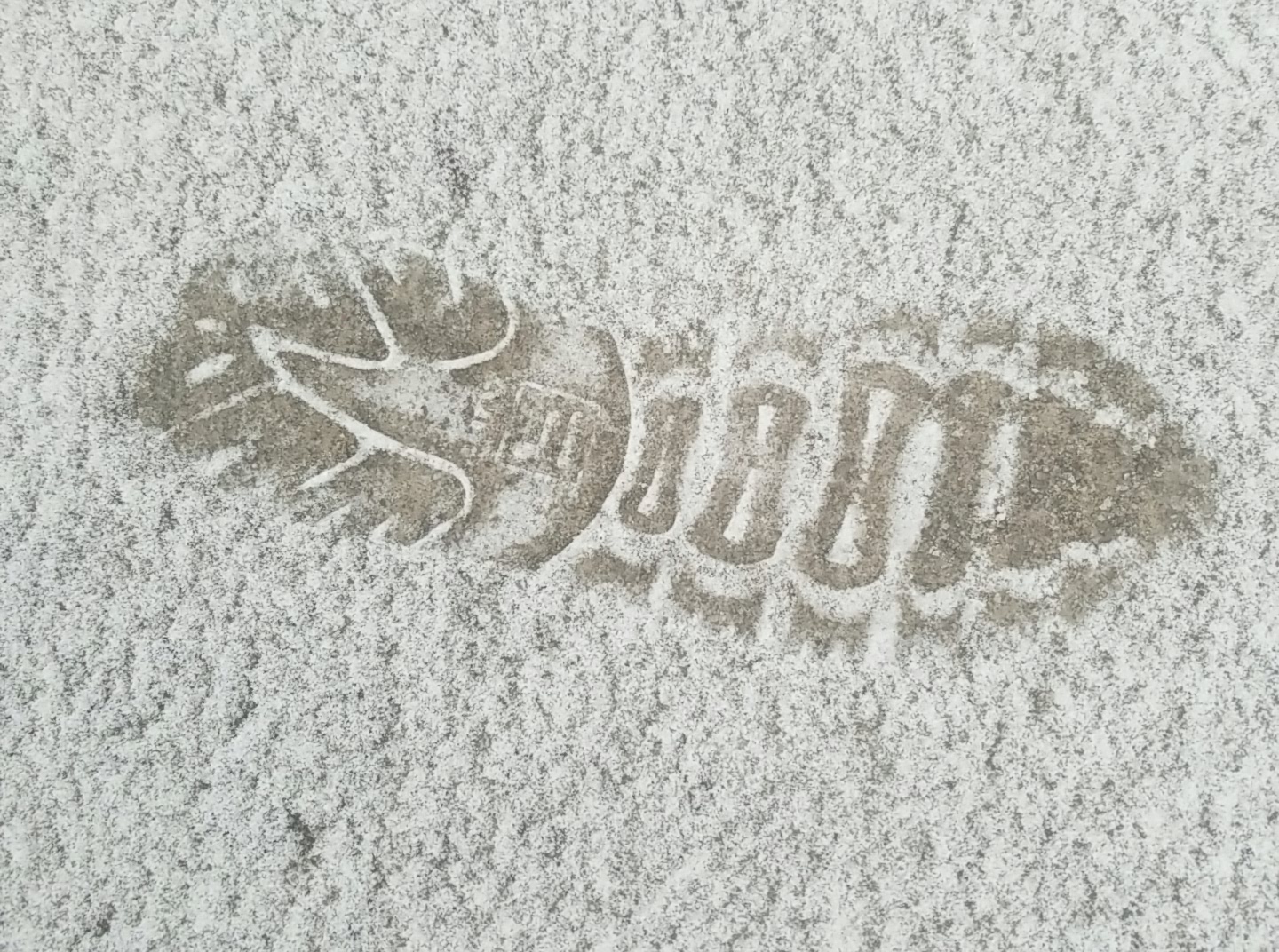
It was a Snowapocalypse! It completely changed how we viewed snow.
My Artwork My Art Pal
I believe stories can be told in many ways and have used a variety of methods to uplift, inform and educate African Americans and peoples of color. I want my work to bring energy and life to a marginalized community to help it become strong and active. I want to do work that gets people to talking about the issues of life.
You can purchase my artwork at the above link.

Thank you.
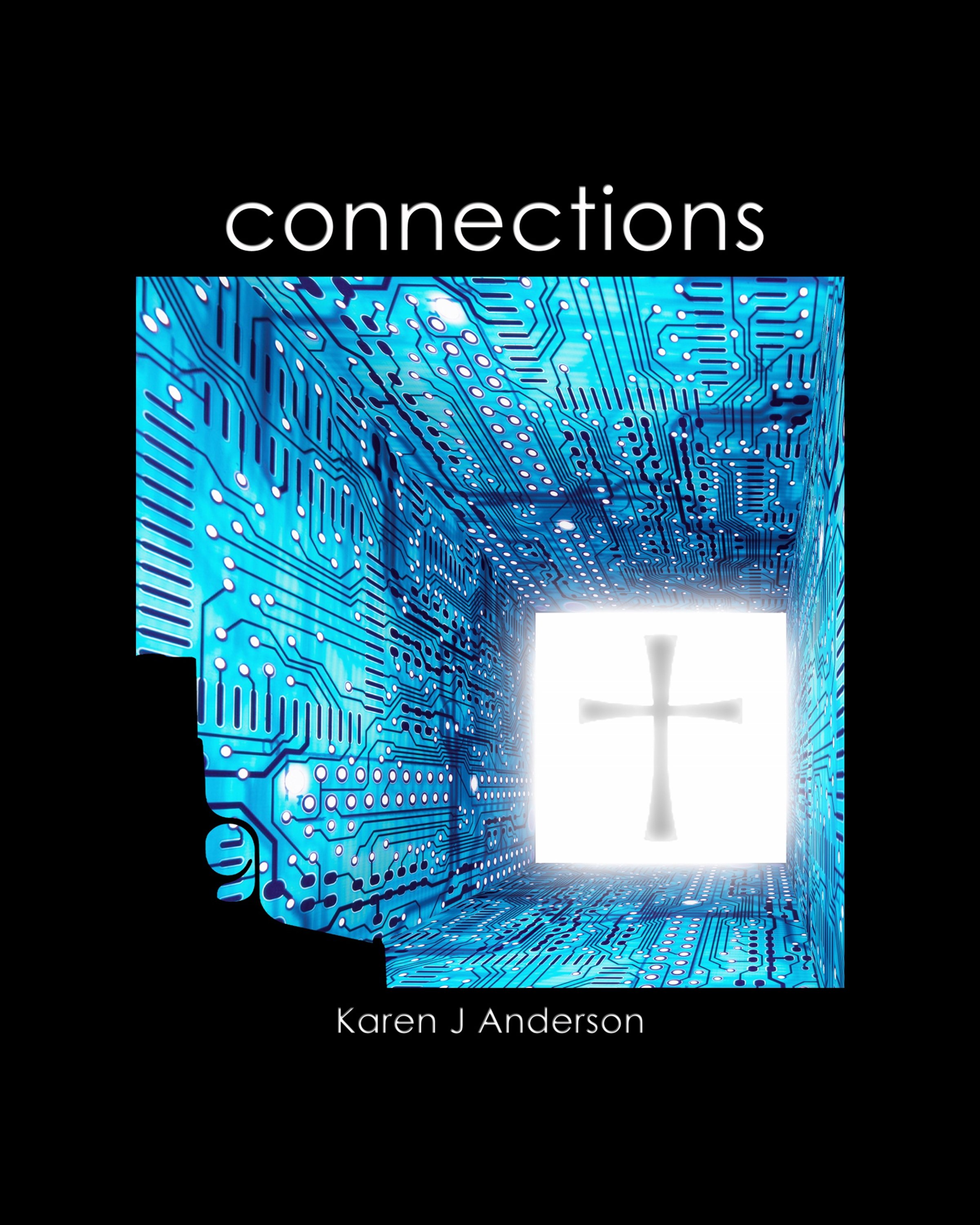
In this adventure thriller, Connections, Sandy and her best friend found missing relatives, spied on cheating spouses and caught a few bail jumpers. This private investigator never imagined the bad guys would chase her.
Running for her life, Sandy Herrick discovered that God was the only one with her who wasn’t talking smack, trying to kill her or get into her pants. As she and her friends try to figure out who framed them, they all discover that there was more to each other than they thought they knew.
As evil forces closed in on them, they have to determine who they trust and what they believe about each other. Would this be enough to save them?
Available on Amazon.com
So, one sista is the skeptic and the other sista is the optimist. When it comes to physical competition they love to watch, but know they can’t compete. Check out this episode on physical competitions and what they think needs to happen to win.
Episode 4 The Race Is On!
to walk fight and pray. Oh Happy Day is the song that is in my head because I watched Henry Louis Gates new series on the Black Church. I sang. I clapped. I took notes. For those who love the “black” church, this series is an experience that starts the journey at the beginning.
The Black Church: This Is Our Story, This Is Our Song chronicles the journey of the African American worship and praise service from its African roots and influences to the debilitating burdens slavery laid on it. Gates told the story of how something that should have sent it into extinction only sharpened its point. Captured Africans were only taught the portions of the bible that allowed them to be obedient servants, with laws put in place that forbid them to read and write. Slave owners did not want them to know the stories of Moses and how the children of Israel were freed. It struck down the lie that slavery was a means of introducing Africans to the gospel, showing that Africans were Christians long before Europeans knew who Christ was.
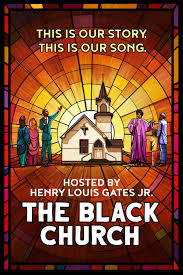
This documentary series celebrates the :black” church by showing the power of the Holy Spirit in an oppressed people surrendered to him. From the little wooden shacks built by freed slaves to the mega churches of the earlier 20th Century, African Americans not only built houses of worship, but they built communities that took care of each other. They built schools and taught one another to read. This project is filled with many images of these worship services that capture some of their best moments.
It took me back to that little girl sitting on the pew of that one room church house. As I watched the interviewees tell their stories of growing up in those simple times, it reminded me of my mother being in the choir. All the ladies had on the same type of dress, made by one woman in the church. They even posed for a photo after church to remember this special occasion. It was the thing that held them all together.

I learned new things about this church, of which I am a member. I never knew that preachers used to make recordings of three minute sermons. A three minute sermon? That is long gone. I am amused to know that we have been buying sermons for a mighty long time. We have been singing and dancing for that long too. It is one of the things I love about my people. There might not be a lot of hope in our current circumstances, but we know where hope is. We know it starts in community.

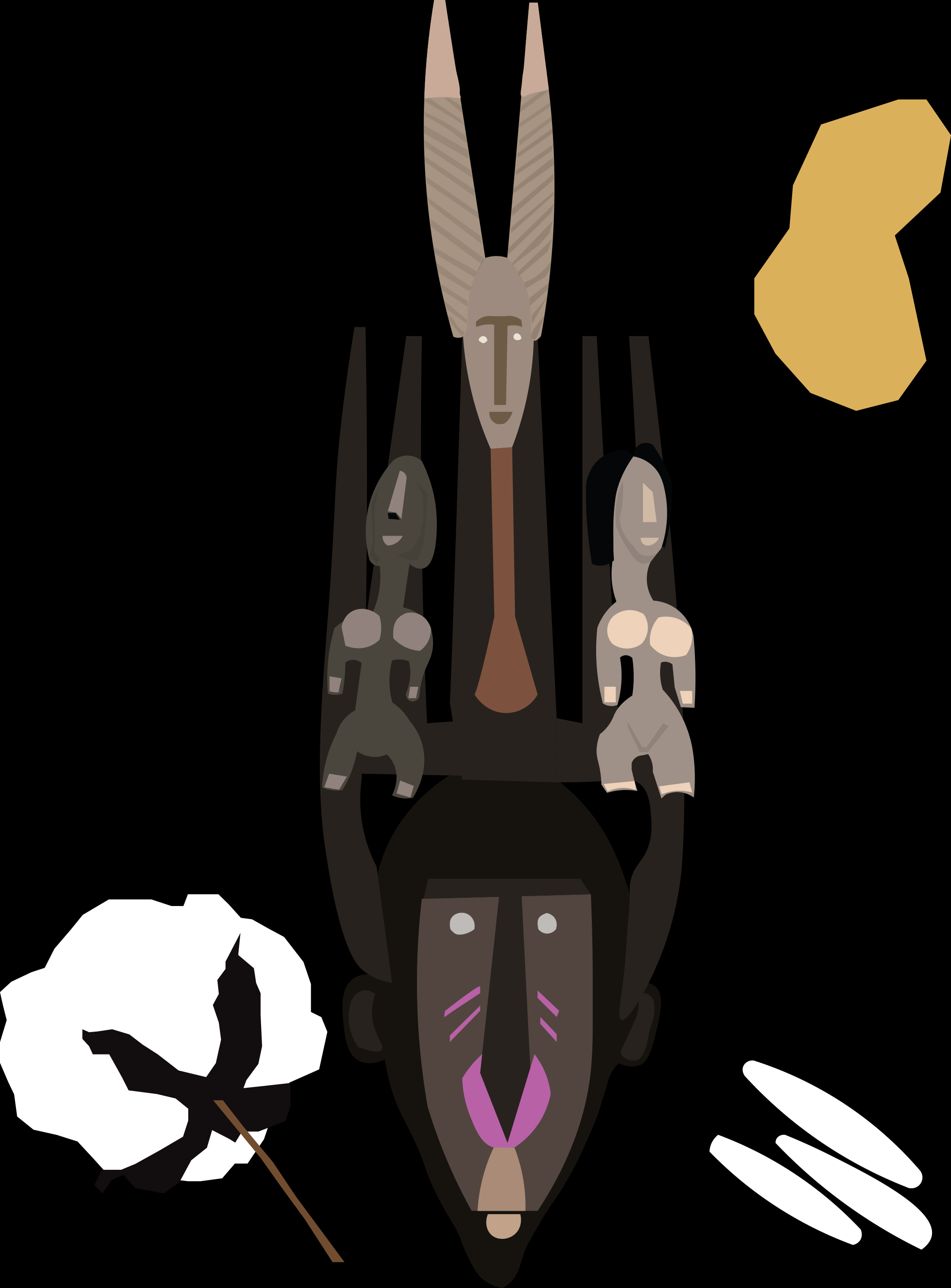
In 2021 the art series with examine moments in African American history in an attempt to UNERASE our past.
Historically the myth teaches us that Africans were brought to the Americas and taught a skill. It had us believing that the Africans were untrained labor dependent on European knowledge.
According to Toby Green in Fistful of Shells, when Europeans landed on the African continent, they were amazed at the crops the natives produced. The tribes had been trading in the Middle East for centuries. Europeans recognized the skills how well the tribes cultivated the earth around them.
Instead of creating deals to share information and wealth, these sinister Europeans bartered with tribes to steal the individuals who could cultivate fields on foreign soil. They would take these tribal skills and make themselves rich while depriving the people who did the work any of the wealth or benefit from it.
They would transport people from the African coasts to the Americas and grow crops of sugar, rice, and later cotton, peanuts and so much more.
Sometimes your peace is sideways. You may have to hide to find those moments where you can rejuvenate. Some days it may look a little different. It may not have the ebb and flow that you want. But it is there.

What is it? Snow. A Tree. Mold. The second week of February the environment took over.


 UPP Creative Media