I am not completely sold on it, but the new Wonder Years which is being produced by Lee Daniels has Don Cheadle narrating and stars Dule Hill. The premise is interesting, but this can go two ways. I am waiting to see which one. But check it out and let me know what you think.
What twelve years of education and mandatory classes failed to do, can be done in a matter of moments with the right singers and directors.
And the answer to the unasked question is teach American citizens how government works.
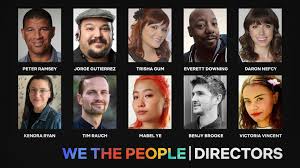
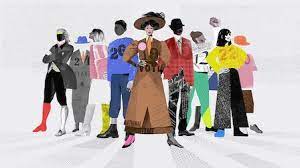
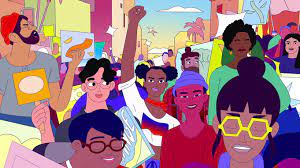
In the new offering titled We The People executive producers President Barack and Michelle Obama, Kenya Barris and Chris Nee tell strong stories that explain the Bill of Rights, Immigration, Taxes and so much more. It reminds me of that Saturday morning cartoon School House Rock but gives me so much more.
The wide range of directors telling the stories made it interesting and made me want to see what each brought to the table. It was nice to see some of the characters in non traditional roles. It was good to see all types of people represented.
One of my favorite episodes was about taxes. Everyone hates to pay them, but love the benefits of them. We spend everything we got hitting those well paved roads across America. We love the library system, couldn’t live without some of the regulations. It is great that there is something that puts everything in perspective at a level that even a child can understand it.
I thought the art was beautiful. The music made me dance. It also reminds me to be an active citizen. As everyone should be. But also remember you need to be an informed active citizen.
The music was amazing and it took me back. How about y’all?
Remember the time when all of the food had been cooked, everyone was getting ready to play cards, and they put the records on the player. Everyone in the room knew all the worlds to all the songs.
This past weekend, which was also Easter weekend, the guys at Versuz served up some music and memories. More important they taught us some history we need to hear right from the horses mouth.
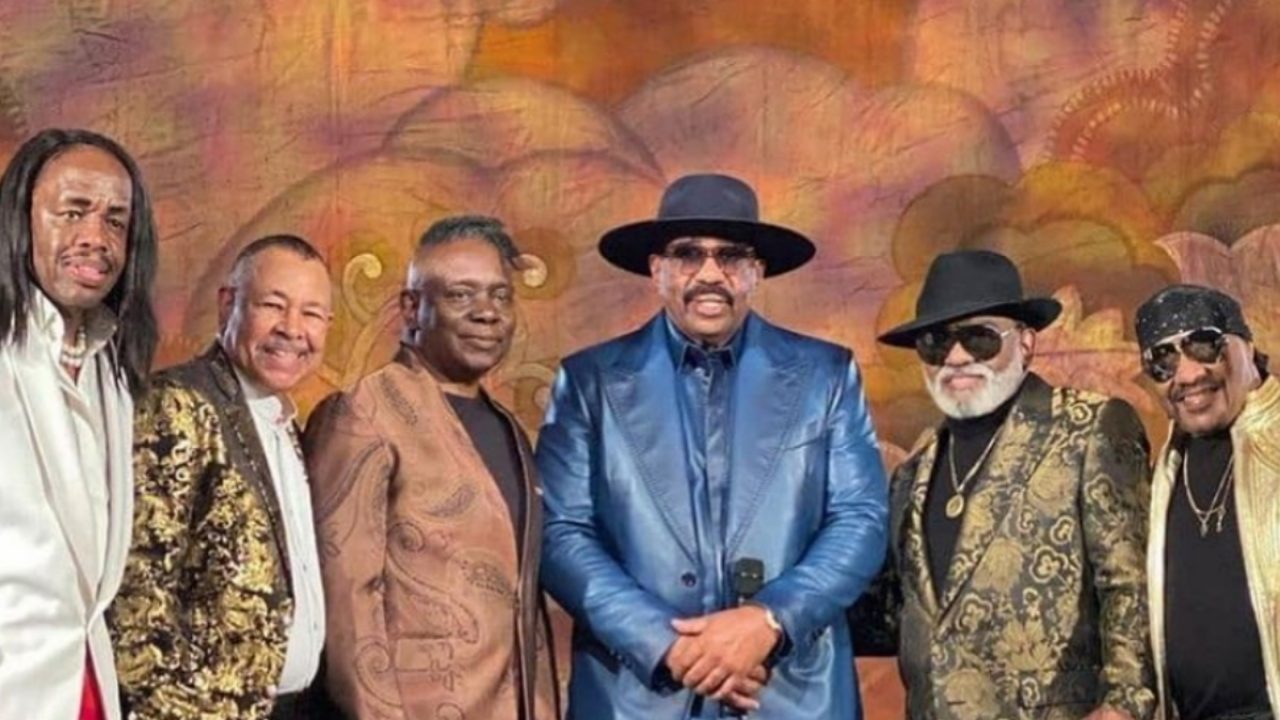
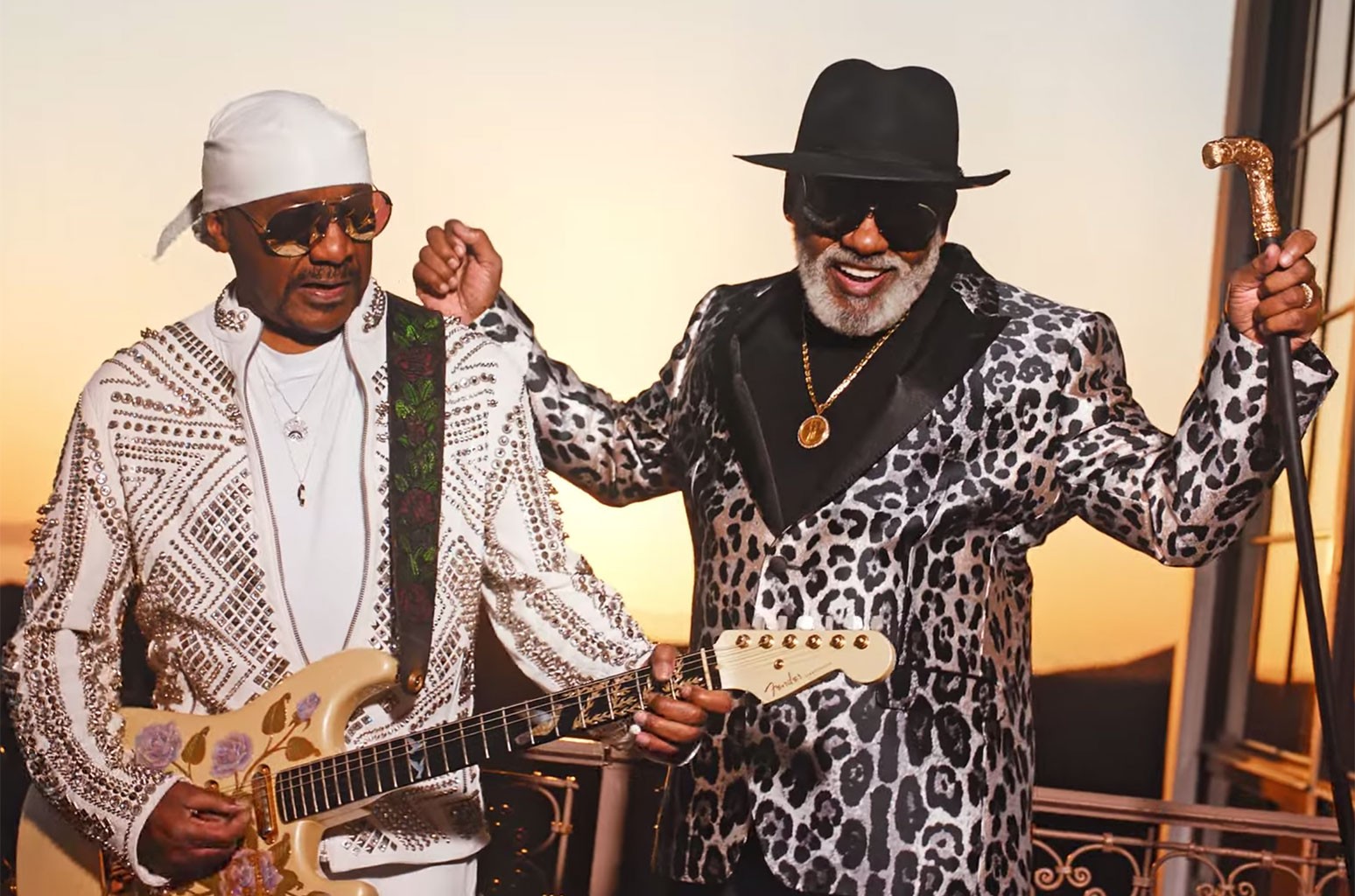
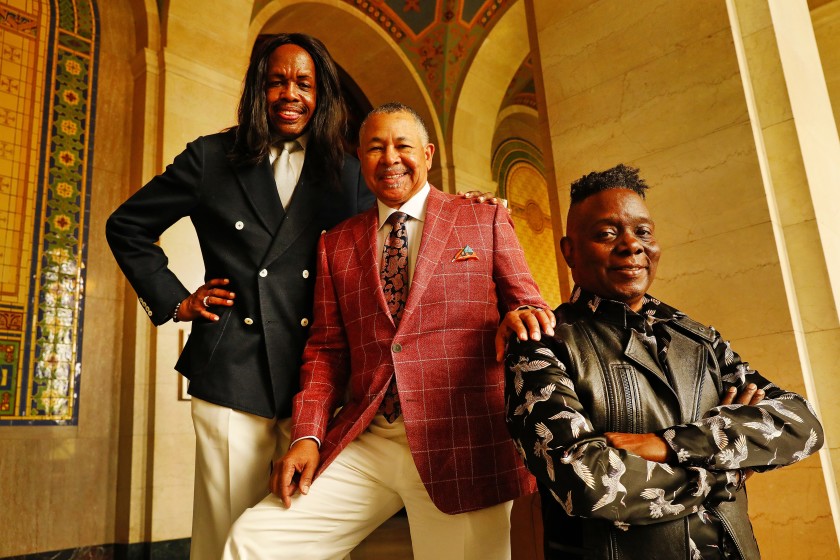
On Instagram it was supposed to be an epic battle between two historic R&B bands: Earth Wind & Fire v The Isley Brothers. The way it works is they have the bands side by side and they play hits from each other to see which is the greatest.
Not how it went off.
We danced and sang for almost four hours Sunday evening. Everyone sang with every song. Those old dudes got stamina, cause I was ready for bed by 10, but Ron Isley was still standing and singing with his cane in hand.
Philip Bailey, of Earth Wind & Fire was still throwing that falsetto at us.
Earth Wind and Fire was a band founded in 1969 by Maurice White. It has won Grammys, American Music Awards but more important to me, has created music that shaped my life.
The Isley Brothers started in the 1950s with brothers, O’Kelly, Rudolph and Ronald. Their first big hit was Shout! in 1959. This is a song that had shape many a party.
Epic doesn’t even describe this versuz battle. I loved the music. I loved the live social media chats. I too wanted Steve Harvey to shut up, cause I was tired of our drunk uncle.
The best part was the storytelling from the bands. It was good to hear that they were all friends, but you could see that as they sang each other songs. It was good to hear how a song was made or why. It just added another level of love for the music.
It is always good to hear our history from our people.
It is part of the National Geographic SeriesGenius. Season One was neat. Season two not so much. Season three is a Kaw Pow! Each season has a different character and focus.
In Season Three, Genius sets out to tell the story of Aretha Franklin, with all of the great music and moments from history.
Shaian Jordan plays Aretha when she is young, giving the audience a view of life on the gospel circuit. She is adorable and makes you believe she is the young Aretha Franklin. Older Franklin is portrayed by Cynthia Erivo who can take us to church, but also remind us why she was the “Queen of Soul.”
Now, I am not saying I believed every part of the story they told. I am saying it is entertaining and has great moments. Franklin is more than a woman who just wants to be a great singer. She is a woman who wants to make an impact.
“Hey Baby Daddy King!” Said Lavelle Junson’s mom as they are escorted before the Zamundan King in Coming 2 America which was released in early March on Prime. Junson is the bastard son of King Akeem and Mary Junson who finds himself in the land preparing to be an heir to the Zamundan throne. Junson’s mom was played by Leslie Jones who brought her A game to the role.
This comedy is the sequel to Coming to America released in 1988 starring Eddie Murphy and Arsenio Hall. Not only is it funny, but it reminds me of why I loved the original because they bring back almost everyone they can. In the 1980s this movie was an oasis in a desert of stories with African Americans in them. We celebrated being able to see a cast full of people of color.
This movie sends a wonderful shout out to the 1980s with music from Gladys Knight, En Vogue and Salt N Pepa. It is lighthearted and celebrity filled which will made me laugh. It is good to laugh with my people because many of our stories aren’t funny.
On the darker more for real side is The United States vs Billie Holiday and Judas and the Black Messiah.
Both movies tell a story we need to hear, but don’t do them if you depressed or sad. The plight of African Americans in the United States has not been an easy joy filled experience, so don’t expect that from either of these movies. You might get angry and cuss at the TV. (There were moments I was instructing both Fred and Billie to just cuss them folk out, please!) So do what you have to do to deal with your frustration.
In The United States vs Billie Holiday I watched as the FBI doggedly pursued the young singer through her drug addiction. Andra Day, who plays Holiday, has an amazing voice that reminds me so much of Lady Day, that in the beginning I thought she was using original music. Day’s performance was good, but by the end of the story I just wanted the government to leave Billie alone. It took me days to get through the entire movie because I kept stopping when I would get too frustrated. I can’t imagine living through it.
I am glad I did finish it, but it is difficult to see story after story of lives ruined by authority figures left to their own devices. And many of their desires was destroy black lives.
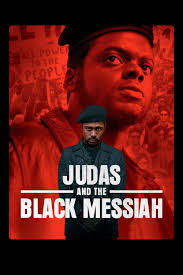
Again in Judas and the Black Messiah, which is the story of how William O’Neal becomes an FBI spy to gather information on Fred Hampton of the Chicago chapter of the Black Panthers. Daniel Kaluuya plays Hampton and LaKeith Stanfield plays O’Neal.
The acting was impeccable, but the nature of the story made me pause it and come back to it after a few days. We have to tell these stories. We have to know our history, or we are doomed to repeat it.
In all three of these movies’ music is key to creating a mood. There are drumbeats in all of them that I believe connect us. But sometimes you got to turn it off for your own sanity and find your own rhythm.
My challenge to you is to allow each story to inspire you. Allow each story to leave a piece of itself with you.
I don’t want to live in a society where obnoxious uncaring people rule through greed and self ambition. Yes, it probably sounds like a broken record, but I will keep on saying it. And I am going to live like I believe it, which means calling out bad behavior.
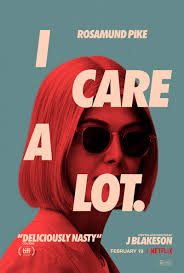
I don’t even know how some of this crap gets financed. I Care A Lot is one of those movies. A greedy uncaring woman cons older people out of their assets by gaining guardianship over them. Other greedy people help her place unsuspecting seniors in nursing homes while she takes and sells their property. In this movie she does it to the wrong person.
The acting was very effective because I hated all of the characters. Only reason I finished it was my other sister said to watch it all the way to the end. I literally wanted all of the people in this movie to die, except the older woman who had been tricked out of her property. I was disappointed. Built to be funny, I seldom see the humor in letting the bad guys win. After four years of Trumpism, I am done with bullies.
As a society, if we do not value what the older people have experienced we are doomed to repeat it.
It is time to stop championing stories that let the bad guys win or make them a hero. Clearly, it is wrong to steal someone else’s property. Times are rough when you have to say simple truths. It is wrong to misrepresent them in court. It is not harmless or cute to claim something is true when it is really false.
We have to stop making the person who mistreats others the apple of our eye. These jokers are not good leaders, and usually leave carnage behind. We can’t wait until it happens to us to be against this. It should start with the movies we watch and support. I Care A Lot lacks any redeeming value. Lets not tell stories where abusers win.
Feel The Beat has some redeeming qualities because the obnoxious lead character in this movie actually has a change of heart. In this film, we watch a selfish mean spirited dancer find herself as she tries to use some children to achieve her goals. Again it is an attempt at humor, but some of it is lost in the meanness.
The trouble is we have been through too much to allow any level of meanness.
The movie is upbeat, with fun children, and lots of dancing. We watch young girls in a small town learn to love to dance. The romantic story is weak, but it is more about dancing than romance.
I didn’t feel like I had wasted hours of my life for watching it.
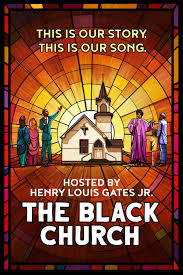
to walk fight and pray. Oh Happy Day is the song that is in my head because I watched Henry Louis Gates new series on the Black Church. I sang. I clapped. I took notes. For those who love the “black” church, this series is an experience that starts the journey at the beginning.
The Black Church: This Is Our Story, This Is Our Song chronicles the journey of the African American worship and praise service from its African roots and influences to the debilitating burdens slavery laid on it. Gates told the story of how something that should have sent it into extinction only sharpened its point. Captured Africans were only taught the portions of the bible that allowed them to be obedient servants, with laws put in place that forbid them to read and write. Slave owners did not want them to know the stories of Moses and how the children of Israel were freed. It struck down the lie that slavery was a means of introducing Africans to the gospel, showing that Africans were Christians long before Europeans knew who Christ was.
This documentary series celebrates the :black” church by showing the power of the Holy Spirit in an oppressed people surrendered to him. From the little wooden shacks built by freed slaves to the mega churches of the earlier 20th Century, African Americans not only built houses of worship, but they built communities that took care of each other. They built schools and taught one another to read. This project is filled with many images of these worship services that capture some of their best moments.
It took me back to that little girl sitting on the pew of that one room church house. As I watched the interviewees tell their stories of growing up in those simple times, it reminded me of my mother being in the choir. All the ladies had on the same type of dress, made by one woman in the church. They even posed for a photo after church to remember this special occasion. It was the thing that held them all together.
I learned new things about this church, of which I am a member. I never knew that preachers used to make recordings of three minute sermons. A three minute sermon? That is long gone. I am amused to know that we have been buying sermons for a mighty long time. We have been singing and dancing for that long too. It is one of the things I love about my people. There might not be a lot of hope in our current circumstances, but we know where hope is. We know it starts in community.
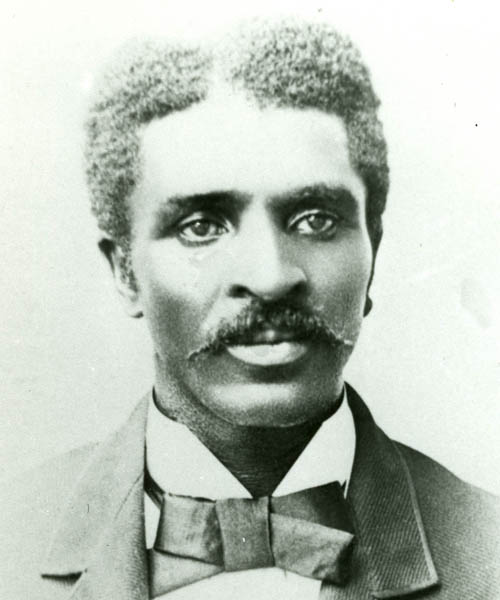
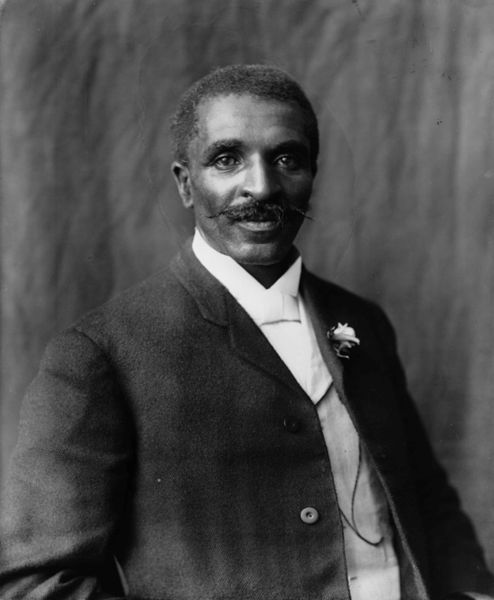
George Washington Carver became one of the leading agronomists of his time, pioneering numerous uses for peanuts, soybeans, and sweet potatoes. Born a slave in Missouri in midst of the Civil War, Carver was fascinated by plants from an early age. As the first African-American undergraduate student at Iowa State, he studied soybean fungi and developed new means of crop rotation. After earning his master’s degree, Carver accepted a job at Alabama’s Tuskegee Institute, a leading university of African Americans. It was at Tuskegee that Carver made his greatest contributions to science, developing more than 300 uses for the peanut alone, including soap, skin lotion, and paint. (information from thoughtco.com)
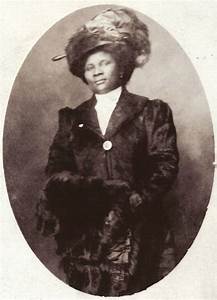
Born Sarah Breedlove, Madame C.J. Walker became the first female African-American millionaire by inventing a line of cosmetics and hair products aimed at black consumers in the first decades of the 20th century. Walker pioneered the use of female sales agents, who traveled door to door across the U.S. and Caribbean selling her products. (information from thoughtco.com)
Madam C.J. Walker’s remarkable career helps tell the story of early black entrepreneurship and philanthropy. Born to former slaves, through her own vision and hard work, she provided education and employment for black women. Walker became a millionaire and was an inspiring role model for several generations.















 UPP Creative Media