TV Talk With The Sistas
In this podcast, two sisters chat about iconic television shows and their impact on the African American and American culture. We are available on Stitcher, Apple, Google, and Spotify.
Episode One
The Sistas examine the 1970s hit Sanford and Son starring Redd Foxx and the British murder mystery series, Midsomer Murders.
Episode Two
The Girls focus on the Netflix series The Crown and the 1980s crime drama In the Heat of the Night. They find similar qualities in the way they tell their stories.
Episode Three
The Girls focus on the 1980s Norman Lear sitcom The Jeffersons and the Netflix limited series Self Made: The Madam CJ Walker Story. They examine the impact of these stories on African American culture.
Episode Four
The Sistas talk about the James Bond,007 franchise and the impact they think it has had on society and culture. These two Bond lovers go toe to toe over who is the best Bond. They also introduce you to their rating system
Episode Five
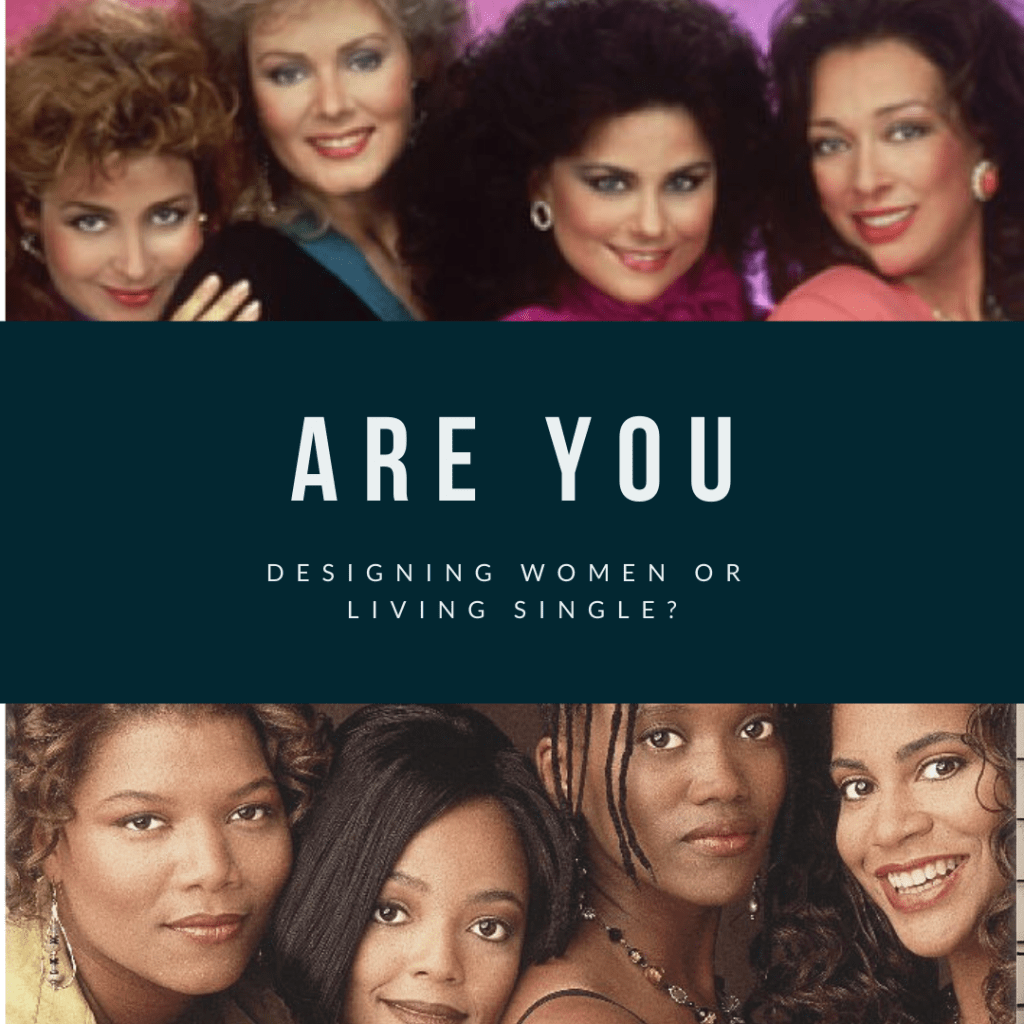
The Sistas talk about how shows like Designing Women and Living Single brought a strong message about women from the 1980s and 90s. Even though one show was geared toward a Caucasian audience, the other an African American, they both created moments that are still funny today. They created timeless comedy but uplifted their subject matter.
Episode Six
In this week’s episode, the Sistahs talk about The No 1 Ladies Detective Agency and Queen Sono which are two shows that have strong African characters in the lead. These shows have women in nontraditional roles and showcase the beautiful land of Botswana and South Africa.
Listen up…
In this podcast, two sisters chat about iconic television shows and their impact on the African American and American culture. We are available on Stitcher, Apple, Google, and Spotify.
Episode One
The Sistas examine the 1970s hit Sanford and Son starring Redd Foxx and the British murder mystery series, Midsomer Murders.
Episode Two
The Girls focus on the Netflix series The Crown and the 1980s crime drama In the Heat of the Night. They find similar qualities in the way they tell their stories.
Episode Three
The Girls focus on the 1980s Norman Lear sitcom The Jeffersons and the Netflix limited series Self Made: The Madam CJ Walker Story. They examine the impact of these stories on African American culture.
Episode Four
The Sistas talk about the James Bond,007 franchise and the impact they think it has had on society and culture. These two Bond lovers go toe to toe over who is the best Bond. They also introduce you to their rating system.

Episode Five
The Sistas talk about how shows like Designing Women and Living Single brought a strong message about women from the 1980s and 90s. Even though one show was geared toward a Caucasian audience, the other an African American, they both created moments that are still funny today. They created timeless comedy but uplifted their subject matter.
Episode Six
In this week’s episode, the Sistahs talk about The No 1 Ladies Detective Agency and Queen Sono which are two shows that have strong African characters in the lead. These shows have women in nontraditional roles and showcase the beautiful land of Botswana and South Africa.

Listen up to episode 6…Meet The Queens