Water Needed

After the Civil War when African American women began to think more of themselves than slaves, the art of becoming more was much more difficult. Because many of the women were poor and didn’t have ready access to water, they had a struggles when it came to regular hygiene.

Water was something individuals had to carry from a creek or well, which meant bathing and hair washing was relegated to many once a week. This resulted in hair diseases and loss of hair.

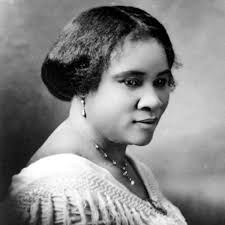
Madam CJ Walker , who was born shortly after slavery ended, had problems with her hair. She suffered from scalp diseases that made her hair fall out. This problem set her on the path to change the lives of African American women and how they saw themselves. She wanted them to feel beautiful, have self respect and uplift the race.

In the month of April we will examine African American beauty.

Black History Month

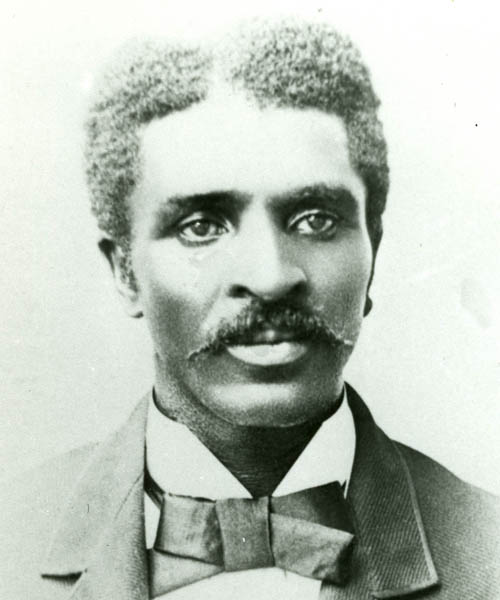
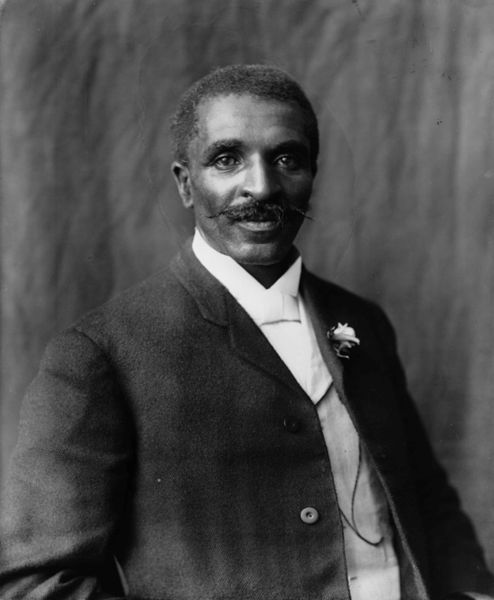
George Washington Carver became one of the leading agronomists of his time, pioneering numerous uses for peanuts, soybeans, and sweet potatoes. Born a slave in Missouri in midst of the Civil War, Carver was fascinated by plants from an early age. As the first African-American undergraduate student at Iowa State, he studied soybean fungi and developed new means of crop rotation. After earning his master’s degree, Carver accepted a job at Alabama’s Tuskegee Institute, a leading university of African Americans. It was at Tuskegee that Carver made his greatest contributions to science, developing more than 300 uses for the peanut alone, including soap, skin lotion, and paint. (information from thoughtco.com)

Black History Month

Madam CJ Walker

Born Sarah Breedlove, Madame C.J. Walker became the first female African-American millionaire by inventing a line of cosmetics and hair products aimed at black consumers in the first decades of the 20th century. Walker pioneered the use of female sales agents, who traveled door to door across the U.S. and Caribbean selling her products. (information from thoughtco.com)