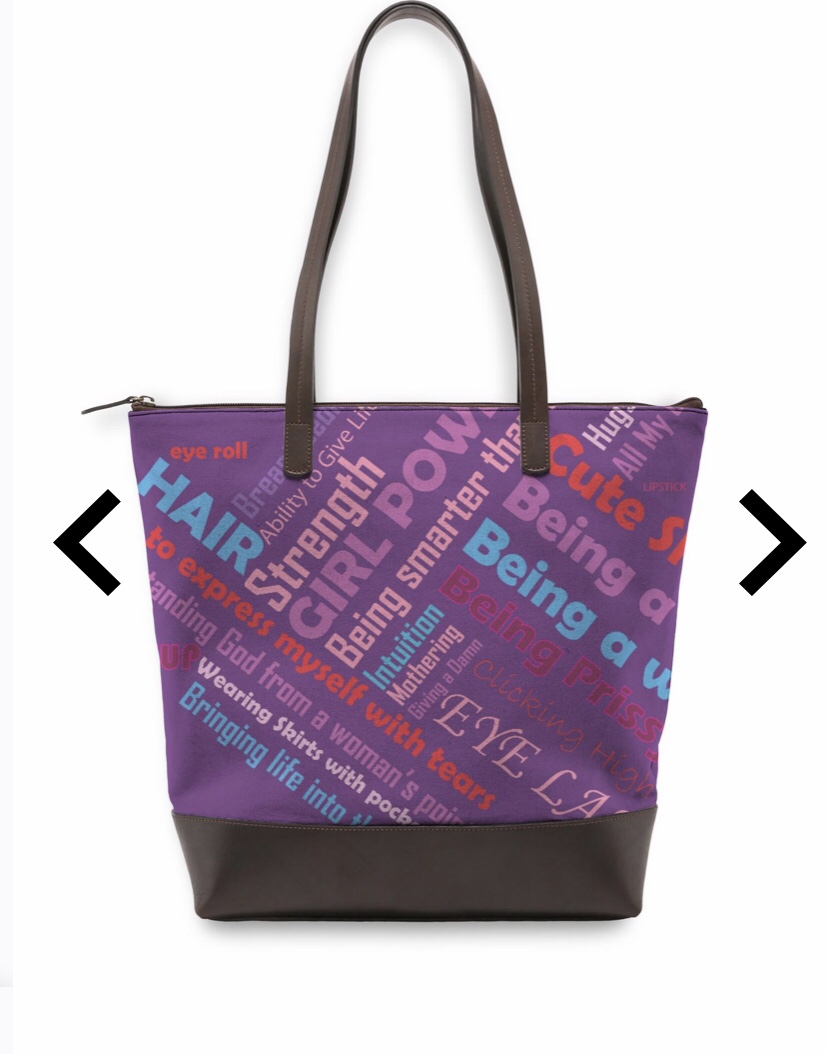
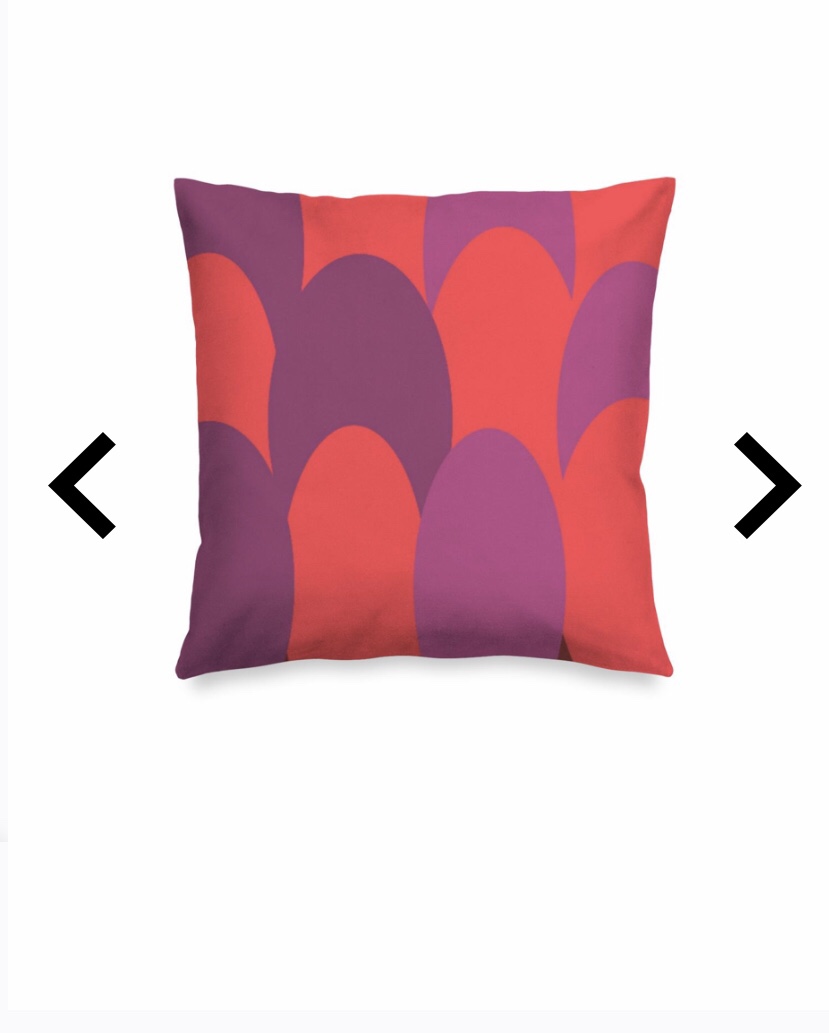
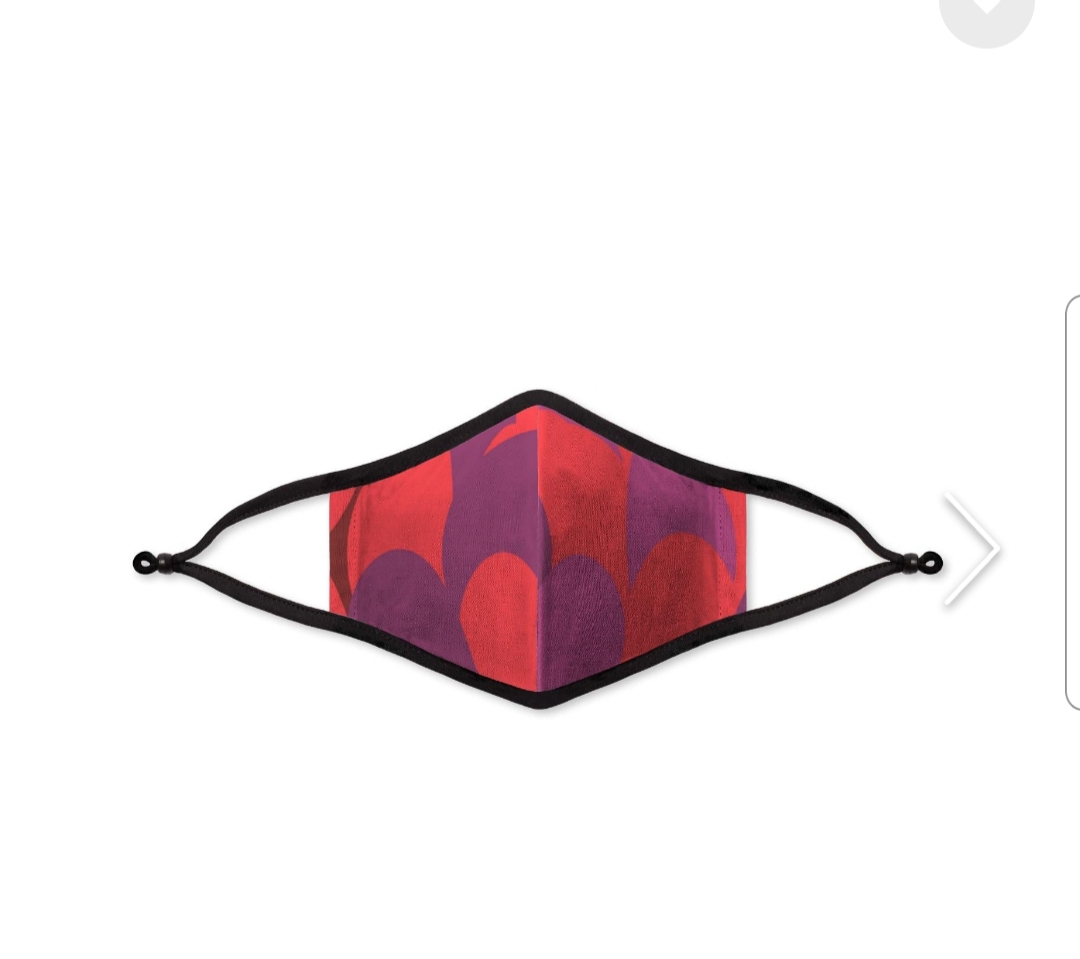
New Designs Are Available in My Vida Store

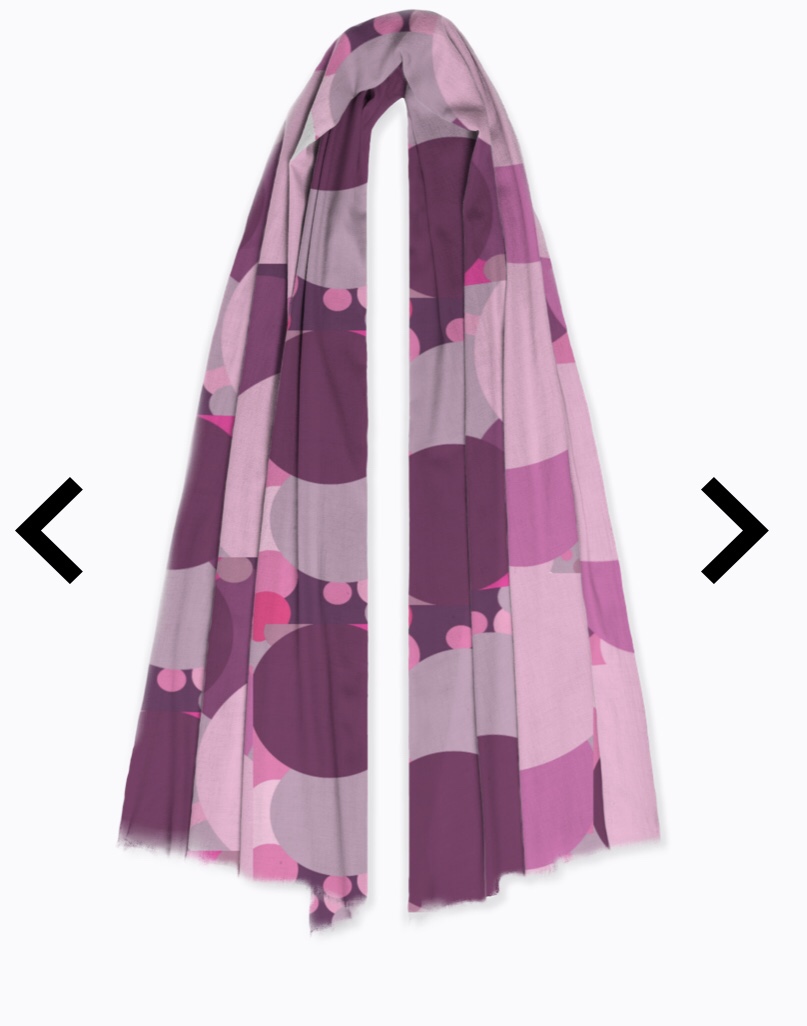
Vida has added a new item to the line up. A sarong!

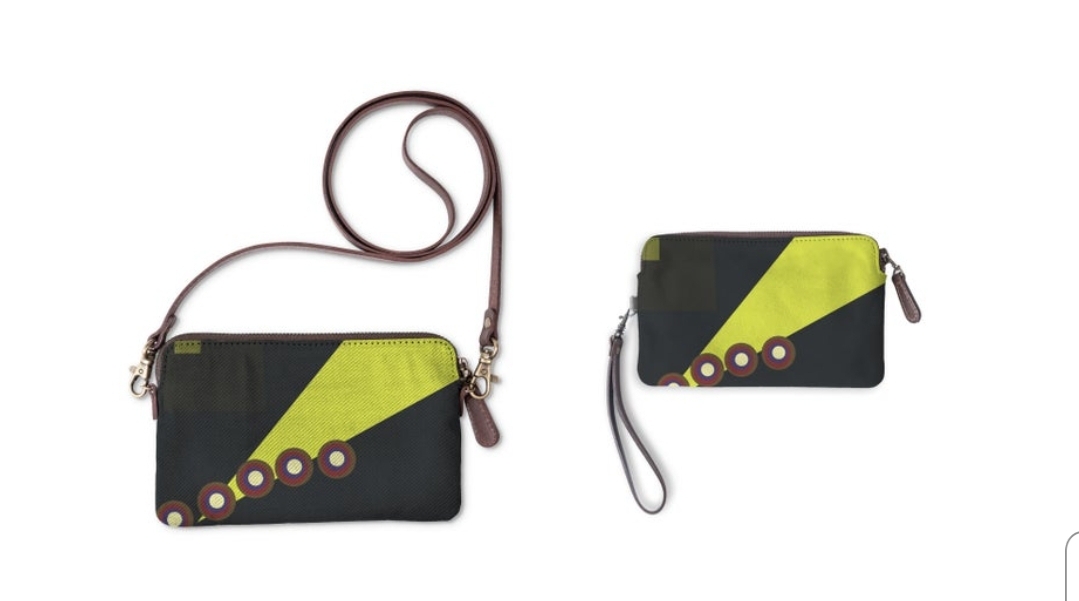
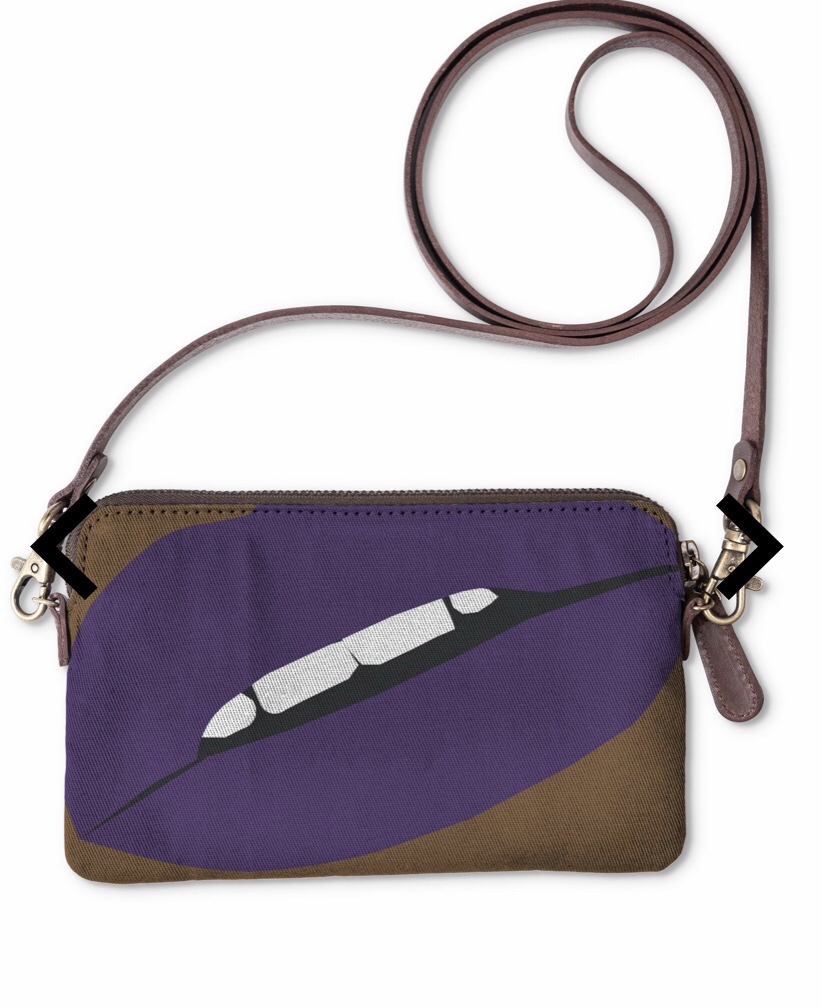
I have added new designs that depict the Diaspora and the Underground Railroad. This art reminds us of a history many people do not want to talk about. The circles represent the lives that were captured. The purple inside the circle represents the royal blood. The yellow represents their souls.

These designs can also be seen on other items. Check out the store. My Vida Store

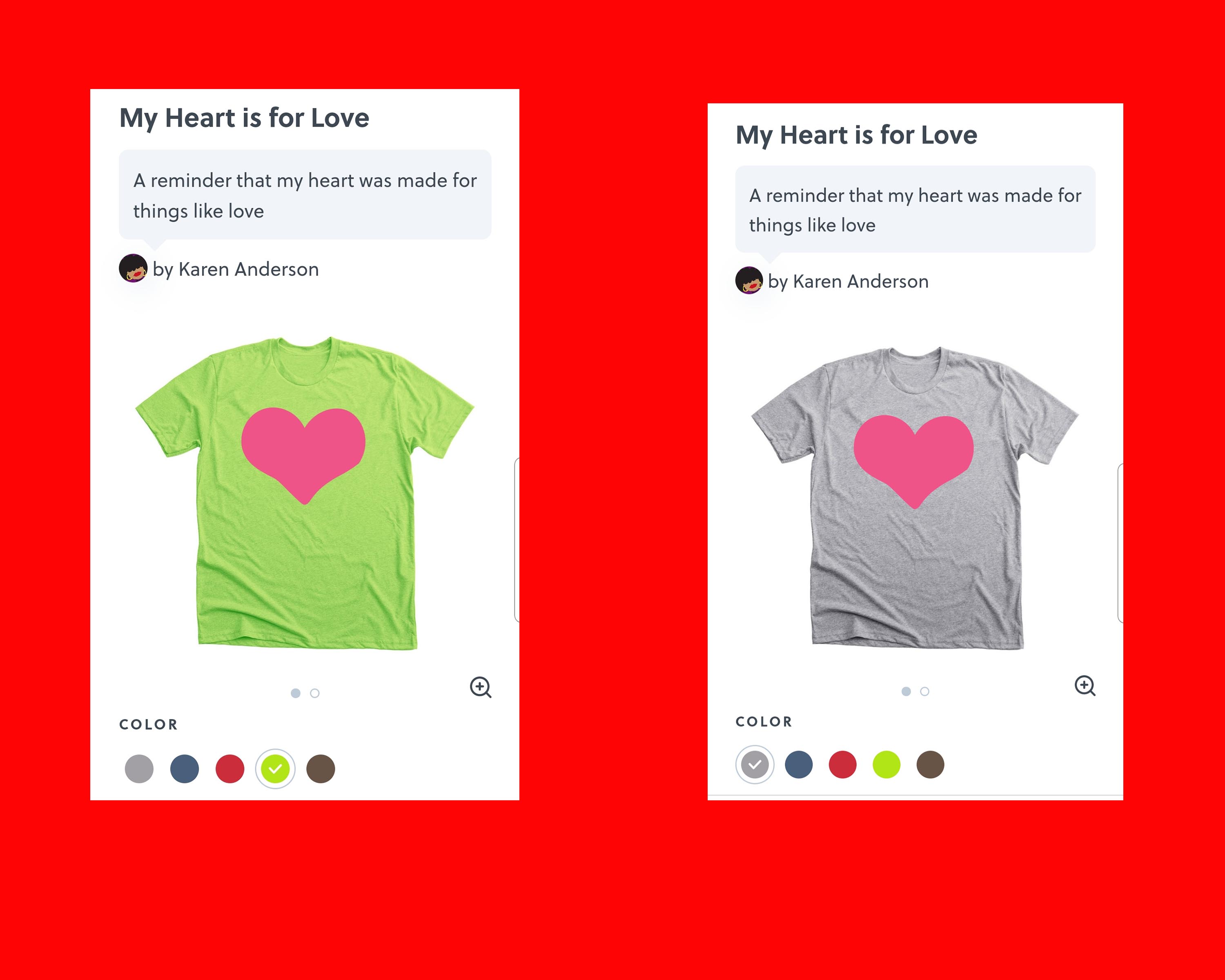
T-Shirt of the Month

Celebrate Juneteenth with us in June! We will remember the time when our people were not free. They were still smart and innovative, and when they became free they continued to fight for their rights. Let’s make sure we tell our own stories.

You can purchase this shirt at Celebrate Juneteenth

Art of the Month

There was a time on the African continent when people lived everyday lives. People formed families and had children. They worked and bought things. The Slave Trade disrupted this life and created a new history for those who were caught up in it. This month’s artwork will reflect on the impact of that history with a quilt that has many patchworks.

Each week more information will be added.

The Slave Trade began when the first African captives were sold to Europe in 1444. During the 16th to the 18th Century more than 12 million people were shipped to the Americas. Not only did greedy African aristocracy line their pockets with the sale of people, but they also depleted their own resources so that when Europeans came to conquer them later, they had no fighting forces.

Hattie McDaniel was an actress and comedian who won the Academy Award for Best Supporting Actress, becoming the first African American to win an Oscar. She portrayed the role of a slave during the Civil War in Gone With The Wind. She was born in 1893. She died in 1952.

Barak Hussein Obama served as the 44th president of the United States from 2009 to 2017. Obama, the first African-American president of the United States, was born in 1961 in Hawaii. He also served as a Senator from the State of Illinois.

Cotton is a soft fiber that after processing can be spun into textiles. This shrub began to change the world in 1660 when the English East India Company began selling pieces of cloth which caught on. At first the cloth was imported from India, but the Europeans discovered they could grow and process their own cotton in North and South America. With the invention of the cotton gin in 1793, it allowed for greater production of cotton in North America and around the world.

Masks were created by skilled workers in tribes which was usually passed the job down by generations. So if a man was a wood carver, his sons would be wood carvers.  These objects told the history of the tribe and what was important to them.

Jim Crow Laws were state and local statutes that legalized racial segregation with usually inferior standards for people of color

Bert Williams was a Bahamian-born American entertainer born in 1874, one of best entertainers of the Vaudeville and the most popular comedian for all audiences of his time. He is credited as being the first Black man to have the leading role in a film: Darktown Jubilee in 1914.  He also starred on Broadway in a leading role, but his character was in blackface. He died in 1922

Rice was grown in West Africa in a way that would change the economies of Brazil and South Carolina. Europeans would take natives from Africa and increase the crops of rice in North and South America.

Affirmation

Sometimes my joy is down low. I am so consumes with all of the other things happening in my life, I forget about it. I don’t dwell on it when I should. Those are times when I think about the things I can’t control.

But I serve an awesome God. He usually sends me something to remind me of what I believe.

Art of the Month

There was a time on the African continent when people lived everyday lives. People formed families and had children. They worked and bought things. The Slave Trade disrupted this life and created a new history for those who were caught up in it. This month’s artwork will reflect on the impact of that history with a quilt that has many patchworks.

Each week more information will be added.

The Slave Trade began when the first African captives were sold to Europe in 1444. During the 16th to the 18th Century more than 12 million people were shipped to the Americas. Not only did greedy African aristocracy line their pockets with the sale of people, but they also depleted their own resources so that when Europeans came to conquer them later, they had no fighting forces.

Hattie McDaniel was an actress and comedian who won the Academy Award for Best Supporting Actress, becoming the first African American to win an Oscar. She portrayed the role of a slave during the Civil War in Gone With The Wind. She was born in 1893. She died in 1952.

Barak Hussein Obama served as the 44th president of the United States from 2009 to 2017. Obama, the first African-American president of the United States, was born in 1961 in Hawaii. He also served as a Senator from the State of Illinois.

Cotton is a soft fiber that after processing can be spun into textiles. This shrub began to change the world in 1660 when the English East India Company began selling pieces of cloth which caught on. At first the cloth was imported from India, but the Europeans discovered they could grow and process their own cotton in North and South America. With the invention of the cotton gin in 1793, it allowed for greater production of cotton in North America and around the world.

Affirmation

It is a feeling of great pleasure and happiness. True joy comes from God. Sometimes mine is low key because there are so many things in the world that could steal it. It blends in, but it is one of the big things in my life.

Art of the Month

Imagine you are a young man living with your family in your homeland. You have watched your father play the instrument that passes down in your family. You know the sound it makes at celebrations, at funerals at all of the events that matter in your village.

You watch the movement of his hands, his face, and the rest of his body. You know how to do this. One day it will be your turn and you will be ready.

But before you day you are taken away.

You find yourself in a place where there are other people who have different ideas about this process.

As Africans began to process the horror of slavery, they created sounds and traditions that would last for centuries. Without the stories we do not know which sound came from which tribe, but we understand that bringing them all together created something

The sound starts in a field as an enslaved people worked and sang together.  One man has one sound from his tribe, and another man has a different sound from his tribe.  What do they do? They blend it all together and create amazing force.

When masters would Christianize the slaves, the hymns and songs would be changed by the enslaved to adapt to their culture. I mean since slaves were allowed to read, traditions like call and response worked because they followed the leader. Yet they would also change the melodies and the rhythms.

These melodies and rhythms would become the backbone of music. In the 19th Century African Americans created music that entertained white audiences with instruments like the banjo.  This instrument is adapted from one created in West Africa. In addition to spirituals, minstrel shows began in that century with much of its music based on African Americans. The Fisk University Jubilee Singers toured the county singing traditional spirituals. Barbershop quartets started during this century as African American men would harmonize while waiting to get a haircut. And the turn of the century only promised more with African Americans participating in Theater with a show on Broadway in 1898.

In the beginning of the 20th Century, African Americans has limited success in opera, even though Scott Joplin’s opera Treemonisha, was performed in 1911.  “Race music” was on the rise which was jazz and the blues. This became a time when Anglo performers would adapt African American music for their audiences. Men like W.C. Handy and William Grant Still, Jr. told stories that reflected the community.

In 1939, Billie Holiday was introduced to a song that would become her greatest selling record, Strange Fruit. It told the story of lynchings. According to her biography, when she performed the song in nightclubs, she made sure that the place was silent and there was a spotlight on her with the rest of the room being dark. When she finished, the spotlight when off. When the lights come back up, she is gone. Her music left people feeling something definite and this time it wasn’t feeling good about their world.

African American music was listed separately from it’s Anglo counterpart on Billboard. In 1942 it was called Race Music, and finally changed to Rhythm and Blues in 1949.

In the 1940s and 50s, men like Ike Turner and Louis Jordan are created with the movement of Rock and Roll.

One of the performers who helped break the race barrier was Sammy Davis Jr., who started in vaudeville with his father, Sammy Davis Sr. He performed with the Will Mastin Trio and later went on to Broadway and movies. He performed with the Rat Pack in the 1960s and had his biggest hit, The Candy Man in the 1970s.

Aretha Franklin was successful at crossing over to the charts that weren’t limited to people of color. She started singing at her father’s church and traveling with him to sing gospel. But as she set out on her own, she also felt that her platform also gave her the voice to speak on issues that affected African Americans and women. She also used the words of her music to send powerful messages to her audiences with songs like Respect.

Artist like Marvin Gaye made music socially aware with albums like What’s Going On? He started at Motown as a session player but grew into his own creating music that challenge the status quo.

African American music has a rich and complicated history. It touched everything it came close to and left it effects on it.